What is the history of street art?
Short answer
Street art originated as illicit graffiti in late 1960s Philadelphia and 1970s New York City, where youth tagged public spaces to gain visibility. It evolved from simple signatures into complex murals and installations, transitioning from a subcultural act of rebellion into a globally recognized, often commissioned, form of contemporary public art.
On this page
How did street art begin?
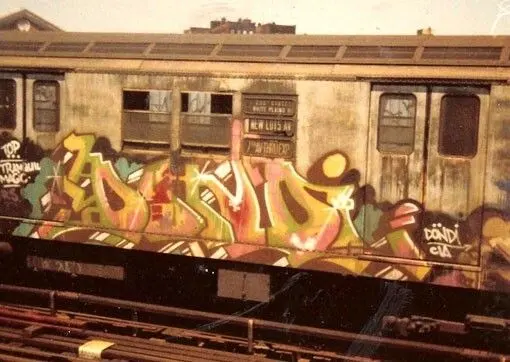
Street art traces its roots to "tagging," the practice of writing one’s name or pseudonym in public spaces. In the late 1960s, a Philadelphia youth known as Cornbread began tagging his name across the city to gain notoriety. By the early 1970s, this movement shifted to New York City, where teenagers like Taki 183 utilized subway cars as mobile canvases to broadcast their identities across the five boroughs. These early writers were driven by the desire for visibility in environments where their voices were otherwise ignored.
As the movement matured, writers began experimenting with style, color, and scale. The simple marker tags evolved into elaborate "masterpieces" featuring intricate lettering, shadows, and outlines. This period established the foundational ethics of the graffiti subculture, which prioritized competition, technical skill, and the risk of illicit creation. While authorities viewed these markings as vandalism, the writers viewed their work as a reclamation of urban space and a vital form of artistic expression.
Why did street art evolve into murals?
During the 1980s and 1990s, street art began to diversify beyond traditional lettering. Artists started incorporating stencils, stickers, and posters to communicate social and political messages more efficiently. This period saw the rise of iconic figures like Keith Haring and Jean-Michel Basquiat, who bridged the gap between street-level graffiti and the high-end gallery world. Their success demonstrated that street-based techniques could hold significant cultural and monetary value, leading to a shift in public perception.
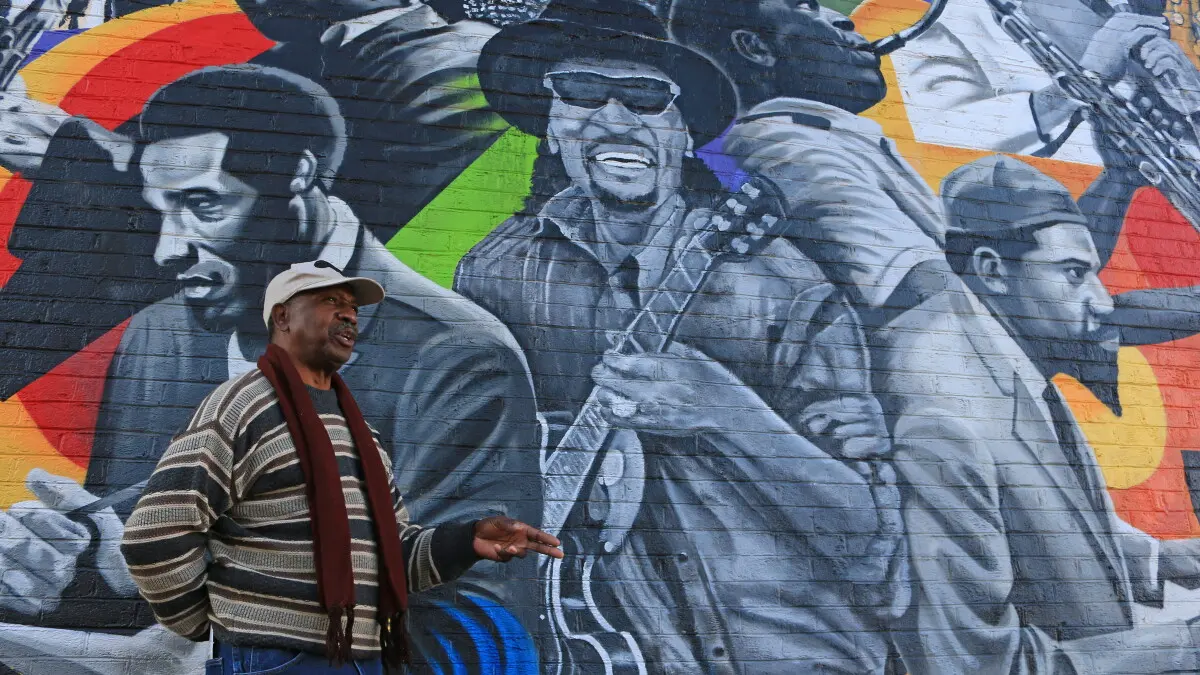
The transition toward large-scale murals was further accelerated by the professionalization of the craft. Cities began to recognize the potential for street art to revitalize neglected neighborhoods and boost tourism. Today, many street art projects are commissioned by property owners or local governments, moving the practice from the shadows into the mainstream. This evolution has transformed urban landscapes into open-air museums, though it has also sparked debates regarding the loss of the medium's original, rebellious spirit.
How to get started with street art
For those interested in exploring street art, it is essential to distinguish between illegal graffiti and legal public art. Beginners should focus on developing their technical skills in controlled environments before attempting public work. Understanding the properties of different mediums is the first step toward creating professional-looking pieces.
- Sketch your designs on paper repeatedly to master your lettering or character style.
- Practice using spray paint on legal walls, plywood boards, or private property with explicit permission.
- Learn how to control the nozzle pressure to achieve thin lines versus wide fills.
- Experiment with stencils to understand how layering colors creates depth and detail.
- Research local laws and designated "legal walls" in your city to avoid legal repercussions.
Always ensure you have written consent from property owners before applying paint to any surface. Respecting the local community and the existing work of other artists is a core tenet of the culture.
Common mistakes when creating street art
Many beginners fail because they prioritize speed over quality or neglect the preparation phase. One of the most frequent errors is failing to prime the surface, which leads to paint dripping or fading prematurely. Additionally, artists often attempt complex designs before mastering basic spray control, resulting in messy, unreadable work that lacks structural integrity.
- Neglecting to wear a respirator mask, which can lead to long-term respiratory issues from paint fumes.
- Using low-quality paint that runs or lacks opacity, forcing the artist to use more material than necessary.
- Ignoring the surrounding architecture, which can make a mural look out of place or disjointed.
- Over-complicating the design, making it difficult to execute quickly if you are working in a time-sensitive environment.
- Failing to clean the spray nozzle after use, which causes the cap to clog and become unusable for future projects.
Taking the time to plan your composition and prepare your tools will significantly improve the longevity and aesthetic appeal of your artwork.
What is the future of street art?
The future of street art lies in the intersection of traditional techniques and digital innovation. Artists are increasingly using digital projectors to map complex designs onto massive buildings, ensuring precise execution on a grand scale. Furthermore, the rise of augmented reality (AR) allows viewers to interact with murals through their smartphones, adding layers of animation and sound to static images. This technological integration ensures that street art remains a dynamic and evolving medium.
Despite these advancements, the core of street art remains grounded in human connection and physical presence. As urban centers continue to densify, the demand for public art that reflects local history and social values will likely grow. While the medium has become institutionalized, the spirit of spontaneous creation continues to thrive in alleyways and hidden corners worldwide. Street art will remain a vital tool for artists to challenge the status quo and transform the mundane urban experience into something profoundly personal and visually arresting for the public.
Key facts
- Modern street art traces its roots to the 1960s Philadelphia "tagging" movement, popularized by figures like Cornbread.
- Graffiti is distinct from street art; graffiti focuses on stylized lettering and names, while street art often incorporates imagery, stencils, and social commentary.
- The 1980s New York City subway graffiti scene brought the medium to international attention through artists like Keith Haring and Jean-Michel Basquiat.
- Always obtain written permission from property owners before painting to avoid legal issues and ensure your work is not immediately buffed or removed.
- Use high-quality, low-pressure spray cans and professional-grade caps to achieve clean lines and prevent paint drips or "runs."
- Avoid painting on historical landmarks, private homes, or surfaces that are difficult to clean, as this damages the reputation of the street art community.
The bottom line
Street art has evolved from underground subcultural tagging into a globally recognized form of contemporary expression. By blending artistic skill with public commentary, it challenges the boundaries between private property and public space. Whether through stencils, murals, or installations, the medium remains a powerful tool for visual storytelling. Respecting legal boundaries and property rights ensures that this vibrant art form continues to thrive in urban environments.
People also ask
What is the difference between graffiti and street art?
Graffiti is primarily centered on the artist’s "tag" or pseudonym and focuses on complex lettering styles. Street art is a broader category that includes murals, stencils, stickers, and installations designed to communicate visual messages to the public.
Is street art legal?
Street art is only legal if the artist has explicit permission from the property owner. Unauthorized painting on public or private property is considered vandalism and can result in fines or criminal charges.
Who are some of the most famous street artists?
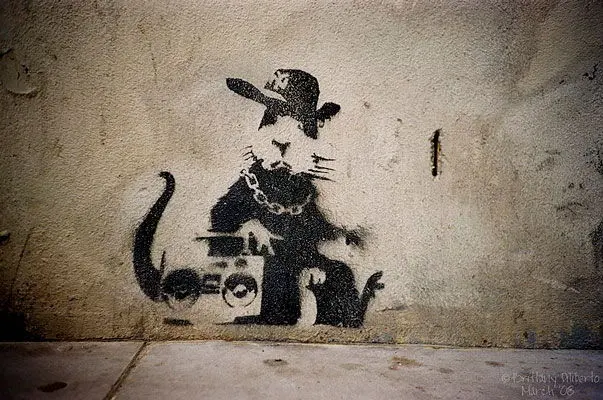
Banksy is perhaps the most globally recognized figure due to his anonymous identity and satirical stencil work. Other influential artists include Shepard Fairey, known for his "Obey" campaign, and Invader, famous for his tile mosaics.
How do street artists create large-scale murals?
Artists often use a grid method to transfer small sketches onto large walls or utilize projectors at night to trace outlines. They frequently employ spray paint, rollers, and exterior-grade latex house paint for durability.
What is a "buff" in the context of street art?
A "buff" refers to the removal of graffiti or street art by city authorities or property owners, usually by painting over it. This is a constant reality for street artists, as many works are temporary by nature.
How can I start practicing street art?
Begin by practicing your designs on paper or cardboard before moving to legal walls or community-sanctioned mural spaces. Focus on mastering basic spray control and layering techniques before attempting complex, multi-colored pieces.
This answer was created with the help of AI research tools and reference sources. Spotted an error? Let us know — we correct mistakes quickly. See our editorial policy.