What is art therapy?
Short answer
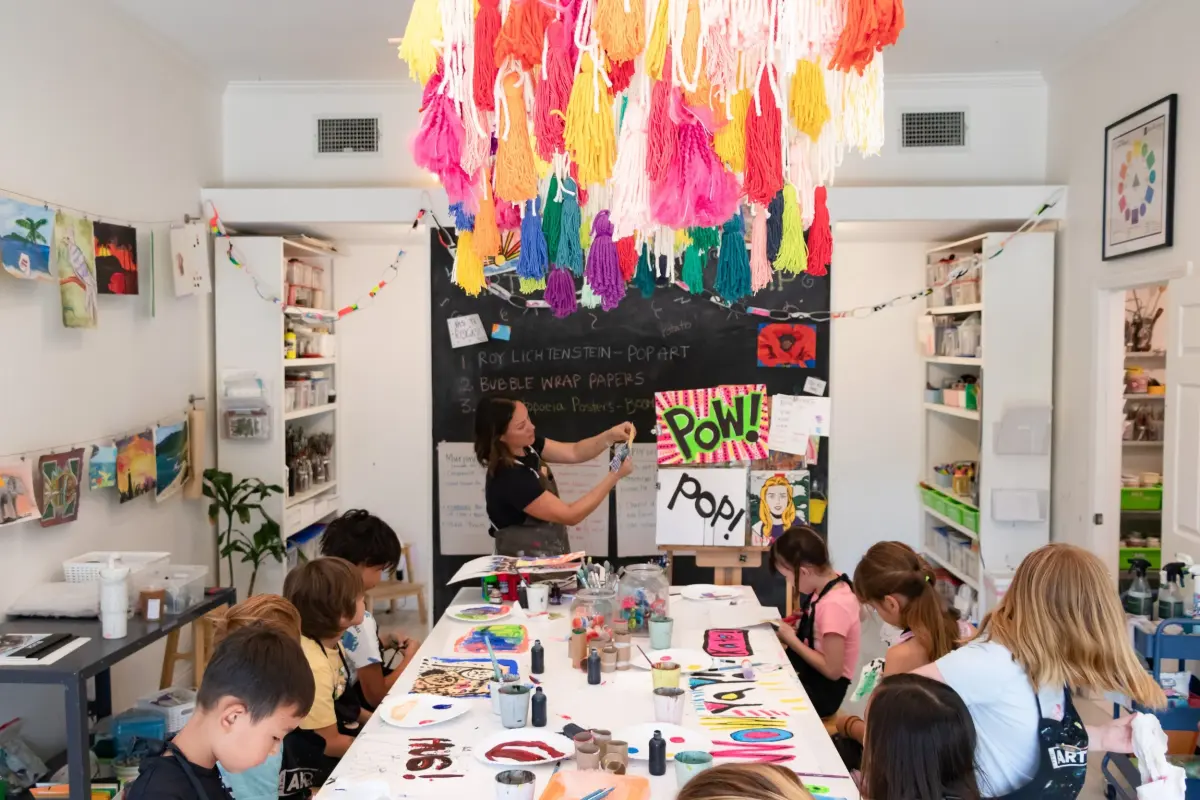
Art therapy is a professional mental health practice that uses the creative process of making art to improve physical, mental, and emotional well-being. Guided by credentialed therapists, individuals explore personal conflicts, manage stress, and increase self-awareness through various artistic mediums, regardless of their prior experience or perceived talent in the visual arts.
On this page
What is the history of art therapy?
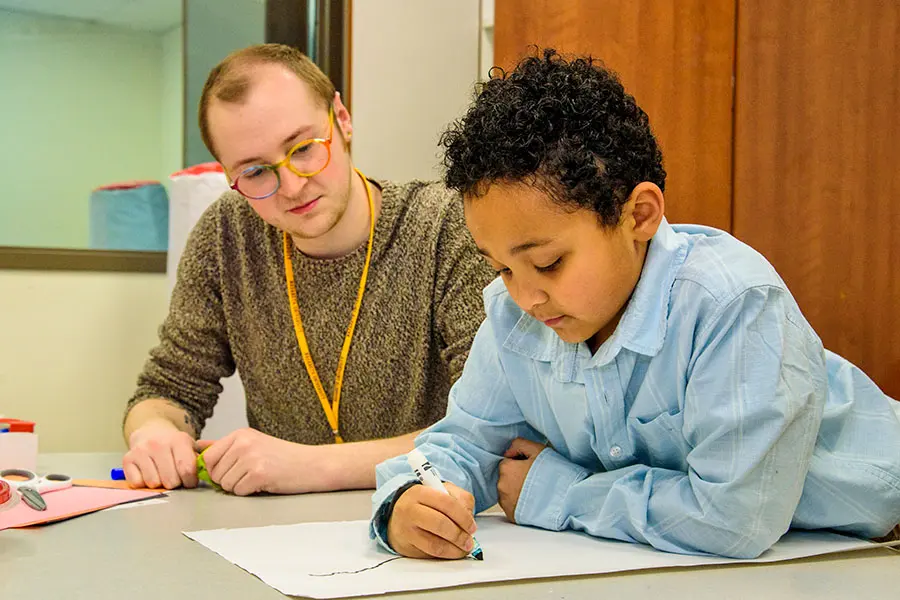
The formal discipline of art therapy emerged in the mid-20th century, though the therapeutic use of art has existed for millennia. British artist Adrian Hill coined the term "art therapy" in 1942 after observing that the act of drawing and painting helped patients in tuberculosis sanatoriums recover more quickly. He recognized that the creative process provided a necessary distraction and a way for patients to externalize their internal struggles.
In the United States, pioneers like Margaret Naumburg and Edith Kramer established the field’s theoretical foundations during the 1940s and 1950s. Naumburg, often called the mother of art therapy, focused on "dynamically oriented art therapy," which emphasizes the unconscious and the symbolic language of art. Kramer, conversely, focused on "art as therapy," believing that the creative act itself is inherently healing. Today, the field is governed by professional organizations like the American Art Therapy Association, which ensures practitioners meet rigorous educational and ethical standards.
How does art therapy work?
Art therapy operates on the principle that creative expression can bypass the limitations of verbal communication. When individuals experience trauma or intense emotional distress, the brain’s language centers may become inhibited. Engaging in tactile activities—such as painting, sculpting, or collage—allows a person to process these experiences in a non-threatening, symbolic way. The therapist then helps the client interpret the imagery, fostering insight and emotional regulation.
The process is not about creating a masterpiece or achieving aesthetic perfection. Instead, it focuses on the internal experience of the creator. By externalizing thoughts onto paper or clay, clients gain a sense of control and distance from their problems. This can be particularly effective for children who lack the vocabulary to describe their feelings, as well as adults dealing with complex grief, anxiety, or depression.
- The client selects a medium, such as watercolors, charcoal, or clay.
- The therapist provides a prompt or allows for free expression.
- The client creates artwork without judgment or pressure to perform.
- The therapist and client discuss the imagery, feelings, and memories that emerged.
What are the benefits of art therapy?
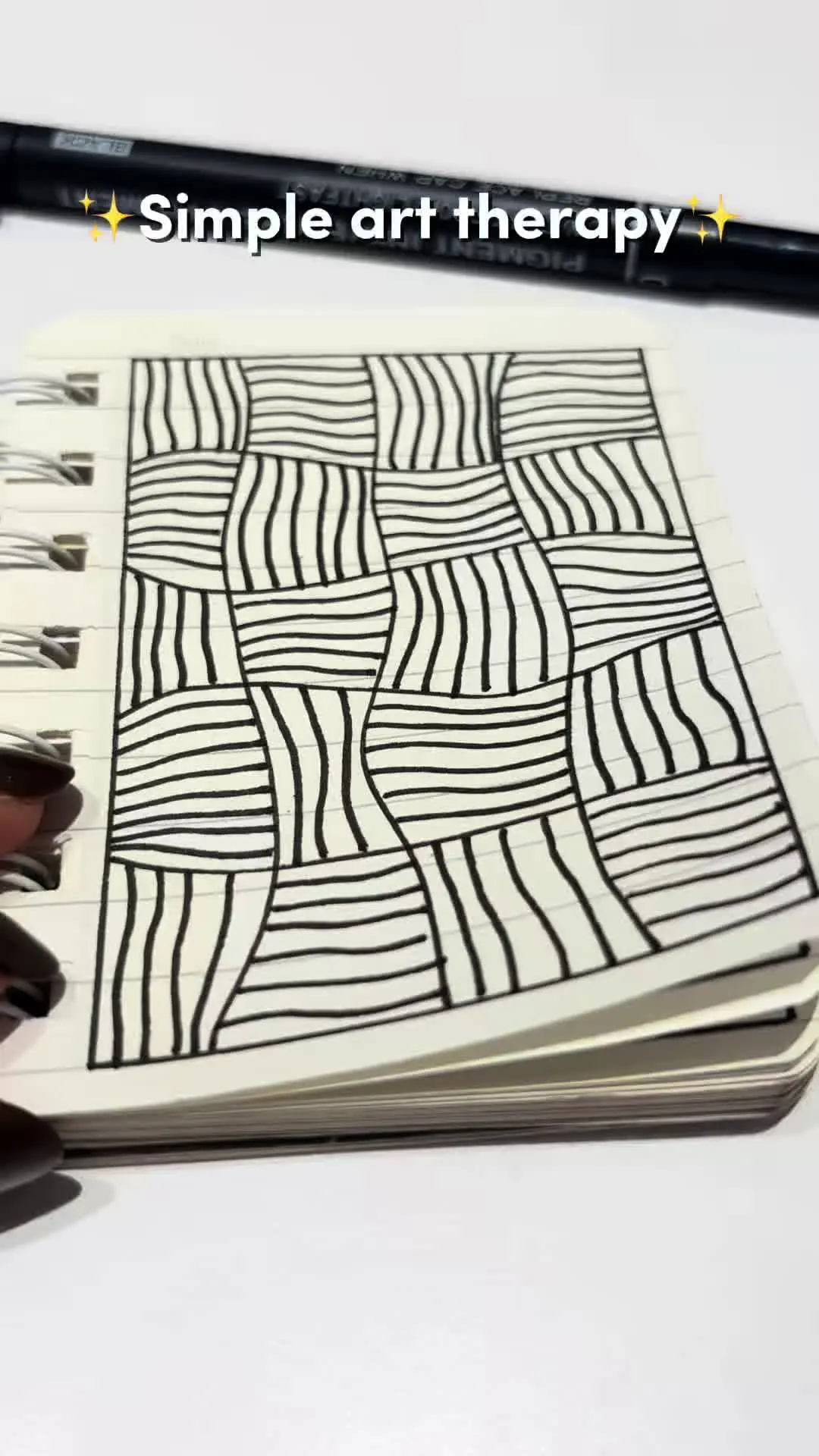
Research indicates that art therapy provides significant physiological and psychological benefits. Engaging in creative tasks can lower cortisol levels, the body’s primary stress hormone, and induce a meditative state known as "flow." This state helps quiet the mind, reducing symptoms of anxiety and improving overall mood. It is frequently used in clinical settings, including hospitals, schools, and private practices, to support diverse patient populations.
Beyond stress reduction, art therapy is a powerful tool for cognitive rehabilitation and social development. It can help individuals with dementia improve memory recall, assist veterans in processing post-traumatic stress disorder (PTSD), and aid those recovering from substance abuse. The following list highlights key areas where art therapy shows consistent success:
- Enhancing self-esteem and self-confidence through personal achievement.
- Developing coping mechanisms for managing chronic pain or illness.
- Improving social skills and communication in group therapy settings.
- Providing a safe outlet for expressing suppressed emotions or trauma.
- Increasing neurological connectivity and cognitive flexibility.
How to get started with art therapy?
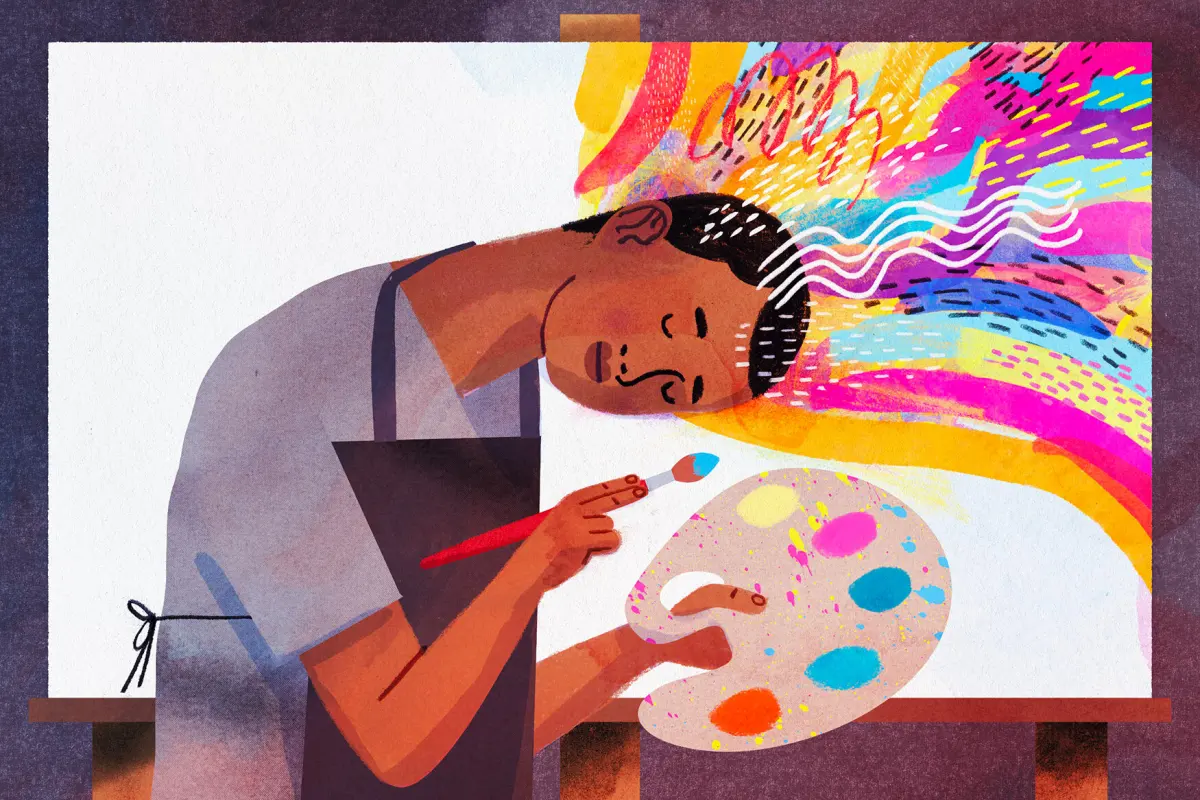
You do not need to be an artist to benefit from art therapy. The primary requirement is a willingness to engage with the materials and an openness to the process. If you are interested in starting, it is best to seek out a board-certified art therapist. These professionals hold master’s degrees and have completed clinical hours, ensuring they can safely navigate the psychological material that may arise during sessions.
If you are just beginning, start by creating a "safe space" for your practice. You do not need expensive supplies; simple items like colored pencils, markers, or even magazines for collages are sufficient. The goal is to focus on the sensory experience of the materials rather than the final product. Allow yourself to make mistakes, use "ugly" colors, or simply scribble if that is what your emotions dictate. The art is simply a tool for self-discovery.
Common mistakes when practicing art therapy?
One of the most frequent mistakes beginners make is focusing on the aesthetic quality of the work. Many people feel self-conscious if their art does not look "professional," which can lead to self-censorship. This inhibits the therapeutic process, as the goal is to express true feelings rather than create a portfolio piece. Remember that the value lies in the process of making, not in the final appearance of the art.
Another common error is attempting to interpret one’s own art too strictly or negatively. It is easy to look at a dark drawing and assume it means something terrible, but art therapy is about personal meaning, not universal symbols. Avoid these pitfalls to ensure your experience remains productive:
- Judging your work as "good" or "bad" based on artistic standards.
- Trying to force an interpretation before you are ready to process it.
- Comparing your creative output to the work of other clients.
- Rushing the process to get to a "solution" or a finished picture.
- Ignoring the physical sensations that arise while you are working.
Key facts
- Art therapy is a mental health profession that uses the creative process to improve physical, mental, and emotional well-being.
- It was formally established in the 1940s by British artist Adrian Hill, who coined the term while recovering from tuberculosis.
- Practitioners must hold a master’s degree in art therapy or a related field to obtain professional board certification.
- Sessions use various media, including painting, drawing, sculpture, and collage, to help clients express feelings that are difficult to verbalize.
- The primary focus is on the therapeutic process of creation rather than the aesthetic quality or artistic skill of the final product.
- Common settings for art therapy include hospitals, schools, private practices, rehabilitation centers, and community mental health clinics.
The bottom line
Art therapy serves as a powerful bridge between the creative mind and emotional health. By utilizing art-making as a non-verbal language, it allows individuals to explore their inner world, process trauma, and reduce stress in a safe environment. Whether you are seeking personal growth or clinical support, this practice emphasizes the healing power of creation, proving that the process of making art is often more significant than the result.
People also ask
Do I need to be an artist to benefit from art therapy?
No artistic talent or prior experience is required to participate in art therapy. The goal is self-expression and personal growth, not creating a masterpiece for display.
How is art therapy different from a regular art class?
An art class focuses on teaching techniques and producing a finished product. Art therapy focuses on the internal experience, emotions, and personal insights gained during the creative process.
What specific conditions can art therapy help treat?
It is used to support individuals dealing with anxiety, depression, trauma, PTSD, grief, and chronic illness. It is also effective for children with developmental challenges and adults navigating life transitions.
Can art therapy be done at home?
While self-guided creative activities can be relaxing, true art therapy requires a trained professional to facilitate the process. A therapist provides the necessary psychological framework and safety to process complex emotions.
What should I avoid when starting an art therapy session?
Avoid judging your own work or worrying about how it looks to others. A common mistake is trying to "get it right" rather than allowing your subconscious to guide the materials.
How long does it take to see results from art therapy?
The timeline varies significantly depending on individual needs and goals. Some people feel relief after a few sessions, while others engage in long-term therapy to address deep-seated emotional patterns.
This answer was created with the help of AI research tools and reference sources. Spotted an error? Let us know — we correct mistakes quickly. See our editorial policy.