What is abstract art?
Short answer
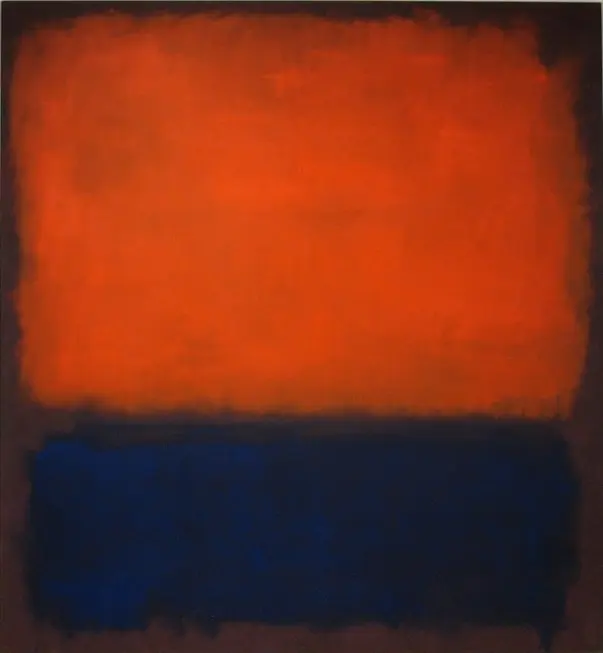
Abstract art is a style that departs from accurate representation of the physical world. Instead of depicting recognizable objects, it uses shapes, colors, forms, and gestural marks to achieve its effect. Its primary goal is to communicate emotional, intellectual, or spiritual concepts rather than mimicking the appearance of reality.
On this page
What is abstract art?
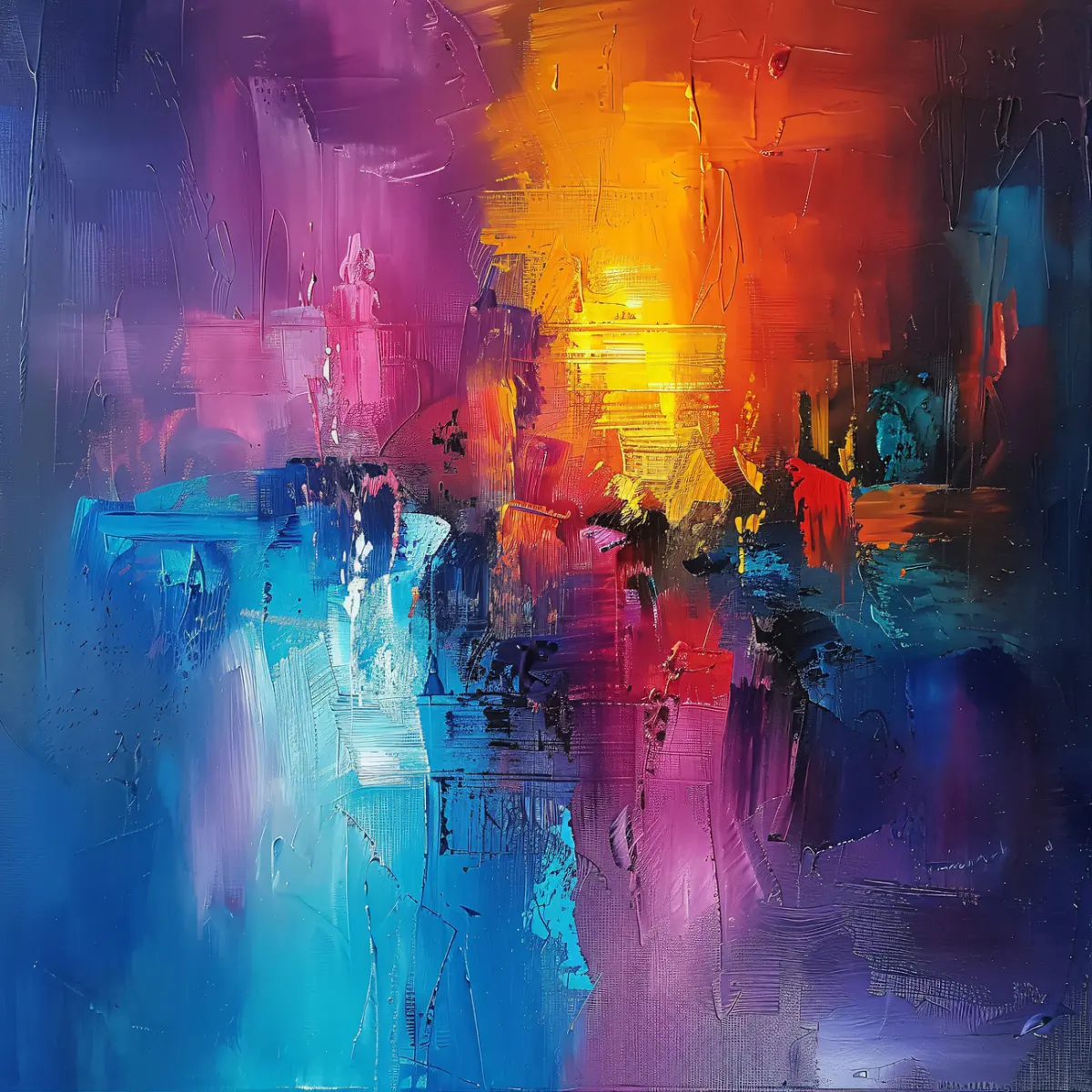
Abstract art is a broad movement that emerged in the early 20th century as artists sought to move beyond the constraints of traditional realism. Rather than painting a landscape or a portrait, an artist focuses on the fundamental components of visual language: line, shape, color, and texture. By stripping away recognizable subjects, the artist invites the viewer to engage with the work on a purely sensory or conceptual level.
This departure from reality does not mean the work is meaningless. Instead, the lack of a clear subject matter forces the viewer to find personal significance in the composition. Whether through the geometric precision of Piet Mondrian or the chaotic energy of Jackson Pollock, abstract art prioritizes the artist's internal vision over external observation. It is a language of intuition that relies on the viewer’s willingness to interpret visual cues without the guidance of a narrative or a concrete object.
How to look at abstract art
Viewing abstract art can be intimidating because there is no "correct" answer to what you are seeing. To approach a piece effectively, start by silencing the urge to identify a subject. Instead, focus on your immediate physical and emotional reaction to the canvas. Notice how the colors make you feel or how the brushwork suggests movement, tension, or calm.
If you find yourself struggling to connect with a piece, consider these steps to deepen your engagement:
- Observe the scale of the work and how it occupies your field of vision.
- Identify the dominant colors and how they interact with one another.
- Look for repetitive patterns or deliberate disruptions in the composition.
- Ask yourself what kind of energy the marks convey, such as aggression, serenity, or playfulness.
- Spend at least three minutes standing in front of the piece before moving on.
Why abstract art matters
The rise of abstraction marked a pivotal shift in human history, occurring roughly between 1910 and 1920. Pioneers like Wassily Kandinsky, who is often credited with creating the first purely abstract watercolor in 1910, believed that art should function like music. Just as a symphony does not need words to evoke a mood, a painting should not need a subject to convey profound meaning. This shift liberated artists from the obligation to document history or nature.
Abstraction also mirrored the rapid changes of the industrial age. As photography became the primary tool for recording reality, painters were freed to explore the unseen aspects of the human experience. This movement paved the way for later styles like Abstract Expressionism, Minimalism, and Color Field painting. By prioritizing the "how" of painting over the "what," abstract art expanded the definition of creativity and challenged the public to reconsider the purpose of visual expression in modern society.
Common mistakes when viewing abstract art
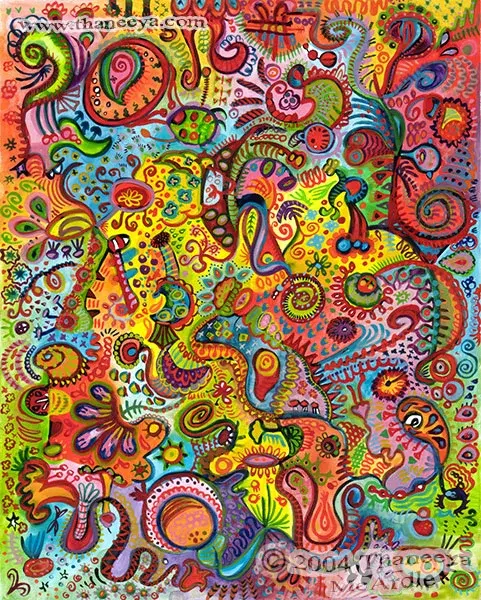
A frequent error is the assumption that abstract art is easy to create or that it lacks technical skill. Because the work does not resemble a photograph, viewers often dismiss it as "something a child could do." This overlooks the years of training and the deliberate compositional choices required to balance a canvas effectively. Dismissing a work based on its lack of realism prevents you from appreciating the artist's intent and technical execution.
Another common mistake is trying to "solve" the painting like a puzzle. When viewers search for a hidden meaning or a secret code, they often miss the aesthetic experience entirely. To avoid these pitfalls, keep the following in mind:
- Avoid comparing the work to real-world objects, as this limits your perception.
- Do not feel obligated to like every piece; personal taste still applies.
- Stop looking for a "message" and start looking for a "feeling."
- Resist the urge to read the title before you have formed your own impression.
How to start collecting abstract art
If you wish to begin a collection, start by visiting local galleries and art fairs to identify which styles resonate with you. Abstract art is diverse, ranging from the rigid geometry of Constructivism to the fluid, organic shapes of Lyrical Abstraction. Familiarize yourself with these sub-genres to understand your own preferences. Researching the artist's process can also provide valuable context, as understanding the effort behind a piece often increases its perceived value.
When purchasing, prioritize how the work fits into your personal environment. Because abstract art lacks a subject, it often functions as a powerful atmospheric element in a room. Consider the following criteria when evaluating a potential purchase:
- Does the color palette complement or contrast with your space in a way you enjoy?
- Is the texture of the paint or the quality of the materials consistent with your standards?
- Does the work hold your attention over time, or does it become visually tiresome?
- Is the artist established, or are you supporting an emerging talent with potential for growth?
By focusing on these practical aspects, you can build a meaningful collection that reflects your unique aesthetic sensibilities.
Key facts
- Abstract art does not attempt to represent an accurate depiction of visual reality, instead using shapes, colors, and forms to achieve its effect.
- Wassily Kandinsky is widely considered the pioneer of abstract art, having produced his first purely non-objective watercolor around 1910.
- The movement gained significant momentum after World War I, as artists sought new ways to express the trauma and complexity of the modern world.
- To appreciate abstract art, focus on your emotional response to the composition rather than searching for a literal subject or narrative.
- When creating abstract art, avoid over-planning; instead, experiment with layering textures and contrasting colors to build visual depth.
- A common mistake is assuming that because a work is abstract, it lacks technical skill or intentionality, when in fact it requires deep mastery of composition.
The bottom line
Abstract art is a transformative movement that prioritizes emotional expression and visual harmony over literal representation. By moving away from the constraints of the physical world, artists open a dialogue between the viewer’s intuition and the canvas. Whether you are observing a masterpiece or creating your own, remember that the true value lies in the unique connection you form with the work's colors and shapes.
People also ask
Is abstract art the same as non-objective art?
While often used interchangeably, non-objective art is a subcategory of abstraction that contains no reference to the physical world at all. Abstract art may still be derived from a real-world subject that has been simplified or distorted.
Why do some abstract paintings look like simple splashes of paint?
These works, often associated with Abstract Expressionism, prioritize the physical act of painting and the raw energy of the artist. The focus is on the gesture and the material qualities of the medium rather than a finished representative image.
How can I tell if an abstract painting is "good"?
Quality is often measured by the artist’s balance of elements like color, line, and space. If the composition feels intentional and creates a cohesive visual experience that engages the viewer, it is generally considered successful.
Does abstract art require a deep knowledge of history to enjoy?
No, you do not need formal training to appreciate abstract art. It is designed to be a subjective experience, meaning your personal reaction and interpretation are just as valid as those of an art critic.
Why is abstract art often so expensive?
Pricing is determined by the artist’s historical significance, the rarity of the piece, and the demand within the global art market. Established masters like Mark Rothko or Jackson Pollock command high prices due to their foundational role in 20th-century art.
Can I hang abstract art in any room?
Yes, abstract art is highly versatile because it lacks specific subject matter that might clash with a room's theme. Its reliance on color and form allows it to complement various interior design styles, from minimalist to traditional.
This answer was created with the help of AI research tools and reference sources. Spotted an error? Let us know — we correct mistakes quickly. See our editorial policy.