What is Krita?
Short answer
Krita is a free and open-source professional painting program designed primarily for digital artists, illustrators, and concept artists. Developed by the Krita Foundation, it provides a comprehensive suite of tools for sketching, painting, and animation. It runs on Windows, macOS, and Linux, offering a robust alternative to expensive industry-standard software.
On this page
What is Krita used for?
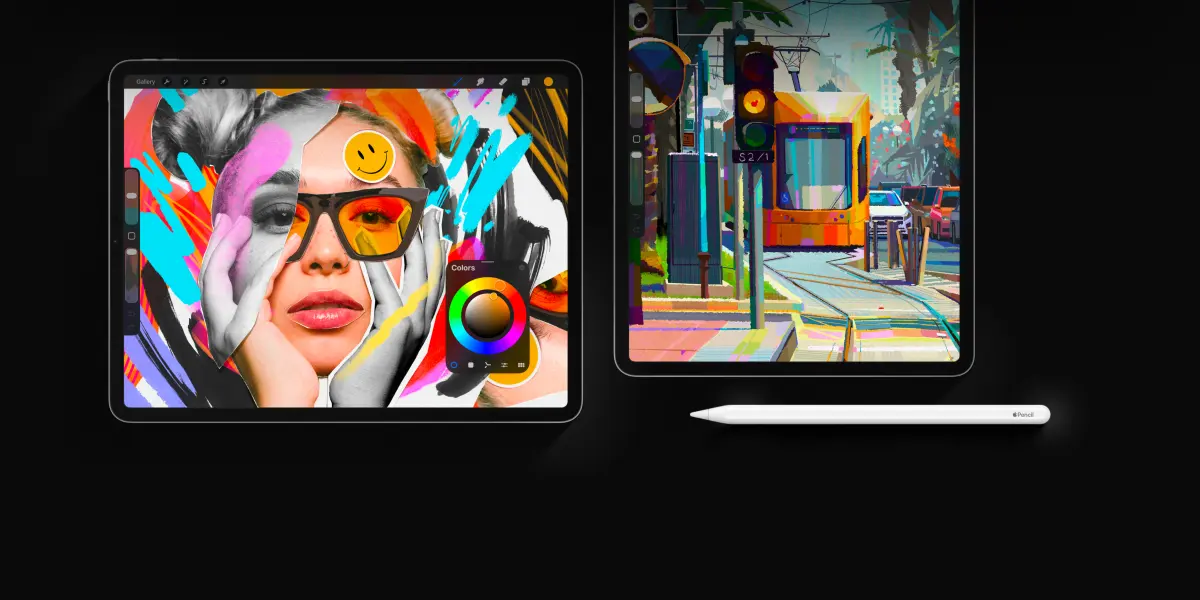
Krita is a versatile raster graphics editor built to support the workflow of professional digital painters. While it excels at illustration and concept art, it also includes dedicated features for 2D animation, texture creation, and matte painting. Unlike general photo editors, Krita is optimized for tablet input, providing a responsive experience for artists who use pressure-sensitive styluses.
The software supports a wide range of color spaces, including CMYK for print and HDR for high-end display work. It features an advanced brush engine that allows users to create custom brushes, textures, and patterns. Because it is open-source, it has become a staple for artists who prioritize community-driven development and software freedom. The platform is frequently updated, ensuring it stays compatible with modern hardware and evolving artistic standards.
How to get started with Krita
To begin using Krita, you should first download the official version from the project's website to ensure you have the latest stable release. Once installed, the interface can be customized to suit your specific monitor size and workflow preferences. Beginners should focus on learning the basic brush presets and the layer system before diving into more complex tools.
- Install the latest version from the Krita website.
- Connect your drawing tablet and calibrate the pressure sensitivity in the settings menu.
- Open a new document and experiment with the "Basic-5 Size" brush to feel the pen response.
- Create a new layer for your sketch and another for your colors to keep your work organized.
- Save your file in the native .kra format to preserve all layer data and settings.
Why use Krita for digital art?
Krita stands out because it offers professional-grade features without a subscription fee or licensing costs. It includes non-destructive editing tools like adjustment layers and filter masks, which allow you to experiment with colors and effects without permanently altering your original artwork. The software also supports PSD files, making it easy to collaborate with artists using other industry-standard applications.
The community support is another major advantage for new users. Because the software is open-source, there is an extensive library of free brush packs, tutorials, and user-created plugins available online. This ecosystem allows artists to tailor the software to their exact needs, whether they are working on comic books, character designs, or complex digital paintings. The lack of a paywall lowers the barrier to entry for students and hobbyists.
Common mistakes when using Krita
One of the most frequent errors beginners make is working on a single layer for the entire project. This makes it impossible to adjust specific elements, such as changing the background color or moving a character, without affecting the rest of the image. Always separate your sketch, line art, flat colors, and shading onto different layers to maintain full control over your composition.
Another common mistake involves ignoring the pressure sensitivity settings. If your brush strokes feel inconsistent or do not react to how hard you press, check your tablet driver settings and the Krita brush stabilizer options. Additionally, failing to save your work frequently in the native format can lead to data loss. While Krita has an auto-save feature, manual saving remains the best practice for protecting your progress during long painting sessions.
How to optimize Krita performance
Performance issues can occasionally occur when working on very large canvases with hundreds of layers. To keep the software running smoothly, you should adjust the memory usage settings in the preferences menu. Increasing the RAM allocation allows Krita to handle complex brush strokes and high-resolution files more efficiently. You can also disable unnecessary features like high-quality canvas scaling if you notice input lag.
- Go to Settings, then Configure Krita, and select the Performance tab.
- Increase the "Memory Limit" to match your system's available RAM.
- Use the "Internal Texture Cache" to speed up brush rendering on large files.
- Regularly clear your temporary files folder to free up disk space.
- Keep your graphics card drivers updated to ensure the canvas rendering engine functions correctly.
By following these configuration steps, you can ensure that your artistic process remains fluid and uninterrupted, even when working on professional-grade illustrations that require significant computational power. Consistent maintenance of these settings will help you maintain a professional workflow throughout your creative journey.
Key facts
- Krita is a free, open-source professional painting program developed by the Krita Foundation.
- It was first released in 2005 as part of the KOffice suite before becoming a standalone application.
- The software supports Windows, macOS, and Linux operating systems with full tablet pressure sensitivity.
- It features a non-destructive editing workflow using layers, masks, and filters to protect original artwork.
- Users can customize the interface, create unique brush engines, and import external brush packs.
- The program is primarily designed for digital illustrators, concept artists, and 2D animators.
The bottom line
Krita stands as a premier choice for digital artists seeking a professional-grade painting environment without the burden of subscription costs. By combining a flexible, customizable interface with powerful tools for illustration and animation, it empowers creators to produce high-quality work efficiently. Whether you are a hobbyist or a working professional, Krita provides the essential features needed to bring complex visual concepts to life on screen.
People also ask
Is Krita completely free to use for commercial work?
Yes, Krita is released under the GNU General Public License, meaning you own everything you create with it. You can use the software for professional projects, commissions, or commercial products without paying any licensing fees.
Does Krita support Photoshop files?
Krita has excellent support for the PSD file format, allowing you to open and save files that maintain layer structures. However, complex layer effects or specific blending modes may not always translate perfectly between the two programs.
Can I use Krita for photo editing?
While Krita is built for painting, it includes tools for color correction, cropping, and basic image manipulation. It is not a direct replacement for dedicated photo editors like GIMP or Photoshop, but it works for quick touch-ups.
What hardware do I need to run Krita smoothly?
You need at least 4GB of RAM, though 8GB or more is recommended for working with large canvases. A dedicated graphics tablet, such as those from Wacom or Huion, is essential for utilizing pressure sensitivity.
How do I install custom brushes in Krita?
You can import brushes by opening the "Resources" menu and selecting "Import Resources." Locate your .bundle or .kpp file, click open, and the new brushes will appear in your brush presets panel.
Is Krita suitable for beginners?
Krita has a steep learning curve due to its extensive feature set, but it is highly accessible through free online tutorials. Beginners should start by mastering the basic brush engine and layer system before exploring advanced animation tools.
This answer was created with the help of AI research tools and reference sources. Spotted an error? Let us know — we correct mistakes quickly. See our editorial policy.