What does a sun tattoo mean?
Short answer
A sun tattoo typically symbolizes life, energy, power, and rebirth. Across diverse cultures, it represents the light that dispels darkness, vitality, and the cyclical nature of existence. Whether depicted as a simple circle or an intricate celestial design, it serves as a personal emblem of optimism, enlightenment, and enduring inner strength.
On this page
What does a sun tattoo symbolize?
The sun is one of the most enduring symbols in human history, appearing in art and mythology for millennia. At its core, a sun tattoo represents the life-giving force of the universe. It is frequently associated with masculinity, authority, and the divine. Because the sun rises every morning, it also serves as a powerful metaphor for rebirth, resilience, and the promise of a fresh start after difficult times.
Many people choose this design to represent personal enlightenment or the pursuit of truth. In various indigenous traditions, the sun is seen as a protector that guides the soul and provides clarity. Whether you are looking to commemorate a personal transformation or simply celebrate the vitality of life, the sun remains a versatile and deeply meaningful choice for body art.
How to choose a sun tattoo design
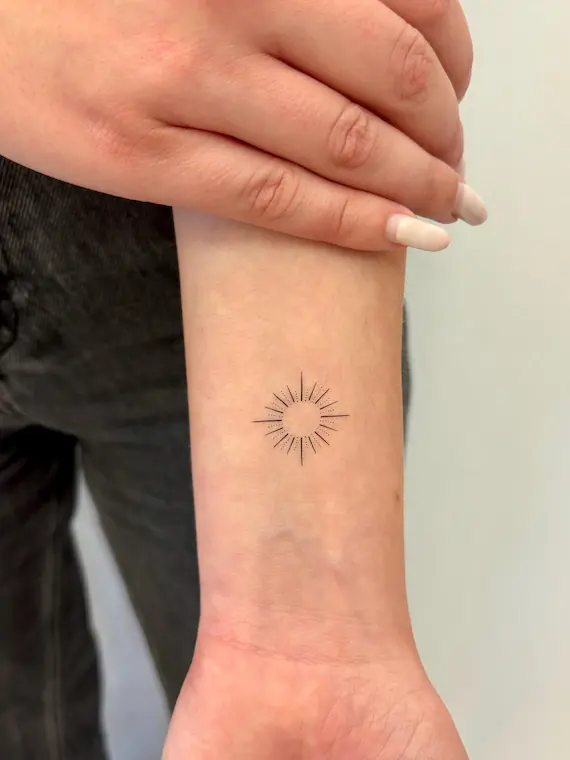
Selecting the right design involves balancing personal preference with artistic style. You might consider how the sun interacts with other elements, such as waves, mountains, or geometric patterns. Minimalist designs, such as a simple outlined circle or a small dot-work sun, are popular for their subtlety. Conversely, traditional or neo-traditional styles often feature bold lines and vibrant colors, emphasizing the sun's fiery nature.
When planning your tattoo, consider the following common design variations:
- Tribal suns: Often featuring sharp, bold points and intricate patterns rooted in Polynesian or Celtic traditions.
- Realistic suns: Detailed renderings that mimic the actual surface of the star, often including solar flares.
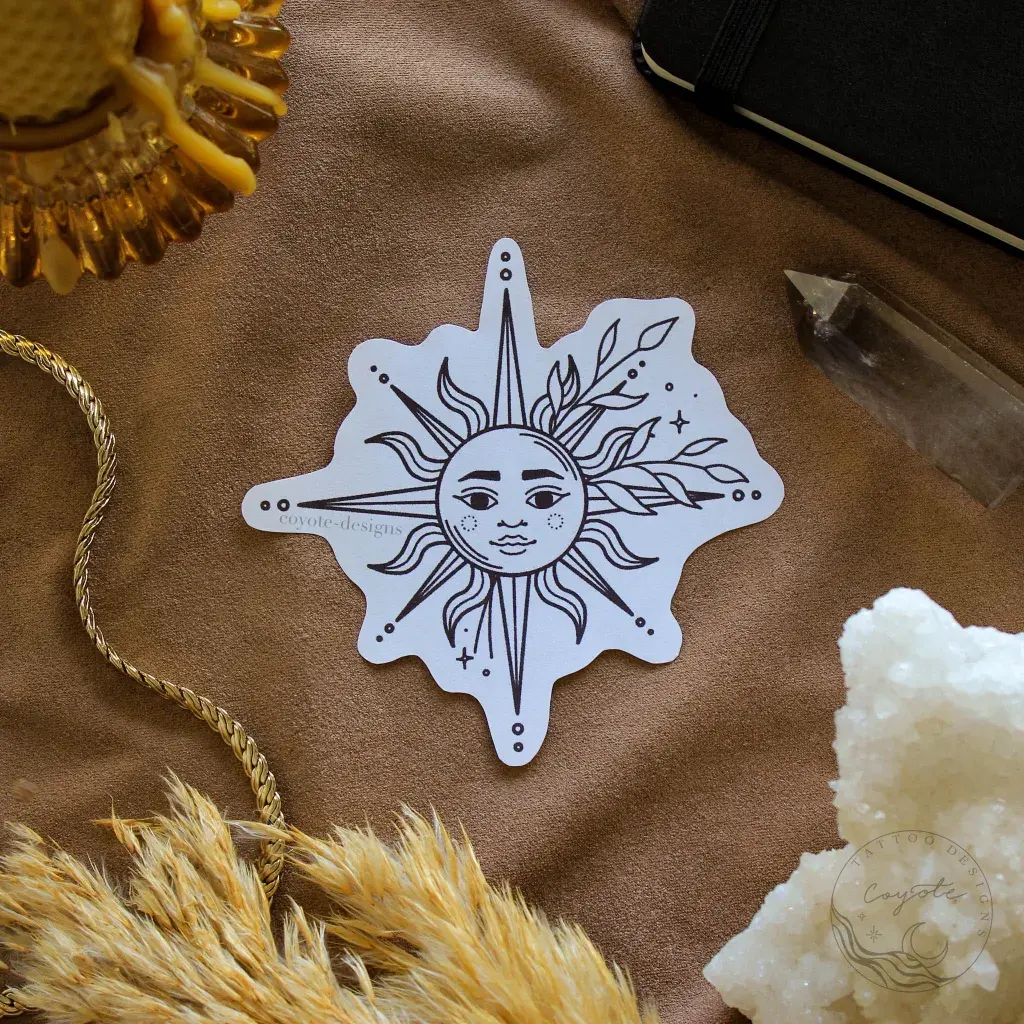
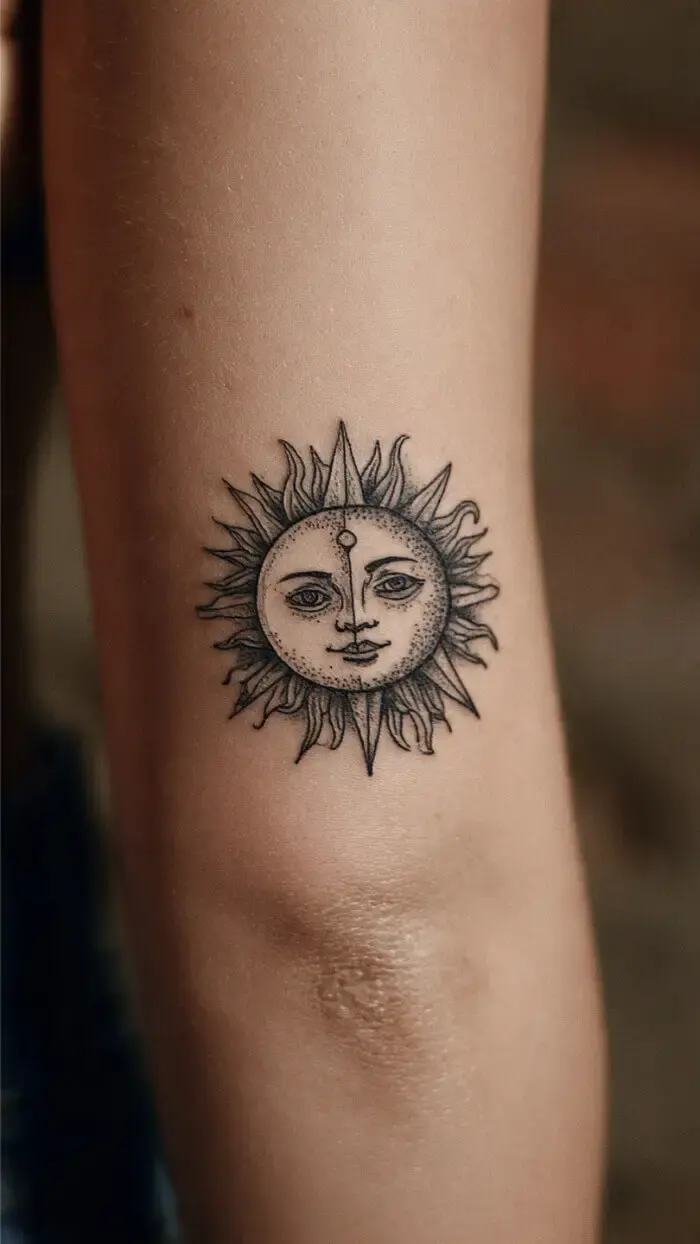
- Celestial suns: Designs that incorporate a face within the sun, a classic motif seen in historical European woodcuts.
- Geometric suns: Modern interpretations using precise lines, mandalas, or sacred geometry to create a balanced aesthetic.
Where to place a sun tattoo
Placement is a critical factor that influences both the visual impact and the longevity of your tattoo. Smaller, circular designs often work well on areas with flatter skin surfaces, such as the inner wrist, the back of the neck, or the ankle. Larger, more detailed pieces with radiating rays are better suited for broader canvases like the shoulder blade, the upper chest, or the calf muscle.
Consider these factors when deciding on your placement:
- Visibility: Decide if you want the tattoo to be easily hidden or prominently displayed in professional or social settings.
- Pain levels: Areas with less muscle or fat padding, such as the ribs or collarbone, are generally more sensitive during the tattooing process.
- Skin distortion: Areas that experience significant stretching or weight fluctuation, such as the stomach, may cause the design to warp over time.
- Sun exposure: Tattoos on areas frequently exposed to the sun, like the forearms, will require diligent sunscreen application to prevent fading.
Common mistakes when getting a sun tattoo
One of the most frequent errors is failing to research the artist’s specific style. Not every tattooist excels at fine-line work or complex shading, so review their portfolio carefully before booking an appointment. Another mistake is choosing a design that is too small for the level of detail requested. Over time, ink spreads slightly under the skin; if a design is too cramped, the lines may blur, losing the definition of the sun's rays.
Avoid these common pitfalls to ensure a high-quality result:
- Ignoring the healing process: Failing to follow your artist’s aftercare instructions can lead to infection or patchy ink.
- Rushing the design phase: Do not settle for a generic template; take the time to customize the sun to reflect your personal story.
- Neglecting color saturation: If you choose a colored sun, ensure the artist uses high-quality pigments to prevent the yellow or orange tones from fading prematurely.
- Disregarding scale: Ensure the size of the tattoo is proportional to the body part where it is placed to maintain aesthetic balance.
How to care for a new sun tattoo
Proper aftercare is essential for maintaining the vibrancy and clarity of your tattoo. For the first few days, keep the area clean and covered with a thin layer of recommended ointment. Avoid submerging the tattoo in water, such as swimming pools or hot tubs, until it has fully healed, which typically takes two to four weeks. During the healing process, the skin will likely scab and peel; it is vital that you do not pick at these flakes.
Once the tattoo is healed, you must protect it from environmental damage to keep the design sharp. UV radiation is the primary enemy of tattoo ink, causing it to break down and fade over time. Always apply a high-SPF sunscreen over your tattoo whenever you are outdoors, even on cloudy days. By maintaining a consistent moisturizing routine and shielding the ink from excessive sunlight, you ensure that your sun tattoo remains a bright and meaningful symbol for many years to come.
Key facts
- Sun tattoos historically symbolize life, vitality, energy, and the cyclical nature of existence across diverse cultures.
- Ancient Egyptian iconography often associated the sun with Ra, representing supreme power, creation, and divine light.
- In many traditions, the sun represents masculine energy or the "yang" principle, balancing the moon's feminine "yin."
- Placement on the chest or upper back is common to signify the heart and the core of one's personal strength.
- Before getting a sun tattoo, research specific cultural symbols like the Aztec sun stone or Celtic sun knots to ensure the design matches your intent.
- Avoid placing highly detailed sun designs in areas with thin skin or high friction, such as the fingers or feet, as ink fades faster in these spots.
The bottom line
A sun tattoo serves as a timeless emblem of vitality, enlightenment, and the enduring power of life. Whether you prefer a minimalist design or a complex, culturally inspired piece, the sun remains a versatile choice for personal expression. By choosing a reputable artist and carefully considering the placement and symbolism, you can ensure your tattoo remains a meaningful and visually striking reflection of your values.
People also ask
Do sun tattoos have a specific religious meaning?
Many sun tattoos are rooted in ancient religious practices, such as those honoring the Greek god Apollo or the Japanese sun goddess Amaterasu. While they hold deep spiritual significance for some, others choose them purely for their aesthetic appeal or as a secular representation of optimism.
What is the difference between a tribal sun and a realistic sun tattoo?
Tribal sun tattoos typically feature bold, geometric lines and black ink, often drawing from Polynesian or Aztec artistic traditions. Realistic sun tattoos utilize shading and color gradients to mimic the actual appearance of the sun, focusing on light, heat, and atmospheric depth.
Does the size of a sun tattoo change its meaning?
Generally, the size does not fundamentally alter the meaning, but it does affect the visibility and impact of the design. A small, minimalist sun on the wrist often represents a subtle reminder of positivity, while a large, intricate piece on the back can serve as a bold statement of power.
Can a sun tattoo be combined with other symbols?
Yes, the sun is frequently paired with the moon to symbolize the balance of opposites, such as day and night or masculine and feminine energy. Other common pairings include flowers to represent growth or mountains to signify stability and grounding.
How do I choose the right artist for a sun tattoo?
Look for an artist whose portfolio features clean linework and consistent shading, especially if you want a geometric or realistic design. Check their social media or website to see healed photos of their work, as this confirms how their tattoos age over time.
Are sun tattoos considered "bad luck" in any cultures?
There is no universal consensus that sun tattoos are bad luck, as the sun is almost universally viewed as a life-giving force. However, individuals should be mindful of cultural appropriation when using specific sacred symbols from indigenous traditions that may have strict protocols for use.
This answer was created with the help of AI research tools and reference sources. Spotted an error? Let us know — we correct mistakes quickly. See our editorial policy.