What does a lion tattoo mean?
Short answer
A lion tattoo typically symbolizes courage, strength, royalty, and protection. As the "king of the jungle," the lion represents leadership and dominance in many cultures. People often choose this design to commemorate personal resilience, honor their zodiac sign, Leo, or reflect a connection to spiritual or cultural heritage involving feline symbolism.
On this page
What do lion tattoos represent historically?
The lion has held a prominent place in human iconography for millennia, serving as a universal symbol of power and authority. In ancient Egypt, the lioness Sekhmet represented war and healing, while the Sphinx blended human intelligence with feline strength. These historical associations established the lion as a guardian figure, a motif that persists in modern tattoo art today.
Beyond ancient civilizations, the lion appears frequently in heraldry and religious texts. In Christian iconography, the lion is often linked to the Resurrection or the strength of Saint Mark. In Buddhist traditions, the animal represents the protector of the dharma and the royalty of the Buddha. Choosing a lion tattoo often connects the wearer to these deep-seated archetypes of nobility, fearlessness, and divine protection, grounding the design in centuries of cultural significance.
How to choose a lion tattoo style?
Selecting the right artistic style is crucial for ensuring your lion tattoo matches your personal aesthetic. Because lions are highly detailed animals, the style dictates how the final piece will age and appear on your skin. Consider these popular options:
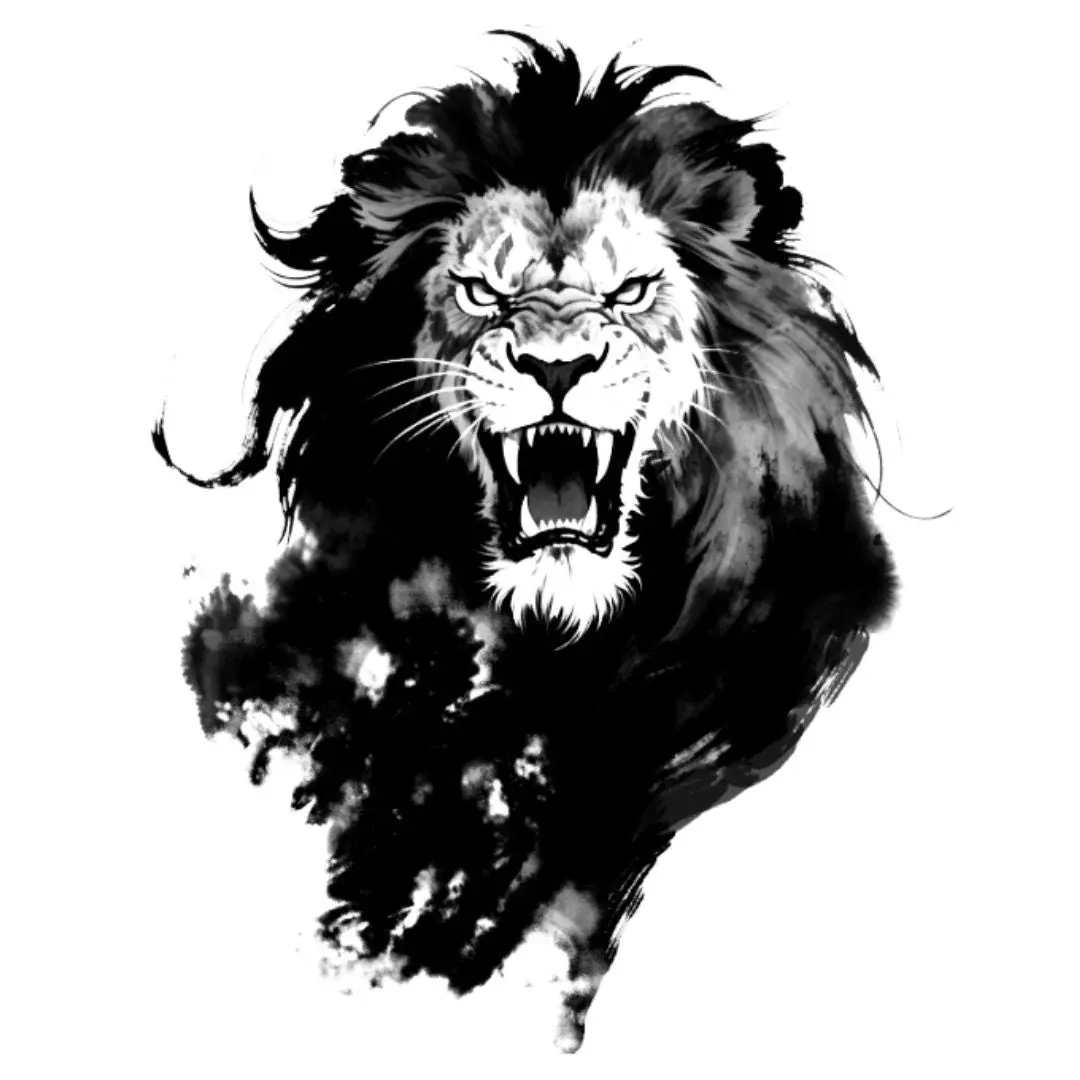
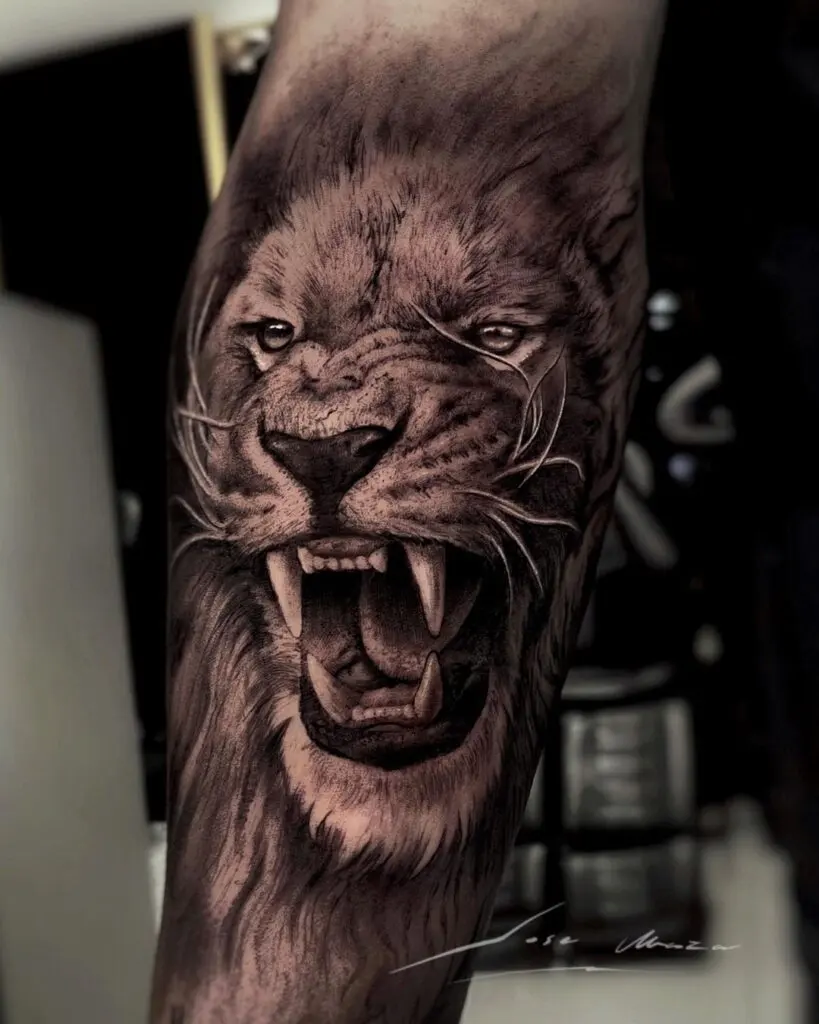
- Realism: Focuses on photographic accuracy, capturing fur texture and intense eye detail.
- Geometric: Uses sharp lines and mathematical shapes to create a modern, abstract version of the lion.
- Neo-traditional: Features bold lines and a vibrant color palette, often incorporating floral or crown elements.
- Minimalist: Uses simple line work to suggest the shape of a lion, perfect for smaller placements.
When deciding, look at portfolios of artists who specialize in your chosen style. A realism artist may not be the best choice for a geometric design, so prioritize technical expertise in the specific aesthetic you desire.
Where is the best place for a lion tattoo?
The placement of a lion tattoo significantly impacts how the design is perceived and how well it heals. Large, intricate designs require ample surface area to maintain detail over time. Popular placements include:
- Upper back or chest: Provides a broad canvas for detailed, large-scale portraits.
- Forearm: Ideal for vertical, portrait-style lions that are easily visible.
- Thigh: Offers a large, flat space that minimizes distortion during movement.
- Shoulder blade: Works well for circular or crest-style designs.
Avoid placing highly detailed lion faces on areas with thin skin or high friction, such as the fingers, feet, or elbows. These areas are prone to faster ink fading and "blowouts," where the ink spreads under the skin. Consult with your artist about how your chosen placement will interact with your body's natural contours.
Common mistakes when getting a lion tattoo
Many people rush into a lion tattoo without considering the long-term implications of the design. One of the most frequent errors is choosing a design that is too small for the level of detail requested. A lion’s mane and facial features require space; if the tattoo is shrunken down, the lines will eventually blur together as the ink settles, turning a majestic portrait into an unrecognizable smudge.
Another common mistake is neglecting the importance of contrast. A high-quality lion tattoo relies on the interplay between deep shadows and highlights to create depth. If the shading is too light or lacks sufficient contrast, the tattoo will appear flat and lose its impact after the first few years. Always ensure your artist uses a full range of ink tones, from deep blacks to soft grays, to ensure the lion retains its lifelike intensity.
How to care for your new lion tattoo
Proper aftercare is the final step in ensuring your lion tattoo remains a sharp, vibrant piece of art. The healing process typically takes two to four weeks, during which the skin is highly susceptible to infection and color loss. Following a strict routine will preserve the integrity of the lines and the richness of the shading.
- Gently wash the tattoo with fragrance-free, antibacterial soap twice a day.
- Apply a thin layer of recommended ointment or unscented lotion to keep the skin hydrated.
- Avoid direct sunlight, swimming, and soaking in baths until the tattoo is fully healed.
- Wear loose-fitting clothing to prevent friction against the healing skin.
If you notice excessive redness, swelling, or signs of infection, contact your tattoo artist or a medical professional immediately. By treating the tattoo with care during the initial healing phase, you ensure that the symbolism and artistry of your lion remain clear and bold for many years to come.
Key facts
- Lion tattoos historically symbolize courage, strength, and royalty across diverse cultures.
- In astrology, the lion represents the Leo zodiac sign, associated with leadership and creativity.
- Placement on the body significantly alters the design's impact, with chest and back areas allowing for large, detailed portraits.
- Geometric or minimalist lion designs are modern trends that focus on clean lines rather than realistic shading.
- Research your artist’s portfolio specifically for "realism" or "fine-line" styles before booking an appointment.
- Avoid getting a tattoo while under the influence of alcohol or blood-thinning medication to ensure proper healing.
The bottom line
A lion tattoo is a powerful emblem of courage, leadership, and personal strength that remains a staple in body art. Whether you choose a hyper-realistic portrait or a subtle geometric design, the key is selecting an artist whose portfolio matches your vision. By prioritizing professional execution and diligent aftercare, you ensure that your chosen symbol of authority remains a vibrant and meaningful part of your identity.
People also ask
Does the direction the lion is facing change the meaning?
Generally, no specific cultural rule dictates the direction of the lion. However, some people choose to face the lion toward the heart or forward to symbolize moving toward one's goals.
What is the most common style for lion tattoos?
Black and grey realism is the most popular style because it captures the intricate texture of the lion's mane and facial features. This style relies on shading to create depth and a lifelike appearance.
Are lion tattoos considered cliché?
While they are very common, they are not necessarily cliché if the design is personalized. Adding unique elements like geometric patterns, flowers, or specific cultural motifs can make a standard lion design feel original.
How much do detailed lion tattoos typically cost?
Professional tattoo artists often charge by the hour, typically ranging from $150 to $300 per hour. A large, highly detailed chest piece could take 10 to 20 hours to complete.
Can a lion tattoo represent religious beliefs?
Yes, in Christianity, the "Lion of Judah" is a prominent symbol representing Jesus Christ and strength. Many people incorporate biblical imagery alongside the lion to highlight this connection.
How do I prevent a lion tattoo from fading?
The most important step is daily sun protection, as UV rays break down tattoo ink over time. Applying high-SPF sunscreen to the healed tattoo whenever it is exposed to sunlight will keep the details sharp for years.
This answer was created with the help of AI research tools and reference sources. Spotted an error? Let us know — we correct mistakes quickly. See our editorial policy.