What is ikat?
Short answer
Ikat is a sophisticated textile dyeing technique where yarns are resist-dyed before being woven into cloth. By binding sections of thread with wax or string to prevent dye penetration, artisans create intricate, blurred patterns. This labor-intensive process is practiced globally, producing distinctive fabrics characterized by their characteristic "bleeding" or feathered edges.
On this page
What is the process of making ikat?
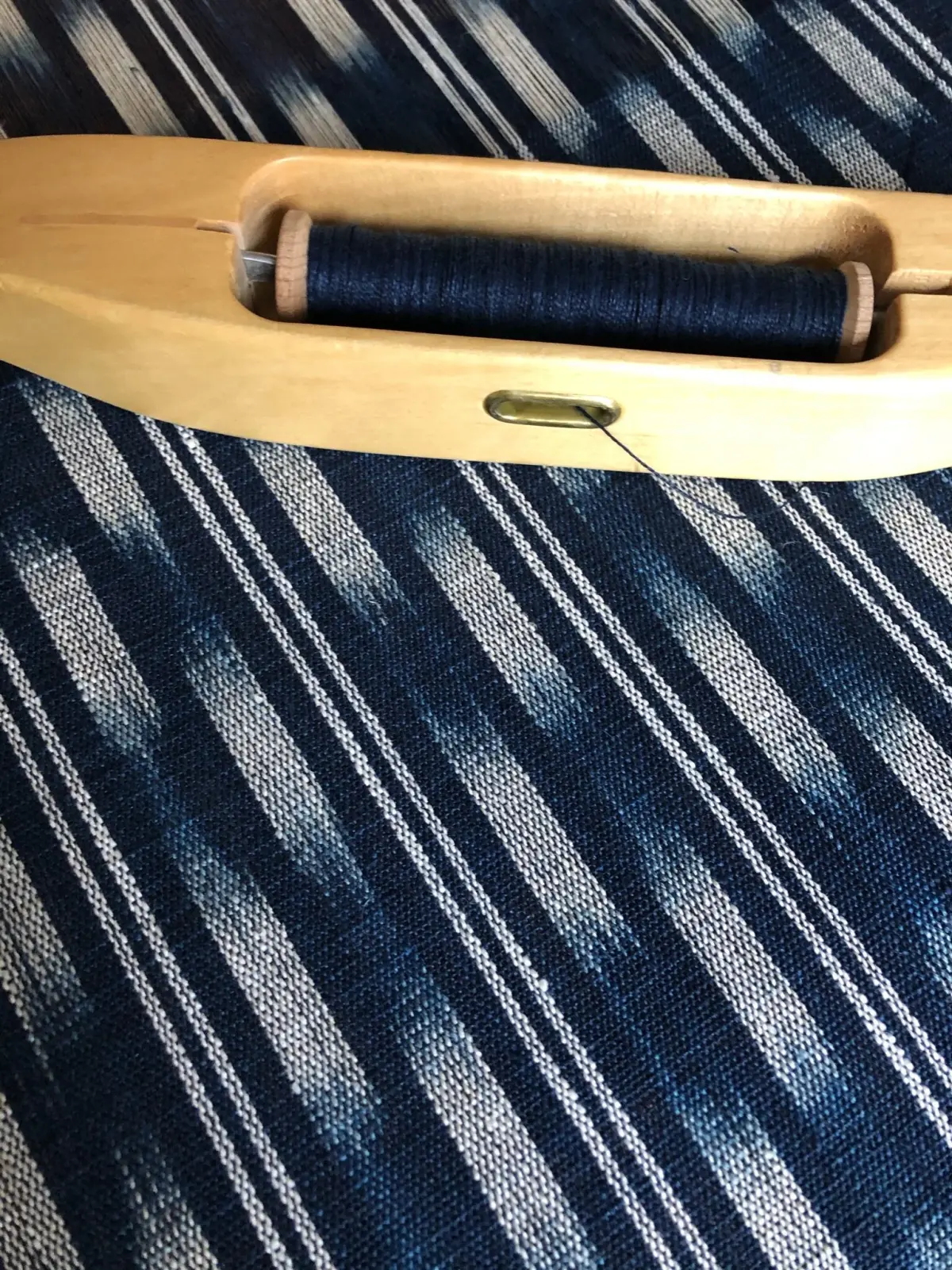
Ikat production is a meticulous craft that relies on the precision of the weaver and the dyer. The process begins with the "resist" phase, where bundles of yarn are tightly wrapped with materials like plastic strips, rubber bands, or wax to block specific areas from absorbing color. Once wrapped, the yarn is submerged in a dye bath. This cycle of binding and dyeing is repeated multiple times if the design requires multiple colors, with each subsequent layer of binding protecting the colors achieved in previous steps.
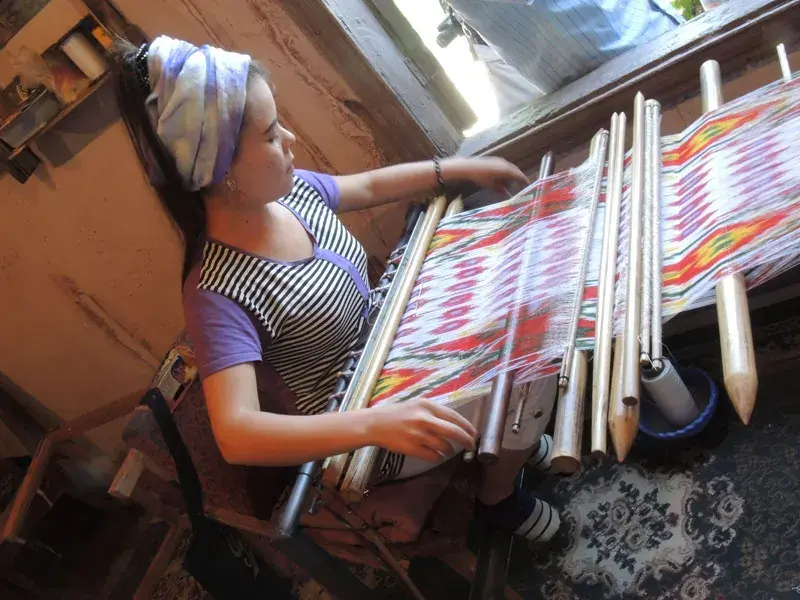
After the dyeing is complete, the bindings are removed to reveal the pattern. The weaver then carefully aligns these dyed threads on the loom. Because the pattern is created on the yarn itself rather than on the finished fabric, the weaver must adjust the tension constantly to ensure the design emerges correctly. The slight shifting of threads during this weaving phase is what gives ikat its signature soft, hazy appearance.
- Design the pattern on paper to map out the color placement.
- Prepare the warp or weft yarns by measuring them into bundles.
- Bind the yarns with resist materials to protect specific areas.
- Dye the bundles in the chosen colors, starting with the lightest shades.
- Remove the bindings and dry the yarn thoroughly.
- Mount the threads onto the loom and weave the fabric.
Where did ikat originate?
Ikat is a truly global art form, with deep historical roots in Southeast Asia, Central Asia, India, and parts of Latin America. In Indonesia, particularly on islands like Bali and Sumba, ikat is deeply intertwined with cultural identity and ceremonial life. These textiles were historically used as status symbols and ritual offerings, with specific patterns often reserved for royalty or religious functions. The word "ikat" itself is derived from the Indonesian verb "mengikat," which translates to "to tie" or "to bind."
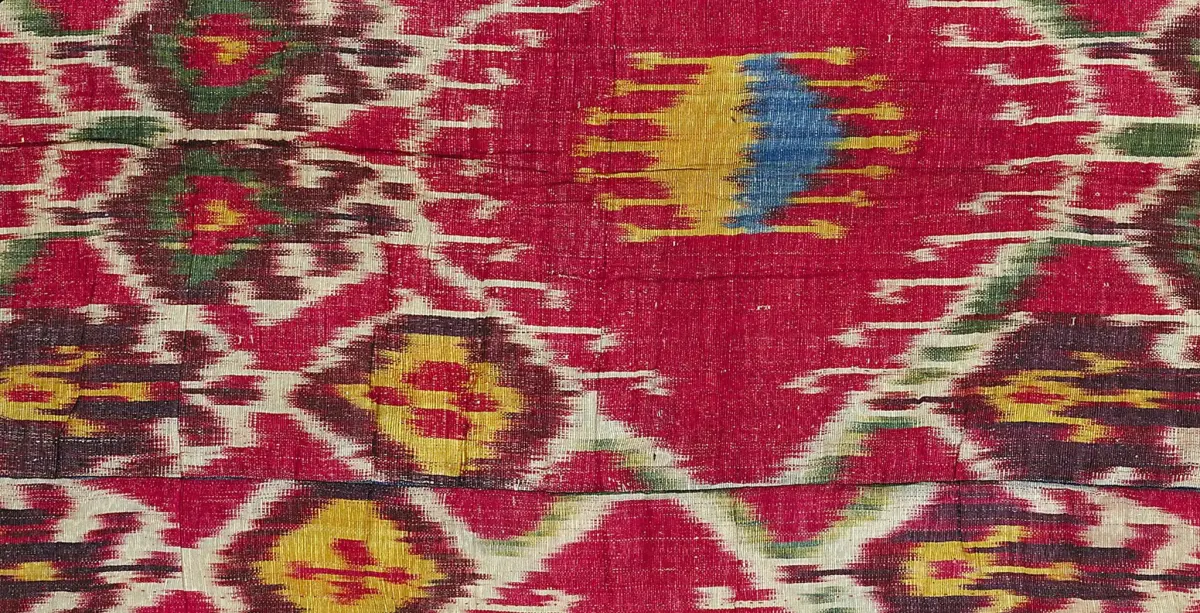
Central Asia, specifically the region around Bukhara and Samarkand in modern-day Uzbekistan, became famous for its silk ikat, known as "atlas." These fabrics were highly prized along the Silk Road for their vibrant, bold designs. Meanwhile, in India, the regions of Odisha and Telangana developed distinct styles like "Patola" and "Pochampally," which are celebrated for their geometric precision. Today, these regions remain the primary hubs for traditional ikat production, preserving techniques that have been passed down through generations of master artisans.
How to identify authentic ikat
Distinguishing authentic, hand-woven ikat from mass-produced "ikat-style" prints requires a close inspection of the fabric. The most reliable indicator of true ikat is the presence of the pattern on both sides of the cloth. Because the yarn is dyed before weaving, the design should be visible on the reverse side, though it may be slightly less crisp than on the face. If the pattern is only printed on the surface and the back remains plain, it is a digital or screen print, not a genuine ikat.
Another hallmark of authentic ikat is the "bleeding" effect. In hand-woven pieces, the edges of the motifs are rarely perfectly sharp; they often appear slightly feathered or blurred because the threads shifted during the weaving process. This imperfection is not a flaw but a testament to the human element involved in the creation. Additionally, high-quality ikat often features subtle variations in color density, reflecting the manual nature of the dipping process.
- Check for pattern visibility on the back of the fabric.
- Look for slight, natural irregularities in the lines of the design.
- Feel the texture of the fabric, which should show the physical weave of the threads.
- Examine the color saturation, which should be consistent throughout the individual yarn strands.
Common mistakes when buying ikat
One of the most frequent errors consumers make is confusing "ikat" with "ikat-print." Many retailers label mass-produced textiles as ikat because they imitate the visual aesthetic of the traditional craft. When shopping, always verify if the fabric is woven-to-pattern or merely printed. If the price point seems exceptionally low for a textile that is labor-intensive, it is almost certainly a printed imitation. Buyers should also be wary of synthetic fibers; traditional, high-quality ikat is typically crafted from natural fibers like silk, cotton, or a blend of both.
Another mistake is ignoring the care requirements of authentic textiles. Because natural dyes are often used in traditional ikat, the fabric can be sensitive to direct sunlight and harsh chemicals. Avoid using aggressive detergents or high-heat drying methods, as these can cause the colors to fade or the natural fibers to weaken over time. Always check the origin and the dyeing method if you intend to use the fabric for heavy-duty upholstery or garments that require frequent washing.
Best practices for caring for ikat
To ensure your ikat textiles remain vibrant for years, proper maintenance is essential. If the piece is a decorative wall hanging or a delicate silk garment, minimize exposure to direct sunlight, which can cause natural dyes to break down and fade. For cleaning, hand-washing in cool water with a gentle, pH-neutral soap is generally the safest approach. Never wring or twist the fabric, as this can distort the delicate weave and cause the threads to shift permanently out of alignment.
If you choose to use a professional cleaner, always inform them that the item is a hand-dyed textile. Many standard dry-cleaning solvents are too harsh for traditional ikat and may cause the colors to bleed or the fabric to shrink. When storing your ikat, fold it loosely with acid-free tissue paper to prevent creasing and protect it from moisture. By treating these textiles with the same care you would accord a piece of fine art, you preserve the cultural history woven into every thread.
Key facts
- Ikat is a dyeing technique used to pattern textiles that employs resist-dyeing on the yarns prior to dyeing and weaving the fabric.
- The word "ikat" originates from the Indonesian word mengikat, which translates to "to tie," "to bind," or "to knot."
- In single ikat, only the warp (vertical) or the weft (horizontal) threads are resist-dyed, while double ikat requires both sets to be patterned.
- The most complex form, double ikat, is produced in only three places globally: Tenganan in Bali, Patan in India, and Okinawa in Japan.
- To create the pattern, artisans tightly bind sections of yarn with waterproof materials like plastic strips or wax to prevent dye penetration.
- Because the threads are dyed before weaving, the resulting patterns often feature a characteristic "blurred" or "bleeding" edge where the colors meet.
The bottom line
Ikat is a sophisticated textile art form defined by the pre-weaving resist-dyeing of yarns. By binding specific thread sections before immersion in dye, artisans create intricate, often blurred patterns that define the fabric's aesthetic. Whether produced as simple single ikat or the rare, labor-intensive double ikat, these textiles represent a profound intersection of mathematical precision, cultural heritage, and manual skill that remains globally celebrated today.
People also ask
How can you tell the difference between real ikat and printed fabric?
Authentic ikat shows the pattern on both sides of the fabric, though the intensity may vary slightly. If you look closely at the edges of the pattern, you will see the natural bleeding of the dye into the fibers, whereas printed fabric typically has a sharp, uniform edge and a plain back.
Is ikat expensive to purchase?
High-quality ikat is often expensive because it is a labor-intensive, hand-crafted process. A single piece of double ikat, such as the patola saris of India, can take months or even years to complete, significantly driving up the market price.
What materials are traditionally used for ikat?
Historically, ikat has been crafted using natural fibers such as silk, cotton, and wool. Modern versions may incorporate synthetic fibers, but traditional artisans prefer natural materials because they absorb plant-based and mineral dyes more effectively.
Can ikat fabric be machine washed?
Most hand-woven ikat textiles should be dry-cleaned or hand-washed in cold water with a mild detergent. Avoid harsh chemicals or bleach, which can cause the natural dyes to fade or bleed into the lighter sections of the pattern.
Why are the patterns in ikat often blurred?
The blurred effect occurs because it is nearly impossible to align the resist-dyed threads perfectly during the weaving process. This slight shifting is considered a hallmark of the craft rather than a defect, distinguishing it from machine-printed textiles.
Where is ikat most popular today?
Ikat remains highly significant in the cultural traditions of Indonesia, India, Uzbekistan, and Japan. While these regions maintain historical production methods, ikat designs have also become widely popular in global fashion and interior design markets.
This answer was created with the help of AI research tools and reference sources. Spotted an error? Let us know — we correct mistakes quickly. See our editorial policy.