What is fused glass?
Short answer
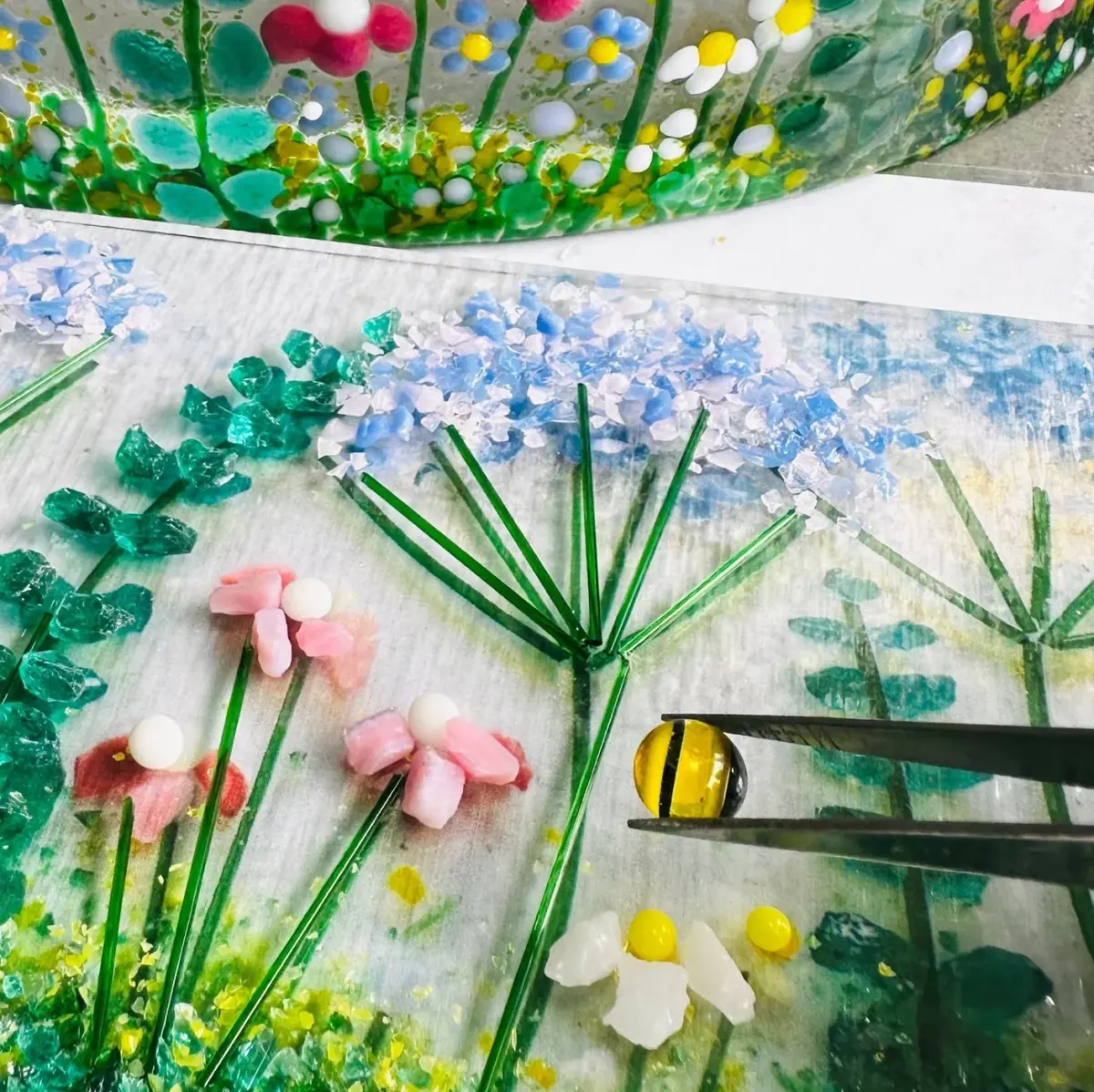
Fused glass is the art of joining separate pieces of glass by heating them in a kiln until they melt and fuse into a single, cohesive unit. Artists arrange glass shapes, colors, and textures on a base, then fire them at temperatures typically ranging from 1,300 to 1,500 degrees Fahrenheit.
On this page
How does the glass fusing process work?
Glass fusing relies on the precise control of heat within an electric kiln. The process begins with the selection of "compatible" glass, which refers to glass with the same Coefficient of Expansion (COE). If glass pieces have different expansion rates, they will crack or shatter as they cool because the materials shrink at different speeds. Artists cut the glass into desired shapes and arrange them on a kiln shelf coated with a specialized release primer, such as kiln wash or thinfire paper, to prevent the glass from sticking to the shelf.
Once the design is set, the kiln is programmed with a "firing schedule." This schedule dictates the rate of temperature increase, the maximum temperature (the soak), and the cooling process (annealing). Annealing is critical; it involves holding the temperature steady at a specific point to relieve internal stresses before allowing the glass to return to room temperature. Without a controlled cooling cycle, the glass remains brittle and prone to spontaneous breakage due to thermal shock.
What equipment is needed for beginners?
Setting up a home studio requires a modest investment in specialized tools designed for safety and precision. The most significant expense is the kiln, which must be rated for glass work rather than ceramics, as glass firing requires specific controller capabilities. Beyond the kiln, you need basic hand tools to manipulate the glass safely and accurately.
- A glass cutter with a carbide wheel for scoring the surface.
- Running pliers to snap the glass cleanly along the score line.
- Grozing pliers to remove small, unwanted shards or nibble edges.
- A kiln shelf and kiln wash to protect the base of the kiln.
- Safety glasses and a dust mask to protect against glass splinters and silica dust.
Always prioritize safety by working in a well-ventilated area. Glass dust is harmful if inhaled, so avoid dry-sweeping your workspace. A damp cloth or a HEPA-filter vacuum is essential for cleaning up tiny glass fragments after cutting.
How long does it take to fuse glass?
The duration of a fusing project depends on the thickness of the glass and the desired outcome, such as a full fuse or a tack fuse. A standard firing cycle typically lasts between 12 and 24 hours. The actual melting phase might only take a few hours, but the cooling process takes significantly longer to ensure the glass is structurally sound. Rushing the cooling phase is the most common cause of failure in glass art.
- Ramp-up: 2 to 4 hours to reach the target temperature.
- Soak: 10 to 30 minutes to allow the glass to flow and fuse.
- Annealing: 4 to 12 hours to slowly stabilize the glass temperature.
- Cool-down: 4 to 8 hours to reach a safe handling temperature.
Larger or thicker pieces require longer soak times to ensure the heat penetrates the center of the glass. Conversely, thin pieces require less time to avoid overheating and losing the desired shape.
Why does glass cracking happen?
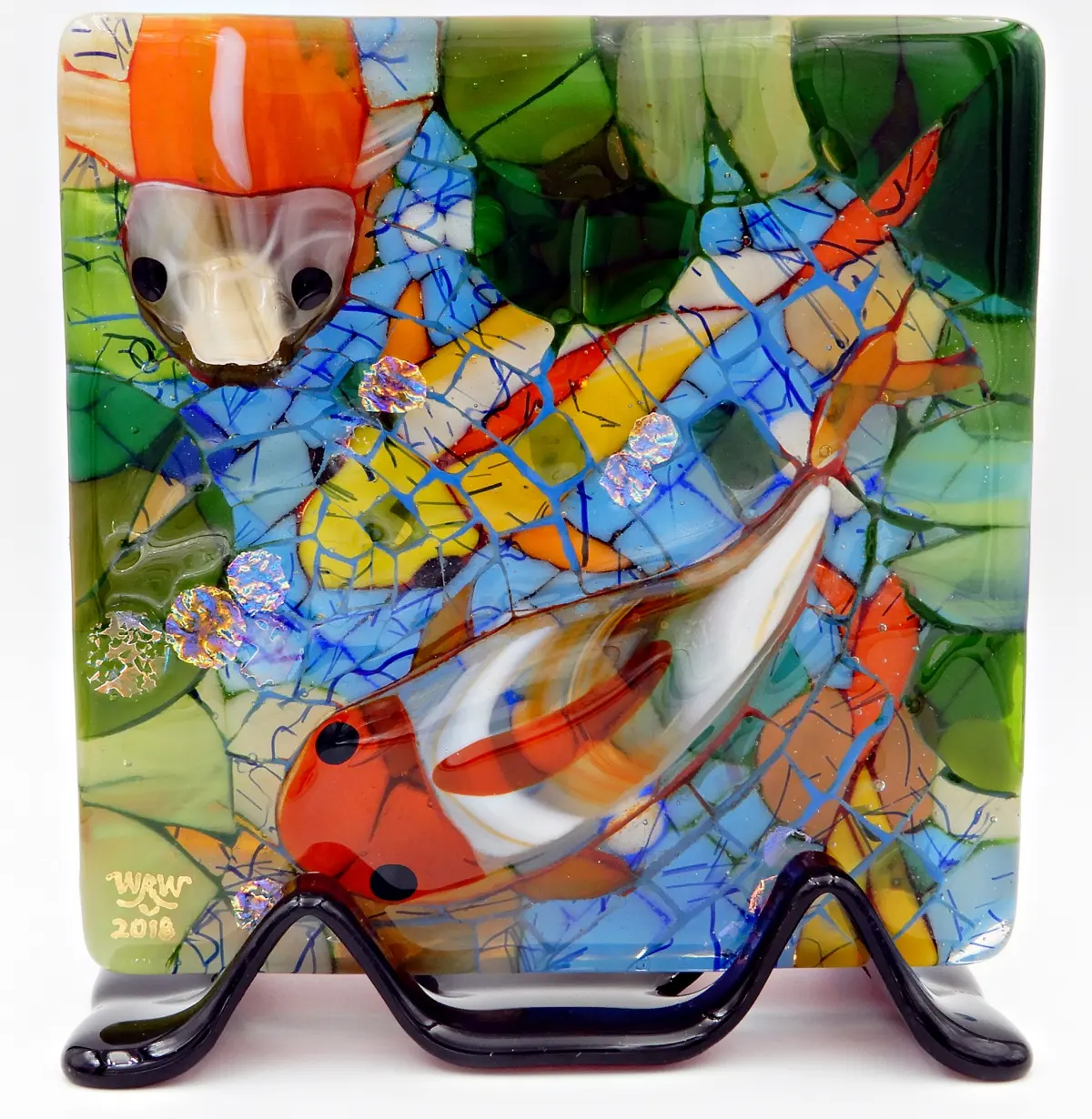
Cracking, often referred to as "thermal shock" or "incompatibility," is the most frustrating aspect of glass fusing. The primary culprit is the use of glass with different COEs. For example, mixing 90 COE glass with 96 COE glass will almost certainly result in a fractured piece. Even if the glass looks fine when it comes out of the kiln, the stress accumulated during the cooling process will eventually cause it to snap.
Another frequent cause of cracking is an improper annealing cycle. If the temperature drops too quickly during the critical annealing range—usually between 1,000 and 800 degrees Fahrenheit—the glass develops internal tension. This tension creates a "ticking time bomb" effect where the glass might shatter hours or even days after firing. Always ensure your kiln controller is programmed to hold the temperature steady during the annealing phase to allow the molecular structure of the glass to stabilize properly before the final cooling.
Common mistakes when fusing glass
One of the most frequent errors beginners make is failing to clean their glass thoroughly before firing. Oils from fingerprints, dust, or residue from glass cleaners can leave permanent marks or bubbles trapped inside the fused piece. Always wipe your glass with rubbing alcohol or a mild glass cleaner before placing it in the kiln. Additionally, avoid using too much kiln wash, as a thick, uneven layer can cause the bottom of your glass to have a rough, pitted texture.
Another common mistake is "over-firing" the glass. This occurs when the kiln temperature is set too high or held for too long, causing the glass to lose its intended shape or become excessively thin. If you are aiming for a specific design, monitor the kiln through the peephole during the soak phase. If the glass reaches the desired level of fusion, you can manually advance the controller to the annealing stage. By paying close attention to these small details, you ensure that your glass art remains both beautiful and durable.
Key facts
- Fused glass is created by heating layers of glass in a kiln until they melt and bond into a single piece.
- The standard temperature range for full fusing is between 1,400°F and 1,500°F (760°C to 815°C).
- You must use "compatible" glass, meaning all pieces must have the same Coefficient of Expansion (COE), typically 90 or 96.
- Annealing is the critical process of slowly cooling the glass to relieve internal stress and prevent shattering.
- Common techniques include tack fusing, which creates texture by melting pieces just enough to stick together, and full fusing, which results in a smooth, flat surface.
- Always wear safety glasses and use a kiln with a digital controller to ensure precise temperature management during the firing cycle.
The bottom line
Fused glass is a versatile art form that transforms individual pieces into a unified, durable object through controlled kiln heating. By strictly following compatibility standards and precise cooling schedules, hobbyists can create everything from jewelry to decorative plates. While the process requires patience and specific safety equipment, it offers endless creative possibilities for those willing to master the technical requirements of glass chemistry and thermal management.
People also ask
Can I use regular window glass for fusing?
No, you should never use window or bottle glass for fusing projects. These glasses have unknown and inconsistent expansion rates, which will cause your piece to crack or explode during the cooling process.
What is the difference between fusing and slumping?
Fusing is the process of joining pieces of glass together at high heat. Slumping occurs afterward, where the fused glass is placed over a mold and heated to a lower temperature so it bends into a specific shape, like a bowl.
How long does a typical fusing cycle take?
A full firing cycle, including heating, soaking, and the essential slow-cooling annealing phase, usually takes between 12 and 24 hours. The kiln must remain closed until it reaches room temperature to avoid thermal shock.
Why did my glass crack after it came out of the kiln?
Cracking is almost always caused by improper annealing or using incompatible glass. If the glass cools too quickly, the internal tension becomes too great, leading to structural failure.
Do I need special tools to start fusing glass?
You need a glass cutter, running pliers, a kiln, and kiln-wash or ceramic paper to prevent the glass from sticking to the shelf. Investing in a quality glass saw or grinder can also help refine your edges before firing.
Can I fuse different colors of glass together?
Yes, you can combine any colors as long as they come from the same manufacturer and share the same COE rating. Mixing incompatible brands, even if they share a number, can sometimes result in hidden stress.
This answer was created with the help of AI research tools and reference sources. Spotted an error? Let us know — we correct mistakes quickly. See our editorial policy.