How do you develop film?
Short answer
Developing film is a chemical process that transforms light-sensitive silver halide crystals into a visible negative image. You must load the film into a light-tight tank in total darkness, then agitate specific liquid chemicals—developer, stop bath, and fixer—in a precise sequence to reveal, stabilize, and clear the image before washing.
On this page
What equipment do I need to develop film at home?
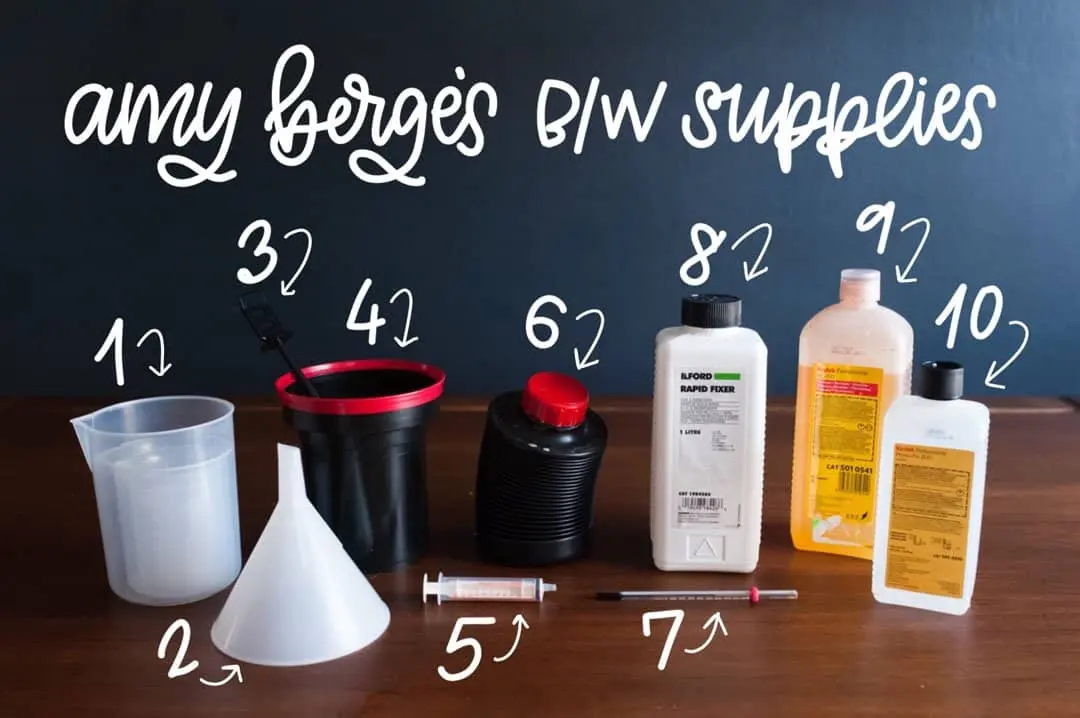
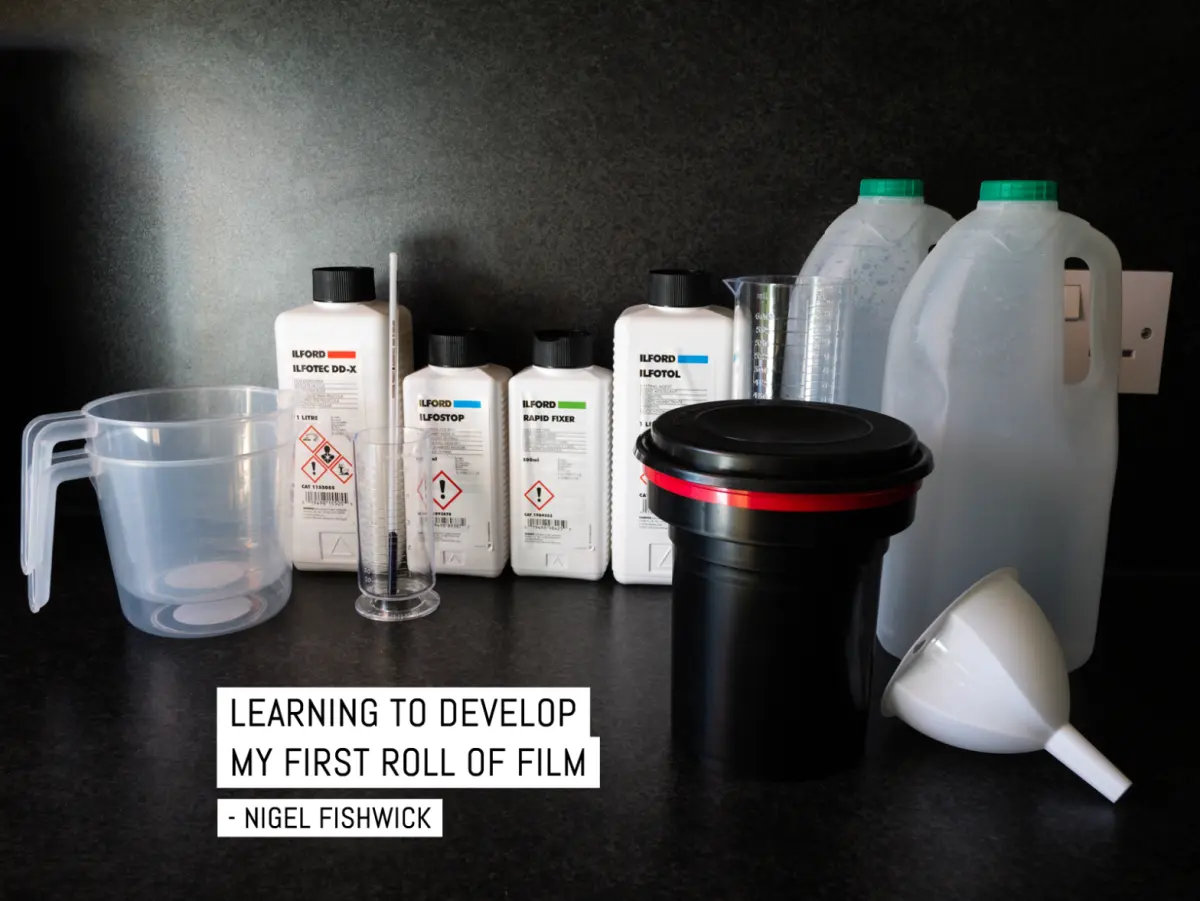
To begin processing film, you must acquire a specialized darkroom kit. The most essential item is a light-tight developing tank, such as those manufactured by Paterson or Jobo, which allows you to pour chemicals in and out without exposing the film to light. You will also need a changing bag, a portable darkroom that lets you load your film onto reels in complete darkness if you do not have a dedicated windowless room.
Beyond the tank, you need precise tools for chemical management. Accuracy is paramount, so invest in a set of graduated cylinders for measuring liquids and a reliable thermometer to monitor temperature. You will also need:
- A set of film clips for hanging negatives to dry.
- A squeegee or microfiber cloth to remove excess water.
- Storage bottles for your mixed chemistry.
- A bottle opener to remove the metal canister cap.
Safety gear is equally important when handling photographic chemicals. Always wear nitrile gloves to prevent skin irritation and ensure your workspace has proper ventilation. Because many developers and fixers can be hazardous if ingested or splashed, keep your workspace clean and designate specific containers for chemical disposal according to local environmental regulations.
How do I prepare the chemicals for film development?
Most film developers are sold as liquid concentrates or powders that must be diluted with water before use. The manufacturer’s instructions will specify the ratio, such as 1:9 or 1:4. Use distilled water if your tap water is hard, as mineral deposits can leave spots on your negatives. Consistency in water temperature is vital, as most processes require a standard temperature of 68°F (20°C).
Once mixed, organize your chemicals in the order of the development process. The standard sequence is developer, stop bath, and fixer. Some photographers use a water pre-wash to soften the film emulsion, though this is optional. Follow these steps to prepare your workflow:
- Measure the required volume of developer based on your tank's capacity.
- Dilute the stop bath and fixer according to the bottle labels.
- Bring all solutions to the target temperature using a water bath.
- Set a timer for each stage based on the film’s specific ISO and the developer type.
Keep your chemistry organized from left to right to prevent accidental contamination. If you accidentally pour fixer into the developer, the entire batch is ruined. Always rinse your measuring cylinders thoroughly between each chemical to maintain the purity of your solutions throughout the session.
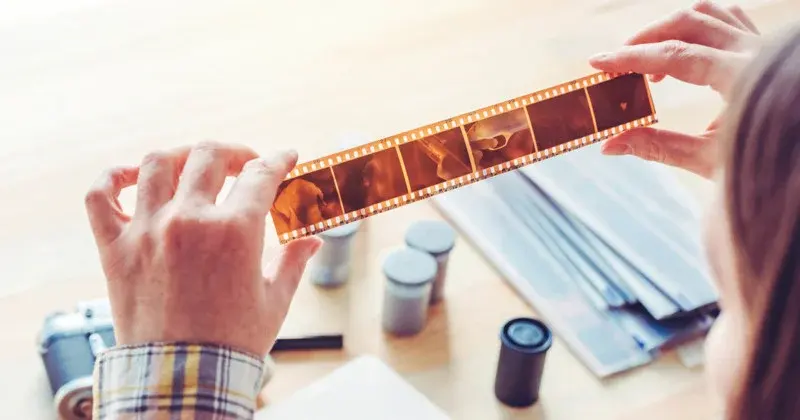
How long does it take to develop film?
The total time required to develop a roll of film typically ranges from 20 to 45 minutes, depending on the film stock and the developer used. The development stage itself is the most variable, usually lasting between 5 and 15 minutes. During this time, the developer reduces the exposed silver halide crystals into metallic silver, creating the dark areas of your negative.
After the development stage, the subsequent steps are relatively quick. The stop bath usually takes 30 to 60 seconds, and the fixer requires 3 to 5 minutes to remove the unexposed silver. A final wash takes 5 to 10 minutes to remove all chemical residues. You can calculate your specific times using online databases like the Massive Dev Chart, which provides data for thousands of film and developer combinations.
Remember that agitation—the act of moving the chemicals over the film—significantly affects the final contrast. Most instructions suggest agitating for the first 30 seconds, then for 10 seconds every minute thereafter. If you agitate too much, you increase contrast; too little, and the image may appear thin or underdeveloped. Always follow the specific agitation rhythm recommended for your chosen developer.
Common mistakes when developing film at home
The most frequent error beginners make is light leaks during the loading process. If you open your changing bag or expose the film to light before it is fully inside the tank and the lid is locked, the film will be ruined. Practice loading an old, unimportant roll of film in the light first, then try it with your eyes closed to build muscle memory.
Another common issue is temperature fluctuation. If your chemicals are too warm, the film may develop too quickly, leading to high contrast and grain. If they are too cold, the image will be underdeveloped and lack detail. Other frequent mistakes include:
- Failing to fully fix the film, which leaves the negatives cloudy or purple.
- Using contaminated chemicals that cause spots or streaks.
- Touching the surface of the wet film, which leaves permanent fingerprints.
- Drying the film in a dusty environment, leading to debris stuck to the emulsion.
To avoid these problems, maintain a clean workspace and keep a log of your development times and temperatures. If you notice issues with your negatives, you can adjust your process for the next roll based on your notes.
Best practices for drying and storing negatives
Once the final wash is complete, carefully remove the film from the reel. Use a weighted film clip at the bottom to prevent the strip from curling as it dries. Hang the film in a dust-free area, such as a shower stall that has been steamed to settle airborne particles. Avoid using a fan, as this will blow dust directly onto the wet, sticky emulsion.
Wait until the film is completely dry—usually two to three hours—before handling it. Once dry, cut the film into strips of three to six frames and place them into archival-safe negative sleeves. Never store negatives in standard plastic bags, as the chemicals in the plastic can degrade the silver image over time. Proper storage ensures your work remains in excellent condition for decades.
Label your sleeves with the date, film type, and camera used. This organizational habit is essential for keeping track of your work as your collection grows. By treating your negatives with care, you preserve the physical record of your photography, allowing you to scan or print your images whenever you desire.
Key facts
- Film development is a chemical process that transforms invisible latent images on exposed film into permanent, visible negatives.
- The standard chemical sequence involves a developer, a stop bath, a fixer, and a final water wash.
- Temperature control is critical; most black-and-white film is developed at exactly 68°F (20°C) to ensure consistent results.
- Light sensitivity means film must be loaded into a light-tight developing tank in total darkness before chemicals are added.
- Agitation, the process of gently moving the tank, ensures fresh chemistry reaches all parts of the film surface.
- Exhausted chemicals or improper washing can cause stains or fading, potentially destroying the images over time.
The bottom line
Developing film is a precise chemical craft that rewards patience and attention to detail. By maintaining strict temperature control, working in absolute darkness, and following the correct sequence of developer, stop bath, and fixer, you can successfully produce high-quality negatives. While the process requires practice to master, it offers a tangible connection to the history of photography and unparalleled control over your final artistic results.
People also ask
Can I develop film in a regular room with the lights on?
No, film is highly light-sensitive and will be ruined if exposed to any light before the fixer stage is complete. You must use a light-tight changing bag or a completely dark room to load the film into the tank.
How long does the entire development process take?
The process typically takes about 30 to 45 minutes, depending on the film type and the specific chemicals used. This includes the development time, rinsing, fixing, and the final wash to remove chemical residue.
What happens if I use the wrong temperature for my chemicals?
Incorrect temperatures will cause the film to be either overdeveloped or underdeveloped, resulting in images that are too dark or too thin. Always use a reliable thermometer to calibrate your liquids before beginning the process.
Is it possible to reuse developer chemicals?
Some developers are designed for one-time use, while others can be reused if they are replenished correctly. Check the manufacturer's instructions, as reusing chemicals past their capacity will lead to inconsistent image contrast and density.
Why do I need a stop bath between the developer and the fixer?
The stop bath is an acidic solution that immediately halts the development process by neutralizing the alkaline developer. Without it, the developer might continue working unevenly, leading to overdevelopment or chemical streaks on the negatives.
How do I know when the film is fully washed?
Proper washing removes all residual fixer, which is essential to prevent the image from fading or turning yellow over time. Using a washing agent or a dedicated film washer for 5 to 10 minutes is usually sufficient for most film stocks.
This answer was created with the help of AI research tools and reference sources. Spotted an error? Let us know — we correct mistakes quickly. See our editorial policy.