What is a symphony?
Short answer
A symphony is an elaborate musical composition for a full orchestra, typically structured in four distinct movements. Originating in the 18th century, it evolved from short operatic overtures into expansive works lasting 30 to 60 minutes. It serves as a primary vehicle for composers to demonstrate orchestral color, thematic development, and emotional narrative.
On this page
What is the structure of a symphony?
While individual styles vary, the classical symphony generally follows a standardized four-movement format established during the late 18th century. This architecture provides a balanced emotional journey for the listener and a logical framework for the composer. The movements are traditionally organized by tempo and character, ensuring a cohesive experience that spans the entire duration of the piece.
- First movement: Usually fast and dramatic, often utilizing sonata form to introduce and develop complex musical themes.
- Second movement: A slower, lyrical section that focuses on melody, introspection, and emotional depth.
- Third movement: A dance-like movement, traditionally a minuet and trio or a faster, more vigorous scherzo.
- Fourth movement: A spirited finale, often written as a rondo or a complex set of variations, designed to provide a triumphant conclusion.
This structural blueprint allowed composers like Joseph Haydn and Wolfgang Amadeus Mozart to explore vast musical ideas within a recognizable language. By adhering to this pattern, they could create tension and release that audiences understood intuitively.
How to listen to a symphony for the first time
Approaching a symphony can feel intimidating, but the process is essentially about active engagement with sound. Start by selecting a work from the Classical or Romantic eras, as these periods offer the most consistent structures. Avoid trying to analyze every instrument simultaneously; instead, focus on the primary melody and notice how it changes as the music progresses through different sections.
- Find a quiet space where you can listen without interruptions for at least 30 minutes.
- Read a brief synopsis of the piece beforehand to understand the composer's intent or the historical context.
- Pay attention to the "color" of the orchestra, noting how different instruments like the flute, horn, or violin change the mood.
- Listen to the same symphony multiple times, as your ears will naturally begin to pick up subtle details you missed during the first pass.
Focusing on these elements helps transform a passive listening experience into an active discovery. You will eventually recognize how themes are passed between sections, creating a conversation between the various instrumental families of the orchestra.

Why do symphonies have so many instruments?
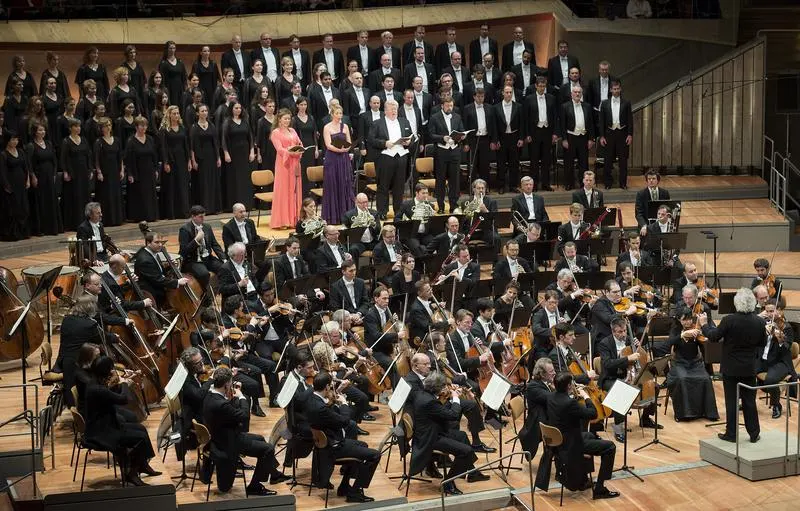
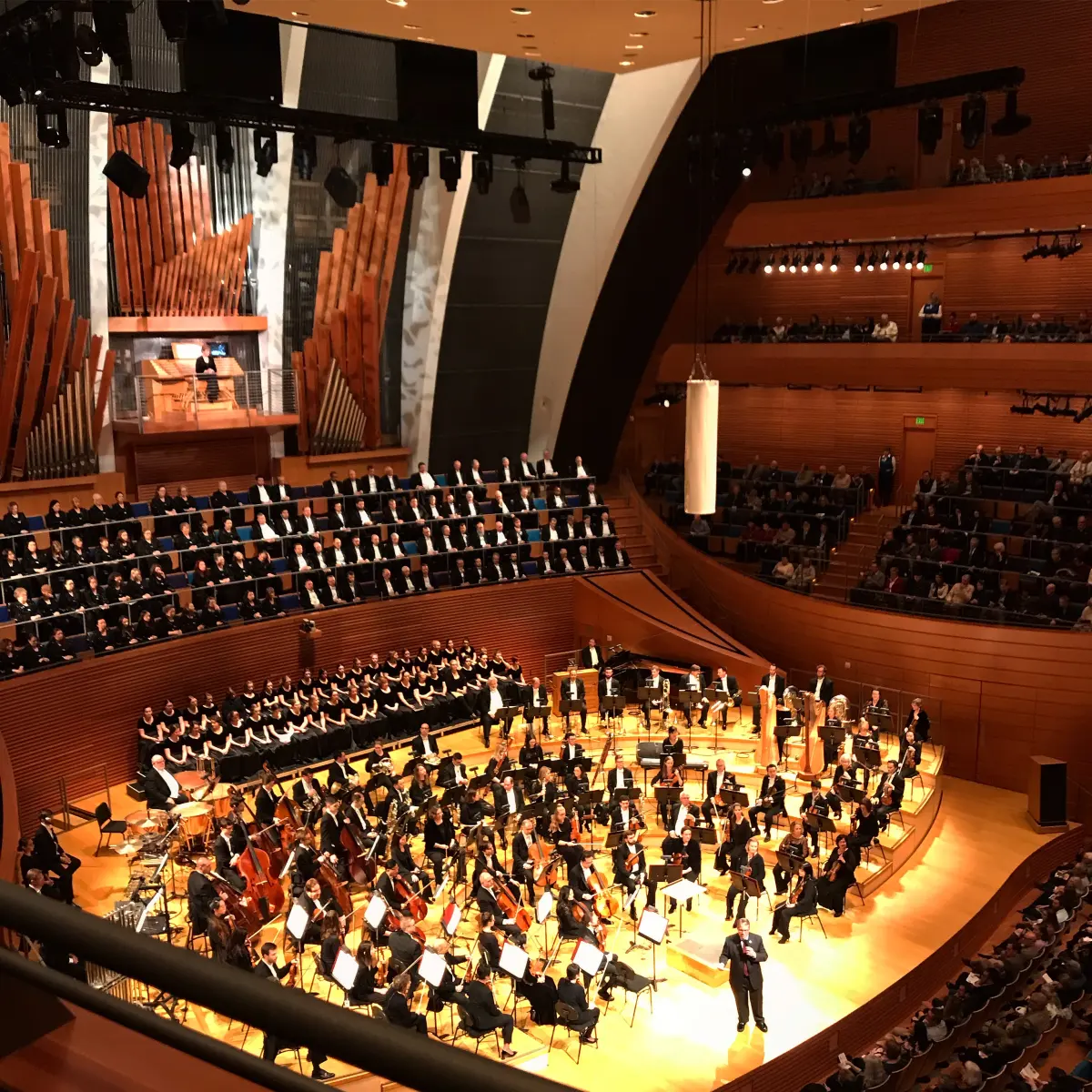
The symphony is designed to utilize the full dynamic range and tonal palette of the modern orchestra. Unlike a solo piano or a small chamber group, a symphony orchestra typically includes four main families: strings, woodwinds, brass, and percussion. This massive collection of players allows the composer to generate everything from a delicate, singular whisper to a wall of sound that fills a large concert hall.
The evolution of the orchestra grew alongside the symphony itself. In the time of Haydn, an orchestra might consist of 30 to 40 musicians. By the time Gustav Mahler was writing his symphonies in the late 19th and early 20th centuries, the ensemble had expanded to include over 100 players. This growth was driven by the desire to express more profound, epic, and complex human emotions that required greater sonic power and variety.
Common mistakes when listening to symphonies
A frequent error is assuming that a symphony must have a literal story or a specific meaning attached to it. While some works, known as program music, are inspired by nature or literature, many symphonies are "absolute music," meaning they exist solely for their own structural and aesthetic beauty. Trying to force a narrative onto a piece like Beethoven’s Symphony No. 5 can detract from the purely musical experience.
Another common mistake is becoming discouraged if your mind wanders during a long movement. It is perfectly normal for the music to ebb and flow in intensity. Instead of fighting the distraction, simply return your focus to the main theme when you notice yourself drifting. Do not worry about identifying every specific instrument or musical term; the primary goal is to enjoy the sonic journey. If you find a particular movement boring, do not feel obligated to force yourself to appreciate it immediately. Musical taste is subjective and develops gradually over time.
Best symphonies for beginners to explore
If you are ready to begin your journey, certain symphonies act as perfect entry points due to their memorable melodies and clear structures. These works are widely considered masterpieces and are frequently performed by professional orchestras worldwide. By starting with these, you gain a foundational understanding of how a symphony functions before moving toward more experimental or complex works.
- Ludwig van Beethoven, Symphony No. 5: Famous for its iconic four-note opening, this work is a masterclass in thematic development.
- Wolfgang Amadeus Mozart, Symphony No. 40: Known for its elegant, driving energy and beautiful, balanced melodies.
- Antonín Dvořák, Symphony No. 9 ("From the New World"): Rich in folk-inspired themes and lush, accessible orchestration.
- Franz Schubert, Symphony No. 8 ("Unfinished"): A shorter, deeply emotional work that showcases the power of lyrical writing.
These selections represent the core of the symphonic repertoire. By listening to these, you will develop a baseline for what to expect from the form, allowing you to branch out into the works of other composers like Brahms, Tchaikovsky, or Shostakovich with greater confidence and appreciation for the craft.
Key facts
- A symphony is a large-scale musical composition for orchestra, typically divided into four distinct sections called movements.
- The term originates from the Greek word "symphonia," meaning "sounding together."
- Most symphonies follow a standard structure: a fast opening, a slow second movement, a dance-like third movement, and a fast finale.
- Franz Joseph Haydn is often called the "Father of the Symphony," having composed 104 works in the genre during the 18th century.
- A standard symphony orchestra consists of four main sections: strings, woodwinds, brass, and percussion.
- When attending a performance, avoid clapping between movements; wait until the conductor lowers their arms completely at the very end of the piece.
The bottom line
A symphony is a sophisticated musical architecture designed for a full orchestra, balancing complex structure with deep emotional expression. By understanding its standard four-movement progression and the collaborative role of the conductor, listeners can better appreciate the interplay of instruments. Whether you are a novice or a seasoned listener, exploring the vast symphonic repertoire offers a rewarding journey through centuries of human creativity and innovation.
People also ask
How long does a typical symphony last?
Most symphonies range from 20 to 60 minutes in length. However, some Romantic-era works, such as those by Gustav Mahler, can exceed 90 minutes.
Do all symphonies require a conductor?
Yes, a conductor is essential to coordinate the dozens of musicians playing simultaneously. They ensure precise timing, balance the volume between sections, and interpret the composer's emotional intent.
What is the difference between a symphony and an orchestra?
A symphony is the musical composition itself, while an orchestra is the group of musicians who perform it. You listen to a symphony played by an orchestra.
Why are some symphonies named, like Beethoven’s "Eroica"?
Composers often gave their works descriptive titles to suggest a specific theme, narrative, or dedication. These titles help audiences connect with the emotional or historical context of the music.
Can a symphony feature a solo singer or instrument?
While primarily instrumental, some symphonies incorporate vocalists, such as Beethoven’s Ninth Symphony. Additionally, a "symphony concertante" features one or more soloists alongside the full orchestra.
How can a beginner start listening to symphonies?
Start with accessible works from the Classical period, such as Mozart’s Symphony No. 40 or Haydn’s "Surprise" Symphony. Listen to them in a quiet environment to focus on how the different instrument families interact.
This answer was created with the help of AI research tools and reference sources. Spotted an error? Let us know — we correct mistakes quickly. See our editorial policy.