What is jazz?
Short answer
Jazz is a musical genre originating in late 19th-century New Orleans, characterized by improvisation, syncopated rhythms, and complex harmonies. It blends African rhythmic traditions with European harmonic structures and blues influences. Today, it encompasses diverse styles ranging from swing and bebop to fusion, serving as a foundational pillar of modern music.
On this page
How did jazz music begin?
Jazz emerged from the cultural melting pot of New Orleans, Louisiana, during the late 1890s and early 1900s. It was born from the convergence of African American spirituals, blues, ragtime, and brass band traditions. Musicians in the city’s vibrant entertainment districts, such as Storyville, began experimenting with collective improvisation, creating a sound that was both structured and spontaneous. This unique environment allowed artists to blend diverse musical heritages into a cohesive new language.
Key figures like Buddy Bolden and Jelly Roll Morton were instrumental in shaping these early sounds. By the 1920s, the music migrated to cities like Chicago and New York, where it evolved rapidly. The genre became a symbol of the "Jazz Age," reflecting the social liberation and technological advancements of the time. This era established the foundational elements that define the genre, including the emphasis on individual expression and the swing feel that would influence popular music for decades to come.
What are the core elements of jazz?
At the heart of jazz lies the concept of improvisation, where performers compose melodies in real-time over a set chord progression. This requires a deep understanding of music theory and the ability to react to fellow musicians during a performance. Syncopation, or the accenting of off-beats, provides the music with its characteristic rhythmic drive and "swing" feel. These elements allow artists to transform standard compositions into unique, personal statements every time they play.
To understand how jazz functions, consider these fundamental components:
- Improvisation: The act of creating music spontaneously within a harmonic framework.
- Swing: A rhythmic propulsion that creates a sense of forward motion.
- Blue Notes: Flattened notes that add emotional depth and tension to the melody.
- Call and Response: A dialogue between instruments or musicians, echoing African musical roots.
- Complex Harmony: The use of extended chords and chromaticism to create sophisticated textures.
How to start listening to jazz
For those new to the genre, the vast array of styles can feel overwhelming. It is best to begin with accessible recordings that showcase melody and clear structure before diving into more experimental or abstract subgenres. Listening to iconic albums provides a historical roadmap, helping you identify the distinct voices of legendary players. Focus on the interplay between the soloist and the rhythm section to appreciate how the music is constructed.
- Start with Miles Davis’s Kind of Blue (1959) for a quintessential modal jazz experience.
- Explore Duke Ellington’s big band recordings to understand the power of orchestral arrangement.
- Listen to Ella Fitzgerald or Billie Holiday to appreciate how vocalists approach jazz phrasing.
- Try John Coltrane’s Blue Train to hear the intensity of hard bop.
- Pay attention to how the drummer uses cymbals to maintain the pulse while the soloist plays.
Why do jazz musicians improvise?
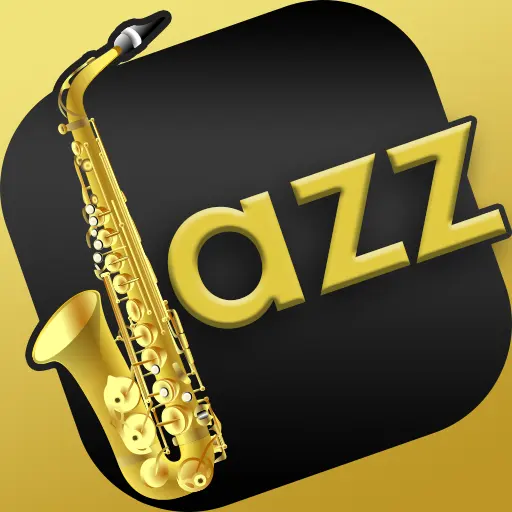
Improvisation is not merely "making things up"; it is a disciplined form of spontaneous composition. Musicians spend years mastering scales, arpeggios, and harmonic patterns so they can access them instantly during a performance. This process allows the performer to express their current emotional state, creating a unique connection with the audience. Because no two performances are identical, the music remains alive and constantly evolving, reflecting the personality of the artist at that specific moment in time.
The interaction between band members is equally vital. When a pianist plays a specific chord, the bassist and drummer must adjust their playing to complement that choice. This collective improvisation creates a conversation that relies on trust and deep listening. By prioritizing this interaction, jazz musicians ensure that the music remains a collaborative effort rather than a static reproduction of a written score. This dynamic nature is what keeps the genre relevant and exciting for both performers and listeners.
Common mistakes when learning jazz
A frequent error for beginners is focusing too much on technical speed rather than musicality. While virtuosity is impressive, jazz is ultimately about storytelling and emotional resonance. Another common mistake is ignoring the importance of the "jazz standard" repertoire. Learning these classic songs provides a common language that allows you to play with other musicians, regardless of your background. Without a solid grasp of these foundations, it becomes difficult to develop a personal voice.
To avoid common pitfalls, keep these guidelines in mind:
- Do not neglect the rhythm section; always practice with a metronome or backing tracks.
- Avoid playing too many notes; focus on the space between the notes and melodic clarity.
- Do not skip the study of jazz history; understanding the context of the music is essential.
- Avoid rigid adherence to sheet music; prioritize developing your ear and internalizing melodies.
- Do not fear making mistakes; in jazz, a "wrong" note can lead to a new, creative harmonic direction if you resolve it confidently.
Key facts
- Jazz originated in New Orleans around the turn of the 20th century, emerging from a blend of African rhythms, blues, and ragtime.
- Improvisation is the defining characteristic of jazz, where musicians compose melodies spontaneously over a predetermined harmonic structure.
- The "swing" feel, a rhythmic lilt that emphasizes the off-beat, serves as the foundational pulse for much of the genre's history.
- Key instruments in a standard jazz ensemble include the saxophone, trumpet, piano, double bass, and drums.
- To appreciate jazz, listen for the "head," which is the main melody played at the beginning and end of a piece.
- Avoid the common mistake of expecting a static song; jazz is a living conversation where the music changes every time it is performed.
The bottom line
Jazz is a dynamic musical language rooted in African American culture that prioritizes individual expression through improvisation. By blending complex harmonies with rhythmic flexibility, it transforms standard melodies into unique, spontaneous performances. Whether you are listening to the big band sounds of the 1930s or modern experimental ensembles, jazz invites the audience to experience the thrill of creation happening in real time before their very ears.
People also ask
Is jazz difficult to learn to appreciate?
Jazz can feel complex because it lacks the predictable structures of pop music, but listening to the melody first helps. Focus on how the soloists interact with each other rather than trying to analyze every note.
What is the difference between swing and bebop?
Swing was the popular, danceable jazz of the 1930s characterized by large big bands and steady rhythms. Bebop emerged in the 1940s as a faster, more intellectual style focused on small groups and intricate improvisation.
Do all jazz songs include vocals?
No, the majority of jazz is instrumental, focusing on the expressive capabilities of horns and piano. When vocals are present, singers often treat their voice like an instrument, using "scat" singing to improvise syllables.
Who are the most influential figures in jazz history?
Louis Armstrong revolutionized the genre with his soloing, while Duke Ellington elevated it to a sophisticated art form. Miles Davis and John Coltrane later pushed the boundaries of jazz into cool, modal, and avant-garde territories.
How do musicians know what to play if it is improvised?
Musicians follow a "lead sheet," which provides the melody and the underlying chord progression. They use their knowledge of music theory and scales to create new melodies that fit within those specific chords.
Can I dance to jazz music?
Yes, early jazz styles like swing and ragtime were specifically designed for social dancing. While modern avant-garde jazz is often better suited for focused listening, the genre’s rhythmic heartbeat remains rooted in movement.
This answer was created with the help of AI research tools and reference sources. Spotted an error? Let us know — we correct mistakes quickly. See our editorial policy.