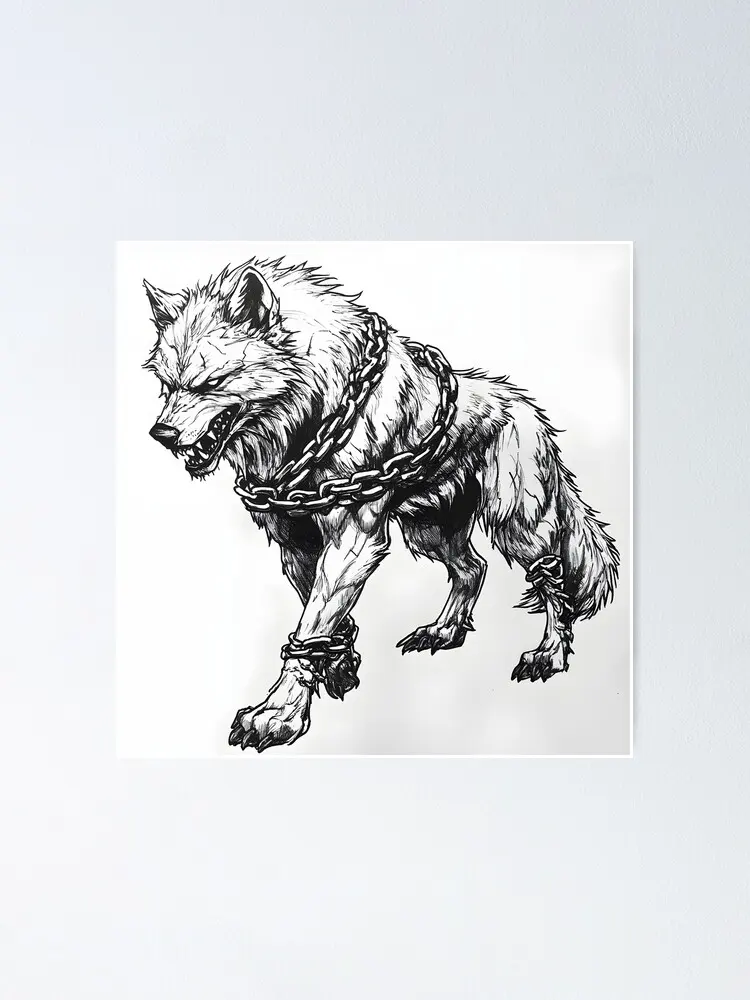
What does a wolf tattoo mean?
Short answer
Wolf tattoos generally symbolize loyalty, guardianship, and independence. They often represent a deep connection to family, survival instincts, and the wild spirit. Because wolves are pack animals, these designs frequently honor close-knit relationships or personal resilience. Ultimately, the meaning depends on the wearer’s intent, ranging from spiritual guidance to fierce self-reliance.
On this page
What does a wolf tattoo represent?
Wolf tattoos carry a wide range of symbolic meanings rooted in both biology and folklore. In many cultures, the wolf is viewed as a protector or a guide, representing the strength of the pack and the importance of social bonds. For those who choose this design, it often signifies loyalty to family, a commitment to one’s community, or the ability to survive challenging environments through intelligence and cooperation.
Beyond social symbolism, the wolf is frequently associated with the concept of the "lone wolf," representing independence, autonomy, and an untamed spirit. This duality—being both a devoted pack member and a self-sufficient individual—makes the wolf a versatile motif. Whether depicted as a howling silhouette or a detailed portrait, the image often serves as a reminder of the wearer’s inner strength, intuition, and connection to the natural world.
How to choose a wolf tattoo style
Selecting the right artistic style is essential for ensuring your tattoo aligns with your personal vision. Different techniques can drastically alter the mood of the design, shifting it from realistic and gritty to abstract or symbolic. Consider these common styles before committing to a final draft:
- Realism: Focuses on photographic detail, capturing the texture of fur and the intensity of the wolf’s gaze.
- Geometric: Incorporates sharp lines and shapes to modernize the wolf’s profile, often blending nature with mathematics.
- Traditional: Uses bold, thick lines and a limited color palette for a classic, high-contrast look that ages well.
- Watercolor: Employs vibrant, bleeding colors to create a dreamlike or artistic aesthetic.
- Tribal: Utilizes blackwork patterns to emphasize the wolf's silhouette, rooted in ancient cultural motifs.
When choosing, look at portfolios of artists who specialize in your preferred style. A realism artist may not be the best choice for a minimalist geometric piece, and vice versa. Always prioritize an artist’s experience with animal anatomy to ensure the proportions remain accurate and visually balanced.
Where to place a wolf tattoo
Placement plays a significant role in how your tattoo is perceived and how well it fits your body’s natural contours. A large, detailed wolf portrait requires a flat surface with enough space to capture intricate fur patterns and facial expressions. Conversely, smaller, stylized designs can be placed on more compact areas of the body.
The following areas are popular choices for wolf tattoos:
- Forearm: Ideal for medium-sized pieces; it allows for high visibility and easy concealment with long sleeves.
- Chest or Back: Best for large, expansive designs that require significant canvas space for detail and composition.
- Calf: Provides a cylindrical surface that works well for vertical, howling wolf designs.
- Shoulder: Offers a natural curve that can frame a wolf’s head or a dynamic, jumping pose effectively.
Avoid placing highly detailed tattoos on areas with thin skin or high friction, such as the hands or feet, as these locations often cause the ink to fade or blur faster over time.
Common mistakes when getting a wolf tattoo
One of the most frequent errors people make is failing to consider the aging process of the ink. Intricate, tiny details—such as individual hairs or complex shading—can blur together over a decade, turning a sharp portrait into a dark, unrecognizable smudge. It is vital to work with your artist to ensure there is enough "negative space" or contrast in the design to keep the image legible for years to come.
Another common mistake is choosing a design based solely on a photograph without considering how it fits the anatomy of the body. A wolf’s face is naturally elongated; placing it on an area that is too narrow or curved can distort the features, making the animal look unnatural. Furthermore, some individuals neglect to research the cultural significance of specific wolf imagery, which can lead to designs that inadvertently clash with personal or cultural values. Always communicate your goals clearly with your artist to avoid these pitfalls.
How to care for a new wolf tattoo
Proper aftercare is the final, most important step in ensuring your wolf tattoo remains vibrant and clear. Immediately after the session, keep the area clean and protected from direct sunlight, which can cause premature fading and damage to the healing skin. Follow these essential steps to maintain the quality of your new ink:
- Wash the tattoo gently with fragrance-free soap and lukewarm water, patting it dry with a clean paper towel.
- Apply a thin layer of recommended ointment or unscented lotion to keep the skin hydrated without suffocating it.
- Avoid submerging the tattoo in pools, hot tubs, or baths until it is fully healed, usually within two to four weeks.
- Wear loose-fitting clothing to prevent friction and irritation against the healing site.
If you notice excessive redness, swelling, or signs of infection, consult a professional immediately. By following these guidelines, you ensure that your wolf tattoo serves as a lasting symbol of your values and remains a high-quality piece of art for the rest of your life.
Key facts
- Wolves symbolize loyalty, guardianship, and family, reflecting the animal's strong pack-oriented social structure.
- In many Indigenous cultures, the wolf represents a spiritual guide, protector, or a symbol of inner strength and intuition.
- A lone wolf design often signifies independence, self-reliance, or a person who thrives outside of traditional social norms.
- Geometric or minimalist wolf tattoos are popular modern styles that emphasize clean lines and symbolic abstraction.
- Research your artist’s portfolio specifically for animal portraits, as capturing the texture of fur and the intensity of eyes requires high technical skill.
- Avoid placing highly detailed wolf tattoos on areas of the skin prone to significant stretching or sun exposure, as these factors cause ink to blur over time.
The bottom line
A wolf tattoo is a powerful emblem of loyalty, intelligence, and independence. Whether you choose a realistic portrait or a stylized geometric design, the imagery serves as a permanent reflection of your personal values or spiritual connection to the wild. By selecting an artist with specialized experience in animal portraiture and choosing a placement that preserves detail, you ensure a meaningful and visually striking piece of art.
People also ask
Does a wolf tattoo always represent aggression?
No, the wolf is rarely associated with simple aggression in tattooing. Most designs emphasize traits like protection, intelligence, and loyalty to one's pack or family.
What is the significance of a howling wolf tattoo?
A howling wolf often represents communication, freedom, and the expression of one's inner voice. It is frequently chosen by individuals who value self-expression and connection to nature.
Are there cultural taboos regarding wolf tattoos?
Some Indigenous cultures hold the wolf in high spiritual regard, and using these symbols without understanding their specific tribal context can be seen as disrespectful. Always research the origins of specific tribal-style wolf designs before committing to them.
Which body placement is best for a wolf tattoo?
Large, detailed wolf portraits work best on flat surfaces like the shoulder blade, calf, or forearm. These areas provide enough space to capture the intricate details of the animal's face and fur.
How do I ensure my wolf tattoo looks realistic?
Realism requires a skilled artist who specializes in shading and depth. Look for artists who have specific experience with wildlife portraiture rather than general traditional or script work.
Can a wolf tattoo be combined with other symbols?
Yes, wolf tattoos are often paired with moons, forests, or geometric shapes to add layers of meaning. These elements can represent cycles of time, the wilderness, or the balance between nature and structure.
This answer was created with the help of AI research tools and reference sources. Spotted an error? Let us know — we correct mistakes quickly. See our editorial policy.