What is composition in art?
Short answer
Composition is the strategic arrangement of visual elements within a work of art to create a cohesive, balanced, and impactful image. It involves organizing shapes, colors, lines, and textures to guide the viewer’s eye across the canvas. Effective composition establishes a focal point, creates depth, and conveys the artist’s intended emotional narrative.
On this page
What are the principles of composition in art?
The principles of composition serve as the structural foundation for any visual work. Balance, contrast, emphasis, movement, pattern, rhythm, and unity work together to organize the chaos of raw visual information into a meaningful whole. Balance refers to the distribution of visual weight, which can be symmetrical, where elements mirror each other, or asymmetrical, where different objects are balanced by their size, color, or texture.
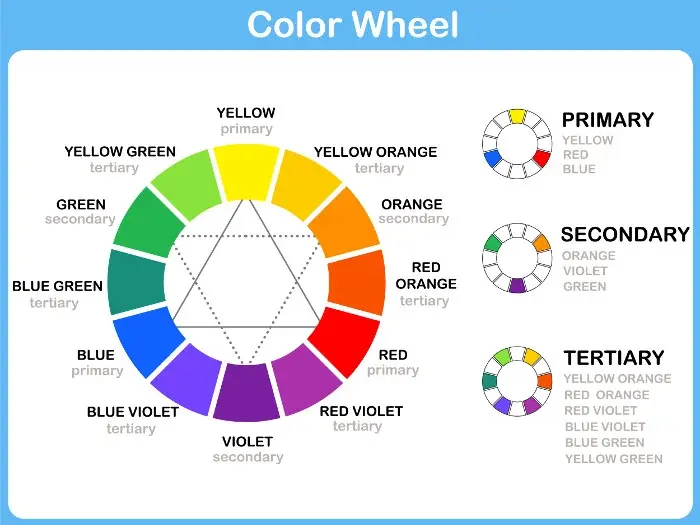
Emphasis is used to create a focal point, ensuring the viewer knows exactly where to look first. Artists achieve this through high contrast in color, size, or detail. Movement guides the viewer’s eye through the work, often using leading lines or repeating shapes to create a path. Unity ensures that all elements feel like they belong together, preventing the piece from appearing disjointed or cluttered. When these principles are applied intentionally, they transform a simple collection of shapes into a compelling visual experience.
How to use the rule of thirds for better composition
The rule of thirds is a foundational technique that divides an image into a grid of nine equal rectangles using two horizontal and two vertical lines. By placing the most important elements of a composition along these lines or at their intersections, artists create more dynamic and balanced images. This method prevents the common mistake of placing the subject dead-center, which can often make a composition feel static or overly formal.
To implement the rule of thirds effectively, follow these steps:
- Visualize or draw a 3x3 grid over your canvas or viewfinder.
- Identify the primary subject you want to highlight.
- Align your subject with one of the four intersection points.
- Use the horizontal lines to define the horizon or major structural boundaries.
- Place secondary elements along the remaining lines to create a sense of visual harmony.
Why negative space matters in art
Negative space is the area surrounding the main subject of a work, often called the "empty" space. Beginners frequently overlook this element, focusing entirely on the subject while neglecting the background. However, negative space is just as important as positive space because it defines the boundaries of the subject and gives the eye a place to rest. Without sufficient negative space, a composition can feel cramped, chaotic, or overwhelming to the viewer.
Effective use of negative space can drastically change the mood of a piece. A large amount of empty space around a small subject can evoke feelings of loneliness, vastness, or tranquility. Conversely, filling the frame with positive space can create a sense of intensity, claustrophobia, or energy. To master this, try sketching a subject and consciously drawing the shapes created by the background rather than the object itself. This shift in perspective helps artists understand how the relationship between the subject and its environment dictates the overall impact of the work.
Common mistakes when arranging visual elements
Many artists struggle with composition because they try to include too many competing focal points. When every part of a painting demands equal attention, the viewer becomes confused and loses interest. Another frequent error is ignoring the "flow" of the image, where lines lead the eye off the canvas rather than keeping it contained within the frame. This lack of direction causes the viewer to glance at the work and move on quickly instead of engaging with the details.
To avoid these pitfalls, consider these practical adjustments:
- Limit your focal points to one or two primary areas of interest.
- Ensure leading lines point toward the center of the action rather than the edges.
- Vary the scale of your objects to create depth and interest.
- Avoid placing major elements exactly halfway across the canvas, as this creates a distracting split.
- Use consistent lighting to tie disparate elements together into a single, cohesive scene.
How to improve your composition skills
Improving your compositional ability requires a combination of analytical observation and consistent practice. Start by studying the works of masters like Johannes Vermeer or Edgar Degas, who were renowned for their sophisticated use of space and light. Look at how they utilized geometric shapes and color temperature to pull the viewer into the scene. By deconstructing their work, you can begin to see the underlying scaffolding that supports their most famous paintings.
Practical exercises are essential for internalizing these concepts. Try creating "thumbnails," which are small, quick sketches that focus solely on the arrangement of shapes without worrying about detail or color. By limiting yourself to 5-minute sketches, you learn to prioritize the overall structure of the image. Experiment with different cropping techniques on your own photographs or drawings to see how shifting the frame alters the narrative. Over time, these exercises will allow you to instinctively organize your work, turning the complex theory of composition into a natural part of your creative process.
Key facts
- The rule of thirds suggests placing focal points along lines that divide an image into nine equal segments.
- Leading lines, such as paths or fences, naturally guide the viewer's eye toward the main subject.
- Negative space, or the empty area around a subject, prevents clutter and emphasizes the focal point.
- Balance can be symmetrical, creating a formal mood, or asymmetrical, which feels more dynamic and natural.
- Framing uses elements like windows or tree branches to create a border that draws attention inward.
- The golden ratio is a mathematical proportion, roughly 1.618, used by artists since antiquity to create aesthetically pleasing compositions.
The bottom line
Composition is the intentional arrangement of visual elements within a work of art to create balance, harmony, and focus. By mastering techniques like the rule of thirds, leading lines, and effective use of negative space, you can guide the viewer’s experience and strengthen your artistic message. Understanding these structural foundations allows you to communicate more clearly and create images that are both visually engaging and professionally polished.
People also ask
Does composition only apply to painting?
No, composition is a fundamental principle in all visual arts, including photography, graphic design, architecture, and film. It serves as the structural framework for arranging elements in any two-dimensional or three-dimensional space.
How can I improve my composition when starting a new piece?
Begin by identifying your primary subject and deciding where it should sit within the frame. Use a simple thumbnail sketch to test different arrangements before committing to the final version.
What is the most common mistake beginners make?
The most frequent error is "center-weighting," where the subject is placed dead-center, often making the image feel static or boring. Off-centering the subject usually creates a more engaging and balanced visual flow.
How does color affect composition?
Color creates visual weight; bright, high-contrast, or warm colors tend to draw the eye faster than muted or cool tones. Artists use these color hierarchies to direct the viewer’s focus across the work.
What is the difference between balance and symmetry?
Symmetry is a specific type of balance where both sides of an image are identical, while balance refers to the overall distribution of visual weight. A composition can be perfectly balanced without being symmetrical.
Can I break the rules of composition?
Yes, rules are guidelines rather than laws. Experienced artists often intentionally break traditional rules to create tension, discomfort, or a specific emotional impact in their work.
This answer was created with the help of AI research tools and reference sources. Spotted an error? Let us know — we correct mistakes quickly. See our editorial policy.