What is the difference between stippling and pointillism?
Short answer
Stippling uses dots of a single color, typically black ink, to create shading and texture through varying density. Pointillism is a specific painting technique that uses small, distinct dots of pure color applied in patterns to form an image. While both rely on dots, stippling focuses on value, whereas pointillism focuses on optical color mixing.
On this page
What is the difference between stippling and pointillism?
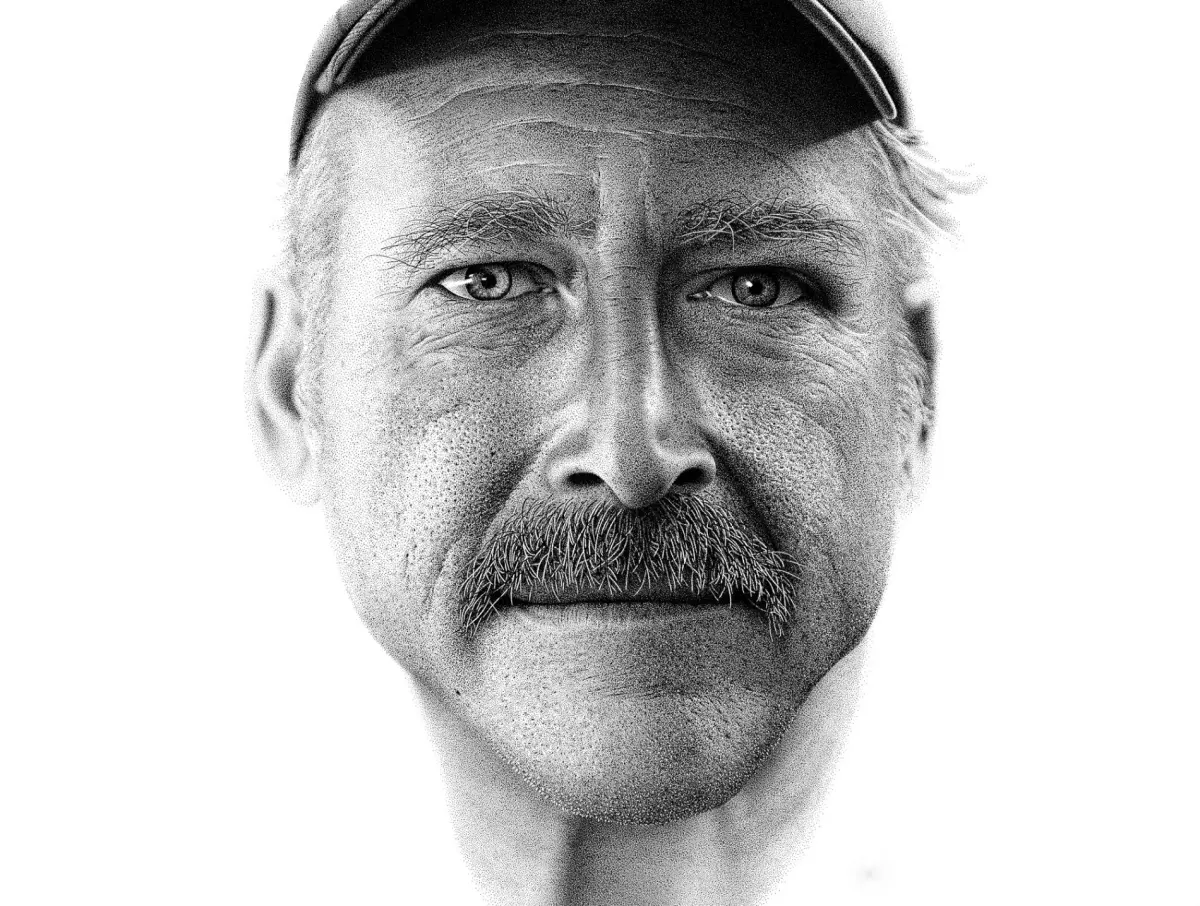
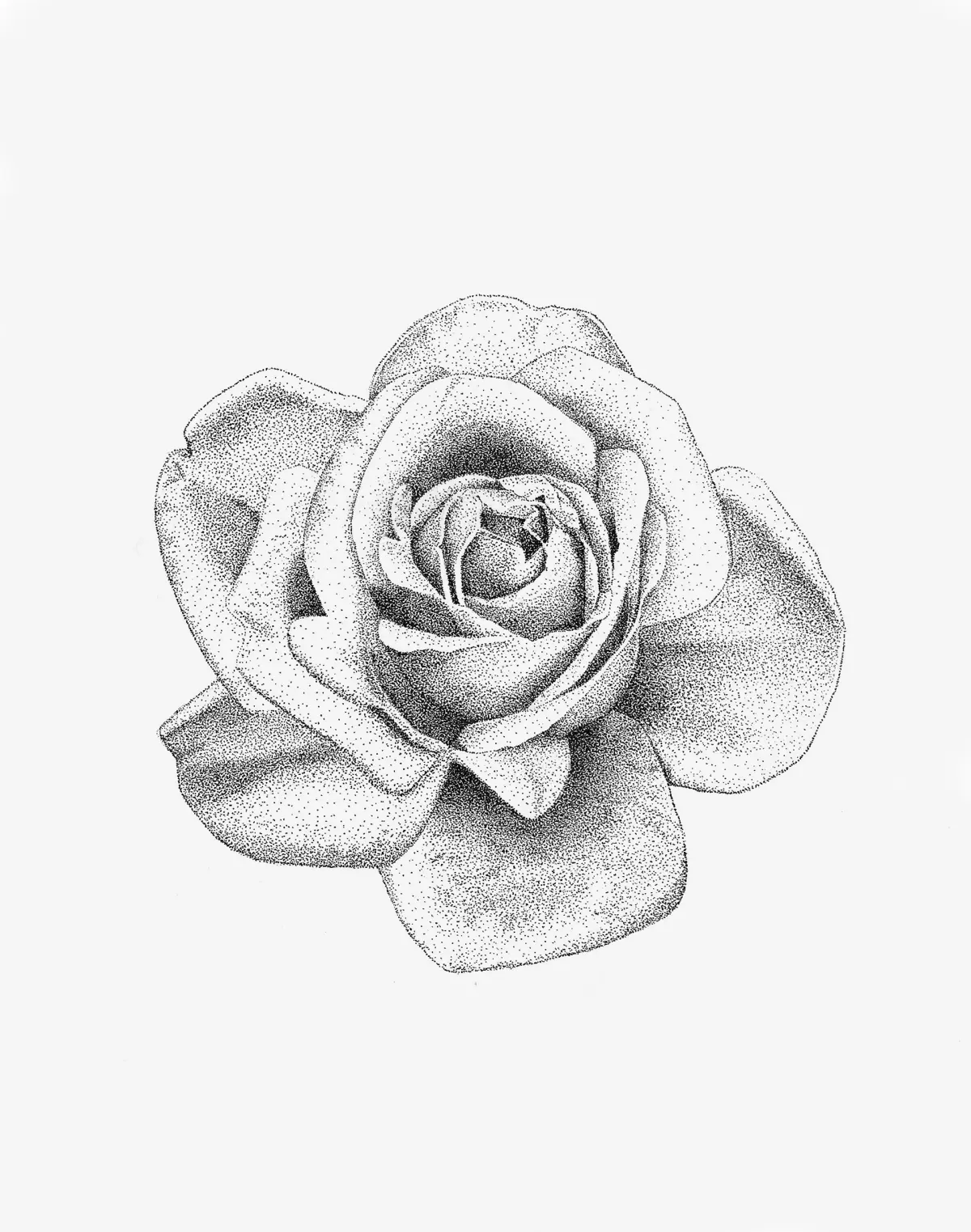
Stippling is primarily a monochromatic technique used in drawing, printmaking, and pen-and-ink illustration. The artist creates depth by clustering dots closer together for dark shadows and spacing them further apart for highlights. It is a method of rendering form through contrast and value, often requiring only a single fine-tipped pen.
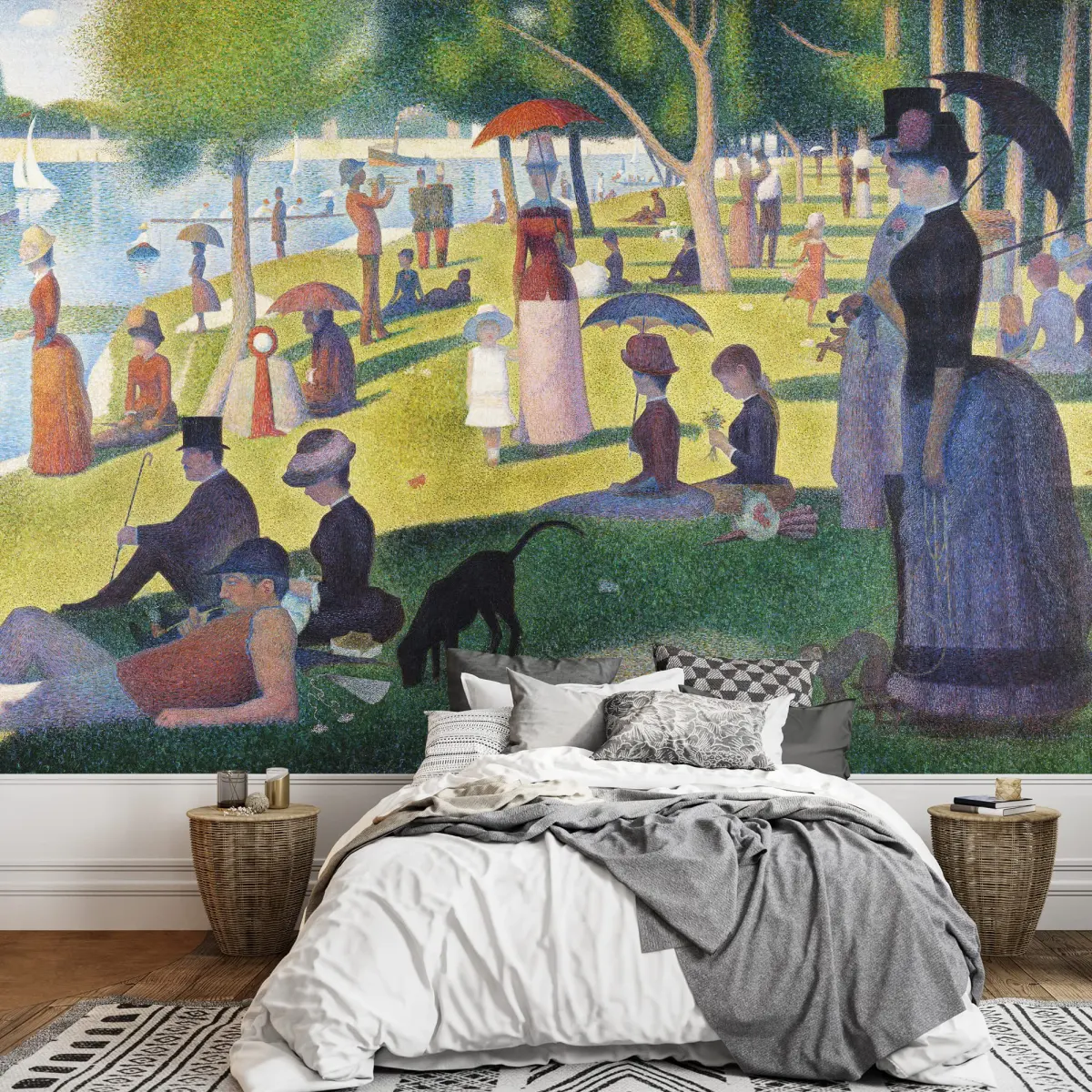
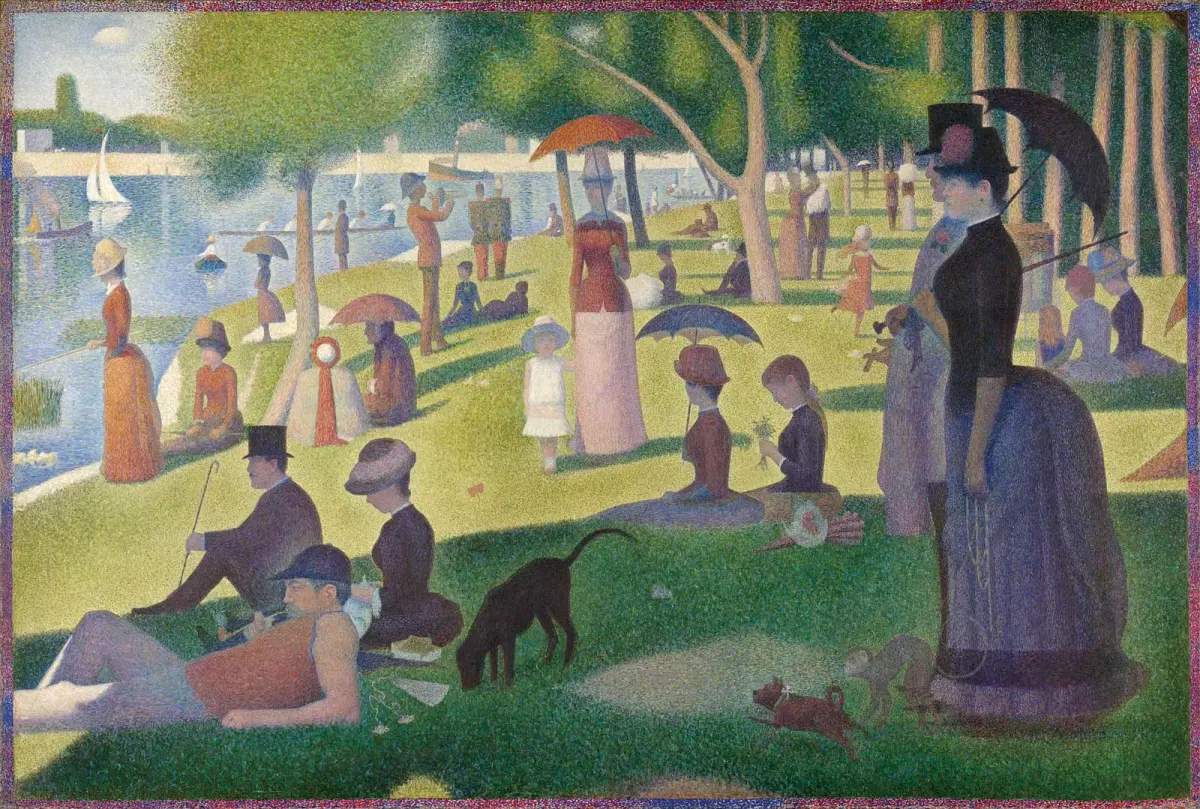
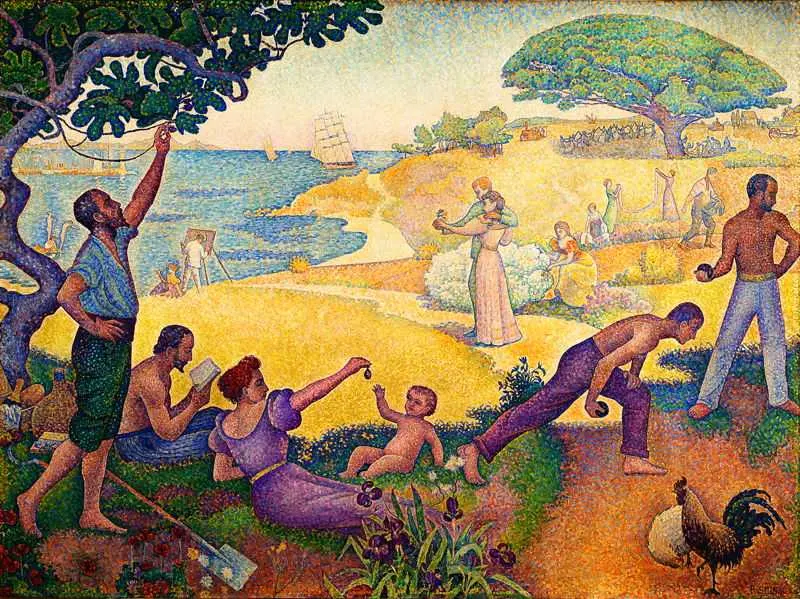
Pointillism, by contrast, emerged as a branch of Impressionism in the late 19th century, championed by artists like Georges Seurat and Paul Signac. It relies on the scientific theory of optical mixing, where the human eye blends adjacent dots of different colors to perceive a new hue. For example, placing tiny blue and yellow dots side-by-side creates the visual effect of green from a distance.
The fundamental distinction lies in their intent: stippling is about light and shadow, while pointillism is about color theory. Stippling can be performed on almost any surface with a marking tool, whereas pointillism is a deliberate, systematic approach to painting that requires a precise understanding of how pigments interact when viewed from afar.
How to start stippling for beginners
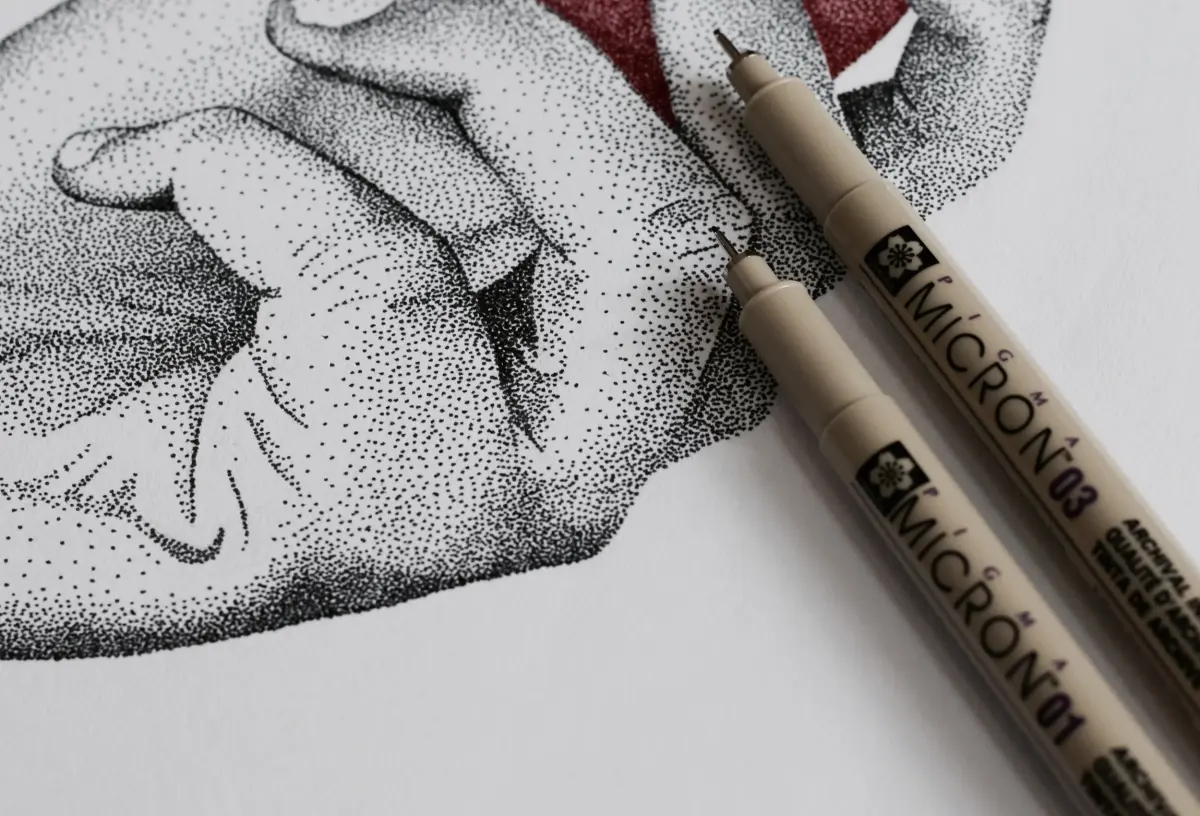
To begin stippling, you need a smooth, high-quality paper that will not bleed, such as Bristol board, and a technical pen with a consistent ink flow. Start by practicing a gradient scale to understand how dot density affects the perceived darkness of an area. Keep your hand steady and maintain a consistent vertical angle to ensure each dot is uniform in size.
- Sketch your subject lightly with a graphite pencil to establish boundaries.
- Begin with the darkest areas, placing dots very close together until they almost touch.
- Gradually increase the distance between dots as you move toward the lighter areas.
- Use a cross-hatching or random pattern to avoid creating visible lines that distract from the texture.
Patience is the most critical component of this process, as a single drawing can take dozens of hours to complete. Avoid the urge to "fill in" areas with solid lines, as this breaks the stippling effect and flattens the image.
Best tools for pointillism painting
Pointillism requires pigments that remain vibrant and distinct, making acrylics or oils the preferred mediums. Because the technique involves placing dots side-by-side without blending them on the palette, you should choose high-quality, opaque paints. Small, round brushes or even specialized dotting tools are essential for maintaining the uniform size of the points across the canvas.
- Use round brushes with synthetic bristles for better control and shape retention.
- Select a canvas with a fine weave or a gessoed wood panel to prevent the paint from sinking into the texture.
- Keep a damp cloth nearby to clean your brush frequently, as dried paint on the tip will ruin the precision of your dots.
- Use a palette with many small wells to keep your colors separated and clean throughout the painting process.
By keeping your tools clean and your paint consistency slightly thicker than usual, you ensure that each dot retains its shape. This prevents the colors from bleeding into one another, which is essential for the optical mixing effect to function correctly.
Why optical mixing happens in pointillism
The phenomenon behind pointillism is known as "divisionism" or "optical mixing." When an observer views a painting from a distance, the eye is unable to distinguish the individual, tiny dots of color. Instead, the brain averages the colors together, creating a vibrant, luminous effect that is often more intense than if the colors had been physically mixed on a palette.
This technique was a reaction against the traditional method of mixing pigments, which often resulted in "muddy" or dull colors. By keeping the colors pure and separate, artists like Seurat achieved a shimmering quality in their work, particularly when depicting light reflecting off water or atmosphere. The success of the technique depends heavily on the viewer's distance; if you stand too close, the illusion breaks down into a collection of chaotic spots.
Common mistakes when using dotting techniques
A frequent error in both stippling and pointillism is the lack of patience, leading to rushed or uneven dot placement. In stippling, beginners often create "dot trails" or lines that look like scratches rather than distinct points. In pointillism, the most common mistake is using dots that are too large or inconsistent in shape, which makes the image look messy rather than intentional.
- Avoid "dragging" the pen or brush, which creates unwanted lines instead of dots.
- Do not make the dots too uniform in a grid pattern, as this can create a distracting, mechanical look that lacks organic flow.
- Ensure your light source is consistent; if your dot density changes randomly, the three-dimensional form of your subject will disappear.
- Take frequent breaks, as the repetitive motion can lead to hand fatigue, which inevitably results in sloppy, inconsistent dotting.
By focusing on the rhythm of the application and maintaining a consistent distance from your work, you can master these techniques and create images with remarkable depth and luminosity. Practice these methods slowly, and you will soon see how simple dots can transform into complex, professional-grade art.
Key facts
- Stippling uses only one color of ink or pigment, typically black, to create shading through varying dot density.
- Pointillism relies on the optical mixing of multiple pure colors placed side-by-side to create the illusion of a third color.
- Stippling is a technique primarily focused on value, contrast, and texture rather than color theory.
- Pointillism was pioneered by Georges Seurat and Paul Signac in the mid-1880s as a branch of Neo-Impressionism.
- When stippling, increase dot density in shadow areas and decrease it in highlights to achieve a smooth gradient.
- A common mistake in pointillism is blending colors on the palette; the dots must remain distinct to allow the viewer's eye to blend them.
The bottom line
The primary difference between these techniques lies in their objective: stippling uses monochromatic dots to define light and shadow, while pointillism uses a spectrum of colors to exploit optical mixing. Stippling is a foundational skill for mastering tonal value in drawing, whereas pointillism is a specialized color theory application. Understanding this distinction allows artists to choose the right method for their desired visual impact and color complexity.
People also ask
Can stippling be done with colored pens?
While stippling can technically be done with color, it is defined by using density to create value rather than color interaction. If you use multiple colors to create a new hue, you have moved into the realm of pointillism.
What tools are best for stippling?
Fine-liner pens, technical pens, or sharp-pointed brushes are ideal for stippling. These tools allow for precise, consistent dot sizes, which are essential for controlling the depth of shadows in your drawing.
Why do pointillist paintings look blurry from a distance?
This happens because the human eye cannot resolve the individual dots from afar. Instead, the brain merges the adjacent colors, resulting in a perceived color that is often more vibrant than if the pigments were mixed physically.
Is stippling the same as cross-hatching?
No, cross-hatching uses intersecting lines to create tone, while stippling uses individual dots. Both are effective methods for shading, but stippling generally requires more time to achieve a smooth, photographic transition.
How long does a pointillist painting take to complete?
Pointillism is an extremely time-consuming process that requires thousands of individual dots. Famous works like Seurat’s "A Sunday on La Grande Jatte" took two years to finish due to the meticulous nature of the technique.
Can I use stippling for digital art?
Yes, many digital artists use stippling brushes in software like Procreate or Photoshop to mimic traditional ink work. It remains a popular way to add organic, hand-drawn texture to clean digital illustrations.
This answer was created with the help of AI research tools and reference sources. Spotted an error? Let us know — we correct mistakes quickly. See our editorial policy.