What is a nocturne in art?
Short answer
A nocturne is a painting or musical composition inspired by or evocative of the night. In visual art, the term specifically describes scenes characterized by dark, atmospheric tones, moonlight, and artificial light sources. Popularized by James Abbott McNeill Whistler in the 1870s, these works emphasize mood and harmony over realistic detail.
On this page
What defines a nocturne painting?
A nocturne painting captures the essence of nighttime through a limited color palette, typically dominated by deep blues, grays, and blacks. Unlike traditional landscape paintings that rely on bright sunlight to define forms, nocturnes prioritize the subtle interplay of shadow and light. Artists often focus on the way moonlight reflects off water or how the soft glow of a streetlamp illuminates a dark street corner.
The primary goal of a nocturne is to evoke a specific emotional state rather than to document a precise location. By obscuring fine details in darkness, the artist encourages the viewer to focus on the overall atmosphere, mood, and tonal harmony of the scene. This approach aligns closely with the Tonalist movement, which favored poetic, dreamlike qualities.
- Emphasis on low-contrast values.
- Use of cool, muted color schemes.
- Incorporation of soft, diffused light sources.
- Focus on silhouettes and simplified shapes.
Who are the most famous nocturne artists?
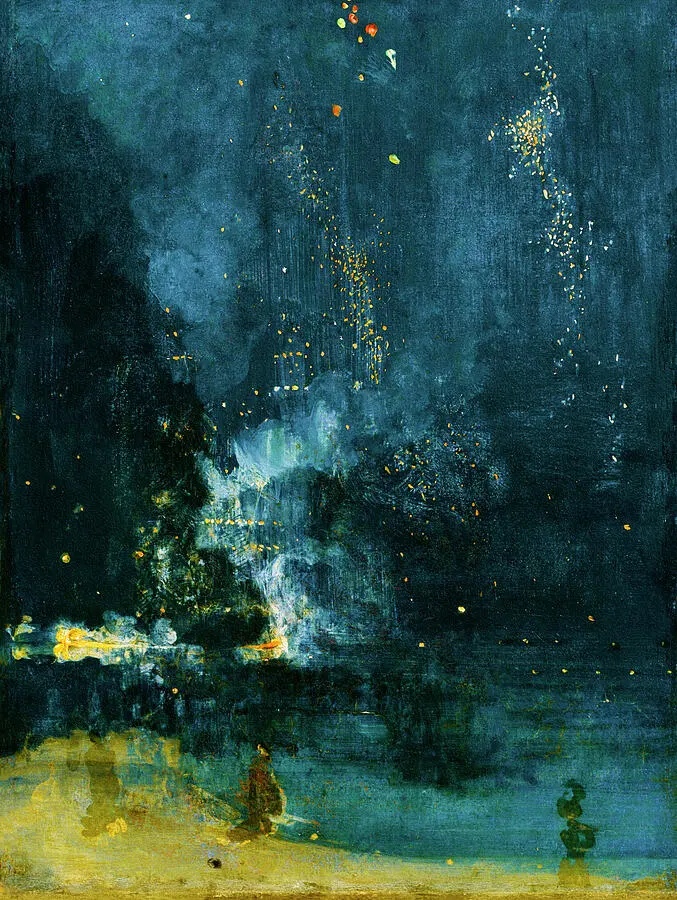
James Abbott McNeill Whistler is the artist most responsible for popularizing the term in the visual arts. In the 1870s, he began titling his paintings of the Thames River as "Nocturnes," borrowing the musical terminology used by Frédéric Chopin. His works, such as Nocturne in Blue and Gold: Old Battersea Bridge, became iconic for their abstraction and focus on color arrangement.
Other artists also explored the night, though they did not always use the term nocturne. For instance, Vincent van Gogh’s The Starry Night and Café Terrace at Night are quintessential examples of nocturnal art. These works utilize vibrant, swirling colors to convey the intensity of the night sky, contrasting with the more subdued, melancholic approach favored by Whistler and his followers.
- James Abbott McNeill Whistler: Known for his atmospheric London river scenes.
- Vincent van Gogh: Famous for expressive, high-contrast night skies.
- John Atkinson Grimshaw: Celebrated for his highly detailed, moonlit Victorian street scenes.
- Edward Hopper: Often depicted the lonely, artificial light of city nights.
How to paint a nocturne for beginners
Painting a nocturne requires a shift in how you perceive light and color. Begin by selecting a subject with a strong light source, such as a streetlamp, a window, or the moon. Avoid the common mistake of using pure black paint for shadows, as this can make your work look flat and muddy. Instead, mix your own darks using deep blues, burnt umber, and alizarin crimson.
To achieve success, focus on establishing your darkest values first. Once the foundation is set, gradually introduce the light sources, keeping them relatively small to maintain the feeling of darkness. Remember that in low light, colors become desaturated and the human eye struggles to distinguish between hues, so prioritize value contrast over color intensity.
- Keep your palette limited to avoid messy, muddy colors.
- Use a large brush for the initial dark washes to maintain fluidity.
- Add highlights last to ensure they remain crisp and luminous.
- Squint at your subject to simplify the scene into basic shapes.
Common mistakes when painting nocturnes
One of the most frequent errors beginners make is over-detailing the scene. Because the human eye cannot see clearly in the dark, adding too much information destroys the mysterious, atmospheric quality essential to a nocturne. If you find your painting looks like a daytime scene painted with blue paint, you have likely included too many mid-tones and sharp edges.
Another common mistake is failing to manage the "light spill." Light does not stop abruptly; it fades into the darkness through a soft transition known as a gradient. Beginners often paint light sources as harsh, isolated shapes. Instead, practice blending the edges of your light sources into the surrounding darkness to create a more realistic, glowing effect that feels integrated into the environment.
- Avoid using white paint directly from the tube for highlights.
- Do not attempt to paint every leaf or brick in the shadows.
- Ensure your light sources have a soft, feathered edge.
- Check your values by viewing your painting in a mirror or in grayscale.
Why nocturnes remain popular in art
Nocturnes continue to captivate audiences because they offer a sense of intimacy and stillness that is rarely found in daylight scenes. In a world that is often busy and over-stimulated, the quiet, contemplative nature of a nocturne provides a visual sanctuary. These works invite the viewer to slow down and experience the world through a lens of mystery and quiet introspection.
Furthermore, the technical challenge of painting light in the dark remains a rite of passage for many landscape painters. Mastering the balance between deep, rich shadows and subtle, luminous highlights demonstrates a high level of control over color theory and value structure. Whether through the impressionistic strokes of the past or modern digital interpretations, the nocturne remains a vital genre that celebrates the beauty of the night.
Key facts
- A nocturne is a painting of a night scene, typically characterized by soft, diffused light and a moody, atmospheric quality.
- The term was popularized by American artist James Abbott McNeill Whistler in the 1870s to describe his series of Thames River paintings.
- Nocturnes prioritize color harmony and tonal values over precise detail, often blurring the lines between objects to create a sense of mystery.
- To paint a nocturne, use a limited palette of cool, dark colors like indigo, Prussian blue, and burnt umber to establish the nighttime mood.
- Avoid using pure black; instead, mix dark complementary colors to create "chromatic blacks" that provide more depth and visual interest.
- When painting at night, focus on capturing the glow of artificial light sources, such as streetlamps or moonlight, against the dark environment.
The bottom line
The nocturne is a captivating artistic genre that captures the essence of the night through mood, tone, and atmospheric light. By shifting focus away from sharp detail and toward harmonious color relationships, artists create immersive, dreamlike environments. Whether you are observing a masterpiece or attempting to paint your own, remember that the true power of a nocturne lies in its ability to evoke emotion through shadow.
People also ask
How does a nocturne differ from a standard landscape painting?
A nocturne focuses specifically on the unique lighting conditions of the night, whereas a standard landscape usually depicts daylight. Nocturnes emphasize shadows and subtle light values rather than the high-contrast, sharp details found in daytime scenes.
Who is considered the most famous painter of nocturnes?
James Abbott McNeill Whistler is the most famous figure associated with the genre. He famously titled his works "Nocturnes" to emphasize their musical quality and emotional resonance rather than their literal subject matter.
Can nocturnes be painted in bright daylight?
While they represent the night, artists often paint nocturnes in the studio using sketches or photographs taken after dark. It is difficult to capture the true tonal range of night on-site, so many artists rely on memory and color studies to finalize the work.
Why do nocturne paintings often look blurry or abstract?
This effect is intentional, as the human eye loses the ability to perceive sharp edges and vibrant colors in low-light conditions. Artists use this "scumbling" or glazing technique to mimic the way the brain interprets visual information at night.
What is the best medium for creating a nocturne?
Oil paint is the preferred medium because its slow drying time allows for the subtle blending required to create soft, atmospheric transitions. Watercolors can also be used, though they require more planning to preserve the dark, rich tones of the night sky.
Is a "nocturne" the same thing as a "moonlight" painting?
While many nocturnes feature the moon, the term is broader and encompasses any night scene, including those lit by city lights, stars, or fire. A moonlight painting is a specific sub-genre that focuses on the moon as the primary light source.
This answer was created with the help of AI research tools and reference sources. Spotted an error? Let us know — we correct mistakes quickly. See our editorial policy.