What is Gustav Klimt's most famous painting?
Short answer
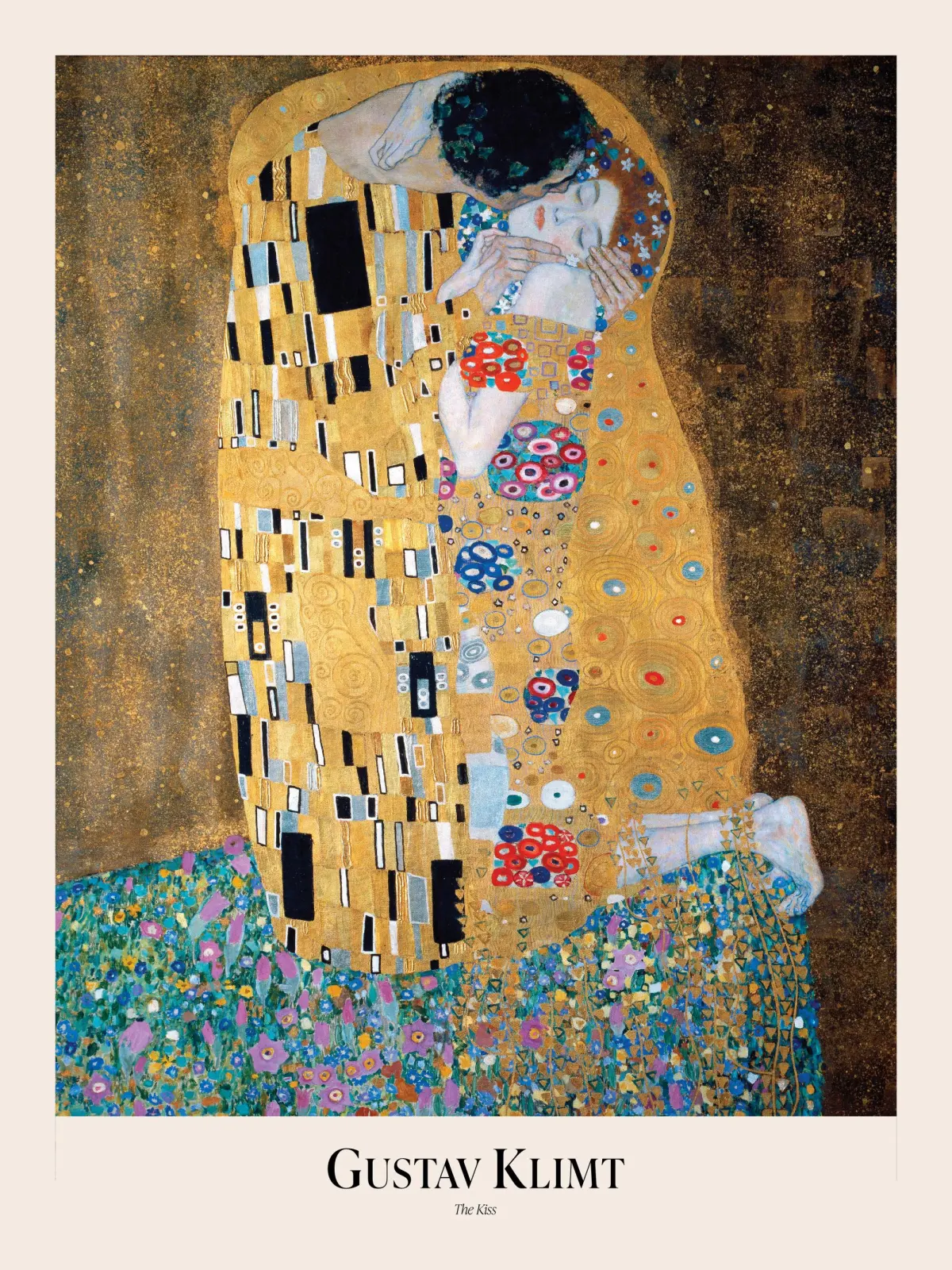
Gustav Klimt’s most famous painting is The Kiss, created between 1907 and 1908. This iconic masterpiece, measuring 180 by 180 centimeters, is currently housed at the Belvedere Museum in Vienna, Austria. It represents the pinnacle of the artist’s "Golden Phase," characterized by the extensive use of gold leaf and intricate, decorative patterns.
On this page
What makes The Kiss so famous?
The Kiss is widely considered the definitive work of the Vienna Secession movement. Its global popularity stems from the striking contrast between the realistic, tender depiction of the couple’s faces and the highly stylized, abstract garments they wear. By blending Byzantine-inspired mosaics with Art Nouveau sensibilities, Klimt created an image that feels both ancient and modern. The painting captures a moment of intimacy that transcends specific cultural boundaries, making it a universal symbol of romantic love.
Beyond its aesthetic appeal, the painting’s fame is tied to the lavish materials used in its creation. Klimt applied genuine gold leaf to the canvas, a technique he learned from observing medieval religious icons. This choice elevates the figures, placing them in a spiritual or otherworldly dimension. The work has been reproduced countless times on everything from postcards to luxury goods, cementing its status as one of the most recognizable images in Western art history.
Where can you see The Kiss in person?
To view the original painting, you must visit the Upper Belvedere palace in Vienna, Austria. The museum has dedicated a specific room to Klimt's work, allowing visitors to stand directly before the large-scale canvas. Because the painting is considered a national treasure of Austria, it is almost never loaned out for international exhibitions, making a trip to Vienna the only way to experience the piece in its intended context.
If you are planning a visit, keep these tips in mind to ensure a smooth experience:
- Book your tickets online in advance to avoid long queues at the museum entrance.
- Visit during weekday mornings to experience the gallery with fewer crowds.
- Check the museum’s official website for temporary closures or special conservation projects.
- Use the museum’s audio guide, which provides excellent context regarding the painting’s history and the artist’s life.
How do I understand the symbolism in the painting?
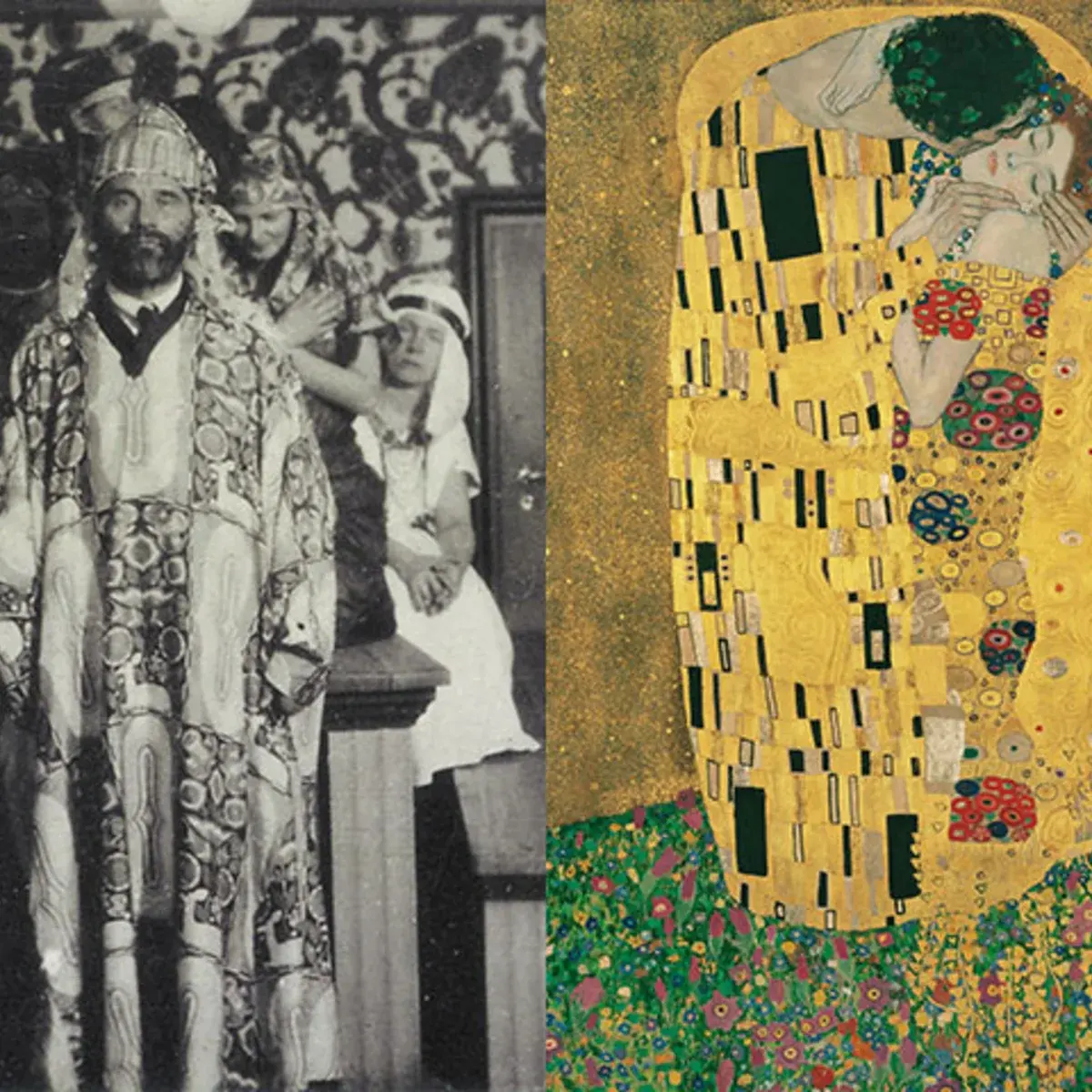
The symbolism in The Kiss is deeply rooted in the tension between the masculine and feminine forms. The man’s robe is decorated with rigid, rectangular shapes, symbolizing strength and stability, while the woman’s garment features soft, floral, and circular motifs, representing fertility and grace. These contrasting geometric patterns are not merely decorative; they serve as a visual language that explains the complementary nature of the two figures.
Scholars often interpret the painting as a manifestation of the "total work of art" or Gesamtkunstwerk. The couple is perched on a precipice, suggesting that their love is both a refuge and a dangerous act of defiance against the rigid social norms of early 20th-century Vienna. By stripping away the background and focusing entirely on the embrace, Klimt forces the viewer to confront the raw, emotional intensity of the subjects.
Common mistakes when analyzing Klimt's work
A frequent error when viewing The Kiss is assuming that the painting depicts a specific mythological or historical couple. While some historians speculate that the figures represent Klimt and his lifelong companion, Emilie Flöge, there is no definitive proof to support this. Treating the painting as a biographical portrait limits the viewer's ability to appreciate its broader, more universal themes of human connection and eroticism.
Another common mistake is ignoring the influence of the Byzantine mosaics in Ravenna, Italy. Many viewers focus solely on the Art Nouveau style, missing the historical weight of the gold-leaf application. To better understand the painting, consider these steps:
- Research the religious art of the Middle Ages to see the inspiration for the golden halos and robes.
- Observe the way the gold leaf reflects light in the gallery, which changes the appearance of the painting throughout the day.
- Compare the painting to Klimt’s earlier, darker works to see how his style evolved toward the brightness of the Golden Phase.
Why is the Golden Phase so significant?
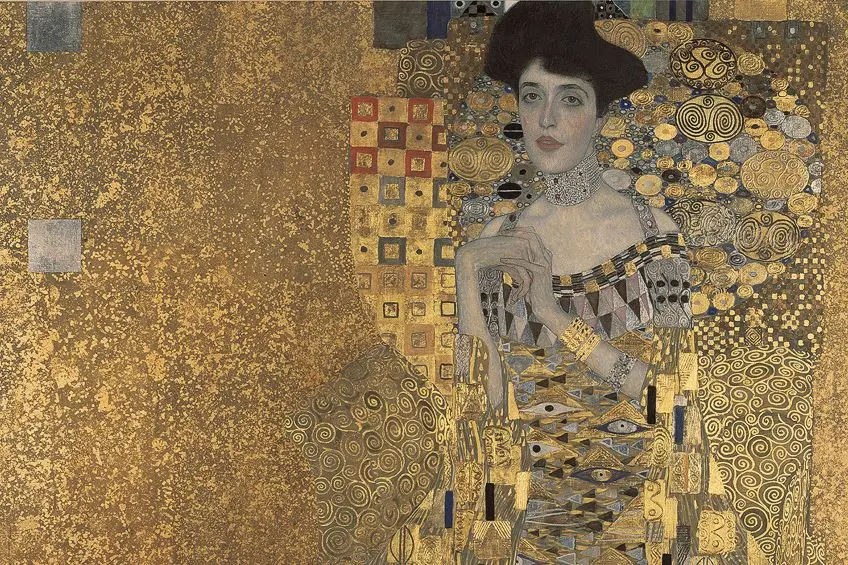
Klimt’s Golden Phase, which occurred roughly between 1899 and 1910, represents a radical departure from his earlier academic training. During this period, he moved away from traditional portraiture to embrace a highly ornamental style that challenged the conventions of the time. This phase allowed him to experiment with texture and light in ways that had never been attempted in contemporary oil painting, effectively bridging the gap between fine art and decorative craft.
The significance of this period lies in its unapologetic embrace of beauty and luxury during a time of social and political upheaval in the Austro-Hungarian Empire. While critics at the time sometimes dismissed his work as overly decorative, history has vindicated his vision. The Golden Phase remains the most celebrated era of his career, proving that decorative elements can carry profound emotional weight. By prioritizing the aesthetic experience, Klimt created a legacy that continues to influence modern graphic design, fashion, and visual storytelling across the globe today.
Key facts
- Gustav Klimt’s most famous painting is titled The Kiss, created between 1907 and 1908.
- The artwork is a square-format oil painting on canvas measuring 180 by 180 centimeters.
- It is currently housed in the Österreichische Galerie Belvedere in Vienna, Austria.
- The painting features extensive use of gold leaf, a technique inspired by Byzantine mosaics.
- The figures depict a couple embracing in a field of flowers, with the man’s robe featuring geometric rectangles and the woman’s featuring soft, floral circles.
- When visiting the museum, avoid using flash photography, as light exposure can damage the delicate gold leaf and pigments over time.
The bottom line
The Kiss remains Gustav Klimt’s most iconic masterpiece, celebrated for its opulent use of gold leaf and profound emotional resonance. As the defining work of the Vienna Secession, it perfectly balances decorative patterns with human intimacy. Visitors to the Belvedere Museum can experience its massive scale firsthand, witnessing how Klimt transformed traditional portraiture into a timeless, shimmering symbol of love that continues to captivate global audiences.
People also ask
What does the imagery in The Kiss represent?
The painting depicts a couple locked in an intimate embrace, symbolizing the transcendence of love. The figures are grounded in a floral meadow, suggesting a union between humanity and nature.
Why did Klimt use so much gold in his paintings?
Klimt was heavily influenced by medieval Byzantine mosaics he saw in Ravenna, Italy. He used gold leaf to create a sense of spiritual or eternal value, elevating his subjects to a divine status.
Is The Kiss considered part of a specific art movement?
Yes, it is the pinnacle of the Vienna Secession movement. This group of artists broke away from traditional academic art to explore modern, decorative, and symbolic styles.
Can I see the original painting in person?
Yes, the painting is on permanent display at the Belvedere Museum in Vienna. It is the centerpiece of their collection and attracts millions of visitors annually.
Was The Kiss controversial when it was first shown?
The painting was considered quite bold for its time due to its overt sensuality and non-traditional composition. However, it was purchased by the Austrian government immediately after its first exhibition.
How should I identify an authentic Klimt print or reproduction?
Authentic prints should list the specific museum collection and the exact dimensions of the original work. Avoid low-quality digital prints that lack the metallic sheen or textured depth of the original gold-leaf application.
This answer was created with the help of AI research tools and reference sources. Spotted an error? Let us know — we correct mistakes quickly. See our editorial policy.