What is fresco painting?
Short answer
Fresco is a mural painting technique where pigments are applied directly onto wet lime plaster. As the plaster dries, a chemical reaction called carbonation bonds the pigment into the wall, making the image a permanent part of the structure. This ancient method produces durable, matte-finish artworks that define many historical masterpieces.
On this page
How does fresco painting work?
Fresco painting relies on the chemical process of carbonation. When lime plaster is applied to a wall, it contains calcium hydroxide. As it reacts with carbon dioxide in the air, it transforms into calcium carbonate, which is essentially limestone. By applying pigments mixed only with water onto the wet surface, the pigment particles become trapped within this crystalline structure as it hardens. This ensures the painting is not merely a layer sitting on top of the wall, but a structural component of the plaster itself.
There are two primary variations of this technique: buon fresco (true fresco) and fresco secco (dry fresco). Buon fresco is the traditional method described above, requiring the artist to work while the plaster is damp. Fresco secco involves painting on dry plaster, often using a binding agent like egg yolk or glue to stick the pigment to the surface. While fresco secco allows for more detail and a slower pace, it is significantly less durable than buon fresco because the paint does not chemically bond with the wall.
What materials are needed for fresco?
To begin a fresco project, you must source high-quality materials to ensure the longevity of the work. The plaster base, known as the arriccio and the intonaco, is made from slaked lime and sand. The lime must be aged, sometimes for years, to achieve the correct consistency and chemical stability. Pigments must also be carefully selected, as they must be lime-proof; otherwise, the alkaline nature of the plaster will cause the colors to fade or change over time.
- Aged slaked lime putty (calcium hydroxide).
- Clean, sharp river sand or marble dust.
- Lime-proof mineral pigments (earth tones are most reliable).
- Distilled water for mixing.
- Natural hair brushes that can withstand the abrasive surface.
- A wooden float or trowel for smoothing the plaster.
Avoid synthetic pigments, as they often react poorly with lime. Always test your colors on a small sample of plaster before committing to a larger wall surface to ensure they remain stable once the lime begins to cure.
How do you prepare a wall for fresco?
Preparation is the most labor-intensive part of the process, as the wall must be perfectly structured to support the weight and chemical needs of the plaster. First, the masonry surface must be roughened to create a "key" for the plaster to grip. A coarse base layer of plaster, the arriccio, is applied to the wall and left to dry completely. This layer provides the foundation and helps control moisture absorption from the final layer.
The final layer, the intonaco, is applied only to the section of the wall that the artist can finish in a single day, known as a giornata. This is a critical step because once the intonaco dries, the chemical bonding process stops, and you can no longer paint buon fresco on that area. If you attempt to add more plaster the next day, you will create a visible seam. Planning your composition in advance is essential to ensure that your giornata sections align with the natural contours of your design.
Common mistakes when painting fresco
The most frequent error beginners make is failing to account for the rapid drying time of the plaster. If the wall dries too quickly, the pigment will sit on the surface like dust rather than bonding with the lime. This results in a painting that flakes off or rubs away within a few years. To prevent this, artists often mist the wall with water or work in a humid environment to keep the surface receptive to the paint for a longer duration.
Another common mistake involves using too much pigment or applying it too thickly. Because the paint is absorbed into the plaster, thick layers can crack or peel as the wall undergoes the carbonation process. It is better to apply thin, translucent washes of color, building up the depth of the image gradually. If you notice the plaster beginning to "blush" or turn white, it means the carbonation has already started, and you should stop painting immediately to avoid ruining the surface texture.
Why is fresco painting historically significant?
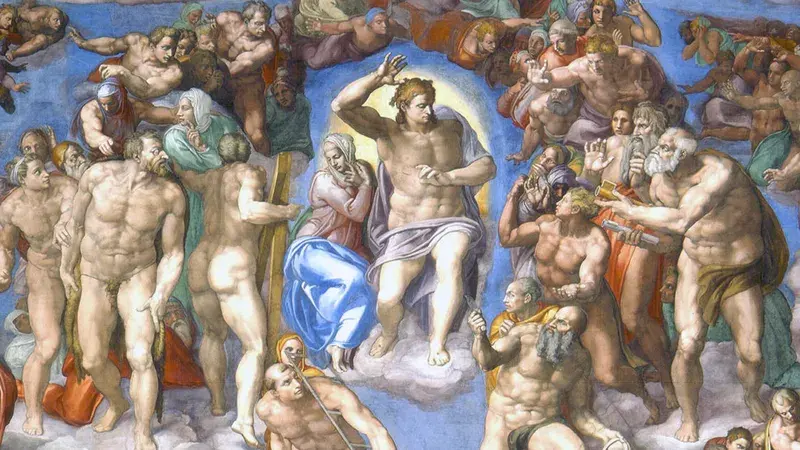
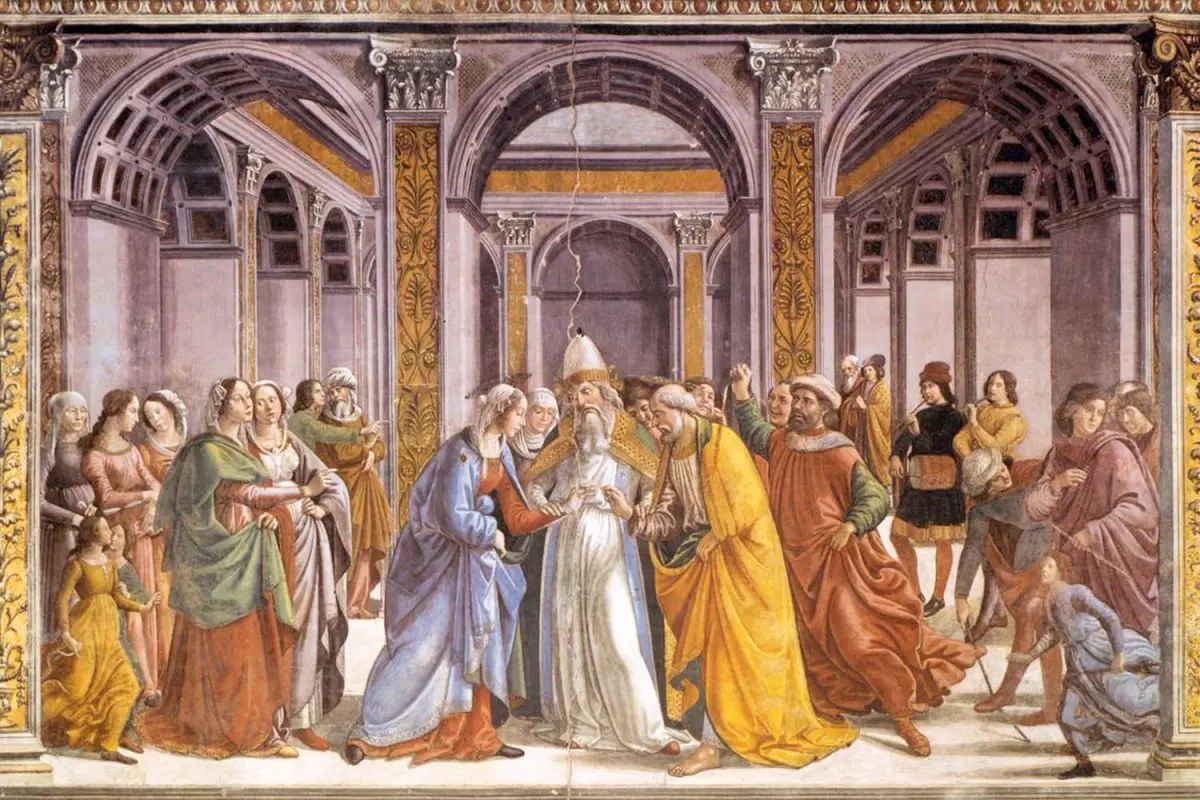
Fresco painting has been the medium of choice for monumental art for thousands of years, from the Minoan palaces of Crete to the Renaissance cathedrals of Italy. Its permanence makes it ideal for public spaces where art is intended to last for centuries. Because the technique requires such meticulous planning, it forced artists like Michelangelo and Raphael to develop highly disciplined methods of sketching and transferring designs, which elevated the status of drawing in Western art history.
The technical demands of the medium also influenced the aesthetic development of the Renaissance. The need to work quickly encouraged bold, gestural brushwork and a focus on essential forms rather than minute, decorative details. This shift toward clarity and structural integrity in painting mirrored the intellectual movements of the time. Today, fresco remains a revered craft, serving as a bridge between the physical chemistry of building materials and the expressive potential of fine art, ensuring its continued relevance in both restoration and contemporary mural practice.
Key facts
- Fresco is a technique of mural painting executed upon freshly laid, or wet, lime plaster.
- The word "fresco" comes from the Italian affresco, meaning "fresh," referring to the wet plaster base.
- Pigments are mixed only with water, allowing them to bind chemically with the plaster as it dries.
- The artist must work in sections called giornate, which translates to "a day's work," because the plaster must remain damp.
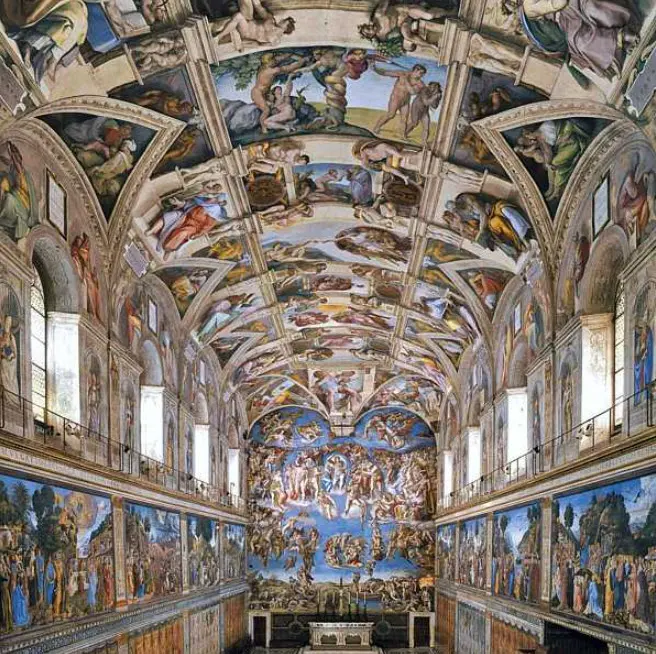
- Michelangelo’s Sistine Chapel ceiling, completed between 1508 and 1512, remains the most famous example of true fresco.
- A common mistake is allowing the plaster to dry too quickly, which prevents the pigment from bonding correctly and causes flaking.
The bottom line
Fresco painting is a demanding yet rewarding mural technique that relies on the chemical reaction between water-based pigments and wet lime plaster. By working in daily sections, artists create durable, vibrant images that become an integral part of the architecture. Though it requires immense patience and precision to master, the resulting longevity ensures that these works remain powerful testaments to human creativity for many centuries.
People also ask
What is the difference between buon fresco and fresco secco?
Buon fresco involves painting directly onto wet plaster, creating a permanent chemical bond. Fresco secco is the practice of painting on a dry wall, which is less durable and prone to peeling over time.
Why do fresco painters use giornate?
Because the plaster dries within 8 to 12 hours, the artist can only paint as much as they can finish in a single session. These small, daily patches are often visible upon close inspection of historical murals.
What kind of pigments are used in fresco painting?
Artists must use pigments that are lime-proof, meaning they will not react chemically with the alkaline lime in the plaster. Earth tones like ochre, umber, and terra verte are the most reliable choices for this medium.
How long does a fresco painting last?
When executed correctly on a stable wall, a fresco can last for centuries. Because the color becomes part of the wall structure itself, it is highly resistant to fading and environmental decay.
Can you correct mistakes in fresco painting?
Mistakes are difficult to fix because the paint sets almost instantly. If an error occurs, the artist must scrape away the wet plaster and reapply a fresh layer before continuing.
Is fresco painting still a common practice today?
While it is less common due to the labor-intensive process and the difficulty of the technique, some contemporary artists still use fresco. It is primarily taught in specialized fine arts programs and restoration workshops.
This answer was created with the help of AI research tools and reference sources. Spotted an error? Let us know — we correct mistakes quickly. See our editorial policy.