What is matte painting?
Short answer
Matte painting is a technique used in filmmaking and television to create realistic, expansive environments that would be too expensive or impossible to build on set. Artists paint detailed backgrounds on glass or digital canvases, which are then seamlessly blended with live-action footage to extend the scale of a scene.
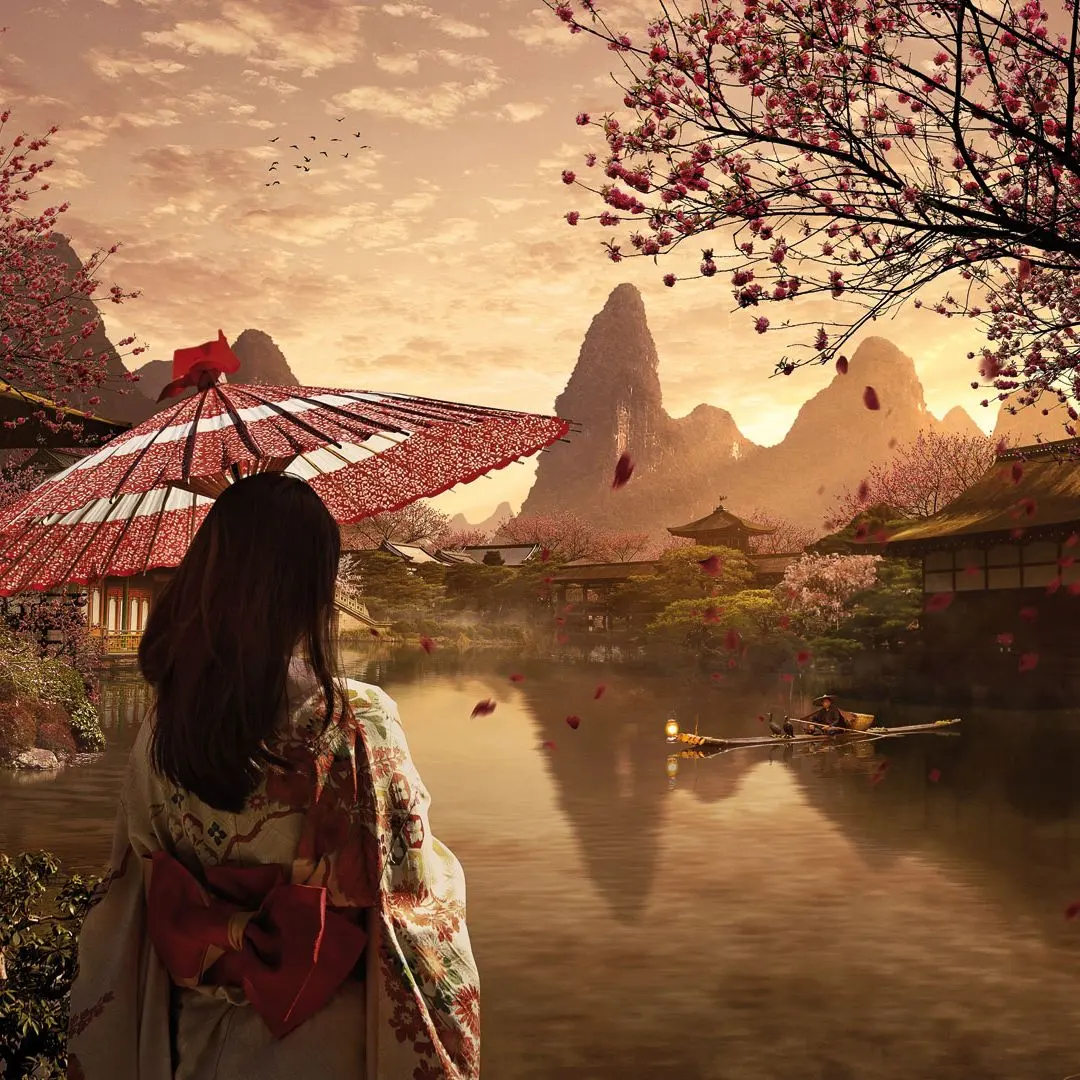
On this page
How does matte painting work?
Matte painting functions by masking off specific areas of a camera frame, allowing artists to insert painted elements that appear to exist within the physical space. Traditionally, artists painted intricate landscapes on large sheets of glass, leaving the areas where actors would perform as clear or blacked-out sections. The camera would film through the glass, capturing the live action while the painted background provided the illusion of a vast, unreachable location.
In modern production, this process has transitioned to digital workflows, yet the core principle remains identical. Artists use high-resolution photography, 3D models, and digital brushes to construct environments that match the perspective and lighting of the filmed footage. By combining these layers in compositing software, filmmakers can place characters into fantastical cities, ancient ruins, or alien worlds without ever leaving a soundstage. This technique is essential for maintaining visual continuity while managing production budgets effectively.
What are the different types of matte painting?
There are two primary categories of matte painting that define how the final image interacts with the viewer: static and dynamic. Static matte paintings are fixed, two-dimensional backdrops used in shots where the camera remains stationary. These are highly detailed, often requiring hours of meticulous work to ensure that every shadow and texture matches the lighting conditions of the live-action plate.
Dynamic matte painting, often referred to as digital set extension, involves moving elements that respond to camera movement. These shots require advanced techniques such as:
- Camera projection: Mapping a 2D painting onto 3D geometry to allow for parallax.
- Element integration: Adding moving parts like flickering lights, flowing water, or swaying trees.
- Matchmoving: Tracking the camera’s movement to ensure the background shifts realistically.
These methods allow for complex camera pans and tilts, making the painted environment feel like a tangible, three-dimensional space rather than a flat image.
How to get started with matte painting?
Learning matte painting requires a strong foundation in traditional art principles, specifically perspective, lighting, and color theory. Beginners should focus on mastering digital painting software like Adobe Photoshop, as it is the industry standard for creating the source plates. You must learn how to manipulate textures and blend photographic elements so that they appear as a single, cohesive image.
To begin your first project, follow these steps:
- Select a high-quality, neutral-lit reference photograph of a location.
- Define your horizon line and vanishing points to ensure correct perspective.
- Use a mix of photo-bashing—combining parts of different photos—and manual painting to extend the scene.
- Adjust the color balance and atmosphere, such as fog or haze, to push distant objects back into the background.
- Composite your final image over a simple live-action clip to test the blend.
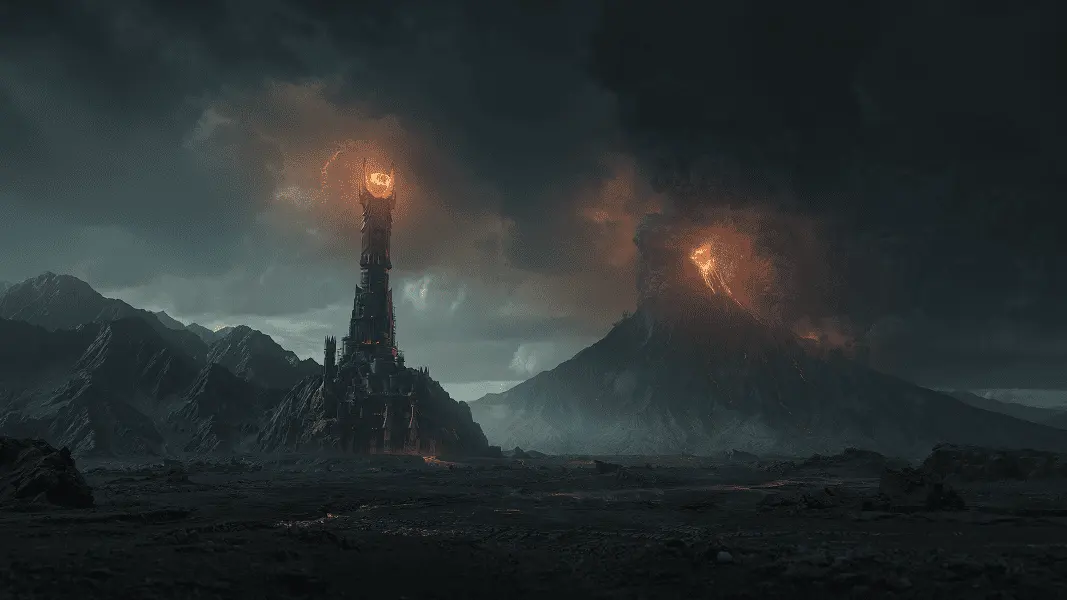
Why do matte paintings look realistic?
The realism of a matte painting relies heavily on the artist's ability to match the "plate," which is the original footage recorded on set. If the lighting direction, color temperature, or grain structure of the painting does not align with the plate, the illusion will immediately break. Artists spend a significant amount of time analyzing the shadows and highlights of the live-action footage to ensure their painted additions obey the same physical laws.
Atmospheric perspective is another critical factor in achieving realism. As objects move further away from the camera, they lose contrast and take on the color of the ambient light, usually appearing bluer or lighter. By layering these atmospheric effects, artists create a sense of depth that tricks the human eye into perceiving a vast distance. Without these subtle cues, a matte painting would look like a flat sticker placed on top of the film.
Common mistakes when creating matte paintings
One of the most frequent errors is neglecting the importance of scale and resolution. If your painted textures are lower resolution than the footage, the final shot will look blurry and disconnected. Always ensure your canvas is at least 4K resolution and that your source assets are of equal or higher quality. Another common mistake is failing to account for the lens distortion inherent in film cameras, which can warp the edges of your painting if not properly corrected.
To avoid these pitfalls, keep the following tips in mind:
- Avoid over-sharpening textures, as this makes them look digital and fake.
- Never ignore the "black levels" of your footage; your darkest shadows must match the darkest shadows in the plate.
- Check your perspective lines frequently to ensure the painting does not look tilted or distorted.
- Use subtle noise and grain overlays to unify the painted elements with the natural texture of the film stock.
By meticulously checking these technical details throughout your workflow, you can ensure that your matte painting remains invisible to the audience, successfully supporting the narrative without distraction.
Key facts
- Matte painting is a technique used in filmmaking to create expansive, realistic environments that would be too expensive or impossible to build as physical sets.
- Historically, these were painted by hand on large sheets of glass using oil or acrylic paints, leaving specific areas transparent for live-action footage.
- Norman Dawn is credited with pioneering the glass shot technique in 1907, which allowed filmmakers to blend paintings with real-world photography.
- Modern matte painting is primarily digital, utilizing software like Adobe Photoshop and Nuke to composite 2D imagery into 3D environments.
- A common mistake is failing to match the perspective and lighting of the background plate, which causes the painting to look "pasted on" rather than integrated.
- To achieve realism, artists must ensure the atmospheric perspective—the way colors fade and lose contrast at a distance—matches the camera lens settings.
The bottom line
Matte painting is an essential cinematic art form that bridges the gap between imagination and reality. By blending traditional artistic mastery with sophisticated digital compositing, artists create vast, immersive worlds that define the visual scale of modern film. Whether crafted on glass or pixels, the goal remains consistent: to transport audiences into impossible landscapes while maintaining a seamless, grounded connection to the live-action performances on screen.
People also ask
How do matte painters ensure their work matches the film footage?
Artists use camera tracking data to align the painting's perspective with the movement of the camera. They also analyze the color temperature and light direction of the original footage to replicate those conditions within the painting.
What is the difference between a matte painting and a green screen?
A green screen is a production tool used to isolate actors so they can be placed in a digital background later. A matte painting is the background itself, created to fill the space where a physical set does not exist.
Do matte painters need to be skilled in traditional art?
Yes, a strong foundation in traditional art principles like composition, color theory, and light is essential. While the tools are digital, the ability to observe and replicate how light interacts with surfaces remains the core skill.
What software is most commonly used for matte painting today?
Adobe Photoshop is the industry standard for creating the base imagery and textures. For 3D elements and final compositing, artists frequently use software like Autodesk Maya, Blender, and Foundry Nuke.
Can a matte painting be animated?
Yes, modern matte paintings are often "projected" onto 3D geometry to allow for camera movement. This process, known as 2.5D, adds depth and parallax, making the static image appear as a living, three-dimensional environment.
What are the most common mistakes beginners make?
Beginners often ignore the importance of scale, leading to buildings or mountains that look like miniatures. Another frequent error is using inconsistent light sources, which breaks the illusion of a cohesive, believable world.
This answer was created with the help of AI research tools and reference sources. Spotted an error? Let us know — we correct mistakes quickly. See our editorial policy.