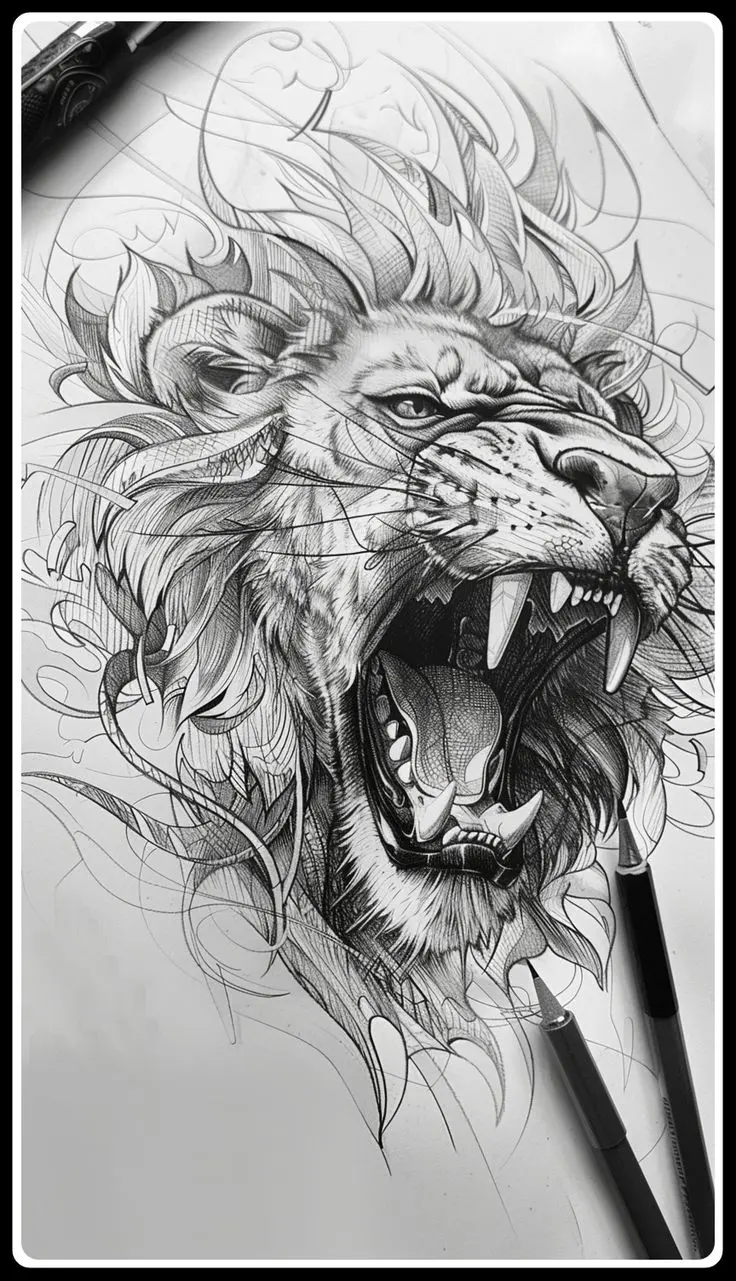
What are good mural ideas?
Short answer
Effective mural ideas balance personal expression with the architectural context of the wall. Popular themes include hyper-realistic nature scenes, geometric abstraction, local historical narratives, and interactive trompe l'oeil illusions. The most successful murals harmonize with existing lighting and surface texture while utilizing high-contrast color palettes to ensure visual impact from afar.

On this page
How to choose a mural theme
Selecting a theme requires analyzing the intended environment and the audience that will interact with the space daily. For public urban spaces, community-focused narratives—such as local flora, fauna, or historical figures—often foster a sense of civic pride and discourage vandalism. In private residential settings, consider themes that complement existing interior design, such as minimalist botanical patterns or expansive landscapes that create an illusion of depth.
Before committing to a concept, sketch your ideas on a photograph of the wall to visualize scale and perspective. Consider these popular thematic categories:
- Biophilic designs featuring oversized leaves, trees, or local wildlife.
- Geometric abstraction using bold, clean lines to modernize small or awkward spaces.
- Typographic murals incorporating meaningful quotes or local landmarks.
- Trompe l'oeil techniques that simulate windows, doors, or architectural extensions.
- Surrealist dreamscapes that play with scale and vibrant, unexpected color combinations.
Best mural ideas for beginners
If you are new to large-scale painting, prioritize designs that rely on shapes and patterns rather than complex human portraiture. Portraiture requires precise anatomical knowledge and shading, which can be unforgiving on textured surfaces. Instead, focus on geometric grids or organic shapes that allow for minor adjustments without compromising the overall integrity of the final composition.
Follow these steps to simplify the execution process for your first project:
- Prime the wall with a high-quality, neutral-colored base coat to ensure paint adhesion.
- Use a projector to trace your design outline onto the wall at night, which ensures perfect proportions.
- Apply a "paint by numbers" approach by marking sections with color codes before you begin filling them in.
- Use painter’s tape to create crisp, professional-looking edges for geometric designs.
- Apply a protective clear coat once the paint has cured to guard against UV fading and dust.
How to prepare a wall for a mural
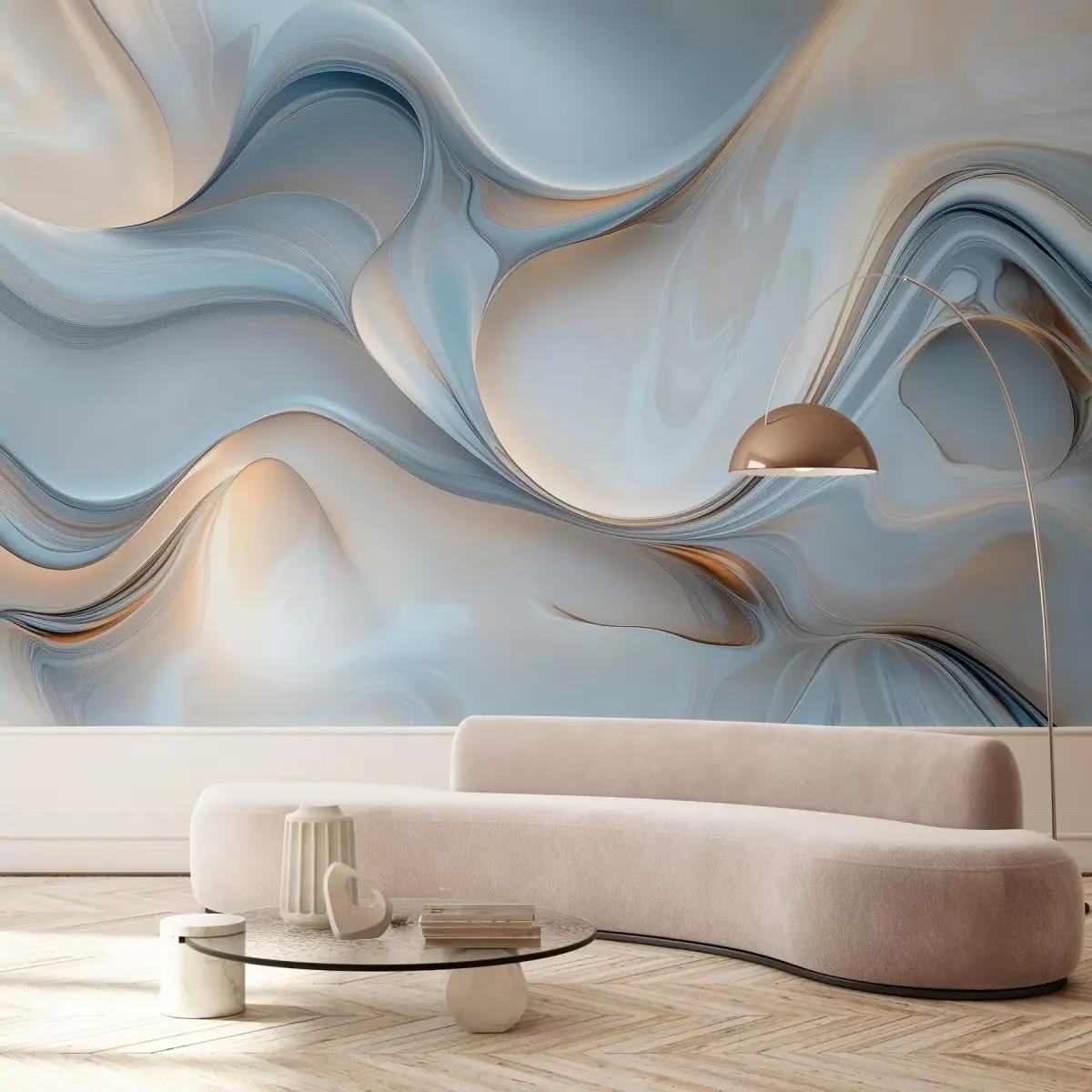
The longevity of a mural depends entirely on the condition of the substrate before the first drop of paint is applied. Begin by cleaning the surface thoroughly with a mild detergent and water to remove dirt, grease, and loose debris. If the wall is exterior, check for cracks or signs of moisture damage, as these will lead to peeling and bubbling regardless of the quality of your paint.
Once the wall is clean and dry, assess the surface texture. Rough surfaces like brick or stucco require masonry primer and heavy-duty rollers, while smooth drywall may only need a standard latex primer. Never skip the priming stage, as it seals the surface and prevents the wall from soaking up expensive pigment. A well-primed wall ensures that your colors remain vibrant and consistent across the entire surface area.
Common mistakes when painting murals
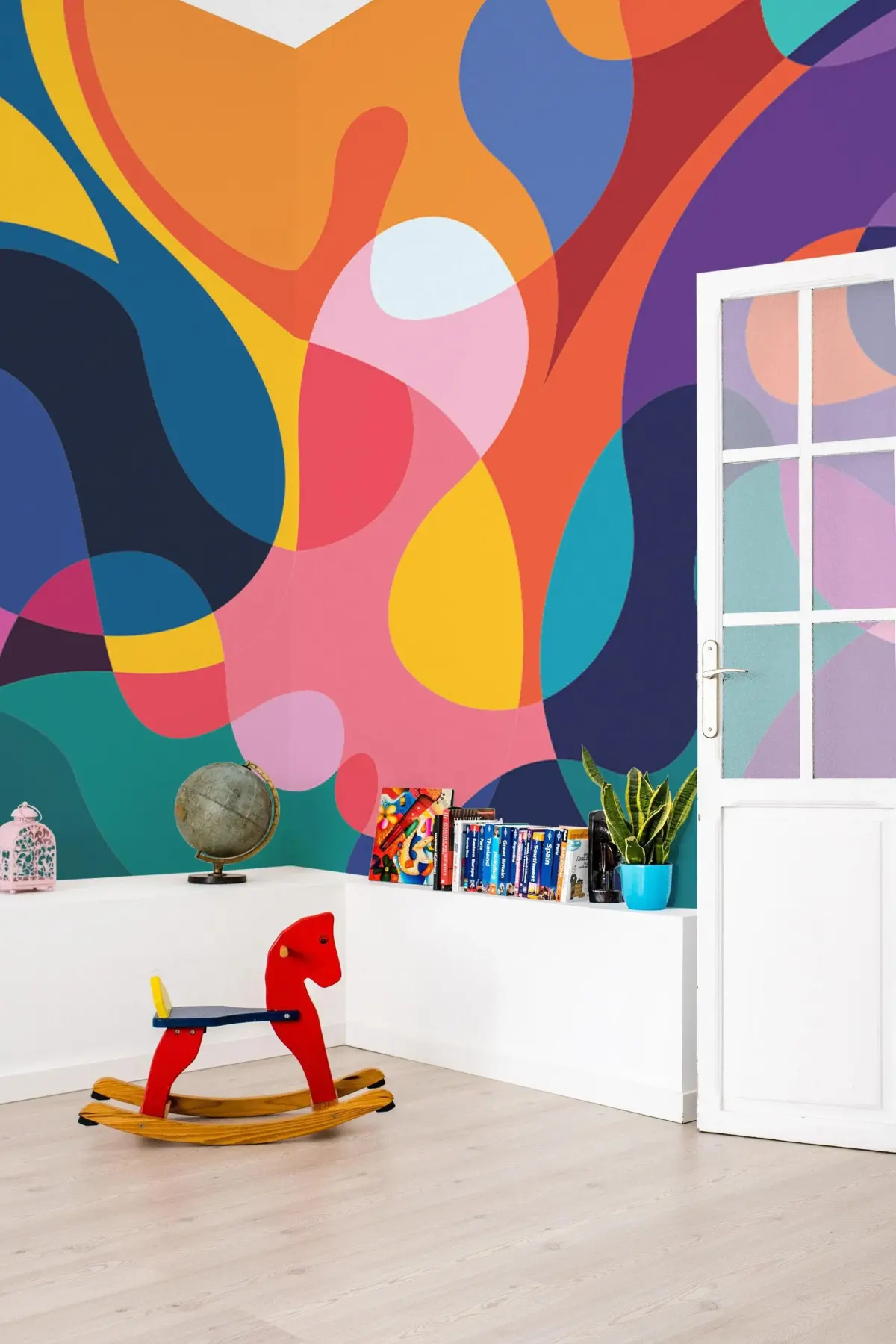
One of the most frequent errors is failing to account for the viewing distance of the finished work. A design that looks intricate up close may become a muddy blur when viewed from the street or across a room. To avoid this, use high-contrast color combinations and ensure your primary shapes are large enough to be legible from at least 15 feet away.
Another common pitfall is ignoring the impact of natural light throughout the day. A wall that faces south will receive harsh, direct sunlight, which can cause colors to fade rapidly and create glare that obscures the artwork. Consider using matte finishes to reduce reflection and choose lightfast, high-quality acrylic paints designed for exterior use. Finally, avoid starting a project during periods of extreme humidity or temperature, as these conditions significantly alter the drying time and adhesion properties of the paint.
How long does it take to paint a mural
The duration of a mural project varies based on the complexity of the design, the square footage of the wall, and the number of people working on the piece. A simple geometric design on a standard 8-by-10-foot wall might take a single person two to three days, while a highly detailed, photorealistic mural could take several weeks. Always factor in time for drying between layers, especially if you are using stencils or masking tape.
Professional muralists often work in stages, focusing on the background first, then moving to mid-tones, and finishing with the finest details and highlights. If you are working on a large-scale project, break the wall into manageable sections to maintain consistent quality throughout the process. Remember that the final cleanup and the application of a protective varnish are essential final steps that should not be rushed, as they ensure your effort remains preserved for years to come.
Key facts
- Murals on exterior brick walls require masonry primer to prevent moisture from degrading the paint over time.
- Use high-quality acrylic latex paint for outdoor projects to ensure resistance against UV fading and temperature fluctuations.
- Grid methods, where you draw a scale-model grid over your sketch and the wall, remain the most reliable way to maintain proportions.
- Projectors are effective for tracing complex designs at night, but always verify your alignment before the sun rises.
- A clear protective anti-graffiti topcoat can extend the lifespan of a mural by allowing easy cleaning of vandalism.
- Always check local zoning laws and obtain written property owner permission before starting any public art installation.
The bottom line
Creating a successful mural requires careful planning, from securing legal permissions to selecting durable, weather-resistant materials. By utilizing techniques like the grid method for accurate scaling and applying a protective topcoat, you ensure your artwork remains vibrant for years. Focus on a clear, cohesive design theme to maximize visual impact, and always prioritize proper surface preparation to prevent premature peeling or fading of your final piece.
People also ask
What is the best way to prepare a wall for a mural?
Clean the surface thoroughly with a pressure washer or wire brush to remove dirt, loose paint, and debris. Once dry, apply a high-quality primer specifically designed for the wall's material, such as brick, concrete, or stucco.
How do I choose the right color palette?
Stick to a limited palette of three to five primary colors to ensure visual cohesion and impact. Use a color wheel to select complementary or analogous schemes that fit the intended mood of the space.
What are common mistakes to avoid when painting a mural?
A frequent error is failing to account for the texture of the wall, which can distort fine lines and details. Another mistake is working without a consistent lighting source, leading to uneven paint application that only becomes visible once the work is finished.
How long does an outdoor mural typically last?
A well-executed mural using professional-grade exterior paints can last between five and ten years. Factors such as direct sunlight exposure, climate, and the quality of the protective sealant significantly influence this duration.
Should I use spray paint or brushes?
Spray paint is ideal for large, bold areas and gradients, while brushes offer better control for intricate details and lettering. Many professional muralists use a combination of both tools to achieve depth and efficiency.
Do I need to seal the mural after it is finished?
Yes, applying a UV-resistant clear coat is highly recommended to protect the pigment from sun damage. This layer also acts as a barrier against environmental pollutants and makes the surface easier to maintain.
This answer was created with the help of AI research tools and reference sources. Spotted an error? Let us know — we correct mistakes quickly. See our editorial policy.