What are good landscape painting ideas?
Short answer
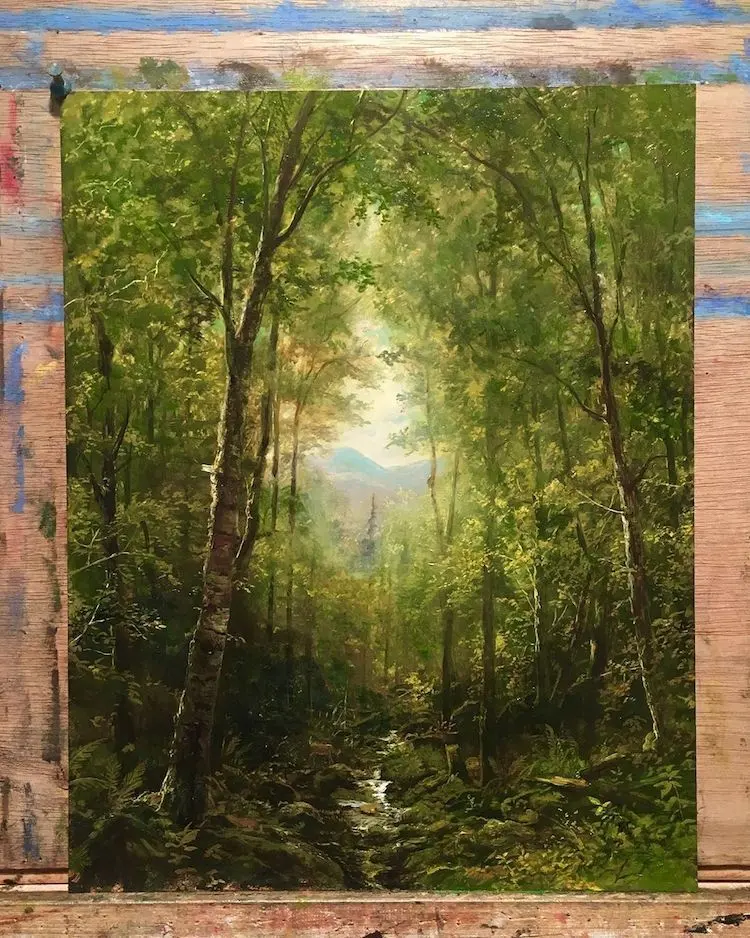
Landscape painting involves capturing the natural world through light, perspective, and composition. Excellent subjects include local parks, dramatic coastal vistas, or intimate woodland scenes. By focusing on atmospheric depth and the interplay of shadows, artists can transform simple outdoor views into compelling visual narratives that evoke specific moods and environmental textures.
On this page
How to choose a landscape painting subject
Selecting the right subject is the foundation of a successful painting. Beginners should look for scenes with clear, simplified shapes rather than overly complex foliage or chaotic urban environments. Start by scouting for locations that offer strong light and shadow, as these elements define form and create a sense of three-dimensional space on a flat canvas.
Consider these criteria when evaluating a potential scene:
- Contrast: Does the scene have a clear range of light and dark values?
- Simplicity: Can the main shapes be identified without getting lost in excessive detail?
- Composition: Is there a natural path for the viewer’s eye to follow, such as a river or a mountain ridge?
- Time of day: Does the lighting create long, dramatic shadows that define the terrain?
Avoid choosing scenes that are too expansive, such as a panoramic view of a city skyline, as these often lack a clear focal point. Instead, zoom in on a single tree, a rocky outcrop, or a quiet corner of a garden. Focusing on a smaller section allows you to master textures and color mixing without feeling overwhelmed by the scale of the landscape.
Best landscape painting ideas for beginners
For those just starting, static subjects that do not change rapidly are ideal. A lone tree in a field or a simple shoreline provides a manageable challenge for practicing brushwork and color theory. These subjects allow you to focus on the "big shapes" of the landscape, which is the most critical skill for any aspiring painter to develop early on.
Follow these steps to paint a simple landscape:
- Sketch the horizon line, ensuring it is not placed exactly in the middle of the canvas to maintain visual interest.
- Block in the largest shapes with thinned-out paint, focusing on the general value rather than the specific color.
- Establish the darkest darks to anchor the composition and provide a sense of depth.
- Gradually add lighter values, saving the brightest highlights for the final stages of the painting.
By prioritizing the structure of the scene over fine details, you prevent the common error of "fiddling" with minor elements before the painting has a solid foundation. Remember that a landscape is essentially a collection of abstract shapes; if the shapes are correct, the details will naturally fall into place.
Why atmospheric perspective matters in landscapes
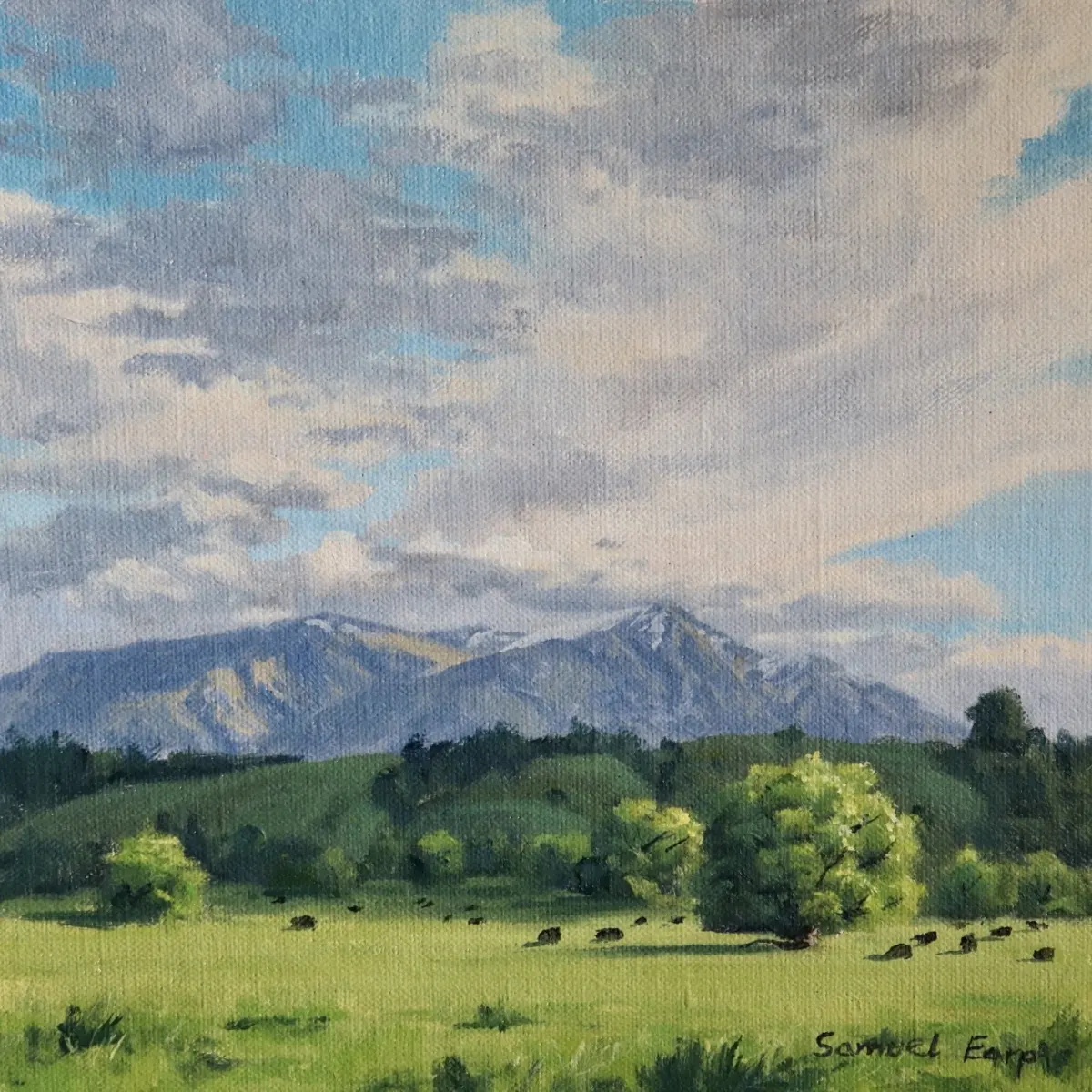
Atmospheric perspective is the technique of creating the illusion of depth by manipulating color and clarity. As objects move further away from the viewer, they appear lighter, cooler in temperature, and less defined. This phenomenon occurs because the atmosphere contains moisture and particles that scatter light, effectively acting as a veil between the eye and the distant horizon.
To achieve this effect, use a more muted palette for background elements, such as distant mountains or hills. Incorporate subtle blues or grays into your background colors to make them recede, while keeping foreground elements vibrant and high-contrast. This shift in intensity is what convinces the human eye that a painting has a vast, three-dimensional space.
If you fail to account for atmospheric perspective, your painting will look "flat," as if all elements are sitting on the same plane. Always compare the value of your background to the foreground. If the distant trees are as dark as the ones right in front of you, the sense of distance will vanish, and the landscape will lose its realistic, immersive quality.
Common mistakes when painting landscapes
Many artists struggle because they attempt to paint every leaf on a tree or every ripple in a stream. This approach leads to a cluttered, overworked image that lacks a focal point. Another frequent error is ignoring the light source, which results in shadows that do not align or highlights that feel disconnected from the overall environment.
Avoid these common pitfalls to improve your work:
- Using pure black: Instead of black, mix complementary colors to create darks that feel more natural and luminous.
- Over-blending: Excessive blending destroys the texture of the paint and makes the scene look muddy or plastic.
- Neglecting the sky: The sky is the primary light source for the entire landscape and must be painted with the same care as the ground.
- Constant movement: If painting outdoors, remember that the sun moves; try to capture the light effect within a two-hour window.
By staying mindful of these errors, you can maintain the freshness of your paint application. Keep your brushes clean and ensure that your palette remains organized, as a messy workspace often translates to a chaotic painting.
How to capture light and shadow effectively
Light is the most important element in any landscape, as it dictates the mood and the time of day. Morning light is typically cool and soft, while the "golden hour" before sunset produces warm, long shadows that emphasize the texture of the terrain. To capture these effects, observe how light hits different surfaces, such as the rough bark of a tree versus the smooth surface of a lake.
To master light, practice painting the same scene at different times of the day. You will notice that the colors change drastically even if the physical objects remain the same. Use a limited palette to ensure color harmony, as this makes it easier to control the overall temperature of the light.
When you focus on the relationship between light and shadow, you move beyond mere representation and begin to create art that captures the feeling of a place. Whether you are painting a stormy sky or a sun-drenched meadow, prioritize the light, and the landscape will become a living, breathing space on your canvas. Consistent practice in observing these shifts will eventually allow you to paint landscapes with confidence and emotional depth.
Key facts
- Focus on the "rule of thirds" by placing your horizon line one-third of the way from the top or bottom of the canvas.
- Use atmospheric perspective by painting distant mountains or trees in cooler, lighter, and less detailed tones to create depth.
- Establish a single light source early in your process to ensure shadows remain consistent across all landscape elements.
- Incorporate a focal point, such as a lone tree, a building, or a bright reflection, to guide the viewer’s eye through the scene.
- Mix your greens with blues and yellows rather than using tube green, which often appears unnatural and flat.
- Vary your brushwork by using broad strokes for large shapes like skies and fine, deliberate marks for textures like foliage or rocks.
The bottom line
Successful landscape painting relies on balancing composition, value, and color temperature to create a believable sense of space. By mastering the rule of thirds and atmospheric perspective, you can transform a flat surface into an immersive environment. Focus on simplifying complex scenes into basic shapes and prioritize light direction to unify your work. With practice, these fundamental techniques will help you capture the essence of any natural vista.
People also ask
How do I choose a color palette for a landscape?
Start with a limited palette of three primary colors plus white to ensure color harmony throughout your painting. Adding one earth tone, such as burnt sienna, can help ground your composition and create realistic shadows.
What is the best time of day to paint landscapes?
Early morning or late afternoon, often called the "golden hour," provides long shadows and high contrast that make scenes more dramatic. Midday sun tends to flatten colors and eliminate the depth created by shadow play.
How can I make my landscape look more realistic?
Focus on capturing the correct values—the relative lightness or darkness of colors—rather than just the colors themselves. If the values are accurate, the painting will look three-dimensional even if the colors are slightly stylized.
Should I paint from a photograph or in person?
Painting "en plein air," or on location, helps you observe true light and color shifts that cameras often fail to capture. Photographs are useful for convenience and complex details, but they can lead to overly busy compositions if followed too strictly.
What are the most common mistakes for beginners?
Beginners often include too much detail in the background, which makes the scene look flat. Another common error is using pure black for shadows, which kills the vibrancy of the colors; try mixing dark blues and browns instead.
How do I create a sense of scale?
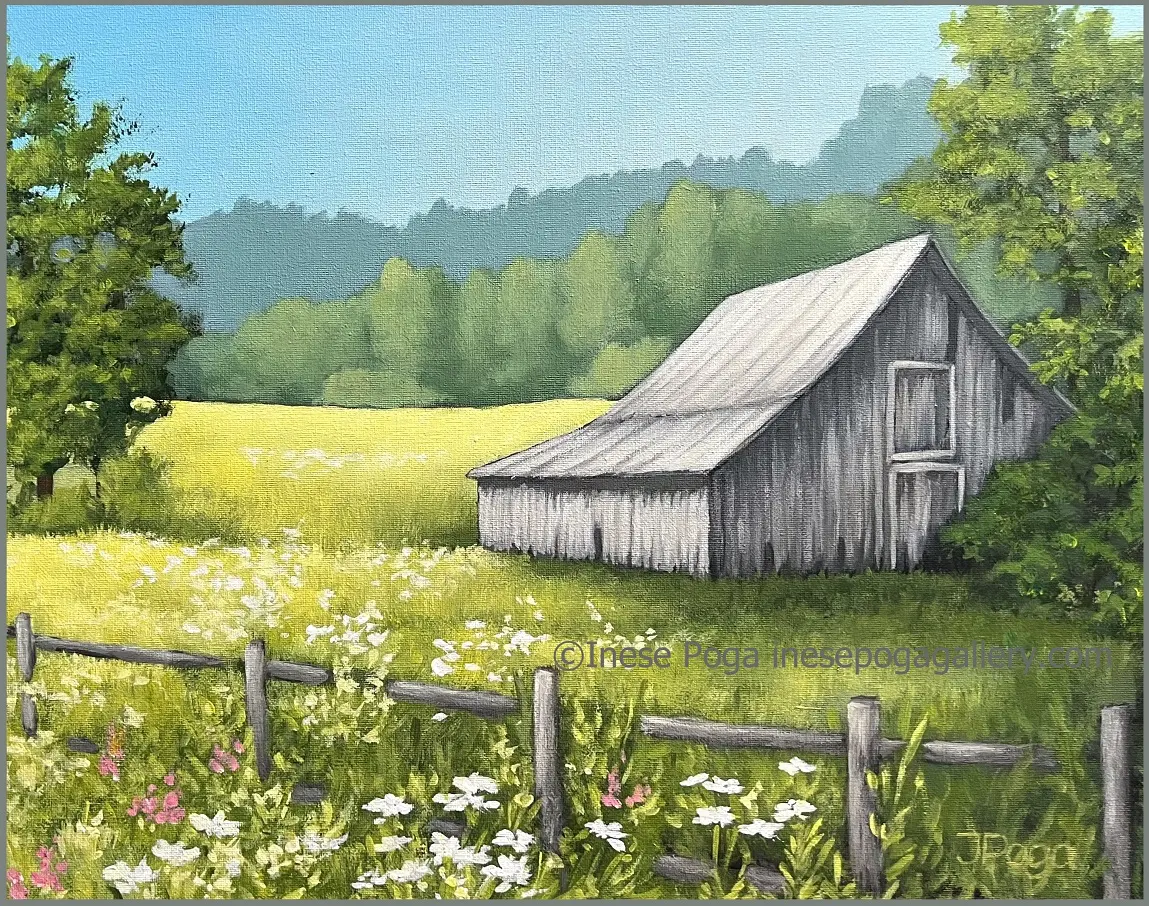
Include familiar objects like a fence, a person, or a house to provide a size reference for the viewer. Without these scale markers, it is difficult for the audience to determine if a mountain is a small hill or a massive peak.
This answer was created with the help of AI research tools and reference sources. Spotted an error? Let us know — we correct mistakes quickly. See our editorial policy.