What are good summer drawing ideas?
Short answer
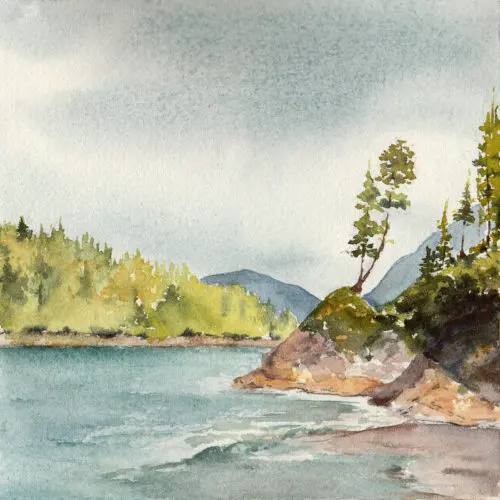
Summer offers a vibrant palette of natural light, outdoor activities, and seasonal flora perfect for artistic exploration. Focus on capturing the unique quality of golden hour sunlight, the intricate geometry of blooming flowers, or the dynamic movement of people at beaches and parks to build your observational skills and creative confidence.
On this page
How to capture summer light and shadows
The hallmark of summer is its intense, high-contrast sunlight. To capture this effectively, observe how the sun’s position changes throughout the day, creating long, dramatic shadows in the early morning and late afternoon. These "golden hours" provide a warm, soft glow that is much more forgiving than the harsh, overhead light of midday. When drawing outdoors, prioritize mapping out your shadow shapes first, as these define the form and volume of your subjects more than the highlights do.
Practicing light studies can significantly improve your ability to render depth. Try these steps to master the effect:
- Choose a single, stationary object like a piece of fruit or a garden pot.
- Set it in direct sunlight and observe it at three different times: 9:00 AM, 1:00 PM, and 6:00 PM.
- Sketch the shadow shape as a flat silhouette before adding details.
- Use a monochromatic medium like charcoal or graphite to focus purely on value transitions.
Best summer drawing subjects for beginners
If you are new to drawing, summer provides an abundance of simple, organic shapes that are easy to deconstruct. Start with botanical subjects such as sunflowers, ferns, or local wildflowers, which allow for a loose, expressive style. You do not need to capture every petal perfectly; instead, focus on the overall gesture and the rhythm of the stems. Drawing from life rather than photographs helps you understand the three-dimensional nature of these plants, improving your spatial awareness.
Consider these accessible subjects to build your foundational skills:
- Potted herbs on a windowsill or patio.
- Seashells or interesting rocks collected from a walk.
- Backyard insects like butterflies or dragonflies resting on leaves.
- Simple picnic items, such as a wicker basket or a glass of lemonade.
By focusing on these manageable items, you avoid the frustration of overly complex compositions while still producing rewarding results that reflect the essence of the season.

Why drawing outdoors improves your technique
Sketching in the field, or "en plein air," forces you to work quickly and decisively. Because the sun moves and weather shifts, you cannot spend hours obsessing over minute details. This constraint naturally pushes you toward a more gestural and confident drawing style. Furthermore, working outdoors exposes you to a wider range of colors and textures than you might find in a controlled indoor environment, which helps train your eye to see subtle variations in hue and saturation.
When working outside, keep your kit minimal to ensure mobility. A small sketchbook and a few versatile tools—such as a water-soluble graphite pencil or a set of travel watercolors—are sufficient. The goal is not to create a finished masterpiece but to record the "feeling" of the environment. Over time, this practice develops your visual memory, allowing you to incorporate authentic natural elements into your more finished studio work later in the year.
Common mistakes when drawing summer scenes
A frequent error is attempting to render too much detail too soon. Beginners often try to draw every individual leaf on a tree or every grain of sand on a beach, which leads to a cluttered and stagnant composition. Instead, practice "selective focus," where you emphasize the focal point of your drawing and let the background elements remain loose or suggested. Remember that the human eye naturally blurs peripheral details, and your drawing should reflect that same hierarchy of information to remain visually engaging.
Another common pitfall is ignoring the influence of reflected light. In bright summer settings, light bounces off surfaces—like sand, water, or light-colored pavement—and illuminates the undersides of objects. If you draw your shadows as solid, flat black shapes, your work will look unnatural. Always look for the subtle, lighter tones within your deepest shadows to give your drawings a sense of luminosity and airiness that is characteristic of the summer season.
How to maintain a consistent summer sketchbook
Consistency is the most important factor in artistic growth, yet summer schedules can be unpredictable. To stay on track, integrate drawing into your daily routine by carrying a pocket-sized sketchbook everywhere you go. Even five minutes spent sketching a passerby at a cafe or the pattern of shadows on a sidewalk contributes to your development. Treat your sketchbook as a laboratory for experimentation rather than a portfolio for display, which removes the pressure to make every page perfect.
To ensure you continue your practice throughout the warmer months, try these strategies:
- Set a goal to fill one page per day, regardless of the quality of the sketch.
- Use a "theme of the week," such as focusing exclusively on water reflections or summer fruit.
- Join a local urban sketching group to meet other artists and share your progress.
- Date every entry to track how your observational skills evolve as the season progresses from June to August.
Key facts
- Use a 2B pencil for sketching light outlines before committing to darker ink or color.
- Draw outdoors during the "golden hour," the period shortly after sunrise or before sunset, for soft, warm lighting.
- Keep a pocket-sized sketchbook to capture quick, 5-minute gesture drawings of people at parks or beaches.
- Incorporate botanical elements like hibiscus, sunflowers, or ferns to practice organic shapes and complex textures.
- Use watercolor pencils to add vibrant, summery hues that can be blended with a damp brush for a painterly effect.
- Focus on negative space—the area around an object—to improve your accuracy when drawing complex summer items like bicycles or patio furniture.
The bottom line
Summer offers a wealth of inspiration, from vibrant flora to dynamic outdoor activities. By focusing on fundamental techniques like light management, perspective, and gesture drawing, you can translate the season’s energy onto the page. Practice consistently, prioritize observation over perfection, and utilize portable tools to capture fleeting moments. Whether you are sketching in a park or at the beach, these habits will significantly enhance your artistic development.
People also ask
How can I improve my drawing perspective for outdoor scenes?
Identify a single horizon line at eye level and ensure all parallel lines converge toward a vanishing point. This technique creates the illusion of depth in landscapes or architectural sketches.
What are the best markers for drawing outdoors?
Alcohol-based markers are excellent for blending, but they can bleed through thin paper. Use a bleed-proof marker pad or place a spare sheet behind your drawing surface to protect the following pages.
How do I draw realistic water reflections?
Observe how light hits the surface and use jagged, horizontal strokes to break up the reflection. Keep the colors slightly darker than the object being reflected to maintain a realistic contrast.
What is the biggest mistake beginners make when sketching?
Many beginners press too hard with their pencils, making it difficult to erase errors. Start with a light touch and only darken your lines once the proportions are correct.
How can I draw moving subjects like birds or insects?
Focus on capturing the "line of action" or the primary curve of the creature's body. Do not worry about fine details until you have established the basic posture and movement.
Should I use a fixative spray on my drawings?
Fixative spray prevents charcoal or graphite from smudging, but it is unnecessary for ink or marker drawings. Apply it in a well-ventilated area, holding the can at least 12 inches away from the paper.
This answer was created with the help of AI research tools and reference sources. Spotted an error? Let us know — we correct mistakes quickly. See our editorial policy.