How do you draw a hippo?
Short answer
Drawing a hippopotamus requires capturing its massive, barrel-shaped body and distinctively rectangular snout. Start by sketching basic geometric shapes like circles and ovals to establish the animal's heavy proportions. Focus on the wide muzzle, small ears, and thick legs, then add skin folds and texture to convey its dense, powerful physical presence.
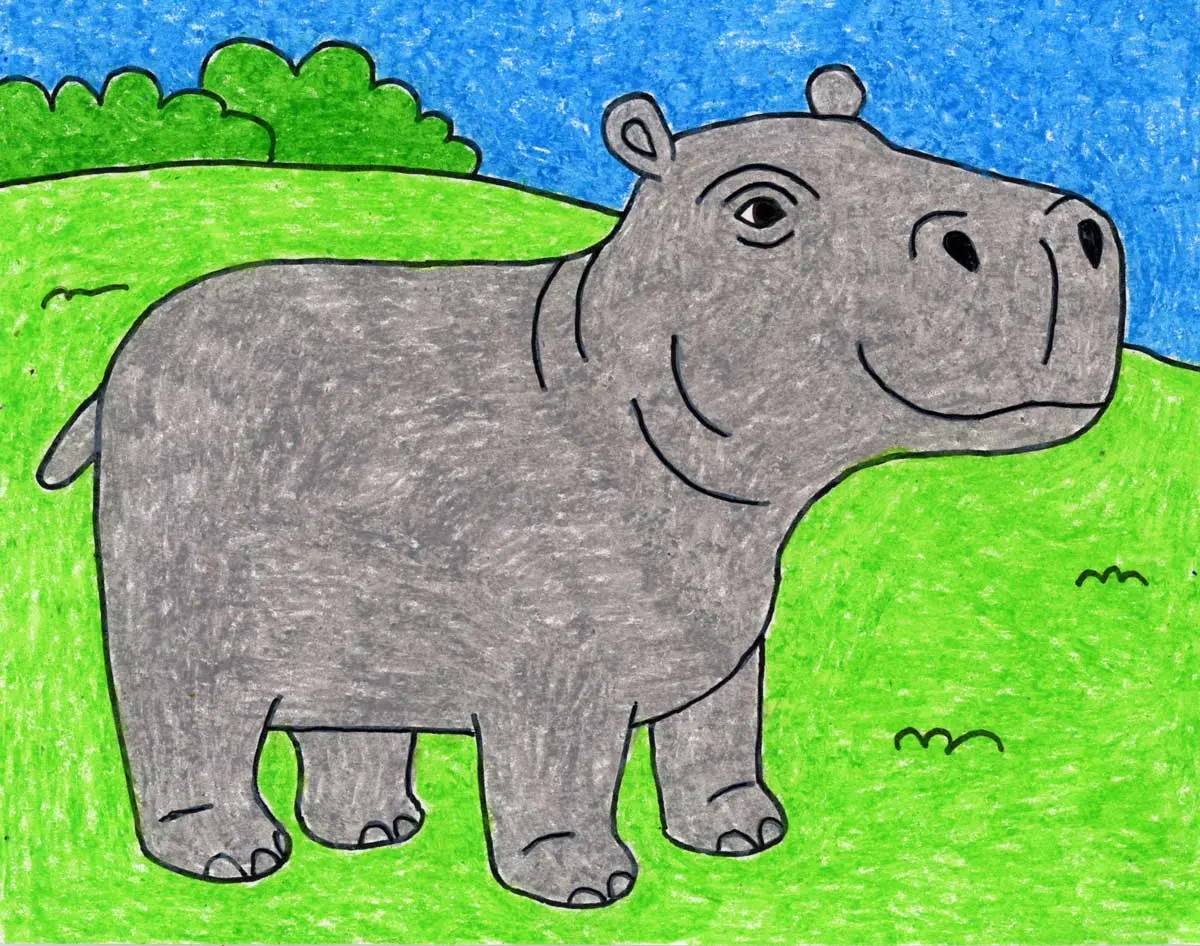
On this page
How to draw a hippo step by step
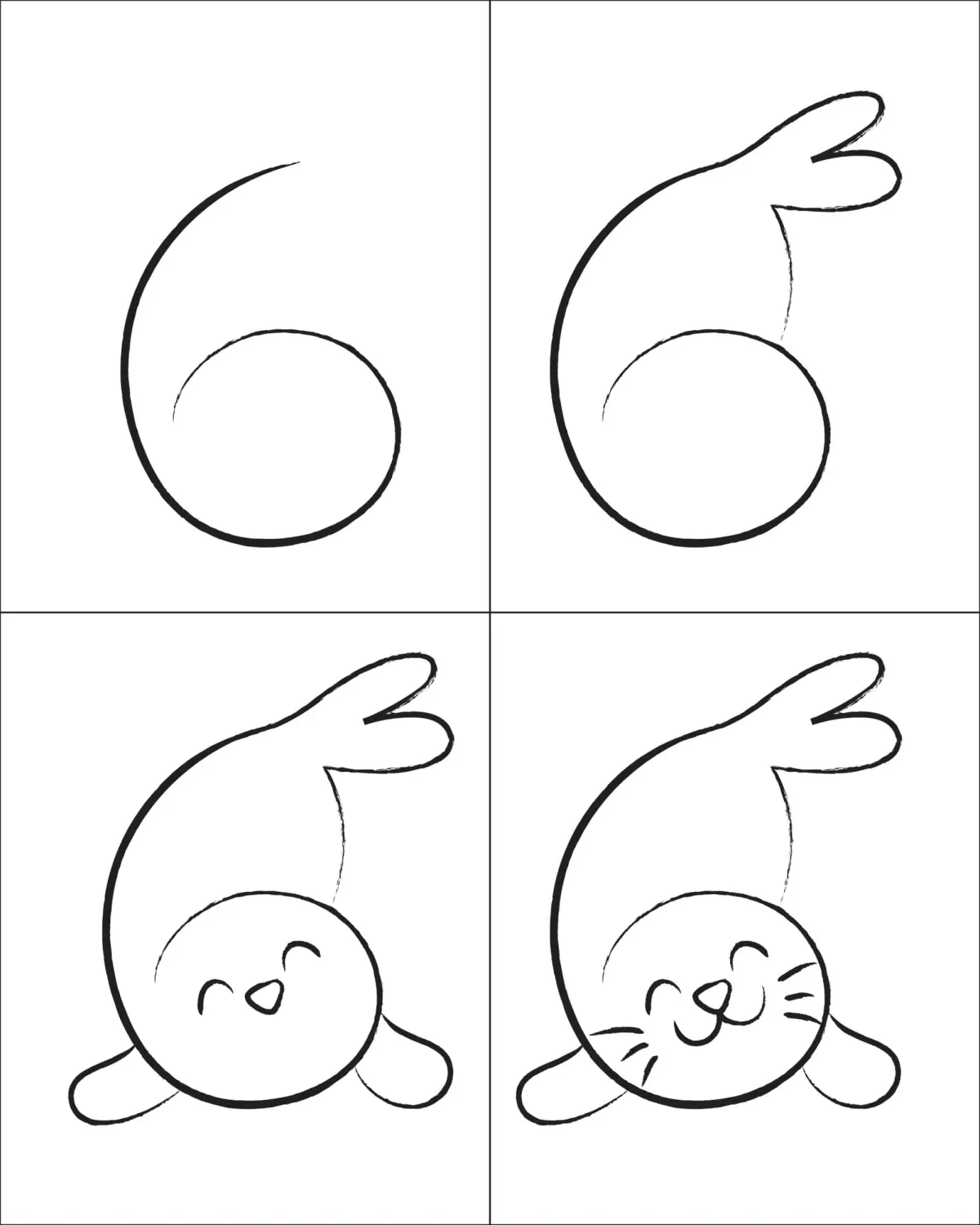
To draw a hippo, begin by visualizing the animal as a series of heavy, rounded forms. Start with a large, horizontal oval for the main body and a smaller, slightly flattened circle for the head. Connect these with a thick, short neck shape. Because hippos are semi-aquatic mammals with massive skeletal structures, avoid making the body too slim or delicate.
Once the primary shapes are connected, refine the outline to include the signature features of the species. Follow these steps to build the structure:
- Sketch a large, rectangular block for the muzzle, which should extend forward from the head circle.
- Add small, rounded ears near the top of the head and tiny, circular eyes positioned high on the skull.
- Draw four short, sturdy legs that look like pillars, ensuring they are thick enough to support the animal's significant weight.
- Add a small, thin tail and subtle curves to represent the belly and back.
Best drawing techniques for beginners
When approaching a complex animal like a hippo, beginners should prioritize gesture drawing over fine detail. Start with light, sketchy lines to find the correct proportions before committing to darker, permanent marks. By keeping your initial strokes loose, you allow yourself the flexibility to adjust the size of the head relative to the body without needing an eraser.
Focusing on the negative space around the hippo can also improve accuracy. Look at the gaps between the legs or the curve of the back against the background to ensure your proportions remain balanced. Once the overall silhouette looks correct, you can begin to refine the contours. Using a soft graphite pencil allows you to build up layers of shadow, which is essential for depicting the hippo’s smooth, thick skin and rounded, heavy anatomy.
How to capture hippo anatomy and features
The hippopotamus is defined by its unique facial structure and skin texture. The nostrils, eyes, and ears are all positioned on the top of the head, allowing the animal to breathe and see while mostly submerged in water. When drawing the face, emphasize this alignment to make the creature look authentic and biologically accurate.
The skin of a hippo is nearly hairless and prone to folding, especially around the neck and joints. To capture this, incorporate subtle, curved lines where the skin bunches up, such as around the base of the legs or the junction of the neck and torso. Avoid drawing sharp, jagged lines, as the hippo’s body is characterized by soft, rolling curves. Using cross-hatching or smooth shading techniques will help you represent the wet, reflective quality of their skin, which is a hallmark of their appearance in the wild.
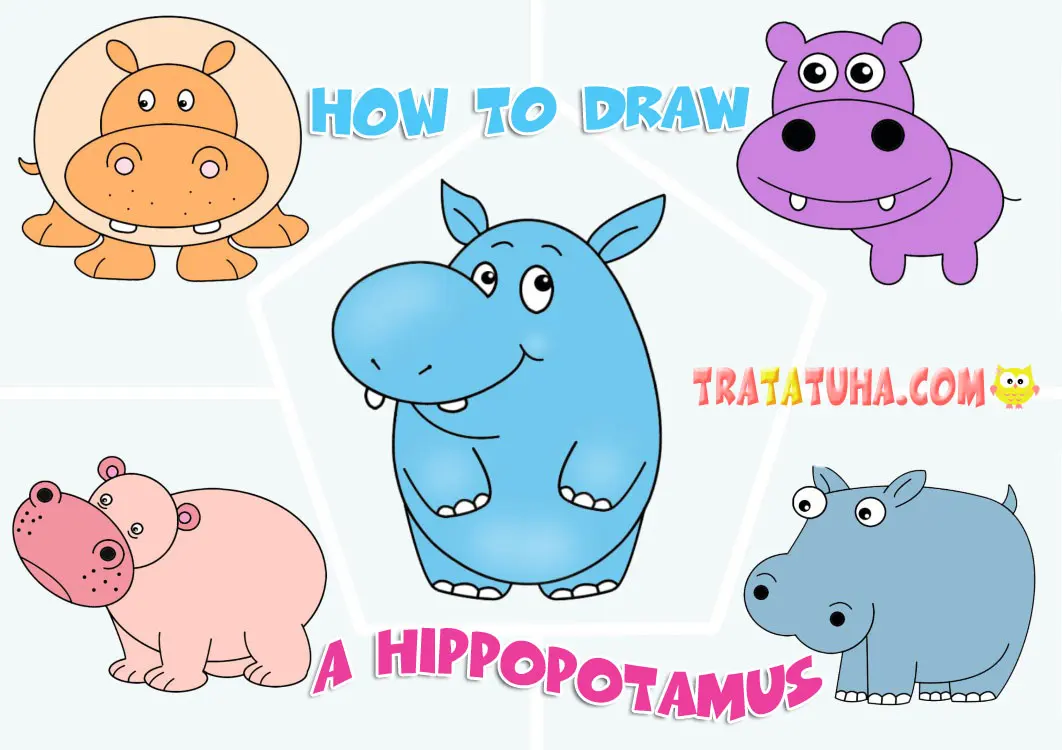
Common mistakes when drawing hippos
A frequent error is drawing the legs too long or thin, which undermines the hippo's appearance of immense density. Hippos are among the heaviest land mammals, often weighing between 1,500 and 3,000 kilograms, so their legs must look substantial. If the legs appear spindly, the entire drawing will lose its sense of grounded weight and realism.
Another common mistake involves the mouth and snout. Many artists draw the mouth too high on the face or make the muzzle too pointed. Remember that the hippo has a very wide, square-shaped muzzle designed for grazing. When drawing the mouth in an open position, ensure the jaw hinge is placed far back near the ear line to maintain correct anatomical proportions. If you ignore the wide, flat nature of the snout, the animal will likely end up looking more like a pig or a bear than a hippopotamus.
Why proportions matter in animal drawing
Mastering the proportions of a hippo is essential because its silhouette is its most recognizable feature. The ratio of the head size to the body length is relatively small compared to other mammals, which emphasizes the sheer mass of the torso. If the head is drawn too large, the animal will appear juvenile or cartoonish rather than the formidable, mature adult found in African rivers.
Maintaining these proportions requires constant observation of the relationship between different body parts. Use the head as a unit of measurement to gauge how many "head-lengths" the body should span. By checking these relationships throughout the drawing process, you ensure that the final image remains cohesive. Whether you are aiming for a realistic portrait or a stylized illustration, respecting the fundamental geometry of the hippo’s frame is the most effective way to create a convincing and professional-looking result that captures the essence of this unique animal.
Key facts
- Hippos have a barrel-shaped body that is best represented by a large, horizontal oval.
- Their heads are disproportionately large compared to their bodies, often appearing as a rounded rectangle.
- Draw the ears as small, rounded semicircles positioned high on the top of the head.
- Use thick, sturdy lines for the legs to emphasize the animal's weight, which can reach up to 3,000 kilograms.
- Focus on the muzzle, which is wide and square-shaped, hosting prominent nostrils and small eyes.
- Avoid drawing a thin tail; a hippo’s tail is short, thin, and ends in a small tuft of hair.
The bottom line
Drawing a hippo requires prioritizing volume and mass over fine detail. Start by constructing the animal’s barrel-shaped torso and massive, square-shaped head using simple geometric ovals. By emphasizing the thick, pillar-like legs and the high placement of the eyes and ears, you capture the essence of this powerful creature. Focus on the subtle skin folds to convey weight, ensuring the final sketch reflects the hippo’s robust, heavy build.
People also ask
What is the most common mistake when drawing a hippo?
Many beginners make the legs too thin or delicate. Because hippos are massive semi-aquatic mammals, their limbs must look thick and pillar-like to support their heavy frame.
Should I draw the hippo with its mouth closed or open?
Drawing a hippo with its mouth open is a classic choice, as it highlights their impressive canine teeth. Ensure the jaw opens very wide, as their gape can reach up to 150 degrees.
How do I make the hippo look realistic?
Focus on the skin texture and folds. Hippos have thick, nearly hairless skin that bunches up around the neck and joints, so adding a few curved lines in these areas adds depth.
Are hippos round or angular?
They are primarily round. While the muzzle is square, the rest of the body consists of soft, heavy curves that suggest a lack of prominent skeletal structure visible under the skin.
How do I position the eyes on a hippo?
Place the eyes high on the skull, almost on top of the head. This anatomical feature allows them to see while the rest of their body is submerged in water.
What is the best medium for drawing a hippo?
Graphite pencils are excellent for sketching the initial oval shapes, while charcoal or soft pastels work well for shading the large, rounded surfaces of their bodies.
This answer was created with the help of AI research tools and reference sources. Spotted an error? Let us know — we correct mistakes quickly. See our editorial policy.