How do you draw a poodle?
Short answer
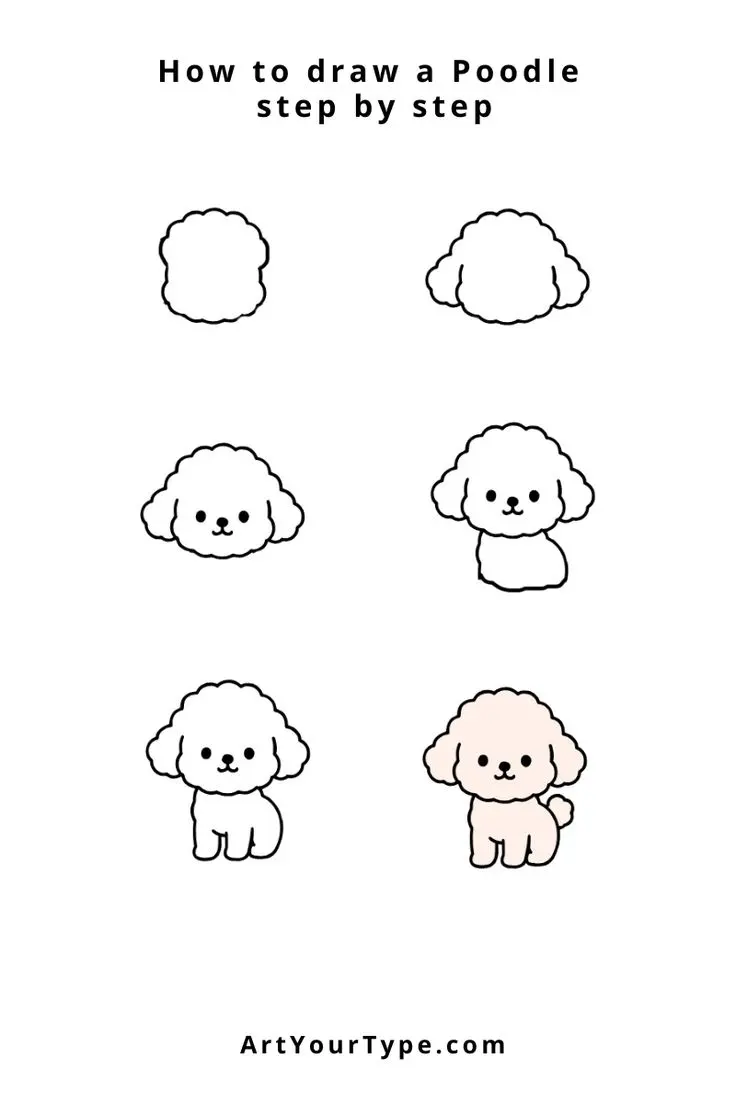
Drawing a poodle involves capturing its distinct silhouette, characterized by a curly, voluminous coat and a refined, athletic frame. By simplifying the dog’s anatomy into basic geometric shapes—circles for the joints and ovals for the torso—you can build a balanced structure before adding the iconic pom-poms and elegant, expressive facial features.
On this page
How to structure the poodle’s body
The poodle’s anatomy is defined by a square-like build, meaning the length of the body from the shoulder to the rump is roughly equal to the height from the ground to the withers. To begin your drawing, start with a large circle for the chest and a slightly smaller, oval-shaped circle for the hindquarters. Connect these with a curved line to establish the spine, and add a smaller circle for the head, placed slightly above the chest. This skeletal framework ensures the dog looks athletic rather than blocky or distorted.
When sketching the limbs, remember that poodles are known for their long, straight legs. Use simple lines to map out the joints, placing circles at the shoulders, elbows, and knees to ensure proper articulation. Keep the legs slender, as the poodle’s elegance is one of its most recognizable traits. Once the frame is set, you can begin to flesh out the form by adding the volume of the fur, which typically expands significantly around the joints and the chest area.
Best drawing techniques for beginners
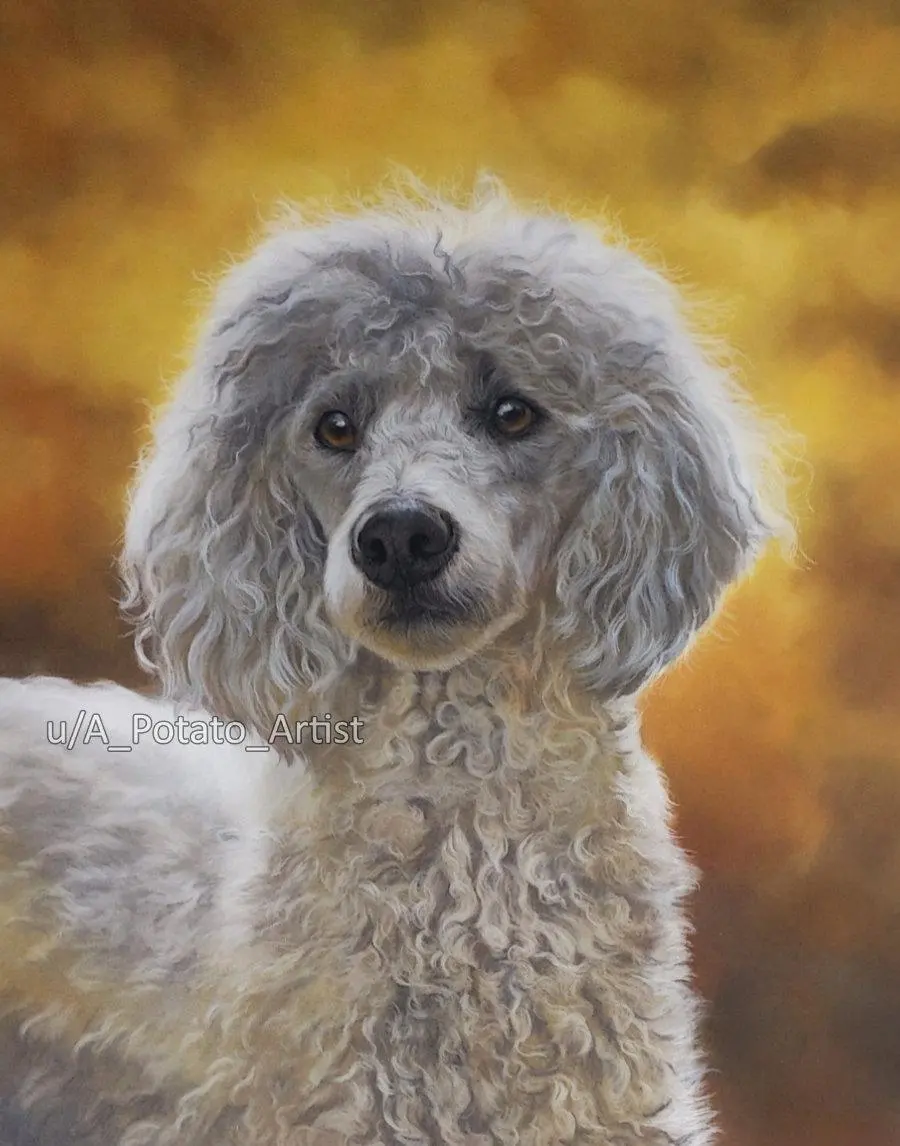
Beginners often struggle with the texture of the poodle’s coat, which is dense and curly. Instead of trying to draw every individual curl, focus on the overall silhouette of the fur. Use soft, scalloped lines or small, rhythmic "c" shapes along the edges of the body to suggest texture without cluttering the drawing. This approach keeps the image clean while effectively communicating the breed's signature look.
To achieve a professional appearance, follow these foundational steps:
- Lightly sketch the circular framework to establish the poodle's posture.
- Outline the "pom-poms" on the tail, ankles, and head, keeping them rounded and symmetrical.
- Draw the ears as long, flat, leaf-shaped appendages that hang close to the face.
- Refine the muzzle, which should be long, straight, and tapered toward the nose.
- Use a soft pencil to shade the underside of the body to create depth and weight.
How to draw the classic poodle cut
The poodle’s grooming style, often called the "continental clip," is a major part of its visual identity. When drawing this style, focus on the contrast between the shaved areas and the voluminous pom-poms. The shaved sections, such as the lower legs and the base of the tail, should be drawn with smooth, tight lines to emphasize the poodle's lean muscle structure. The pom-poms, however, should be drawn with looser, rounded strokes to convey softness and fluffiness.
Focusing on the head is essential for capturing the poodle’s personality. The topknot, or the fur on the head, should be drawn as a large, rounded sphere that sits atop the skull. The ears should blend seamlessly into this topknot, appearing as long, flowing curtains of fur that frame the face. By maintaining a clear distinction between these groomed areas and the natural body shape, you create a recognizable and accurate representation of the breed.
Common mistakes when drawing poodles
One of the most frequent errors is making the muzzle too short or blunt. Poodles possess a refined, elongated snout, and failing to capture this length makes the dog look more like a different breed, such as a Bichon Frise. Ensure the muzzle is roughly one-third of the total head length. Another common mistake is drawing the legs too thick; the poodle is a graceful, agile dog, and overly heavy limbs will ruin the sense of elegance that defines the breed's silhouette.
Avoid these pitfalls to improve your accuracy:
- Drawing the eyes too large or too far forward, which can make the dog look cartoonish.
- Neglecting the neck, which should be long and slightly arched to support the head.
- Failing to vary line weight, which makes the drawing look flat and two-dimensional.
- Over-detailing the fur, which distracts from the overall posture and anatomical proportions.
- Forgetting the tail, which should be held high and tipped with a rounded pom-pom.
How to add personality and expression
To bring your poodle drawing to life, focus on the eyes and the tilt of the head. Poodles are highly intelligent and alert, so placing the eyes with a slight forward-facing orientation helps convey curiosity. Add a small highlight in the pupil to give the eyes a sense of depth and moisture. A slight tilt in the head can also make the dog appear as if it is listening or observing something, which adds a layer of character to the final piece.
Finally, consider the posture of the dog to tell a story. A poodle standing with its weight shifted slightly forward suggests readiness and energy, while a sitting pose can emphasize the dog's regal and composed nature. Use subtle shading beneath the paws to ground the dog in the environment, preventing it from looking like it is floating on the page. By combining accurate anatomical proportions with these small, expressive details, you will create a compelling and lifelike portrait of this iconic breed.
Key facts
- Poodles are defined by their distinct silhouette, characterized by a rounded head, a long muzzle, and a pom-pom tail.
- Start your drawing by sketching two overlapping circles: a smaller one for the head and a larger one for the chest.
- Use light, feathery pencil strokes to represent the poodle’s curly coat rather than drawing individual tight curls.
- The ears should be drawn as long, oval shapes that hang low, framing the face like soft curtains.
- Maintain a slender, elegant posture by drawing long, thin legs that emphasize the breed's athletic build.
- Avoid drawing the coat too flat; poodles have voluminous, dense fur that adds significant width to their limbs and torso.
The bottom line
Drawing a poodle successfully relies on balancing its elegant, slender anatomy with its signature voluminous, curly coat. By starting with basic geometric shapes and layering soft, feathery textures over a thin frame, you can capture the breed's unique silhouette. Focus on the distinct pom-poms and the rounded topknot to ensure your drawing remains accurate, keeping the lines light until you are ready to define the final details.
People also ask
What is the most important feature to capture when drawing a poodle?
The most critical feature is the breed's iconic grooming style, particularly the contrast between the shaved areas and the fluffy pom-poms. Focus on the rounded shape of the topknot and the puffiness around the ankles to ensure the dog is instantly recognizable.
Should I use a hard or soft pencil for sketching a poodle?
Use a hard pencil, such as an HB, for your initial light guidelines and structural shapes. Switch to a softer pencil, like a 2B or 4B, to add the texture of the fur and define the darker shadows in the coat.
How do I make the poodle’s fur look realistic without drawing every curl?
Focus on the overall volume of the fur rather than individual strands. Use short, curved, and overlapping marks to suggest the texture of the curls, concentrating the detail along the edges of the silhouette.
How can I ensure the poodle’s proportions look correct?
Use the head size as a unit of measurement for the rest of the body. A standard poodle’s body length is typically about one and a half times the height of its head, helping you maintain a balanced look.
What is the most common mistake beginners make when drawing poodles?
Beginners often draw the legs too thick, failing to account for the breed's naturally slim frame beneath the fur. Remember that the poodle is a slender dog, and the fluff should be added as a layer over a thin structural base.
How do I draw the poodle’s face to look expressive?
Place the eyes slightly above the midpoint of the muzzle and ensure the nose is dark and well-defined. Adding a slight upward curve to the mouth can give the poodle a friendly, alert expression typical of the breed.
This answer was created with the help of AI research tools and reference sources. Spotted an error? Let us know — we correct mistakes quickly. See our editorial policy.