How do you draw a vampire?
Short answer
Drawing a vampire involves emphasizing sharp, angular features and a sophisticated, gothic aesthetic. Start by sketching a slender face with high cheekbones and pointed ears. Focus on expressive, deep-set eyes and the iconic elongated canine teeth. Use dark, dramatic shading and period-appropriate clothing to establish the classic, timeless undead persona.
On this page
How to structure a vampire’s face
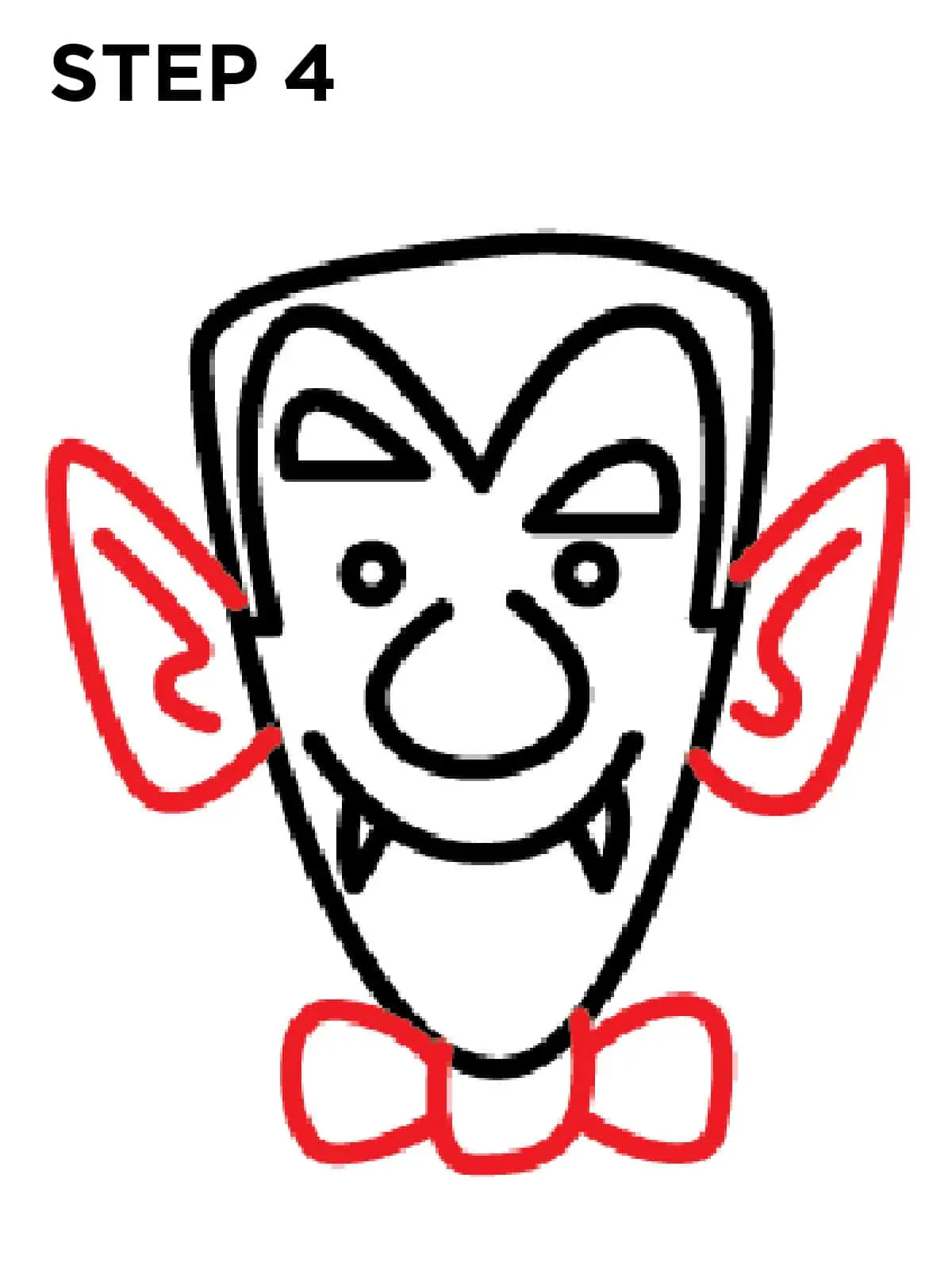
The foundation of a compelling vampire portrait lies in exaggerated, sharp geometry. Unlike human portraits that prioritize soft, rounded features, a vampire should look predatory and refined. Begin by sketching a narrow chin and a strong, angular jawline to suggest a sense of aristocratic cruelty. High, prominent cheekbones are essential, as they create natural shadows that accentuate the gaunt, sunken appearance typical of the undead.
When defining the facial structure, pay close attention to the eyes and brow. A heavy, slightly lowered brow ridge adds intensity and a sense of menace. The eyes should be deep-set, often drawn with heavy lids or dark under-eye shadows to imply centuries of sleeplessness. To achieve a professional look, follow these structural steps:
- Draw a vertical axis line to ensure symmetry for the narrow face shape.
- Place the cheekbones slightly higher than you would for a standard human portrait.
- Angle the eyebrows downward toward the bridge of the nose to create a piercing, focused gaze.
- Keep the nose bridge thin and straight to maintain an elegant, sharp profile.
Best drawing techniques for beginners
For those new to character design, the secret to a successful vampire is contrast. Beginners often make the mistake of drawing a flat face, but vampires thrive on high-contrast lighting, often called chiaroscuro. Use a dark pencil or ink to create deep shadows beneath the cheekbones, in the eye sockets, and under the chin. This dramatic lighting mimics the gothic atmosphere associated with vampire lore.
Focusing on the mouth is equally important for beginners. While the fangs are the focal point, they should not be drawn as simple triangles jutting out from the lips. Instead, integrate them into the natural curve of the upper dental arch. To practice effectively, try these exercises:
- Sketch several versions of the mouth, varying the length and sharpness of the fangs.
- Use a blending stump or soft tissue to smudge shadows around the eyes for a "hollowed" look.
- Experiment with different hair textures, focusing on slicked-back or wild, flowing styles that frame the sharp facial features.
- Practice drawing the neck with prominent tendons to emphasize a lean, predatory build.
How to design vampire clothing
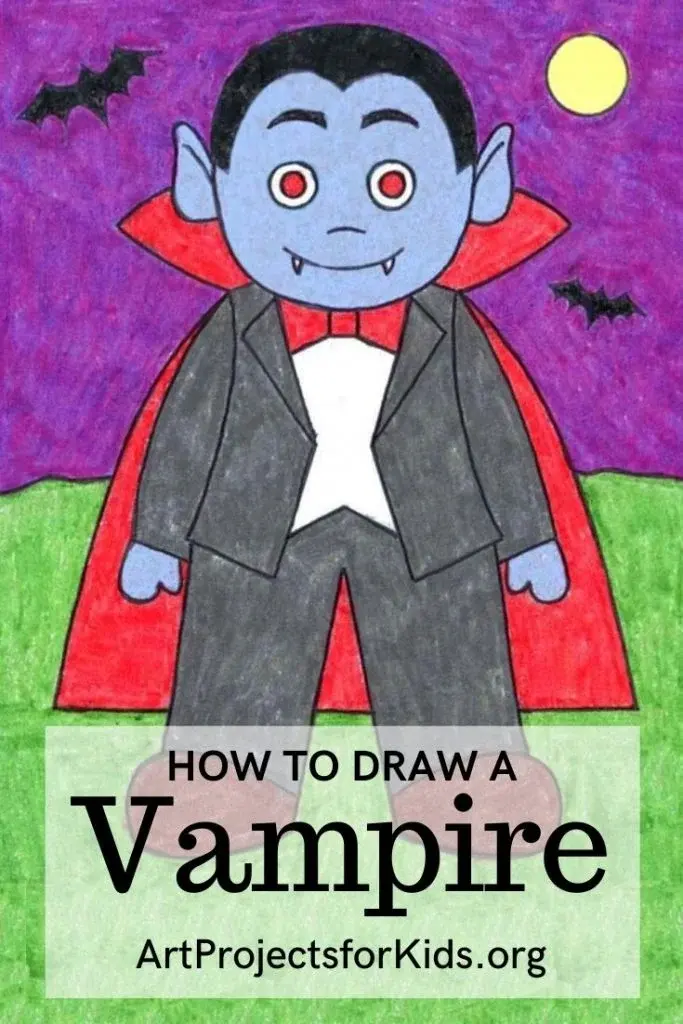
Vampire fashion is historically rooted in the Victorian and Edwardian eras, characterized by high collars, layered fabrics, and formal attire. To ground your drawing in the classic archetype, incorporate elements like cravats, lace cuffs, or long, flowing capes. These garments add volume to the silhouette, which helps contrast against the thin, sharp anatomy of the character. The clothing should look structured, suggesting a character who values tradition and status.
When drawing fabric, consider the weight and texture of the materials. Velvet, silk, and brocade are traditional choices that look excellent when rendered with distinct highlights and deep, velvety shadows. If you are drawing a more modern vampire, look toward sharp, tailored suits or leather jackets that maintain a clean, monochromatic color palette. Avoid overly busy patterns, as they can distract from the character’s face. Instead, focus on the silhouette of the clothing, ensuring that the lines of the coat or cape emphasize the character's height and slender posture.
Why anatomy matters for vampires
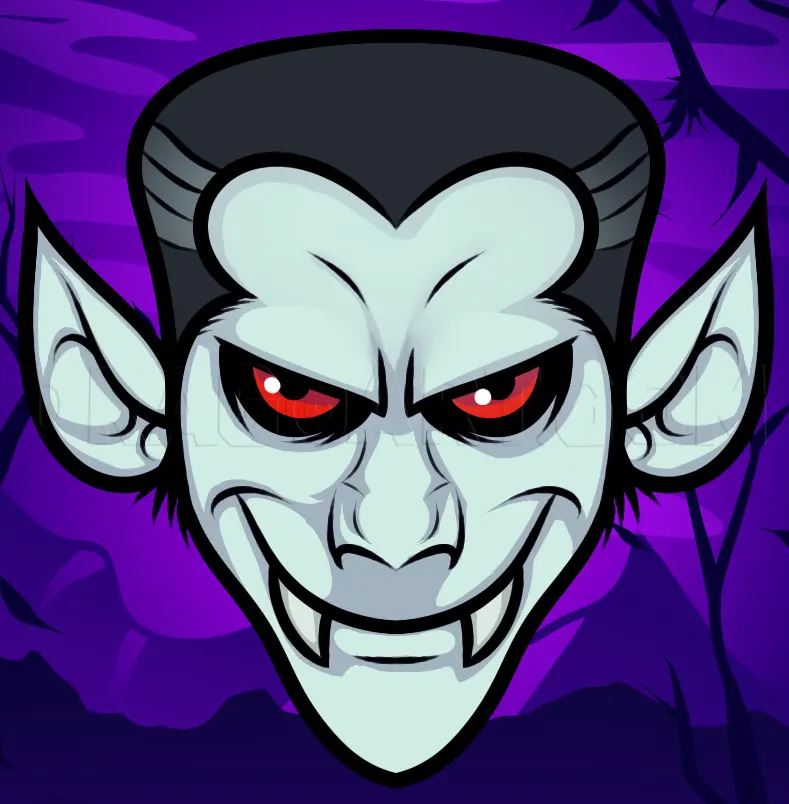
Understanding human anatomy is crucial because a vampire is fundamentally a distorted version of a human. If the underlying proportions are incorrect, the character will look like a cartoon rather than a formidable predator. Study the placement of the sternocleidomastoid muscles in the neck, as these are often highlighted in vampire art to suggest strength and tension. By mastering the basics of human anatomy, you gain the ability to "break" those rules intentionally to create a more unsettling, supernatural effect.
Common adjustments include slightly elongating the neck and fingers. Long, spindly fingers with sharp, manicured nails reinforce the idea of a creature that is not entirely human. When drawing the hands, focus on the knuckles and tendons, keeping the skin taut over the bone. This anatomical precision provides a sense of realism that makes the supernatural elements, such as the fangs or pale skin, feel more grounded and believable. Always refer to skeletal references to ensure the joints and limbs remain functional, even when stylized.
Common mistakes when drawing vampires
The most frequent error is over-relying on tropes that make the character look silly rather than scary. Avoid drawing fangs that are disproportionately large, as they can ruin the serious tone of the piece. Similarly, stay away from overly bright or saturated colors unless they serve a specific stylistic purpose. Vampires are typically associated with a muted, cool color palette—think deep blues, dark purples, greys, and blood reds—which helps maintain a somber, mysterious atmosphere.
Another mistake is neglecting the hair or neglecting the background. A vampire should look like they belong in a specific environment, such as a dimly lit study, a gothic cathedral, or a moonlit forest. Failing to provide context makes the character feel disconnected. To ensure your final drawing is successful, avoid these pitfalls:
- Do not make the skin look like plastic; use subtle textures and pores to keep it organic.
- Avoid perfectly symmetrical fangs; slight variations can make them look more natural.
- Do not forget to add a secondary light source, like moonlight or candlelight, to create interesting reflections in the eyes.
- Ensure the character's posture reflects their personality, whether they are poised and regal or hunched and aggressive.
Key facts
- Focus on sharp, elongated canine teeth, which are the most iconic feature of vampire iconography.
- Use high-contrast shading to emphasize a gaunt, angular facial structure and sunken eye sockets.
- Incorporate Victorian-era attire, such as high collars, capes, or cravats, to evoke the classic Gothic aesthetic.
- Keep the skin tone pale or desaturated to suggest a lack of blood circulation and nocturnal habits.
- Draw thin, spindly fingers with sharp, claw-like nails to enhance the creature's predatory and unnatural appearance.
- Avoid overly modern clothing or bright, saturated colors, as these clash with the traditional dark, mysterious tone of vampire lore.
The bottom line
Drawing a compelling vampire requires a balance between aristocratic elegance and predatory menace. By emphasizing sharp facial features, a desaturated color palette, and classic Gothic elements like high collars, you can create a character that feels both timeless and dangerous. Focus on the eyes and teeth as primary focal points to convey the creature's supernatural nature, ensuring the overall composition remains moody, dark, and atmospheric.
People also ask
How do I make a vampire look scary instead of romantic?
Focus on animalistic features like pointed ears, pale, translucent skin, and jagged teeth rather than human beauty. Emphasize sharp, predatory angles in the face and add subtle signs of decay or bloodstains to move away from the "dashing nobleman" trope.
What is the best way to draw a vampire's cape?
Use long, sweeping lines that follow the movement of the body to create a sense of drama. Adding a high, stiff collar helps frame the face and provides a classic silhouette that distinguishes the character from a standard human.
Should I draw a vampire with glowing eyes?
Glowing eyes are a common artistic choice to imply supernatural power or hunger. If you choose this, use a soft outer glow effect around the pupils to make them stand out against a dark, moody background.
How can I depict a vampire in a modern setting?
Focus on the contrast between the vampire’s timeless, formal style and the casual environment. A vampire in a modern city might wear a sharp, dark suit or a long trench coat to maintain an air of mystery while blending into the shadows.
Why are fangs often drawn on the upper jaw rather than the lower?
This design choice mimics the anatomy of predatory mammals like wolves or big cats, which use upper canines to puncture prey. Drawing them this way makes the vampire appear more grounded in biological horror.
How do I draw blood without making the image look messy?
Use blood sparingly as a focal point, such as a single drop on the lip or a stain on the collar. High-contrast red against pale skin creates a strong visual impact without overwhelming the rest of the drawing.
This answer was created with the help of AI research tools and reference sources. Spotted an error? Let us know — we correct mistakes quickly. See our editorial policy.