How do you draw on black paper?
Short answer
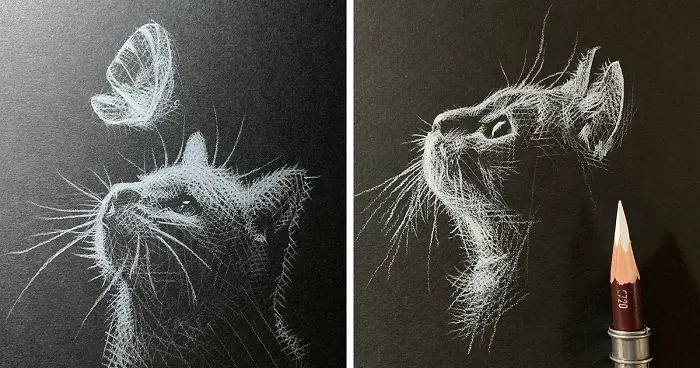
Drawing on black paper requires using opaque, light-colored media to create high-contrast images. Because standard graphite pencils are invisible, artists must utilize white charcoal, gel pens, pastels, or colored pencils. Success depends on building layers from dark to light, carefully managing highlights to define form against the deep, non-reflective background.
On this page
What supplies do you need for black paper art?
To work effectively on black paper, you must select materials that provide high opacity and pigment density. Standard school supplies often fail because they are designed to be translucent on white paper. Professional-grade tools are formulated with higher binder-to-pigment ratios, allowing them to sit on top of the dark fibers rather than sinking into them.
Essential supplies for your kit should include:
- White charcoal pencils or compressed charcoal sticks for soft, blendable highlights.
- Opaque gel pens, specifically white, for fine details and sharp, crisp lines.
- Pastel pencils or soft pastels, which offer vibrant color payoff and excellent coverage.
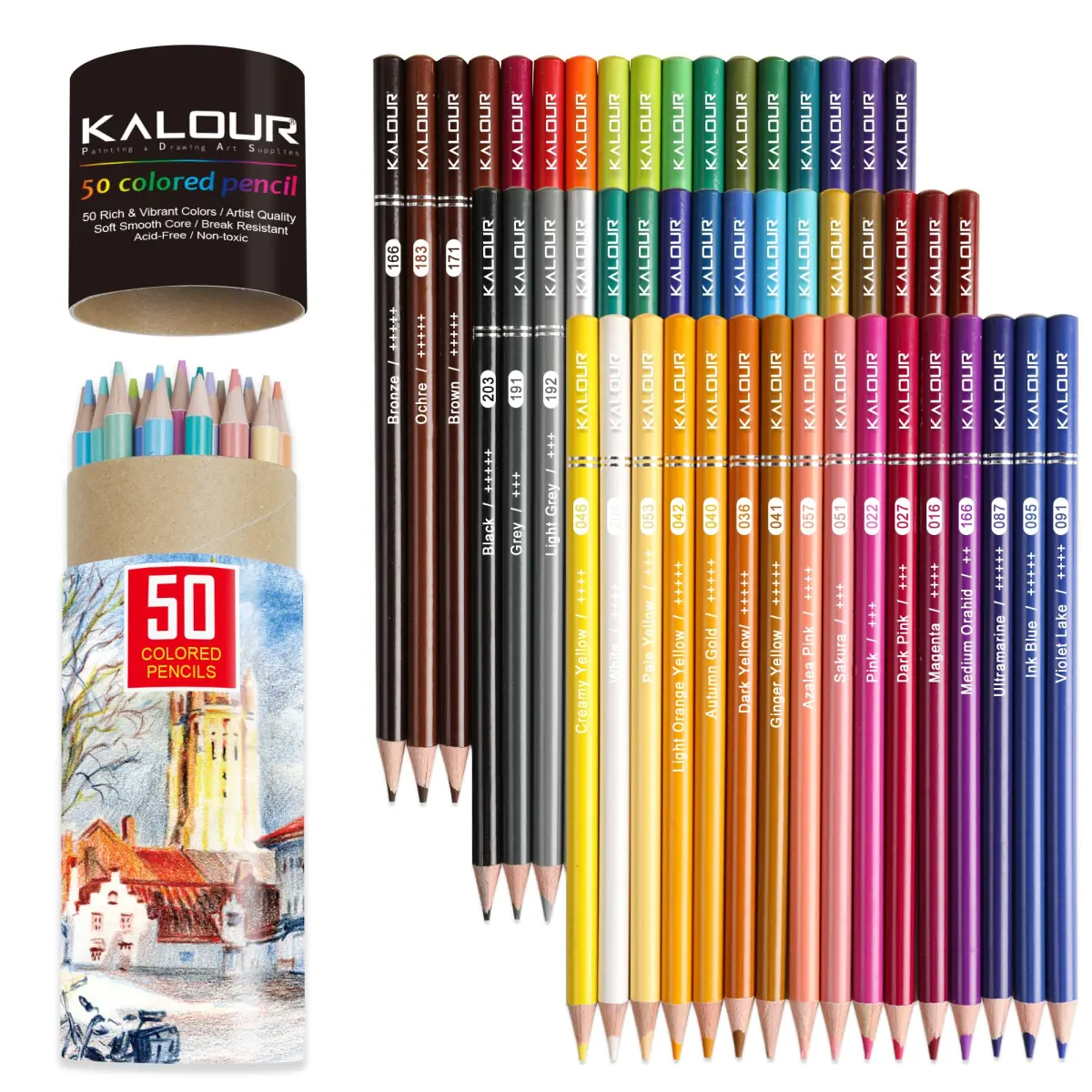
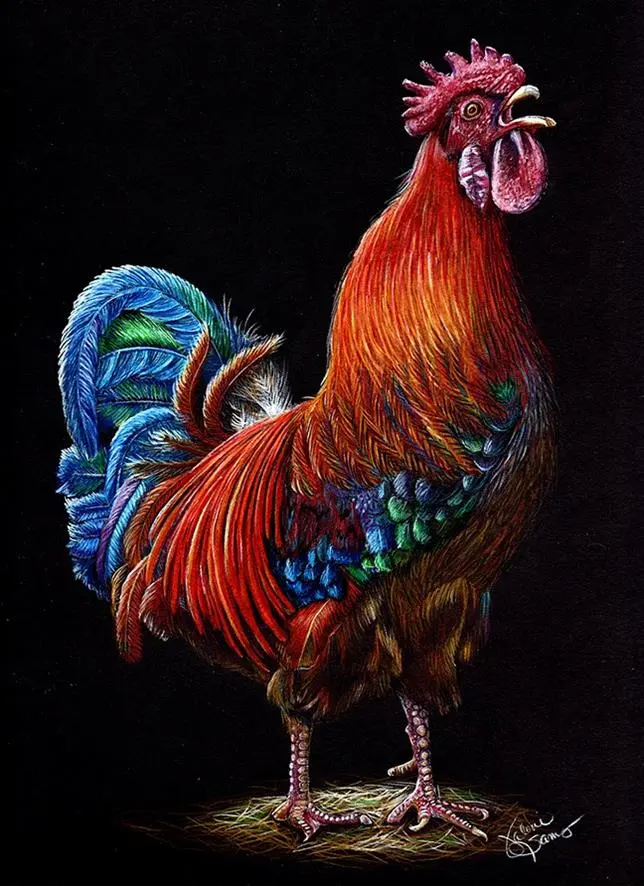
- Prismacolor or similar wax-based colored pencils, which layer well over dark surfaces.
- A kneaded eraser, which is indispensable for lifting charcoal and creating subtle highlights.
Always ensure your paper has a "tooth" or texture. Smooth black cardstock can be difficult for pastels to grip, while heavy-weight charcoal paper provides the necessary friction to hold pigment in place.
How to choose the right paper for drawing?
The quality and texture of your black paper significantly impact how your medium behaves. If you choose paper that is too thin, it may warp under the pressure of repeated layering or heavy erasing. Look for paper labeled as "acid-free" and "archival" to ensure your artwork does not fade or yellow over time.
Consider these factors when selecting your surface:
- Weight: Aim for at least 80lb (130gsm) paper to prevent buckling.
- Texture: Choose a medium-tooth surface for charcoal and a smooth surface for pens.
- Tone: Ensure the black is "true black" rather than a dark grey, which will dull your colors.
Avoid construction paper for serious projects, as it is highly acidic and will degrade quickly. Instead, look for dedicated sketchbooks specifically manufactured for dark media, which often feature thicker sheets designed to handle the heavy application of opaque pigments.
Best techniques for layering on black paper
Working on a dark background requires a complete reversal of traditional drawing logic. On white paper, you draw the shadows and leave the highlights blank; on black paper, you must draw the highlights and leave the shadows as the negative space. This forces you to focus on light sources and reflective surfaces to build volume.
Follow these steps to build your composition:
- Sketch your outline using a light-colored pastel pencil or a very faint white charcoal line.
- Establish your mid-tones first to define the general shape of your subject.
- Gradually add your brightest highlights, saving the pure white for the final touches.
- Use a blending stump or your finger to soften transitions between colors.
By layering from dark to light, you prevent the colors from becoming muddy. If you apply your lightest white too early, you may find it difficult to add darker colors on top without creating a chalky, greyish residue that ruins the intensity of the black background.
Common mistakes when drawing on black paper
One of the most frequent errors is pressing too hard with white pencils. When you apply excessive pressure, you can crush the paper fibers or create a waxy buildup that prevents further layers from adhering. Instead, use a light touch and build up the opacity through multiple thin, controlled passes rather than one heavy stroke.
Another common mistake is failing to account for color shifting. When placing light colors on black, the background will naturally desaturate the pigment. To compensate, use vibrant, highly saturated colors rather than muted tones. Additionally, avoid using standard graphite pencils for underdrawings, as they leave a metallic, reflective sheen that is difficult to cover and often looks messy against the matte black surface. If you must use a guide, use a light-colored watercolor pencil that can be easily blended away or covered by your final medium.
How to preserve black paper drawings
Because charcoal and pastels are inherently dusty and prone to smudging, protecting your finished work is essential. Once you have completed your drawing, you should use a high-quality fixative spray to lock the pigment onto the paper. Hold the can at least 12 inches away from the artwork to prevent droplets from forming or causing the colors to bleed.
For long-term storage, follow these guidelines:
- Use glassine paper between drawings to prevent rubbing.
- Frame your work behind glass or acrylic to keep dust off the surface.
- Store your drawings in a flat, dry environment away from direct sunlight.
Avoid using hairspray as a fixative, as it is not archival and will likely cause the paper to yellow or the pigments to crack over time. By taking these final steps, you ensure that the high-contrast beauty of your black paper artwork remains vibrant and intact for many years of display and enjoyment.
Key facts
- Use opaque media like gel pens, metallic markers, or colored pencils, as standard graphite will not show up on dark surfaces.
- Apply a white base layer of colored pencil or gesso if you want subsequent colors to appear more vibrant and saturated.
- Choose high-quality, acid-free black cardstock or pastel paper to ensure your artwork remains durable and resists fading over time.
- Utilize a "subtractive" drawing technique by focusing on where the light hits the subject rather than outlining the shadows.
- Protect your work with a fixative spray once finished to prevent smudging, especially when using soft pastels or charcoal.
- Experiment with neon or fluorescent markers, which are specifically formulated to glow against dark backgrounds due to their high pigment density.
The bottom line
Drawing on black paper requires a shift in perspective, as you must focus on highlights rather than shadows. By selecting opaque, high-pigment materials like gel pens, metallic markers, or pastel pencils, you can create striking, high-contrast images. Remember to layer your colors carefully to build intensity, keep your hands clean to avoid smudging, and always use a fixative to preserve your finished work for years to come.
People also ask
Can I use regular graphite pencils on black paper?
Regular graphite pencils are not recommended because they create a reflective, greyish sheen that is difficult to see against black surfaces. Instead, use white charcoal or white pastel pencils to achieve high contrast.
What is the best way to blend colors on black paper?
Use a blending stump or a soft cloth to gently smudge your colors. Because black paper is often more textured, circular motions work best to fill in the paper's grain.
Do I need to prime black paper before drawing?
You generally do not need to prime the paper, but applying a thin layer of white acrylic gesso can create a textured surface that holds pigment better. This is especially helpful if you plan to use wet media like gouache.
How do I prevent my hand from smudging the drawing?
Place a clean sheet of parchment or tracing paper under your drawing hand while you work. This prevents oils from your skin and accidental smearing from ruining the fine details of your art.
Are oil-based or water-based pencils better for black paper?
Oil-based pencils are often preferred because they provide a smoother, more opaque application that sits on top of the paper fibers. Water-based pencils can sometimes look translucent or "thirsty" when applied to dark backgrounds.
How can I make my highlights look brighter?
Layer your white media multiple times, allowing each layer to dry or set before adding the next. Using a white gel pen for the final, sharpest highlights will provide the most intense pop of color.
This answer was created with the help of AI research tools and reference sources. Spotted an error? Let us know — we correct mistakes quickly. See our editorial policy.