What is the difference between pen and pencil drawing?
Short answer
Pencil drawing relies on graphite, allowing for erasability, blending, and subtle tonal gradations through varied pressure. In contrast, pen drawing uses permanent ink, demanding precision, deliberate mark-making, and techniques like cross-hatching to create depth. While pencils offer forgiveness for beginners, pens provide high-contrast, bold lines that cannot be altered once applied.
On this page
What are the main differences between pen and pencil?
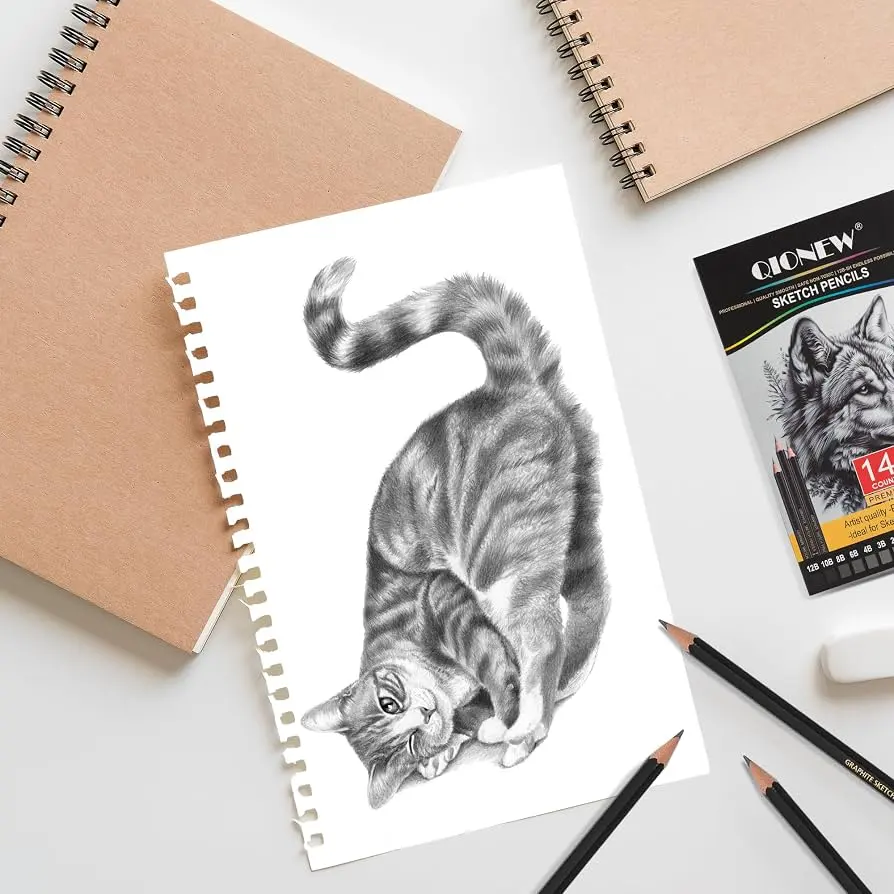
The primary distinction lies in the medium's physical properties and the artist's ability to correct mistakes. Pencils use a core of graphite mixed with clay, which adheres to paper fibers loosely enough to be removed with an eraser. This makes pencils the standard for preliminary sketching, technical drafting, and portraiture where soft transitions between light and shadow are essential. Because graphite is opaque and reflective, it can create a wide range of gray values depending on the hardness of the lead, ranging from 9H (hard) to 9B (soft).
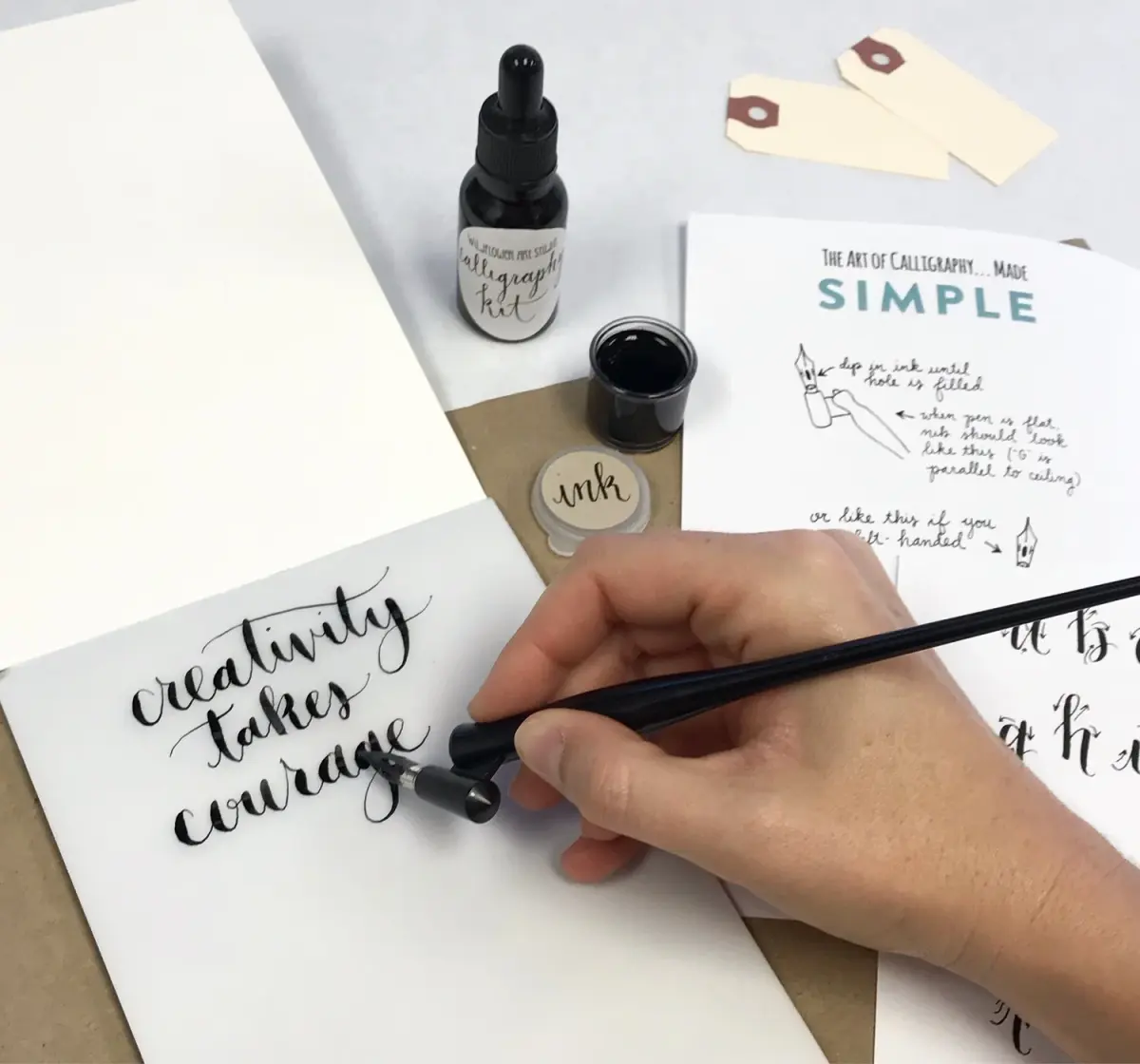
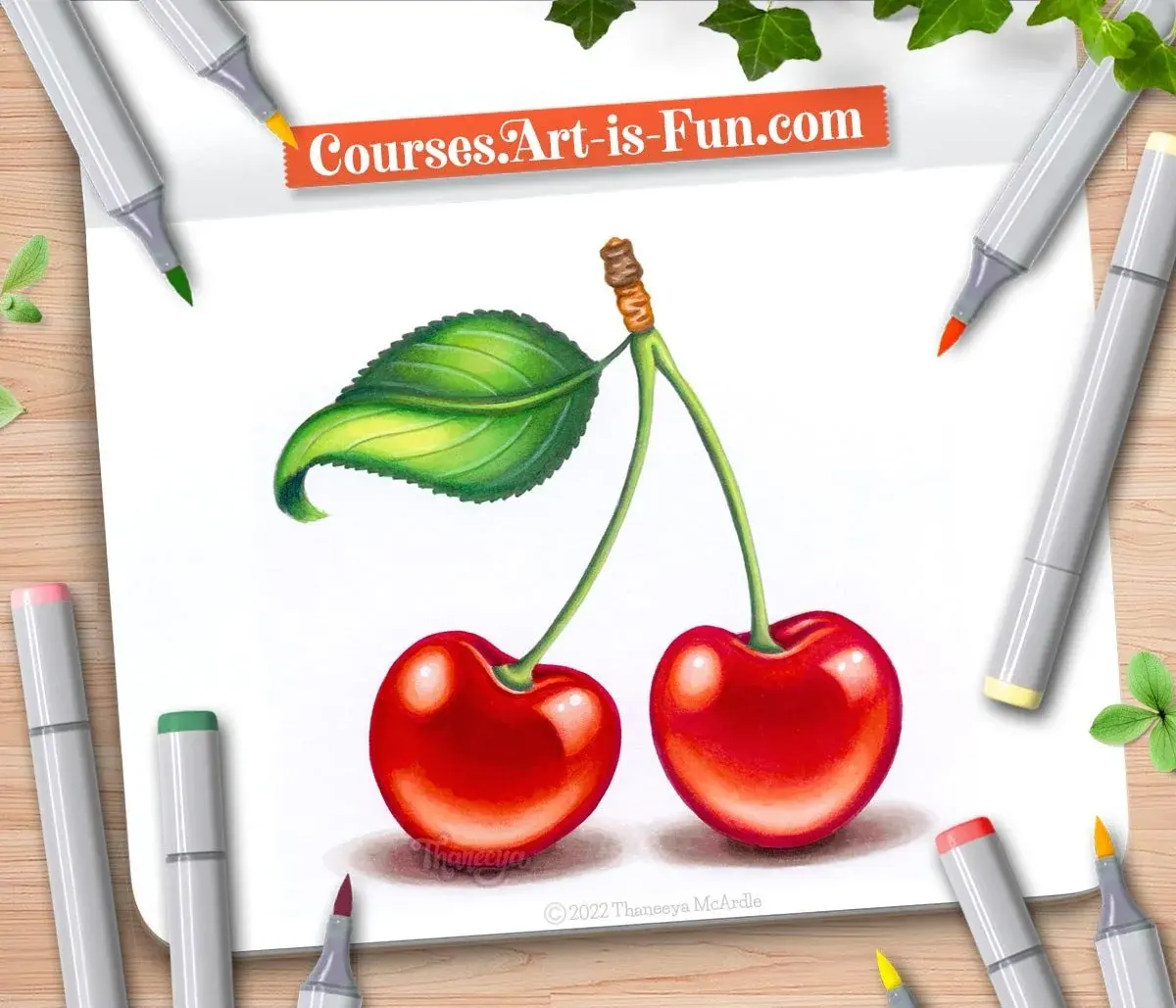
Pens, conversely, utilize liquid or gel-based ink that permanently stains the paper surface. Because ink cannot be erased, the process requires a higher level of commitment and planning. Artists often use pens to achieve crisp, high-contrast lines that are ideal for illustration, architectural rendering, and comic book art. While pencils rely on smudging or layering to create depth, pen artists must manipulate line density and spacing to simulate texture and volume.
How to choose the right tools for beginners
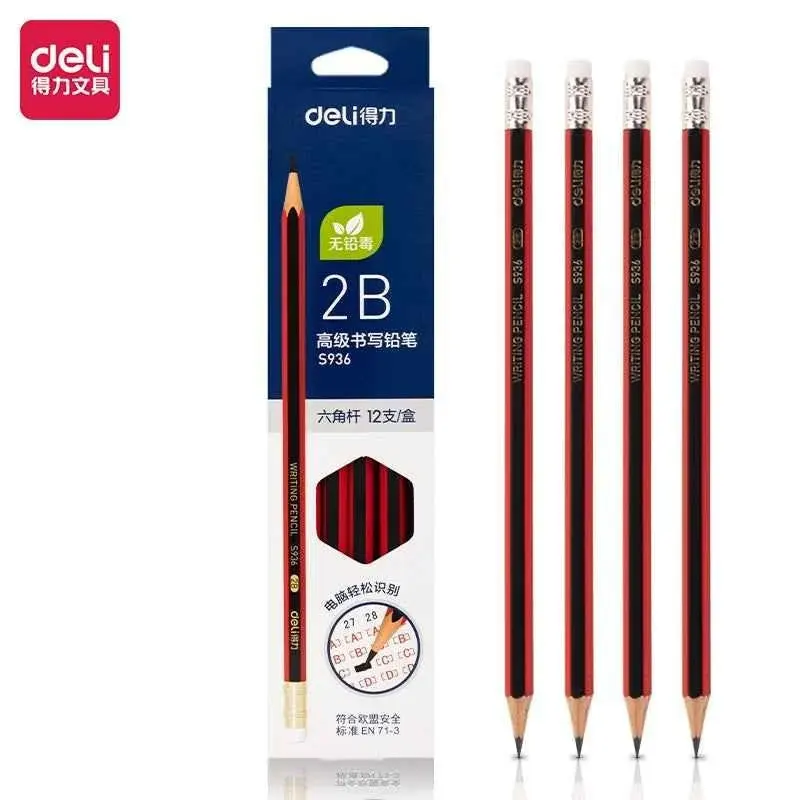
For those starting out, selecting the appropriate equipment can significantly impact the learning curve. Beginners often find pencils more approachable because they allow for experimentation without the fear of permanent errors. A standard HB pencil is the best starting point, as it provides a middle-ground hardness suitable for both sketching and shading. As you progress, you may add a 2B for darker tones or a 2H for lighter, finer details.
When transitioning to pens, technical pens or fine-liners are the most reliable options. These tools provide a consistent line width, which is crucial for developing control. Consider these essential starter items:
- A set of graphite pencils (HB, 2B, 4B) to learn pressure control.
- A kneaded eraser, which lifts graphite without damaging the paper surface.
- A set of fine-liner pens (0.1mm, 0.3mm, 0.5mm) for varied line weights.
- Smooth, acid-free drawing paper that prevents ink from bleeding or feathering.
How to master shading and texture techniques
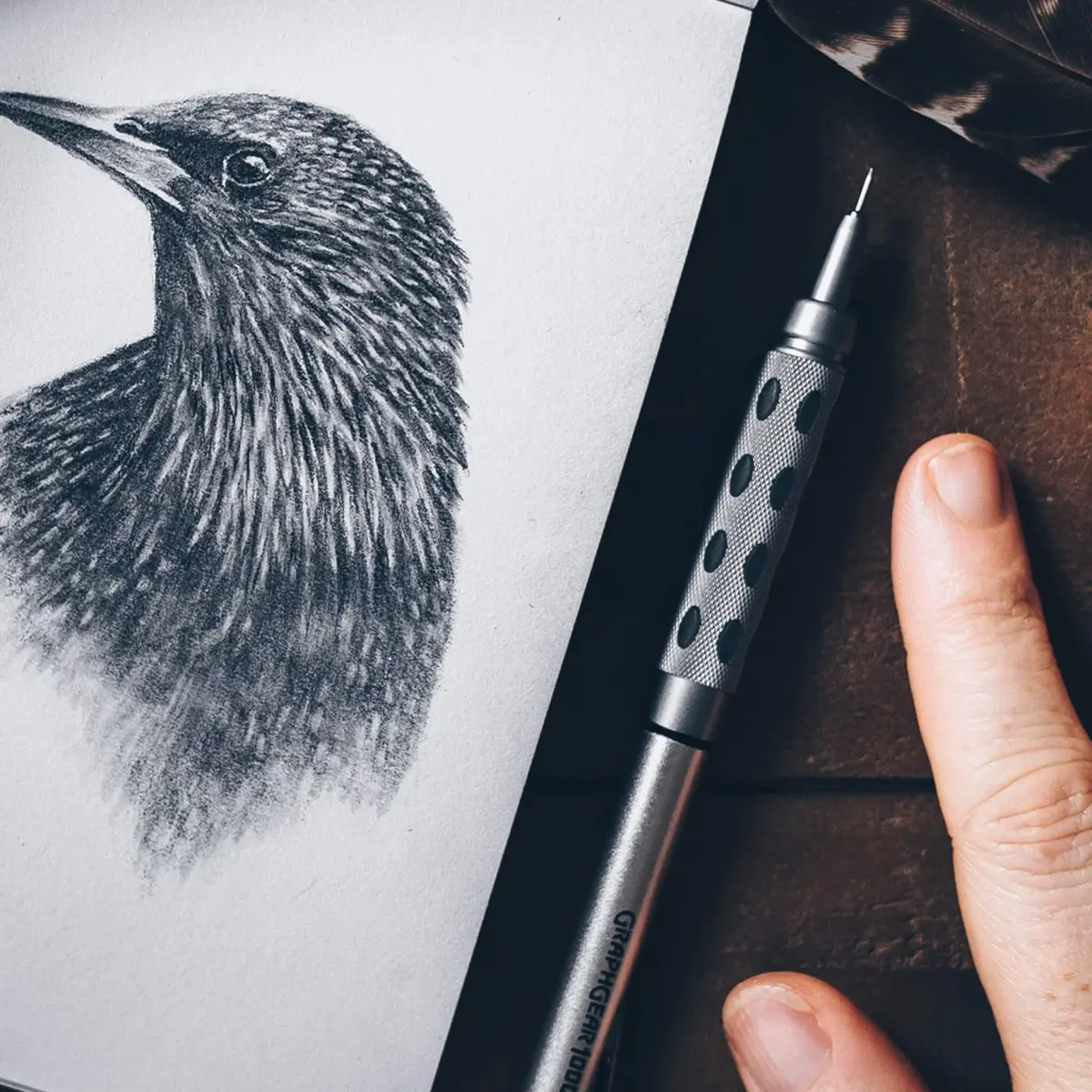
Shading is the process of creating the illusion of three-dimensional form on a two-dimensional surface. With pencils, you can achieve smooth gradients by varying your pressure or using a blending stump to soften the graphite. This technique is perfect for rendering skin tones, fabric, or soft organic shapes. You can also use circular strokes to build up layers of tone slowly, ensuring that the transition from light to dark remains seamless and natural.
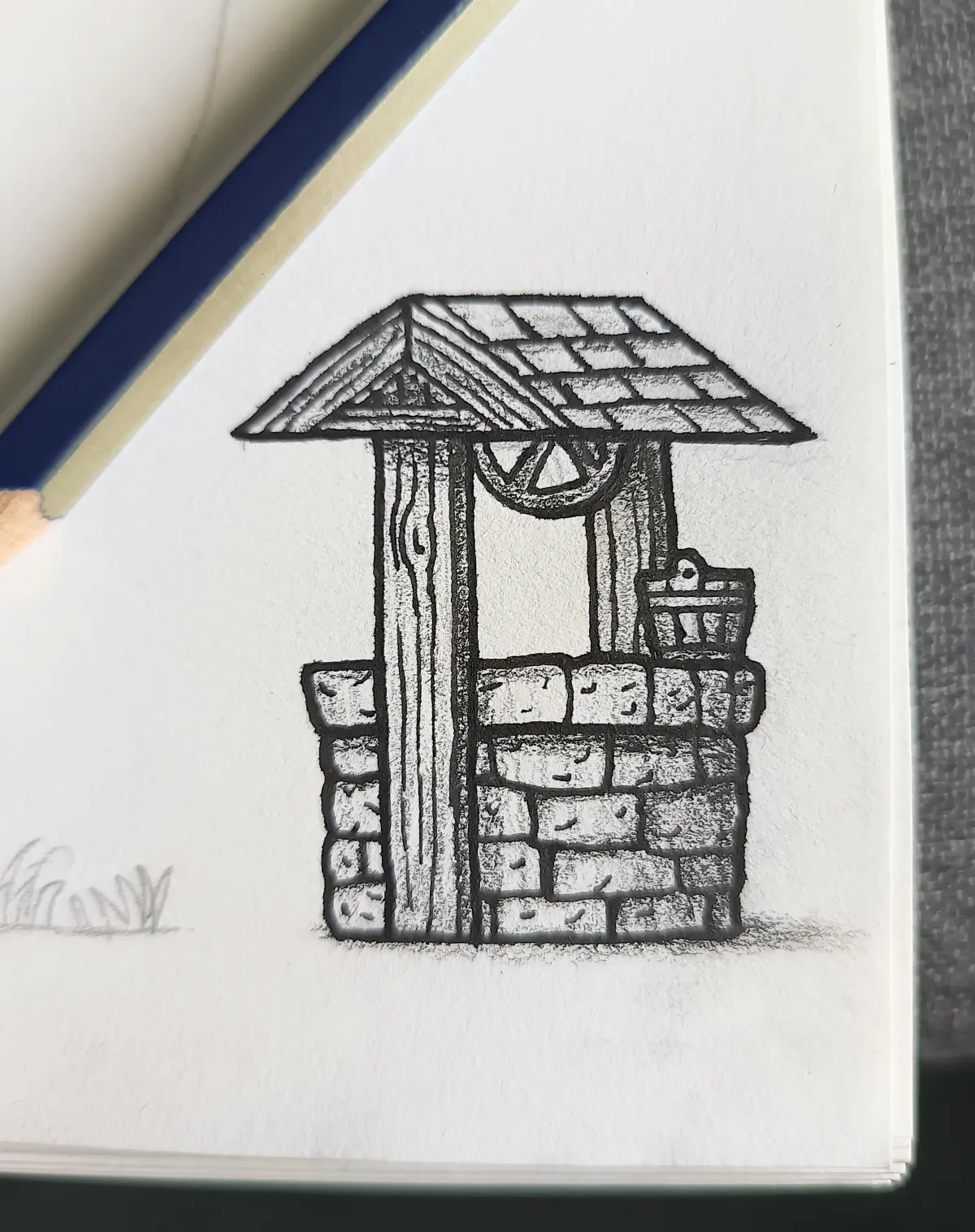
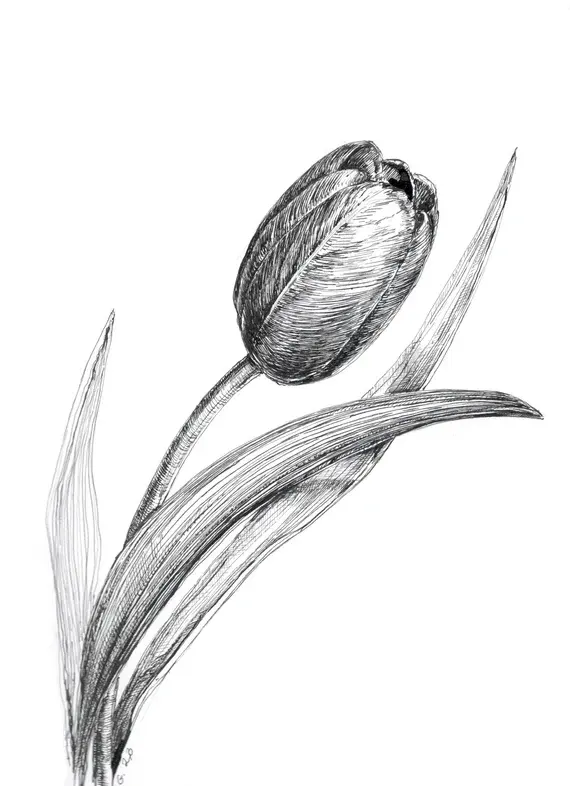
Pen shading requires a different approach since you cannot blend ink. Instead, artists use specific mark-making techniques to create the illusion of value:
- Hatching: Drawing parallel lines close together to create a darker area.
- Cross-hatching: Layering sets of parallel lines at angles to increase density.
- Stippling: Applying thousands of tiny dots to build up shadows.
- Scumbling: Using messy, scribbled loops to suggest texture, such as foliage or rough stone.
Common mistakes when drawing with ink
The most frequent error when using pens is "overworking" the drawing, which often leads to muddy or cluttered lines. Because ink is permanent, adding too many marks can quickly overwhelm the composition and obscure the focal point. Beginners often attempt to shade too aggressively, forgetting that white space is just as important as the ink itself. Always remember that you can add more lines later, but you can never take them away once the ink has dried.
Another common pitfall is failing to account for drying time. Smudging wet ink with your hand is a frustrating experience that can ruin hours of work. To avoid this, follow these practical habits:
- Always work from the top-left of the page to the bottom-right if you are right-handed.
- Use a small piece of scrap paper under your hand to protect the drawing surface.
- Test your pens on a separate sheet to ensure the ink flow is consistent before touching the final paper.
- Allow dark areas to dry completely before drawing fine details over them.
Why professional artists combine both mediums
Many professional illustrators employ a "mixed media" approach, using both pencils and pens to leverage the strengths of each. This workflow typically begins with a light pencil under-drawing to establish the composition, perspective, and proportions. By working in pencil first, the artist can refine the placement of elements and ensure the anatomy or architectural structure is accurate before committing to permanent ink. This safety net reduces anxiety and allows for more creative freedom during the final rendering stage.
Once the pencil sketch is complete, the artist goes over the lines with ink, adding weight and definition. After the ink has fully set, a soft eraser is used to gently remove the remaining graphite lines, leaving a clean, professional-looking illustration. This combination is common in fields like graphic design, storyboard art, and fine arts, where precision and visual impact are equally important. By mastering both, you gain the flexibility to handle any project, from loose, expressive sketches to highly detailed, permanent works of art.
Key facts
- Graphite pencils allow for a wide range of values, from light 9H to dark 9B, by adjusting pressure.
- Ink pens create permanent marks that cannot be erased, requiring more confidence and deliberate planning.
- Pencil drawings can be smudged or blended with stumps to create soft, atmospheric transitions.
- Pen drawings rely on techniques like cross-hatching, stippling, and contour lines to build depth and texture.
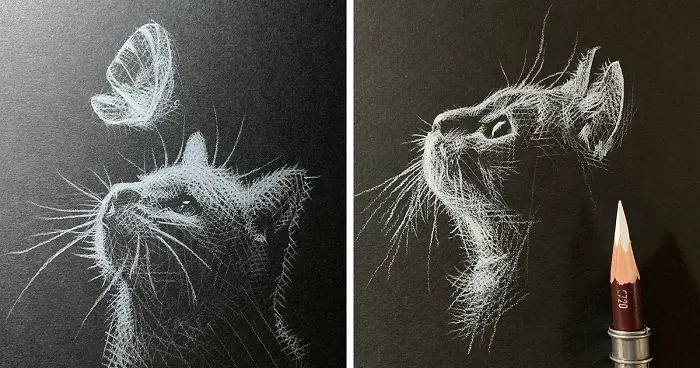
- Erasers are essential tools for pencil artists to correct mistakes or lift highlights from a dark page.
- Archival ink pens are preferred for professional work because they resist fading and water damage over time.
The bottom line
The primary difference between these mediums lies in permanence and technique. Pencils offer flexibility through blending and erasing, making them ideal for developing complex values and realistic forms. Conversely, pens demand precision and structural planning, as every mark is final. Mastering both allows an artist to combine the soft, tonal depth of graphite with the bold, crisp clarity of ink to create dynamic, professional-quality illustrations.
People also ask
Can you use a pencil to sketch before using ink?
Yes, many artists use a light graphite sketch to map out proportions before applying permanent ink. Once the ink is dry, you can use a kneaded eraser to gently remove the visible pencil lines.
What is the best paper for pen drawing?
Smooth, non-porous paper is ideal for pens to prevent ink from bleeding or feathering. Textured paper is better suited for pencils, as the tooth of the paper helps grip the graphite particles.
How do you fix a mistake in a pencil drawing?
Use a vinyl eraser for heavy lines or a kneaded eraser to lift graphite without damaging the paper surface. Avoid over-erasing, as this can degrade the paper fibers and make it difficult to add new layers.
Why does my pen skip when I draw?
Skipping often occurs due to oils from your skin on the paper or a clogged nib. Always place a scrap piece of paper under your hand while drawing to keep the surface clean and dry.
Which medium is better for beginners?
Pencils are generally recommended for beginners because they are forgiving and allow for easy corrections. Once you understand shading and form, transitioning to ink helps build confidence and precision in your line work.
How do you create shading with a pen?
Since you cannot blend ink, you must use mark-making techniques like hatching, cross-hatching, or stippling. The closer together you place your dots or lines, the darker the area will appear to the eye.
This answer was created with the help of AI research tools and reference sources. Spotted an error? Let us know — we correct mistakes quickly. See our editorial policy.