What are the best markers for drawing for beginners?
Short answer
Water-based markers, such as Crayola or Tombow Dual Brush pens, are the best choice for beginners. They are affordable, non-toxic, and easy to blend with water. Alcohol-based markers provide professional, streak-free results but require more practice and specific paper. Start with a small set of versatile colors to master basic layering techniques.
On this page
Best markers for beginners to start with
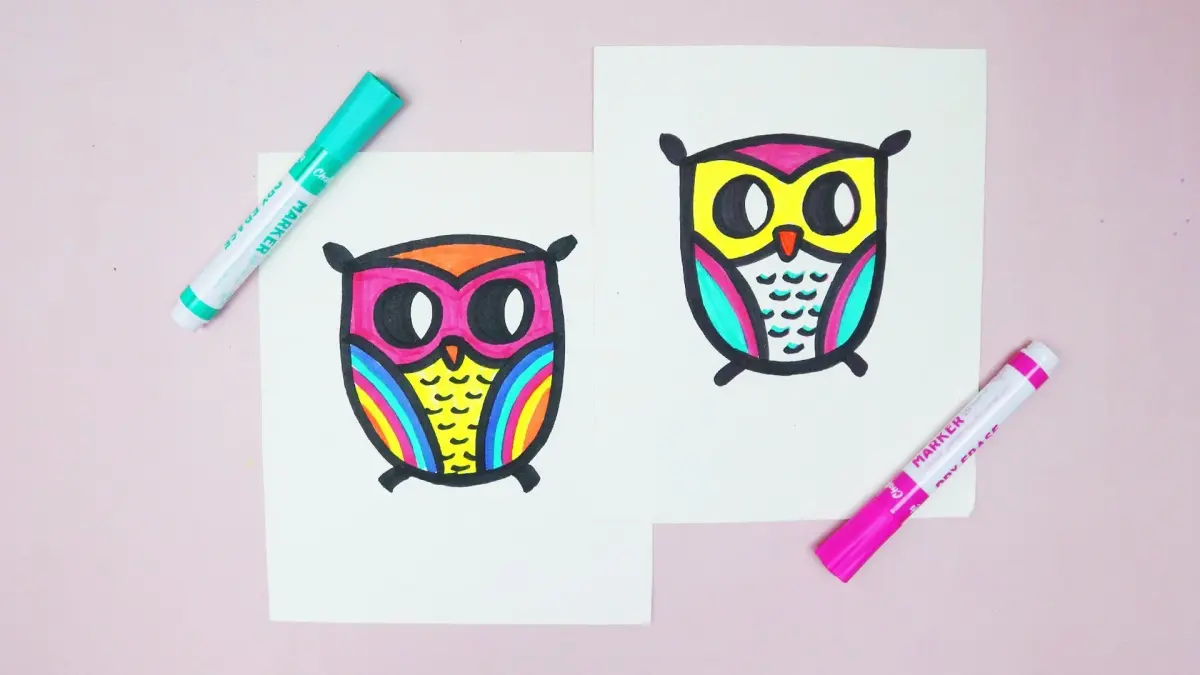
For those just beginning their artistic journey, water-based markers are the most accessible option. Brands like Crayola offer high-quality pigment for a low price, making them perfect for practicing without the pressure of ruining expensive supplies. Tombow Dual Brush pens are a step up, featuring a flexible brush tip that allows for varied line weights and expressive strokes. These markers are water-soluble, meaning you can use a wet brush to blend colors like watercolors.
When selecting your first set, focus on a balanced range of hues rather than a massive collection. A set of 12 to 24 markers provides enough variety to learn color theory and shading. Avoid buying professional-grade alcohol markers immediately, as they require specialized bleed-proof paper and can be overwhelming to manage. Stick to water-based options until you are comfortable with your grip, pressure control, and basic color blending.
How to choose the right marker tips
Markers come with various tip shapes, each serving a distinct purpose in drawing and illustration. The most common types include bullet tips, brush tips, and chisel tips. Understanding which one to use will significantly improve your drawing experience and the final quality of your work.
- Bullet tips: These are firm, round points ideal for fine lines, writing, and adding small details to a drawing.
- Brush tips: These are flexible and mimic the feel of a paintbrush, allowing you to create thin lines by using light pressure and thick strokes by pressing down harder.
- Chisel tips: These feature a flat, angled edge useful for filling in large areas of color or creating bold, calligraphic lines.
Beginners should prioritize brush tips if they are interested in illustration or hand lettering. Bullet tips are essential for outlining, while chisel tips are often unnecessary for small-scale drawings. Many dual-tip markers combine these features, providing the best value for learners who want to experiment with different techniques in one tool.
Why paper choice matters for markers
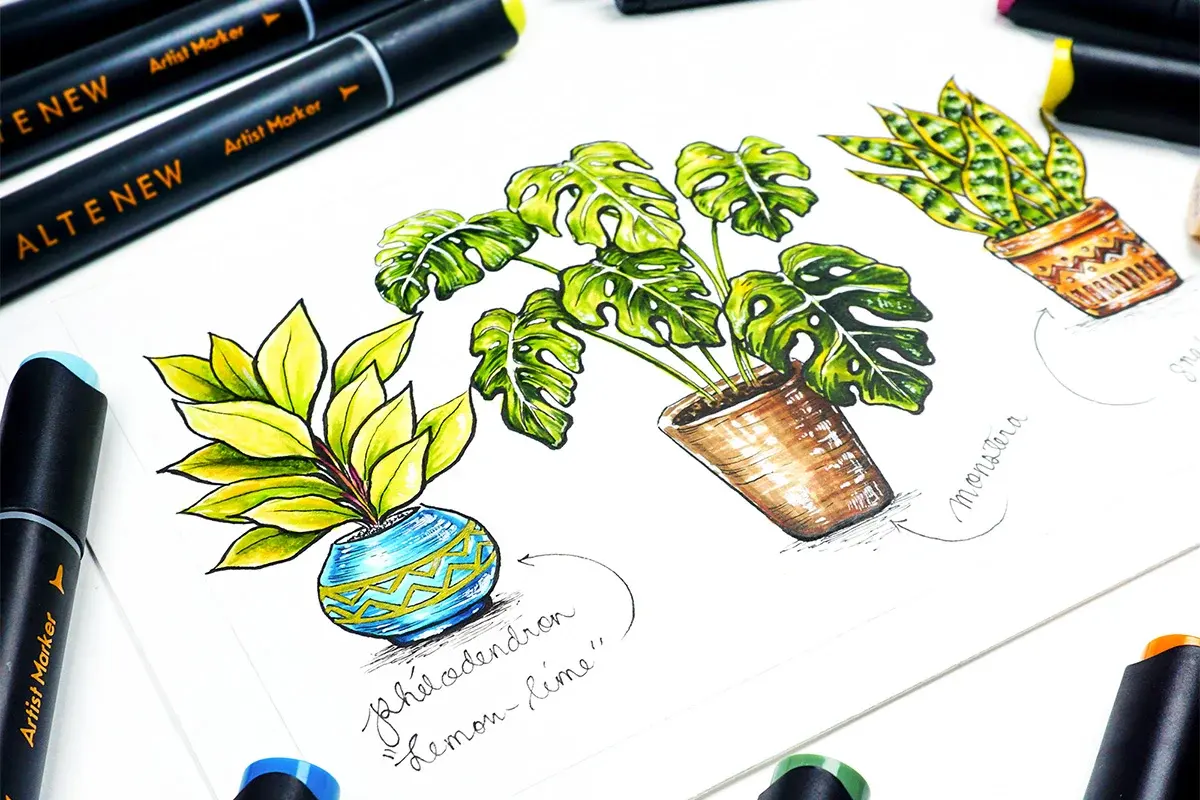
The surface you draw on is just as important as the markers themselves. Standard printer paper is often too thin, causing the ink to bleed through to the other side or feather at the edges. For water-based markers, a smooth, heavy-weight drawing paper or mixed-media sketchbook is ideal. These papers are designed to handle moisture without pilling or tearing.
If you eventually transition to alcohol-based markers, you must use specialized marker paper. These papers are treated with a coating that prevents the ink from soaking into the fibers, which keeps the colors vibrant and prevents bleeding. Using the wrong paper with alcohol markers will result in muddy colors and wasted ink. Always check the packaging of your sketchbook to ensure it is compatible with the type of markers you are using.
How to blend colors with markers
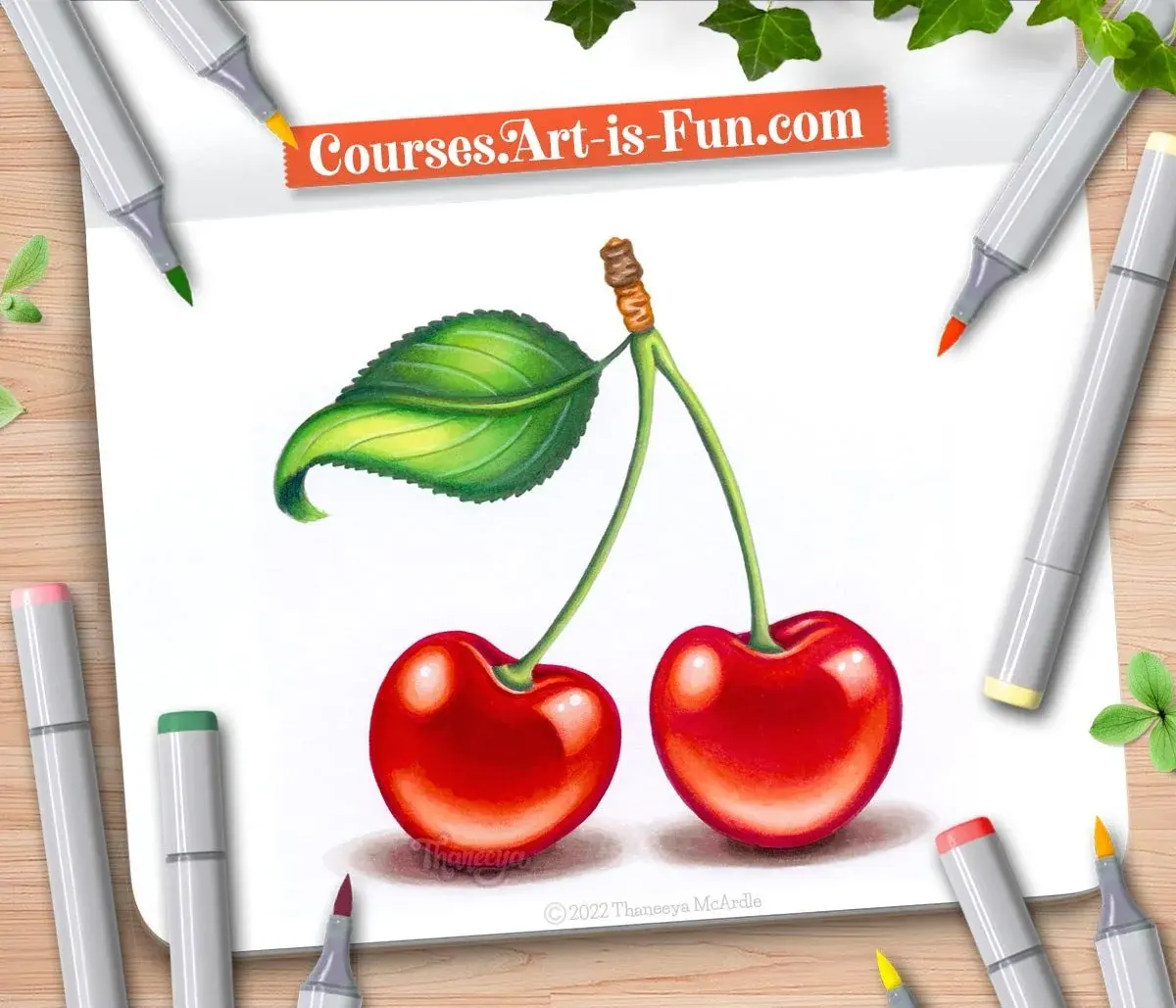
Blending is a fundamental skill that adds depth and realism to your drawings. With water-based markers, you can create smooth transitions by applying color to a non-porous surface, such as a plastic palette or a piece of acetate. Dip a damp brush into the ink and apply it to your paper to achieve a soft, watercolor-like gradient. You can also touch the tips of two markers together to transfer ink from one to the other, creating a temporary custom color.
- Apply the lighter color to the paper first to establish your base layer.
- Add the darker color over the edges of the lighter color while the ink is still wet.
- Use a colorless blender marker or a damp brush to soften the transition line between the two shades.
- Work quickly, as water-based inks dry fast and become harder to manipulate once they set into the paper fibers.
Common mistakes when using markers
One of the most frequent errors beginners make is pressing too hard on the tip. This can fray the fibers of brush markers, permanently ruining the precision of the tool. Always use a light touch, letting the ink flow naturally onto the page. Another common issue is overworking an area, which leads to paper damage and uneven, blotchy color. If you need a darker shade, wait for the first layer to dry completely before applying a second coat.
Finally, many beginners forget to store their markers correctly. Markers should be kept horizontally to ensure the ink stays evenly distributed between both tips. If stored vertically, the ink will gravity-feed to one end, causing one tip to dry out while the other becomes oversaturated. By keeping your markers flat and capping them tightly after every use, you will significantly extend the lifespan of your supplies and maintain consistent performance for every drawing session you undertake.
Key facts
- Alcohol-based markers are permanent, blendable, and dry quickly, making them ideal for professional-looking gradients.
- Water-based markers are safer for children and beginners, as they are non-toxic and often washable.
- Dual-tip markers typically feature a broad chisel tip for filling large areas and a fine bullet tip for detailing.
- High-quality marker paper is essential because standard printer paper causes ink to bleed and feathers the edges.
- Store markers horizontally to ensure the ink remains evenly distributed between the two tips.
- Always cap markers immediately after use to prevent the solvent from evaporating and the nibs from drying out.
The bottom line
For beginners, the best approach is to start with a modest set of dual-tip alcohol or water-based markers. Focus on learning how to blend colors and manage ink flow on high-quality paper rather than buying excessive quantities. By storing markers horizontally and practicing consistent pressure, you will quickly improve your technique. Remember that mastering the fundamentals of shading is more important than the brand of your tools.
People also ask
Can I blend colors with markers?
Yes, alcohol-based markers blend seamlessly by layering wet ink over wet ink. Water-based markers can be blended using a damp brush or a specialized blender pen.
What is the difference between dye-based and pigment-based ink?
Dye-based inks are transparent and vibrant, making them perfect for layering and blending. Pigment-based inks are opaque and lightfast, meaning they resist fading over time.
Why does my marker ink bleed through the back of the paper?
Bleeding is common with alcohol markers because they use a solvent that penetrates paper fibers. Use heavy-weight marker-specific paper or place a scrap sheet underneath your drawing.
Do I need to buy a full set of 100 markers to start?
No, a basic set of 12 to 24 colors is sufficient for learning color theory and blending. You can expand your collection gradually as you identify specific hues you use frequently.
How do I prevent streaks when coloring large areas?
Work quickly while the ink is still wet and use circular motions to fill space. Consistent pressure and overlapping strokes help create a smooth, solid finish.
Are expensive markers worth the investment for beginners?
Professional brands offer better color consistency and replaceable nibs, but entry-level brands are excellent for practice. Start with affordable sets to master your technique before upgrading to premium tools.
This answer was created with the help of AI research tools and reference sources. Spotted an error? Let us know — we correct mistakes quickly. See our editorial policy.