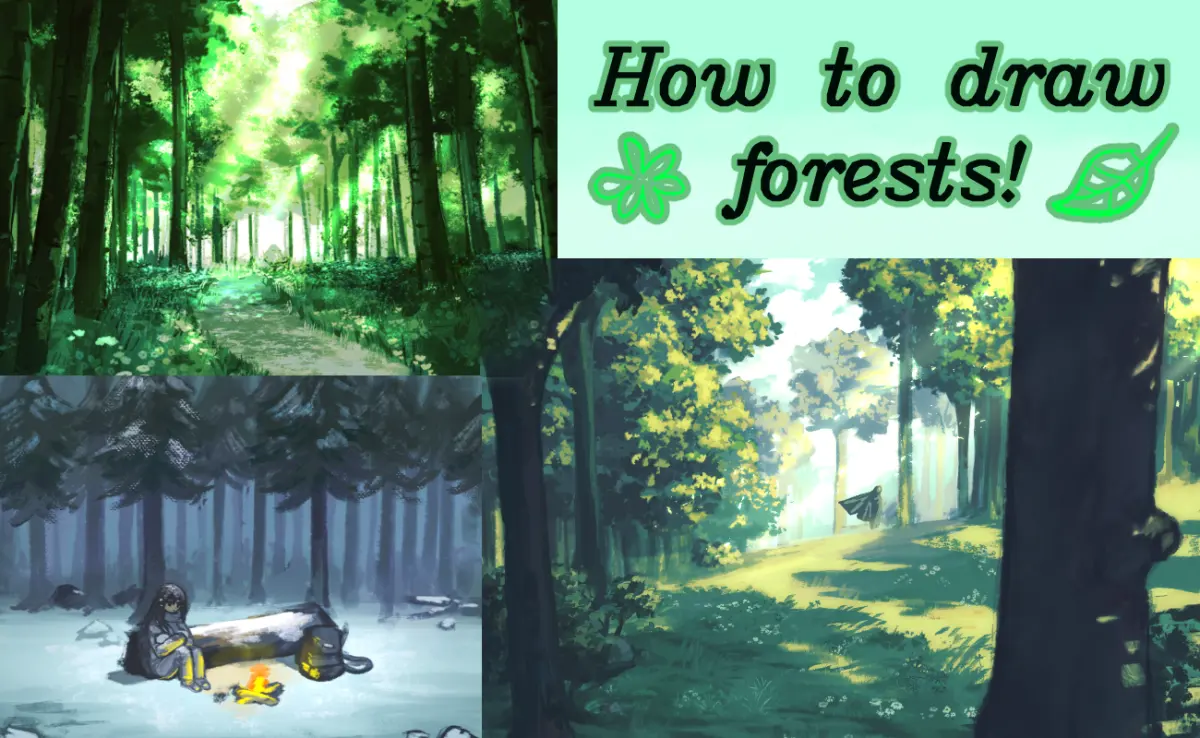
How do you draw a birch tree for beginners?
Short answer
Drawing a birch tree involves capturing its signature white, papery bark and slender, vertical form. Begin by sketching a tall, slightly irregular trunk with light pencil strokes. Add horizontal, dark markings to mimic the tree’s unique lenticels. Finally, incorporate delicate, drooping branches and sparse, triangular leaves to complete this iconic woodland subject.
On this page
How to sketch the basic shape of a birch tree
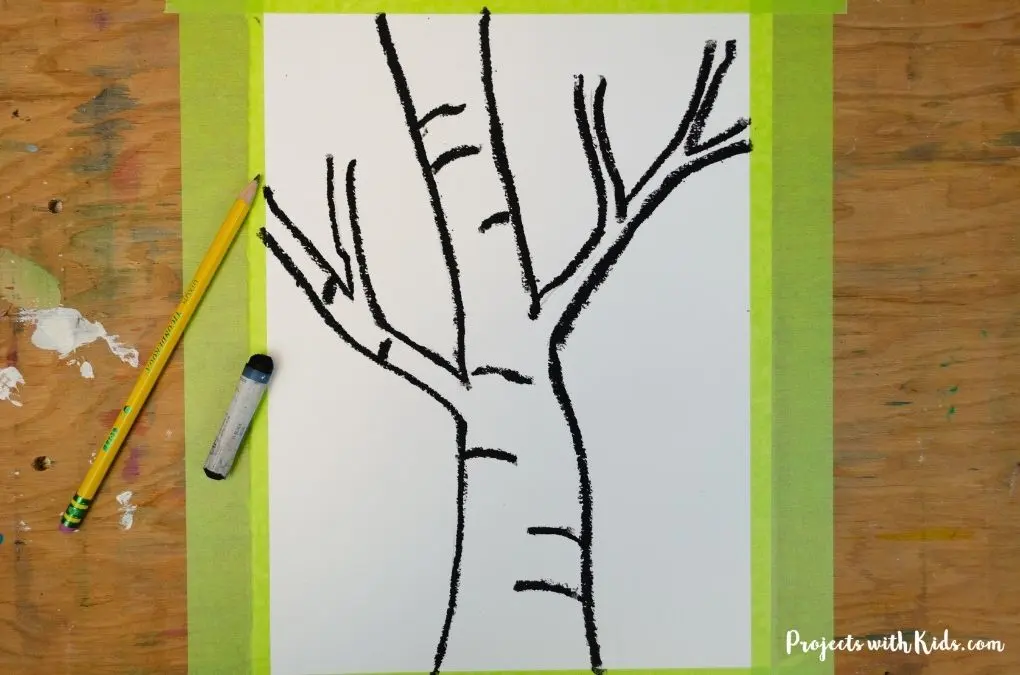
Birch trees are defined by their tall, slender, and often slightly crooked profiles. Unlike oak or maple trees, which feature wide, spreading canopies, birch trees typically grow in narrow, vertical columns. To begin your drawing, use a light graphite pencil to sketch two vertical lines that taper slightly toward the top. Do not worry about making the lines perfectly straight; birch trees often have subtle bends or gentle curves that give them character.
Once the silhouette is established, consider the tree's branching pattern. Birch branches are thin and tend to grow upward before arching gracefully toward the ground. Sketch these branches as thin, tapering lines extending from the main trunk. Keep your pressure light during this initial phase, as you will need to erase or refine these lines later. Focus on the overall gesture of the tree rather than individual details, ensuring the proportions feel balanced and natural before moving on to the bark texture.
Best techniques for drawing birch bark
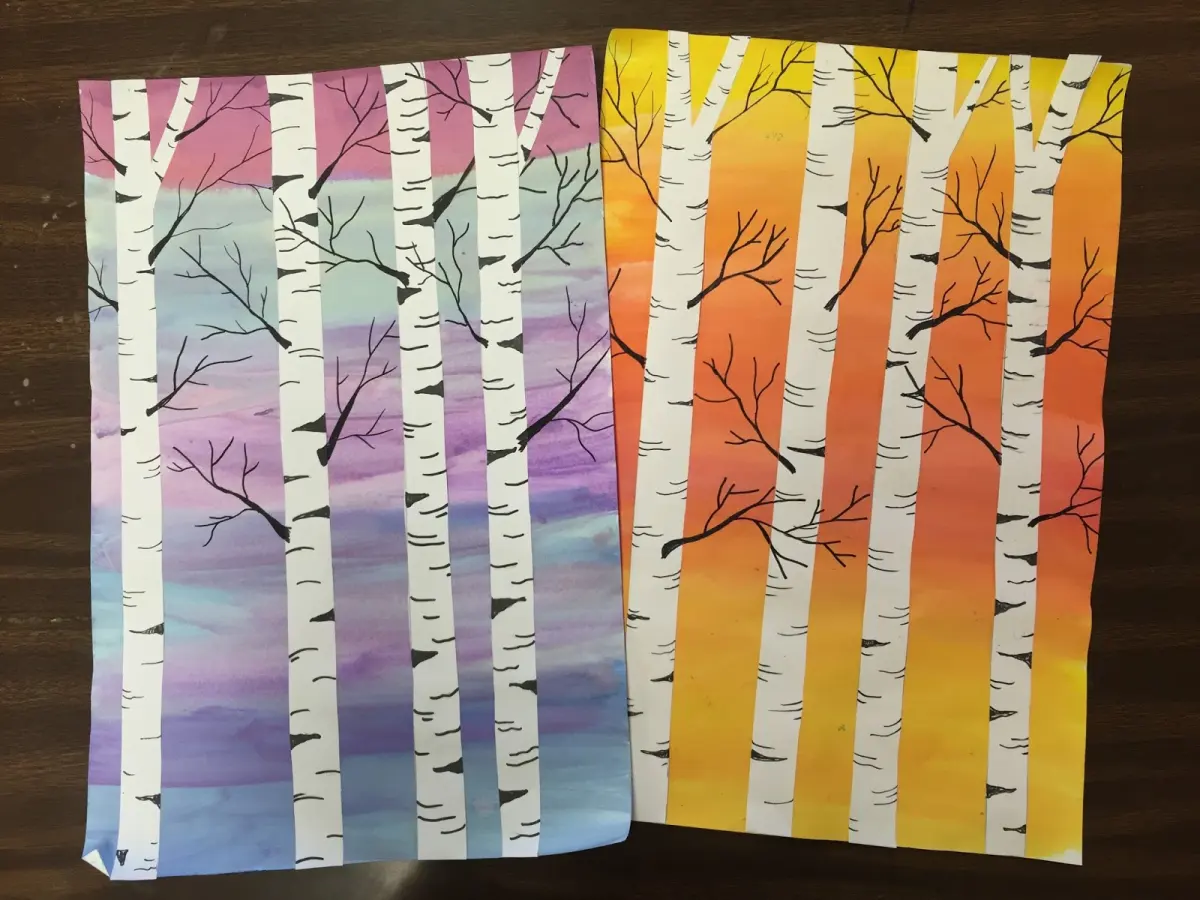
The most recognizable feature of a birch tree is its peeling, white bark marked by horizontal, dark streaks known as lenticels. To achieve this look, start by shading the entire trunk with a light layer of graphite or charcoal, leaving small, irregular white gaps to represent the papery texture. Avoid uniform shading; the bark should look layered and slightly weathered. Use a kneaded eraser to lift small highlights, which creates the illusion of light reflecting off the shiny surface of the bark.
After establishing the base tone, use a darker pencil or a fine-tip ink pen to add the horizontal markings. These marks should be irregular in length and width, wrapping slightly around the curve of the trunk. Follow these steps to refine your texture:
- Draw short, jagged horizontal lines across the trunk at varying intervals.
- Vary the thickness of these lines to create depth and shadow.
- Add small, dark "knots" where branches meet the trunk, as these areas are usually darker and more textured.
- Use a blending stump to soften the edges of the darkest marks, making them appear integrated into the bark.
How to draw birch leaves and branches
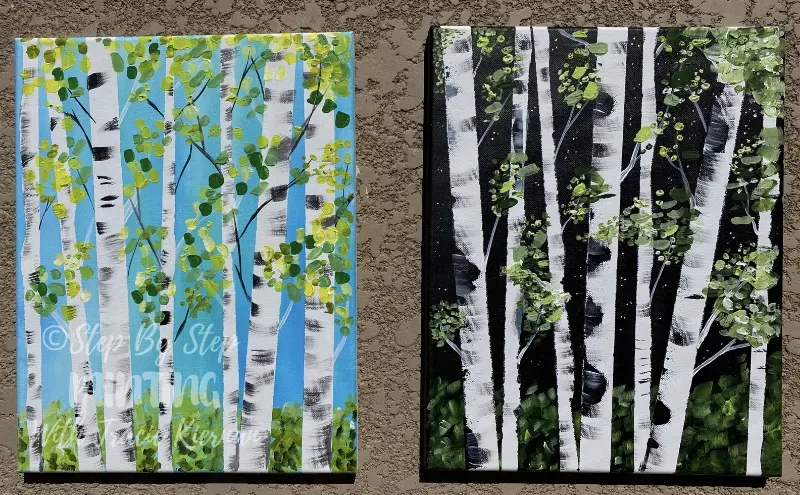
Birch leaves are small, triangular, and feature serrated edges. Because birch trees have an airy, open canopy, you should avoid drawing every individual leaf. Instead, focus on clustering them in small groups at the ends of the drooping branches. Use light, quick strokes to suggest the presence of foliage, allowing the white space of the paper to show through the canopy. This technique captures the delicate, light-filtering quality that birch trees are famous for in forest landscapes.
When drawing the leaves, remember that they are attached to the twigs by thin, flexible stems. These stems allow the leaves to flutter in the wind, which is a hallmark of the species. To make your drawing look professional, follow these guidelines:
- Keep the leaf clusters sparse to maintain the tree's characteristic transparency.
- Use a sharper pencil for the edges of the leaves to define their triangular shape.
- Vary the orientation of the leaves so they do not look like a uniform pattern.
- Add light, circular shadows within the foliage clusters to provide volume and depth.
Common mistakes when drawing birch trees
One of the most frequent errors beginners make is drawing the trunk perfectly straight and symmetrical. Real birch trees in nature are rarely uniform; they often lean, twist, or grow in small clusters of three or more. If your drawing looks too rigid, try adding a slight curve to the trunk or sketching a smaller, secondary tree leaning against the main one. This breaks up the monotony and adds a sense of realism that is often missing from beginner sketches.
Another common mistake is over-detailing the bark. If you draw too many horizontal lines, the tree will look cluttered and lose its papery appearance. Focus on quality over quantity by placing your darkest markings strategically, such as near the base of the tree or around branch attachments. Additionally, avoid making the branches too thick. Birch branches are notoriously thin and delicate; if they appear heavy or wooden like an oak branch, the drawing will lose its specific identity. Always step back from your work periodically to ensure the overall silhouette remains graceful.
How to add depth and shadows to your drawing
To make your birch tree pop off the page, you must master the use of light and shadow. Even though the bark is white, it is not flat; it has a cylindrical form that requires shading to look three-dimensional. Determine where your light source is coming from and shade the opposite side of the trunk slightly darker. This simple adjustment creates a rounded effect, transforming a flat line into a solid, cylindrical object. Use cross-hatching or smooth shading to build up these values gradually.
Finally, consider the environment surrounding the tree. Adding a soft, blurred background or a few blades of grass at the base can ground the tree and provide context. Do not be afraid to use a dark background to contrast with the light bark, which will highlight the tree's silhouette. By combining accurate bark textures with proper lighting and a naturalistic form, you will create a convincing and beautiful representation of a birch tree that captures its unique spirit and elegance.
Key facts
- Birch trees are defined by their papery, peeling bark that often features horizontal dark markings called lenticels.
- Start your drawing by sketching two slightly curved vertical lines to represent the trunk, keeping them parallel but not perfectly straight.
- Use a series of short, horizontal, jagged dashes across the trunk to mimic the texture of peeling bark.
- Add "V" shapes or small triangles along the sides of the trunk to represent where branches meet the main stem.
- Draw the canopy as loose, cloud-like clusters rather than a solid mass to suggest the tree’s light, airy foliage.
- Use a soft graphite pencil (like a 2B) to shade the sides of the trunk, leaving the center lighter to create a sense of roundness.
The bottom line
Drawing a birch tree is an exercise in capturing texture and movement rather than rigid geometry. By focusing on the characteristic horizontal lenticels and the tree's naturally drooping, slender branches, you can create a lifelike representation. Remember to keep your lines loose and prioritize the contrast between the light trunk and dark bark markings to achieve the iconic look of this distinctive forest species.
People also ask
What is the best pencil grade for sketching trees?
A 2B or HB pencil is ideal for beginners because it allows for both light structural lines and darker shading. Harder leads like 4H are too faint, while softer leads like 6B smudge too easily for precise bark texture.
Should I draw every single leaf on a birch tree?
No, drawing individual leaves often makes a tree look cluttered and unrealistic. Instead, focus on the overall silhouette and suggest foliage by grouping small, irregular shapes together in clusters.
How do I make the bark look realistic?
Focus on the horizontal lenticels, which are the dark, thin lines that wrap partially around the trunk. Varying the length and spacing of these marks prevents the tree from looking like a simple striped pole.
Why does my tree look flat?
You likely lack sufficient shading on the edges of the trunk. Always shade one side of the trunk slightly darker than the other to create a three-dimensional, cylindrical appearance.
How do I draw birch branches?
Birch branches are typically thin, flexible, and tend to droop toward the ground. Keep your lines delicate and tapering, rather than thick and rigid, to capture the tree's graceful, weeping habit.
Can I use ink for birch trees?
Ink is excellent for birch trees because the high contrast between black ink and white paper mimics the natural appearance of the bark. Use a fine-liner pen to add the dark horizontal markings after your initial pencil sketch.
This answer was created with the help of AI research tools and reference sources. Spotted an error? Let us know — we correct mistakes quickly. See our editorial policy.