How can I draw an oak tree easily?
Short answer
Drawing an oak tree is best approached by simplifying its complex canopy into clusters of rounded shapes. Focus on a sturdy, textured trunk that splits into thick, gnarled branches. By layering foliage masses rather than individual leaves, you can capture the characteristic dense, sprawling silhouette of a mature oak tree effectively.
On this page
How to structure the basic shape of an oak tree
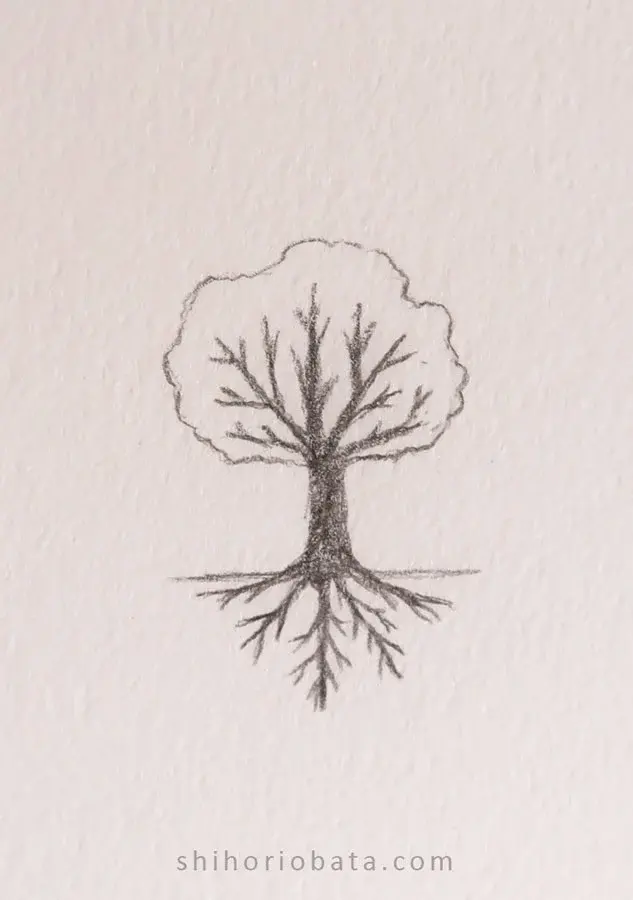
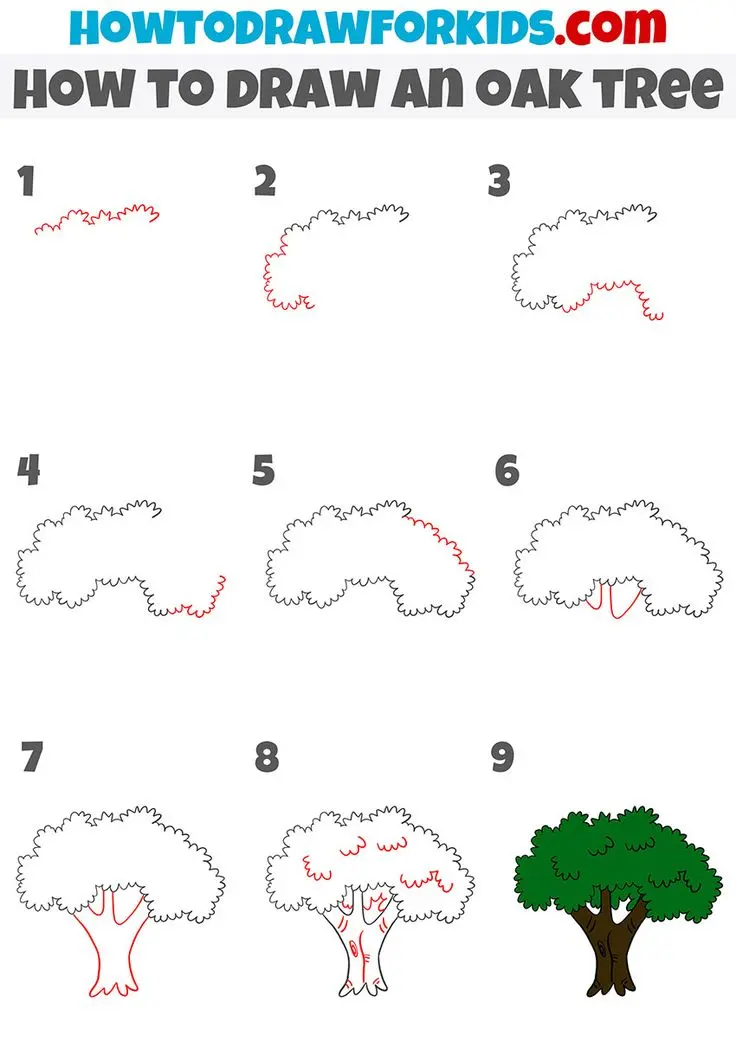
The key to drawing an oak is recognizing its silhouette. Unlike pine trees, which are often conical, oaks possess a wide, spreading crown that can be as broad as the tree is tall. Start your sketch by drawing a light, irregular oval or cloud-like shape to represent the outer boundary of the foliage. This serves as your guide for where the branches will eventually extend.
Once you have the canopy boundary, draw a thick, vertical line for the trunk. Oak trunks are notoriously sturdy and often appear slightly twisted or rugged. Aim for a wide base that tapers as it moves upward, mimicking the way a tree anchors itself into the ground. Do not make the trunk perfectly straight, as natural oak growth is defined by its organic, slightly asymmetrical curves.
How to draw realistic oak branches and limbs
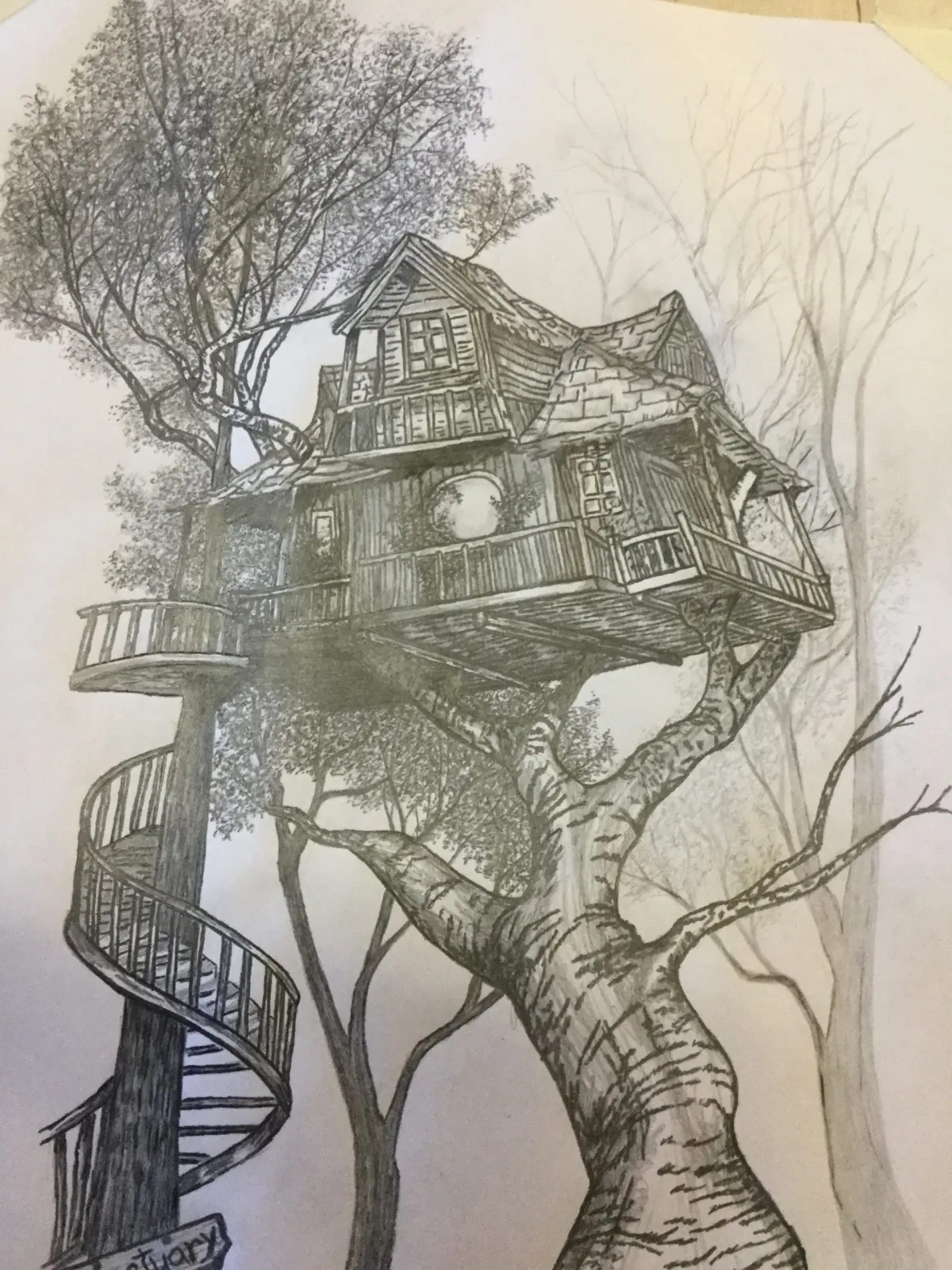
Oak branches are heavy and grow in a sprawling, outward fashion. They do not grow straight up; instead, they often bend at sharp angles or twist as they reach toward the light. To achieve this look, draw thick, tapering lines that originate from the trunk and extend into your foliage guide. Ensure these branches overlap in places to create depth.
When drawing the limbs, follow these steps to maintain structural integrity:
- Begin with the primary limbs that emerge directly from the main trunk, making them the thickest branches.
- Add secondary branches that fork off the primary ones, gradually decreasing the line thickness.
- Keep the tips of the branches jagged or broken to suggest the rough texture of old wood.
- Ensure the branches reach toward the edges of your foliage guide to support the weight of the leaves.
Best techniques for drawing oak foliage
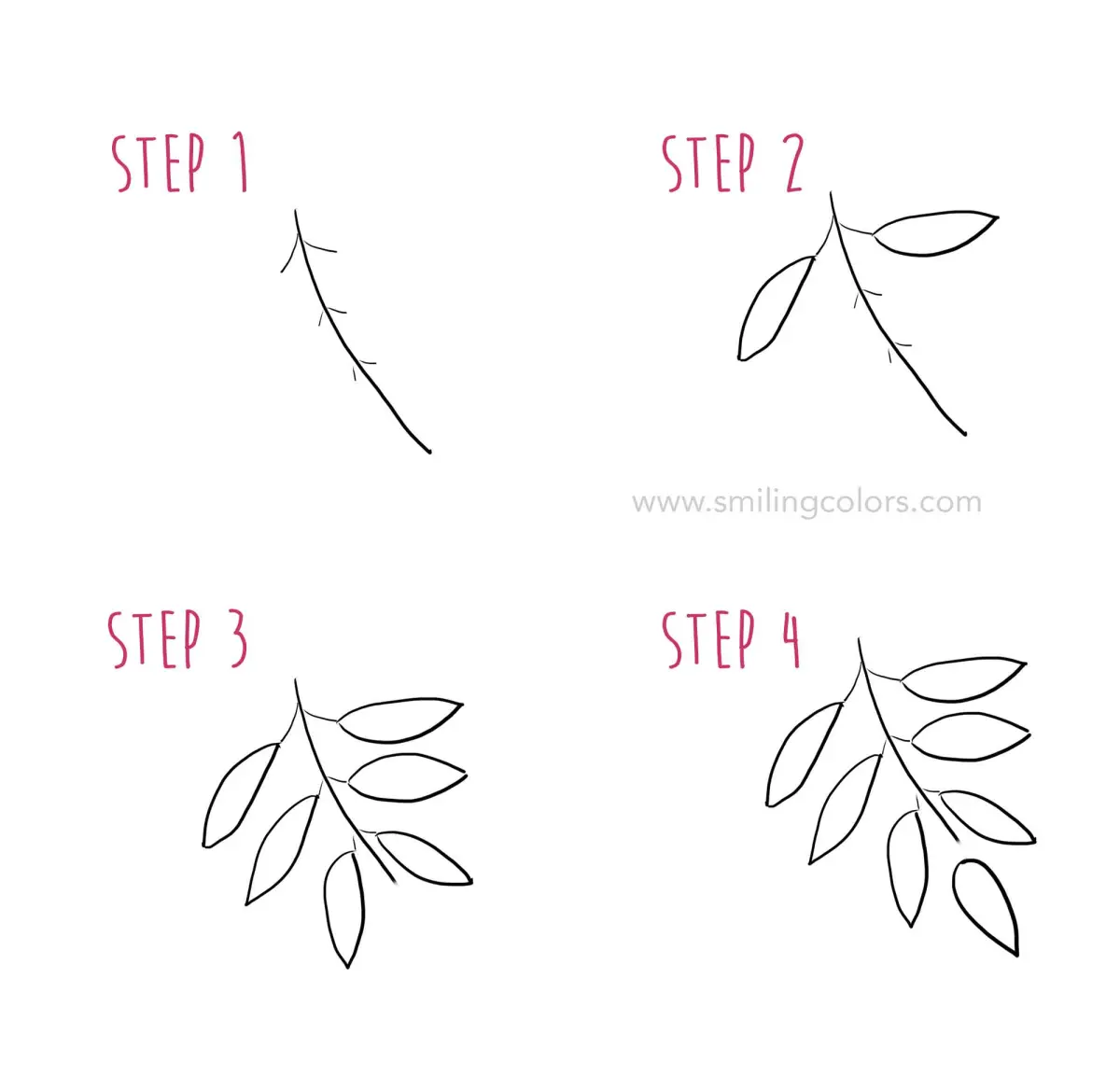
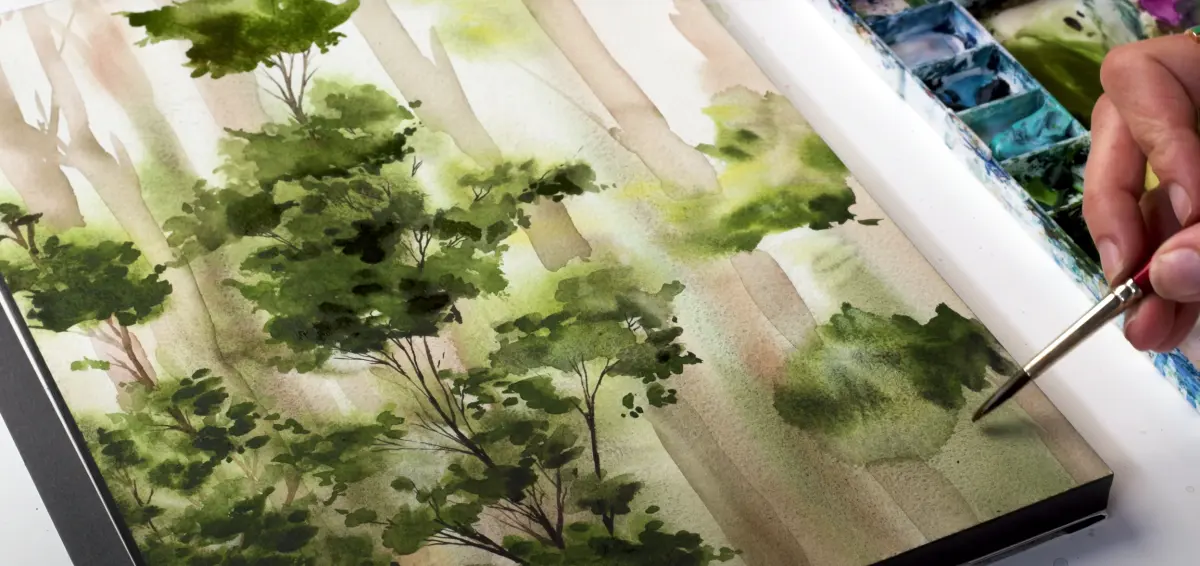
Drawing every single leaf on an oak tree is unnecessary and often makes the drawing look cluttered. Instead, focus on "leaf clusters," which are small, rounded clumps of foliage. Use a series of scalloped or "bumpy" lines along the edges of your canopy guide. This creates the illusion of dense, layered leaves without requiring excessive detail.
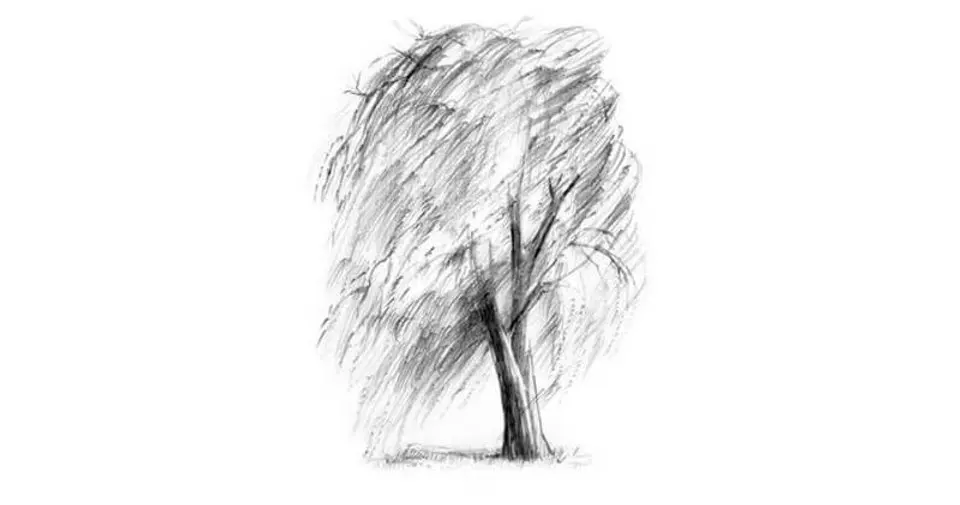
To add volume to your tree, shade the underside of these clusters. Darker marks underneath the clumps suggest shadow and depth, while the tops of the clusters remain lighter to represent sunlight hitting the canopy. By varying the size of these clusters, you create a more natural, randomized look that mimics the actual growth patterns of a Quercus genus tree.
How to texture the oak trunk and bark
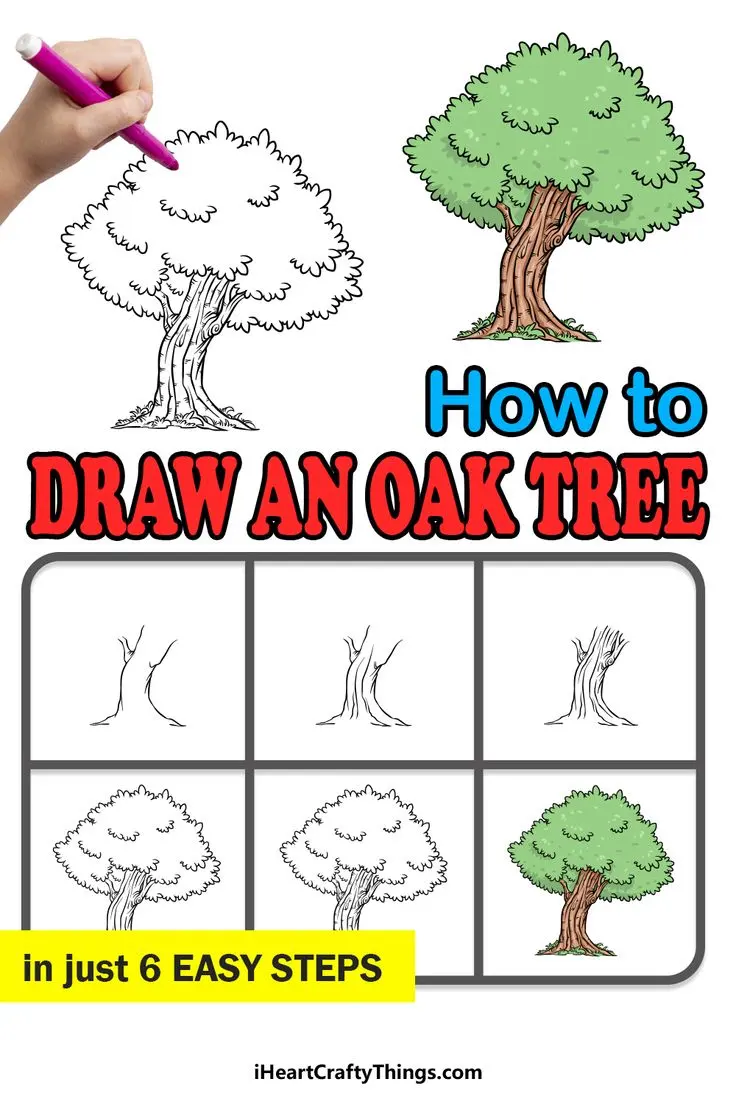
The bark of an oak tree is one of its most defining features. It is deeply furrowed, thick, and gray or brown in color. To represent this texture, use vertical, broken lines that follow the contours of the trunk. Avoid drawing long, continuous lines, as bark is composed of irregular, overlapping plates that shift as the tree grows.
Consider these tips for adding authentic bark detail:
- Use a soft-lead pencil to create subtle cross-hatching in the shadows of the trunk.
- Add small, horizontal "nicks" or dots to represent knots and scars in the wood.
- Keep the texture denser on one side of the trunk to indicate a light source, which helps give the tree a three-dimensional appearance.
- Vary the pressure of your pencil to create darker, deeper crevices in the bark, which adds a sense of age and permanence to the drawing.
Common mistakes when drawing oak trees
One of the most frequent errors is drawing the trunk too thin. An oak tree is a symbol of strength and longevity; if the trunk looks weak, the entire drawing will lose its sense of scale. Always ensure the base of the tree is significantly wider than the branches to provide a visual foundation. Another mistake is making the canopy too symmetrical. Nature rarely produces perfect circles, so ensure your foliage clumps are uneven and vary in size to reflect a realistic, organic growth pattern.
Finally, avoid the "lollipop" effect, where the foliage is drawn as one solid, flat mass atop a stick-like trunk. If you do not show branches weaving through the leaves, the tree will look like a cartoon rather than a botanical study. Always allow some branches to peek through the foliage gaps. This technique, known as "negative space," provides visual interest and confirms that your tree has a complex, internal structure that supports its massive canopy.
Key facts
- Oak trees are characterized by their sturdy, gnarled trunks and wide, spreading canopies.
- Start your drawing by sketching a thick, irregular trunk that tapers as it moves upward.
- Use a "cloud" technique to outline the foliage, keeping the edges bumpy rather than smooth.
- Add depth by shading the underside of branch clusters to create the illusion of volume.
- Oak bark is deeply furrowed; use vertical, jagged lines to represent this texture.
- Draw the iconic lobed leaves in small clusters rather than individually to save time and maintain scale.
The bottom line
Drawing an oak tree effectively relies on capturing its rugged, irregular silhouette rather than focusing on individual details. By establishing a sturdy, textured trunk and grouping foliage into shaded, cloud-like masses, you create a realistic sense of volume. Practice observing the natural, asymmetrical growth patterns of real oaks to improve your technique. With consistent attention to light and shadow, your sketches will gain depth and character.
People also ask
Should I use a pencil or ink for drawing trees?
Pencils are ideal for beginners because they allow for easy erasing and layering of shadows. Ink pens are better for final outlines once you have established the structure of the tree.
How do I make the tree look aged?
To suggest age, draw a wider, thicker trunk with visible knots and twisted branches. Adding cracks or hollows in the bark helps convey a sense of history.
How many branches should I include?
Focus on a few large, primary branches that extend from the trunk before adding smaller twigs. Too many branches can make the drawing look cluttered and confusing.
What is the best way to shade the foliage?
Group leaves into masses and shade the bottom half of each mass. This creates a sense of light hitting the top of the canopy while keeping the interior dark.
Why does my tree look like a lollipop?
This happens when the trunk is too thin or the canopy is a perfect circle. Ensure the trunk is robust and the canopy has an irregular, organic shape.
How do I draw the roots of an oak tree?
Extend the base of the trunk outward into the ground with thick, tapered lines. Showing a few roots breaking the surface adds stability and realism to the composition.
This answer was created with the help of AI research tools and reference sources. Spotted an error? Let us know — we correct mistakes quickly. See our editorial policy.