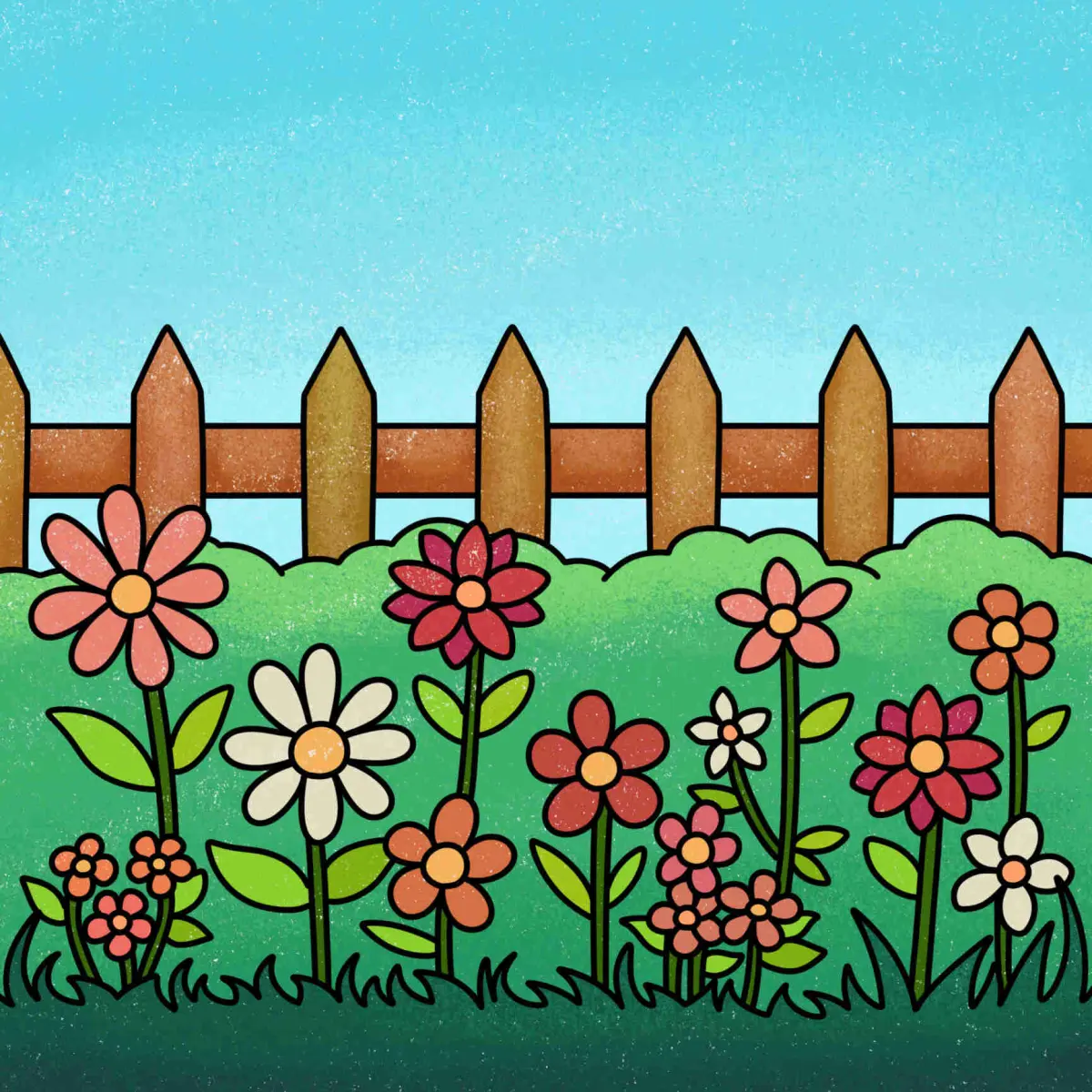
How do you draw foliage?
Short answer
Drawing foliage effectively requires observing the underlying structure of plants rather than sketching every individual leaf. By focusing on light, shadow, and massing shapes into clusters, you create a convincing sense of volume. Use varied line weights and rhythmic mark-making to suggest texture, depth, and the organic flow of natural growth.
On this page
How to simplify complex foliage shapes
Nature is chaotic, but successful drawings rely on simplification. Instead of drawing every leaf, visualize the plant as a series of basic geometric volumes like spheres, cones, or cylinders. These shapes represent the "mass" of the foliage, which is where light and shadow will eventually define the form. Begin by lightly sketching these clusters to establish the overall silhouette of the tree or bush.
Once the mass is established, you can refine the edges. Avoid making the outline perfectly smooth, as natural foliage is jagged and irregular. Focus on the "negative space" between branches to define the shape of the foliage clusters. By treating the plant as a collection of solid, shaded masses rather than a collection of flat leaves, you ensure the drawing maintains a sense of weight and three-dimensionality.
How to use light and shadow for depth
Light is the most important factor in making foliage look realistic. Identify a single light source and determine which parts of your foliage masses are illuminated and which are in shadow. The shadowed areas, often called "core shadows," should be rendered with darker, denser marks to push them back into the background. The highlighted areas should remain lighter or even white to draw the viewer’s eye.
Use a range of values to create depth within the foliage. The leaves closest to the viewer should have the highest contrast, while those further away should be softer and less detailed. This technique, known as atmospheric perspective, prevents the drawing from looking flat. Remember that light often filters through a canopy, creating "dappled light" effects where small spots of brightness appear within the shaded interior of the tree.
- Establish the main light source direction.
- Block in the darkest shadow areas first.
- Add mid-tones to transition between light and dark.
- Apply highlights sparingly to specific leaf edges.
Best drawing techniques for foliage textures
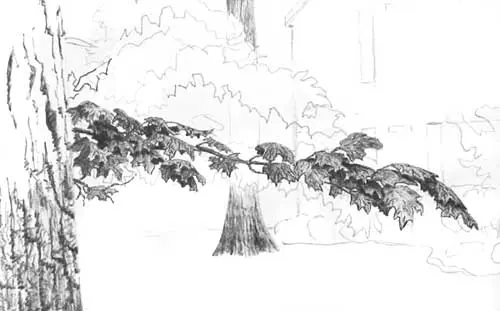
Texture gives foliage its character, but it must be applied strategically. Different plants require different mark-making techniques to mimic their specific leaf structures. For instance, pine needles require long, sharp, directional strokes, while broad-leafed plants like maples benefit from rounded, scalloped marks. Variety is essential to keep the drawing from looking repetitive or artificial.
Vary your pressure and speed to create interest. Use quick, flicking motions to suggest the edges of leaves, and slower, controlled strokes for branches and trunks. Do not feel obligated to draw every leaf; focus your detail on the areas where the light hits the edges of the foliage clusters. This selective detail draws the viewer's attention to the focal point while allowing the rest of the drawing to remain suggestive and atmospheric.
- Use sharp, angular marks for conifers or spiky shrubs.
- Use soft, rounded, overlapping arcs for deciduous trees.
- Vary the density of marks to show where leaves overlap.
- Use cross-hatching sparingly to build up deep, rich shadows.

Common mistakes when drawing foliage
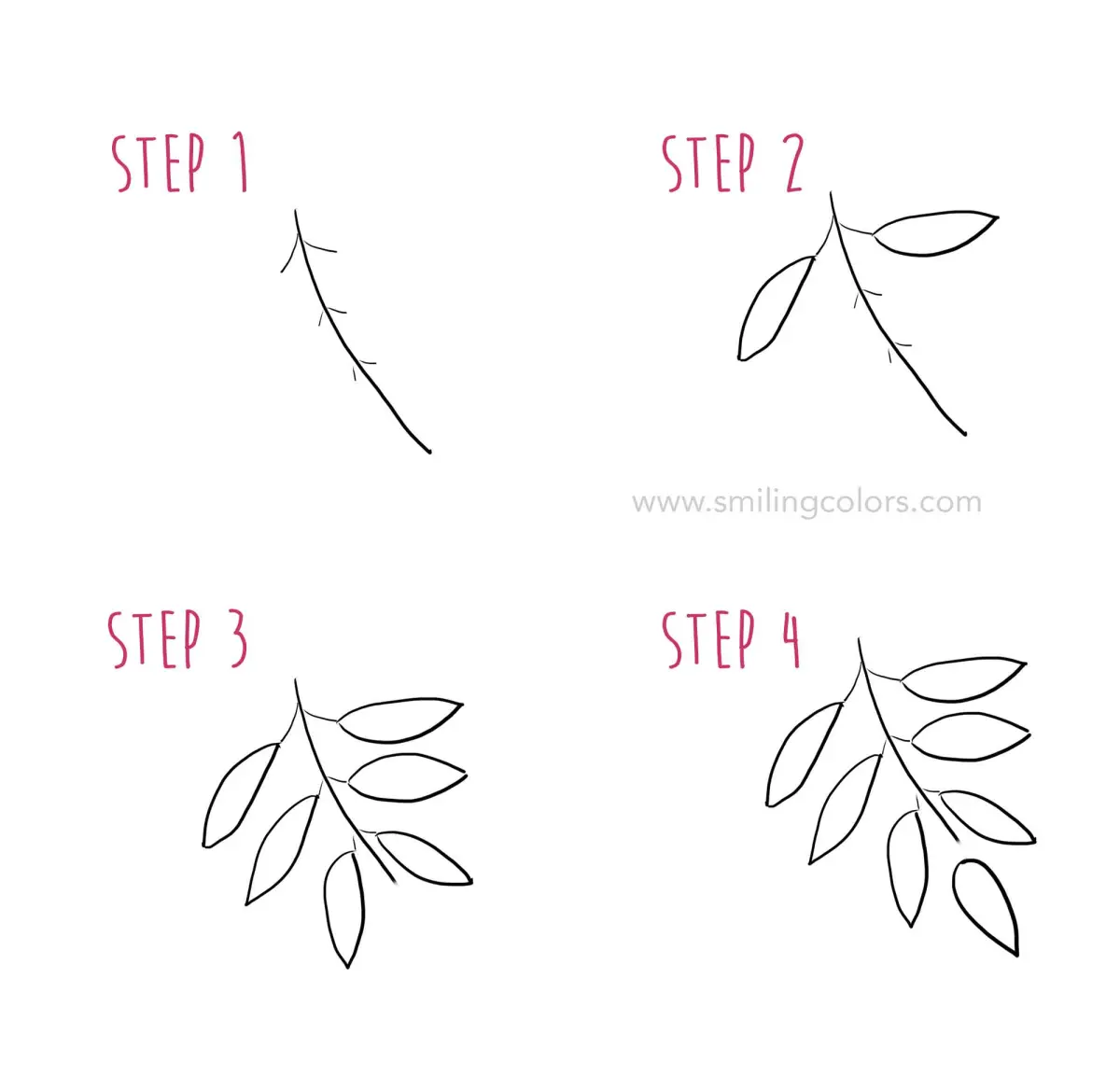
One of the most frequent errors is "leaf-itis," which occurs when an artist attempts to draw every single leaf individually. This leads to a cluttered, flat, and unnatural appearance that lacks structural integrity. Instead, focus on the rhythm and flow of the branches. If the underlying branch structure is not sound, the leaves will appear to float in space rather than growing from the plant.
Another common mistake is failing to account for the thickness of the foliage mass. Beginners often draw foliage as a thin, two-dimensional skin wrapped around a tree. In reality, foliage has significant depth, and light often struggles to penetrate the dense center of a canopy. Always ensure your drawing accounts for the "interior" of the plant, where shadows are deepest and detail is minimal. By ignoring the volume of the plant, you lose the sense of scale and realism.
How to practice drawing plants from life
The best way to improve is to observe real plants in various lighting conditions. Take a sketchbook outside and spend time analyzing how light hits a bush or a tree at different times of the day. Notice how the colors and shadows change as the sun moves. Sketching from life trains your eye to see the simplified masses and the rhythmic patterns of growth that photographs often obscure.
If you cannot go outside, use high-quality photographs, but try to draw the "gestalt" of the plant rather than copying the pixels. Set a timer for five minutes and try to capture the essence of a plant's silhouette and light distribution. This exercise forces you to prioritize form over detail. Over time, you will develop a visual vocabulary of mark-making styles that allows you to draw any type of foliage with confidence and artistic flair.
Key facts
- Focus on the silhouette of the tree or bush before adding internal details.
- Use a "clump" method to group leaves into masses rather than drawing every individual leaf.
- Vary your pencil pressure to create depth, keeping foreground foliage darker and background foliage lighter.
- Observe the light source consistently to ensure shadows fall on the same side of every leaf cluster.
- Use jagged, irregular lines for the edges of foliage to mimic the natural randomness of growth.
- Leave small gaps of white space within leaf clusters to suggest light filtering through the canopy.
The bottom line
Drawing foliage effectively requires shifting your focus from individual leaves to the overall structure of light and shadow. By grouping foliage into irregular, overlapping clumps and maintaining consistent light direction, you create a convincing sense of volume. Practice observing how nature avoids perfect symmetry and repetition. With patience and attention to contrast, you can transform simple shapes into vibrant, lifelike representations of trees and plants.
People also ask
How do I make foliage look realistic rather than like a cloud?
Break up the outer edges with varied shapes and occasional protruding branches. Avoid perfectly smooth, rounded outlines, as real plants grow in asymmetrical, overlapping layers.
What is the best pencil grade for sketching leaves?
Start with an HB pencil for light construction lines and move to a 4B or 6B for dark, dense shadows. Softer leads allow for richer contrast, which is essential for capturing the volume of a tree.
Should I draw every single leaf on a tree?
No, drawing every leaf makes the subject look stiff and cluttered. Focus on the overall shape and texture of the foliage masses instead.
How do I show depth in a forest scene?
Use atmospheric perspective by drawing distant trees with less detail and lighter tones. Keep the foreground elements high in contrast with sharp edges and deep shadows.
What is a common mistake when drawing foliage?
A frequent error is repeating the same leaf pattern across the entire drawing. Use different shapes and sizes to prevent the foliage from looking like a repetitive wallpaper design.
How do I indicate the direction of light on leaves?
Determine where the sun is located and apply shading to the opposite side of each leaf cluster. Consistent shading across the entire plant creates a unified sense of form and three-dimensionality.
This answer was created with the help of AI research tools and reference sources. Spotted an error? Let us know — we correct mistakes quickly. See our editorial policy.