How do you draw candy?
Short answer
Drawing candy involves simplifying complex treats into basic geometric shapes like spheres, cylinders, and cubes. By establishing a clear light source, you can use highlights and shadows to create a glossy, three-dimensional appearance. Focus on layering colors and adding crisp white reflections to capture the distinct textures of wrappers and sugar coatings.
On this page
How to draw hard candies and lollipops
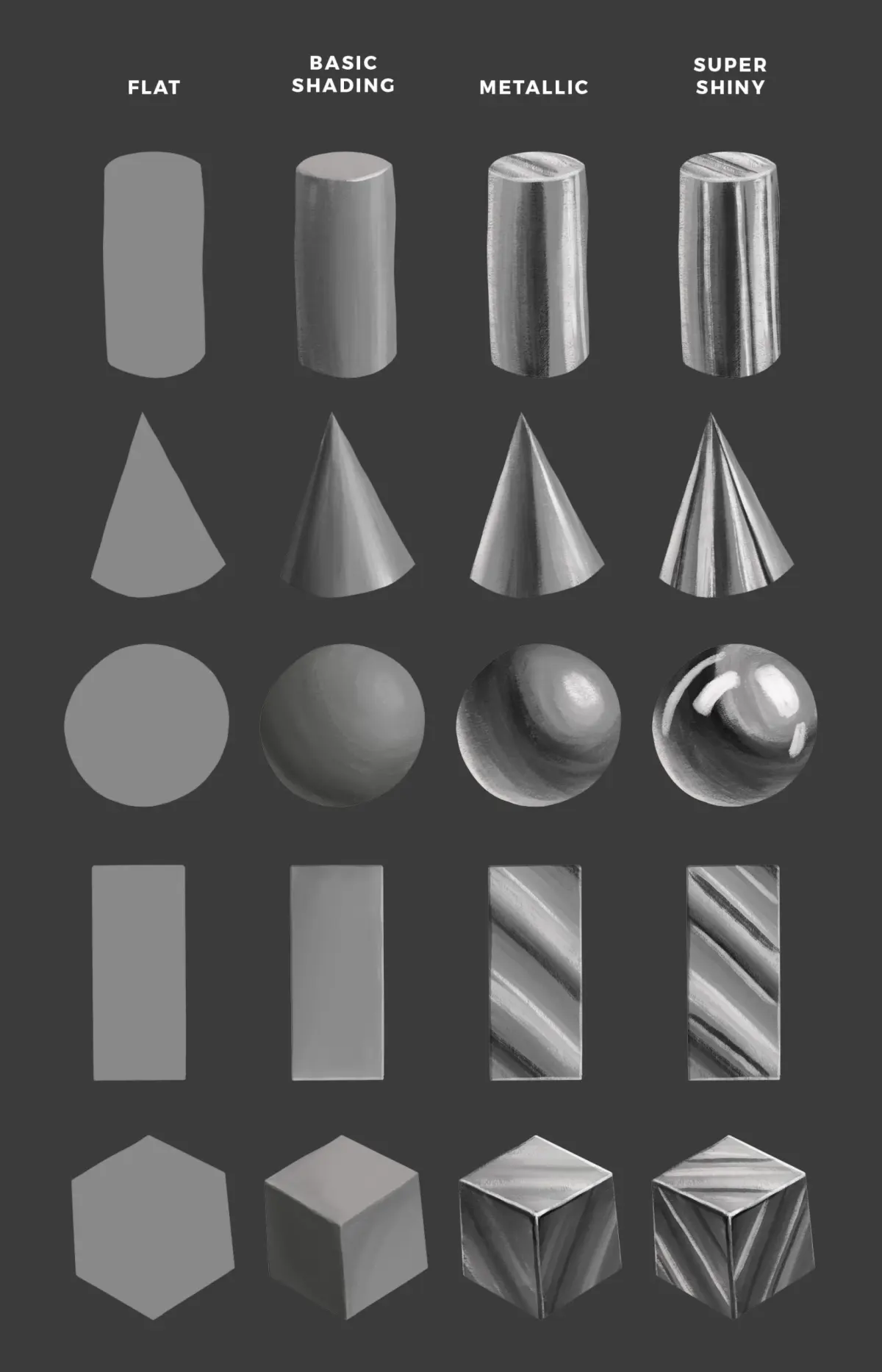
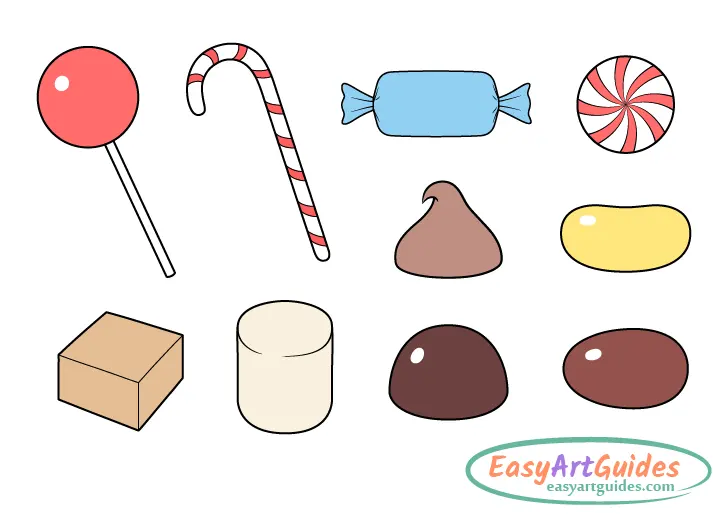
Hard candies are defined by their smooth, reflective surfaces and geometric clarity. To begin, draw a simple circle for a round lollipop or a square with rounded edges for a wrapped hard candy. Use a light pencil stroke to map out the center, then add a small, bright white oval near the top edge to represent the primary light reflection. This highlight is essential for creating the illusion of a glass-like, hard texture.
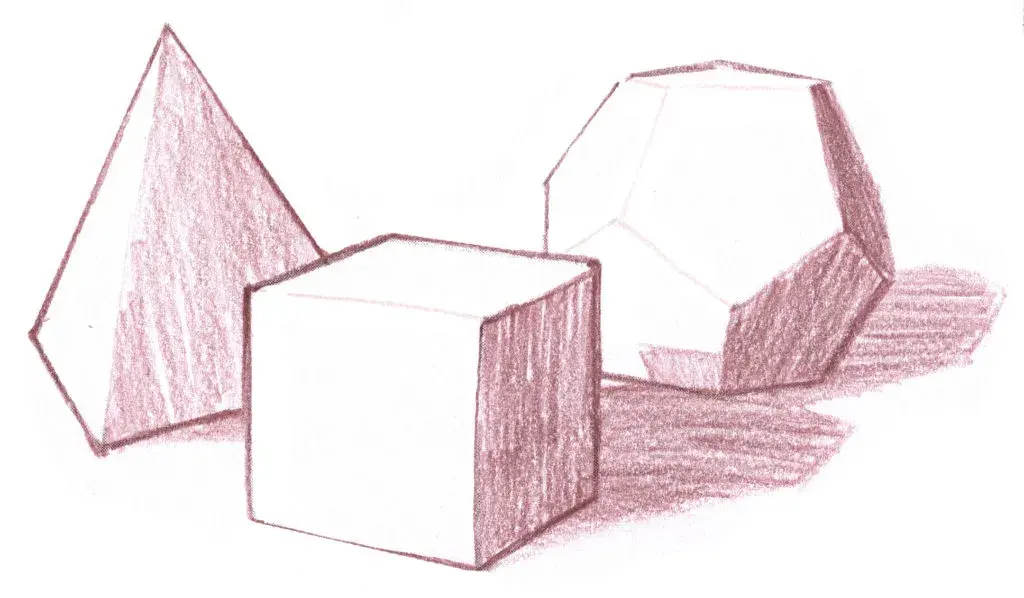
When coloring these shapes, use a gradient technique to show the curve of the candy. Start with a deep base color on the shadowed side and blend it toward a lighter tint on the side facing the light. Avoid using flat, single-tone colors, as they make the candy appear dull and lifeless. Adding a subtle cast shadow beneath the object will anchor it to the surface, providing necessary depth.
- Sketch the basic geometric shape (circle, oval, or rectangle).
- Identify the light source to determine where the highlight should sit.
- Apply a dark color to the edges and blend toward the center.
- Use a white gel pen or eraser to place a sharp highlight.
- Draw a thin, dark shadow directly beneath the candy.
Best drawing tools for candy textures
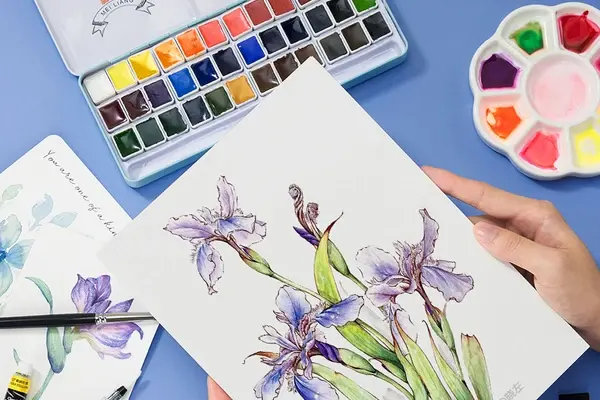
Choosing the right medium is vital for replicating the specific look of various confections. Alcohol-based markers are excellent for hard candies because they provide smooth, streak-free coverage that mimics plastic or glass. If you prefer colored pencils, choose a wax-based brand that allows for heavy layering and burnishing, which helps create a high-gloss finish. For beginners, starting with graphite is recommended to master light and shadow before introducing complex color palettes.
Paper selection also plays a significant role in the final quality of your drawing. A smooth, hot-pressed illustration board or high-quality marker paper prevents the colors from bleeding or looking textured. Avoid using rough, toothy charcoal paper, as the grain will interfere with the crisp, clean lines required for candy wrappers. Always keep a kneaded eraser nearby to lift pigment and create soft, secondary light reflections that add realism to your work.
How to draw candy wrappers and foil
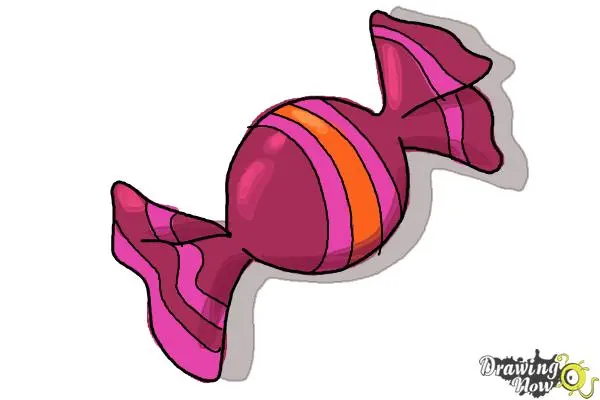
Drawing wrappers is a challenge because of the complex, crinkled textures and metallic reflections. To capture this, focus on drawing sharp, angular lines that represent the folds in the foil. Instead of trying to draw every single wrinkle, identify the major "valleys" and "peaks" where light hits the surface. Use high-contrast colors, such as dark purples or blues, to shade the deep crevices of the foil, while keeping the peaks nearly white.
When drawing transparent wrappers, such as those on a piece of taffy or a gummy, use a lighter touch. You should be able to see the color of the candy faintly through the plastic. Use thin, horizontal lines to suggest the twist of the wrapper at the ends. By keeping the edges of the wrapper slightly blurred, you can effectively communicate the thin, flexible nature of the material compared to the hard candy inside.
- Use sharp, jagged lines to define the edges of the foil.
- Apply high-contrast colors to show deep folds and wrinkles.
- Leave small gaps of white space to represent intense metallic glints.
- Draw the twist at the ends of the wrapper with quick, rhythmic strokes.
- Use a light blue or grey tint to suggest the transparency of plastic.
Why candy drawings look flat
A common reason for drawings looking two-dimensional is the lack of reflected light. Even in a dark shadow, there is usually a small amount of light bouncing off the table or surrounding objects. By adding a very faint, cool-toned highlight on the dark side of your candy, you create a sense of volume. This technique, known as ambient occlusion, helps the eye perceive the object as a solid form rather than a flat sticker.
Another issue is the use of incorrect color saturation. Beginners often use the same level of brightness across the entire object. To fix this, ensure your highlights are pure white and your shadows are deep, rich versions of your base color. If you are drawing a red lollipop, use a dark maroon or brown for the shadows rather than black, which can muddy the color. Maintaining color purity ensures the candy looks vibrant and appetizing.
Common mistakes when drawing candy
One of the most frequent mistakes is over-detailing the texture. It is tempting to draw every single crinkle on a chocolate bar wrapper, but this often leads to a cluttered and confusing image. Instead, simplify the shapes and focus on the overall silhouette of the candy. If the silhouette is recognizable, the viewer’s brain will naturally fill in the missing details. Always step back from your drawing every few minutes to check the overall proportions and light balance.
Another error is ignoring the cast shadow. A candy floating in space will never look realistic, regardless of how well you render the object itself. Ensure the shadow follows the perspective of the surface the candy is resting on. If the candy is round, the shadow should be slightly oval; if it is rectangular, the shadow should follow the angle of the light. By grounding your subject, you finalize the illusion of reality.
Key facts
- Use basic geometric shapes like cylinders for lollipops and rectangles for chocolate bars to establish your foundation.
- Apply a single light source to create consistent highlights and shadows, which gives candy its signature glossy appearance.
- Use bright, saturated color palettes to mimic the artificial dyes and vibrant packaging typical of confectionery.
- Draw thin, white "specular highlights" on the edges of wrapped candies to simulate the reflective quality of plastic or foil.
- Vary your line weight by using thicker lines for the outer silhouette and thinner lines for internal details like wrappers.
- Practice drawing textures, such as the bumpy surface of a gummy bear or the smooth, melted finish of chocolate.
The bottom line
Drawing candy is an exercise in mastering light, reflection, and vibrant color. By starting with simple geometric forms and focusing on the interplay between bright highlights and deep shadows, you can create convincing, appetizing illustrations. Whether depicting the crinkle of a plastic wrapper or the smooth sheen of a gummy treat, attention to texture and light consistency remains the most important factor for success.
People also ask
How can I make candy look shiny?
To create a glossy look, leave a small, stark white area on the surface where light hits directly. Surround this highlight with a slightly darker shade of the candy's base color to create contrast.
What is the best medium for drawing candy?
Alcohol-based markers are excellent for candy because they blend smoothly and produce vibrant, saturated colors. Colored pencils are also effective for layering subtle gradients and fine details on wrappers.
How do I draw transparent candy wrappers?
Use light, cool-toned grays and blues to suggest the transparency of plastic. Draw the crinkles of the wrapper with sharp, angular lines that distort the shape of the candy underneath.
Should I use a reference image when drawing sweets?
Yes, using a reference photo helps you understand how light interacts with different materials like foil, sugar crystals, or hard plastic. It ensures your proportions and color choices remain realistic.
How do I draw realistic chocolate textures?
Focus on soft, rounded edges and subtle color transitions rather than sharp lines. Add small, irregular dots or indentations to represent the texture of a chocolate bar or truffle.
What are common mistakes when drawing candy?
A common error is using flat, dull colors that make the candy look unappealing. Another mistake is ignoring the cast shadow, which anchors the object to the surface and prevents it from looking like it is floating.
This answer was created with the help of AI research tools and reference sources. Spotted an error? Let us know — we correct mistakes quickly. See our editorial policy.