How do you draw a jungle for beginners?
Short answer
Drawing a jungle involves layering organic shapes to create depth and density. Start by establishing a foreground, midground, and background using varied foliage silhouettes. Use overlapping leaves, vines, and canopy textures to simulate a lush environment. Focus on light filtering through the trees to give your drawing a realistic, immersive atmosphere.
On this page
How to structure a jungle drawing for beginners
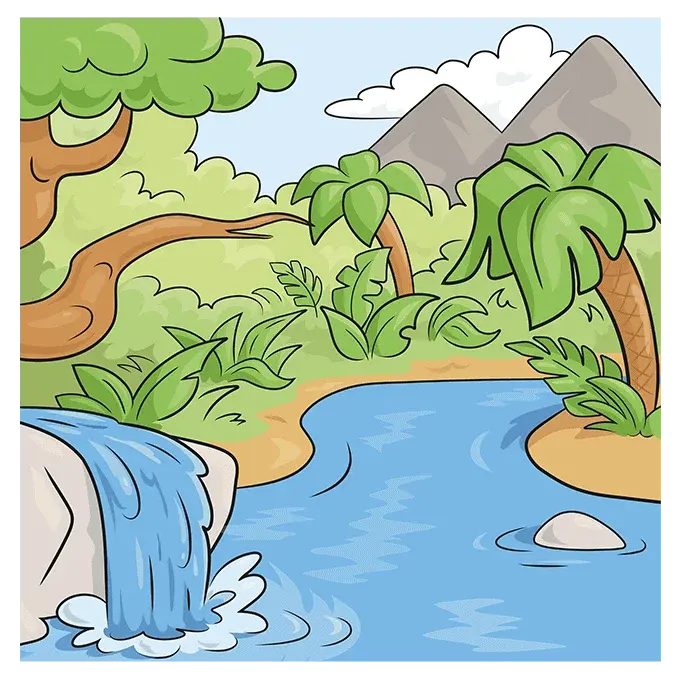
The foundation of a compelling jungle scene lies in the concept of atmospheric perspective. Because jungles are dense, you must create distinct layers to prevent the drawing from looking like a flat wall of green. Start by sketching large, simple shapes for the foreground trees, then move to smaller, more intricate leaf patterns as you recede into the distance.
To achieve this depth, follow these foundational steps:
- Divide your paper into three horizontal zones: foreground, midground, and background.
- Draw large, bold silhouettes in the foreground to frame the scene.
- Keep the midground details moderate in size and contrast.
- Use faint, light lines for the background to suggest distant, hazy mountains or trees.
- Ensure that objects in the back overlap with those in the front to create a sense of three-dimensional space.
Best drawing techniques for jungle foliage
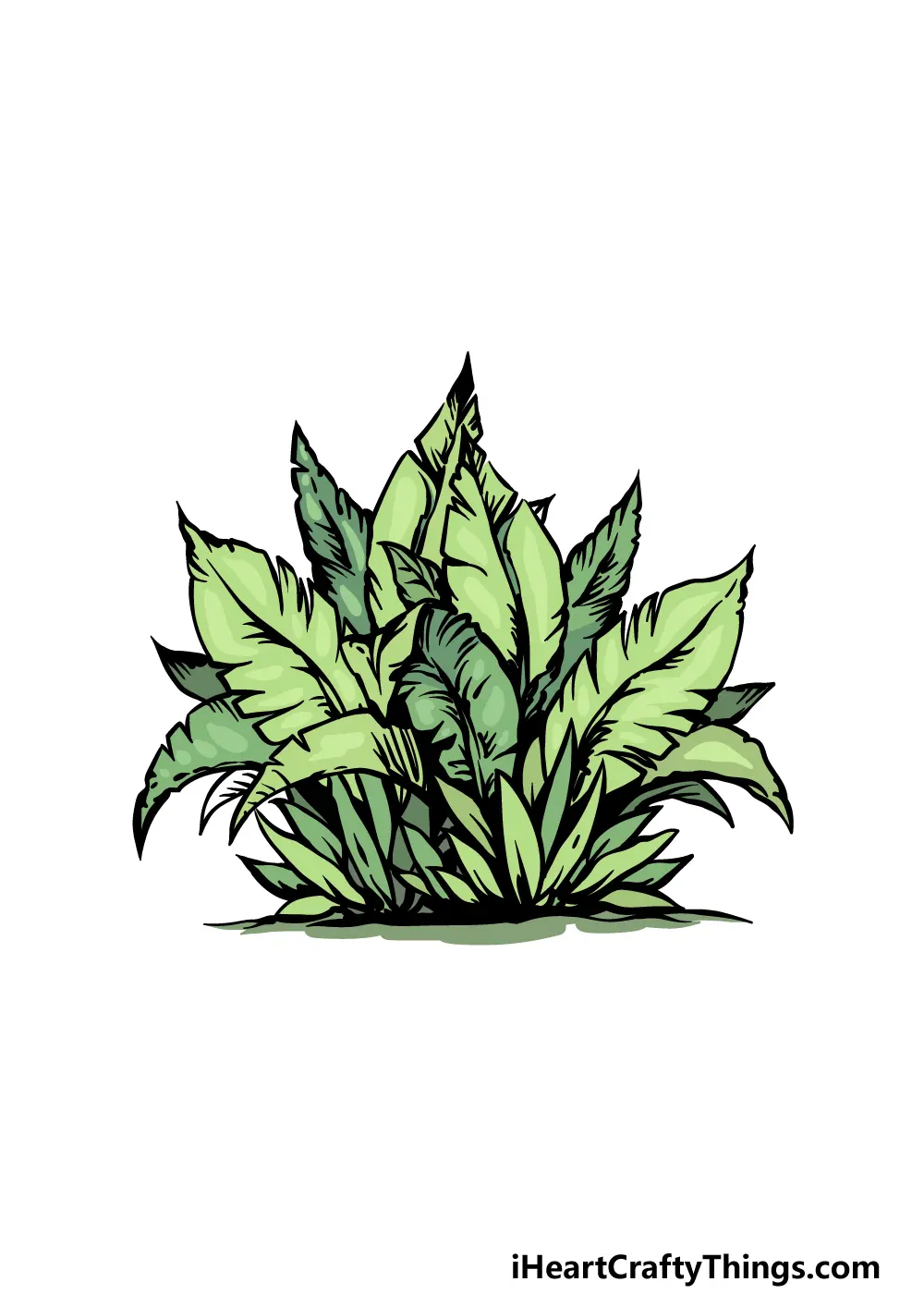
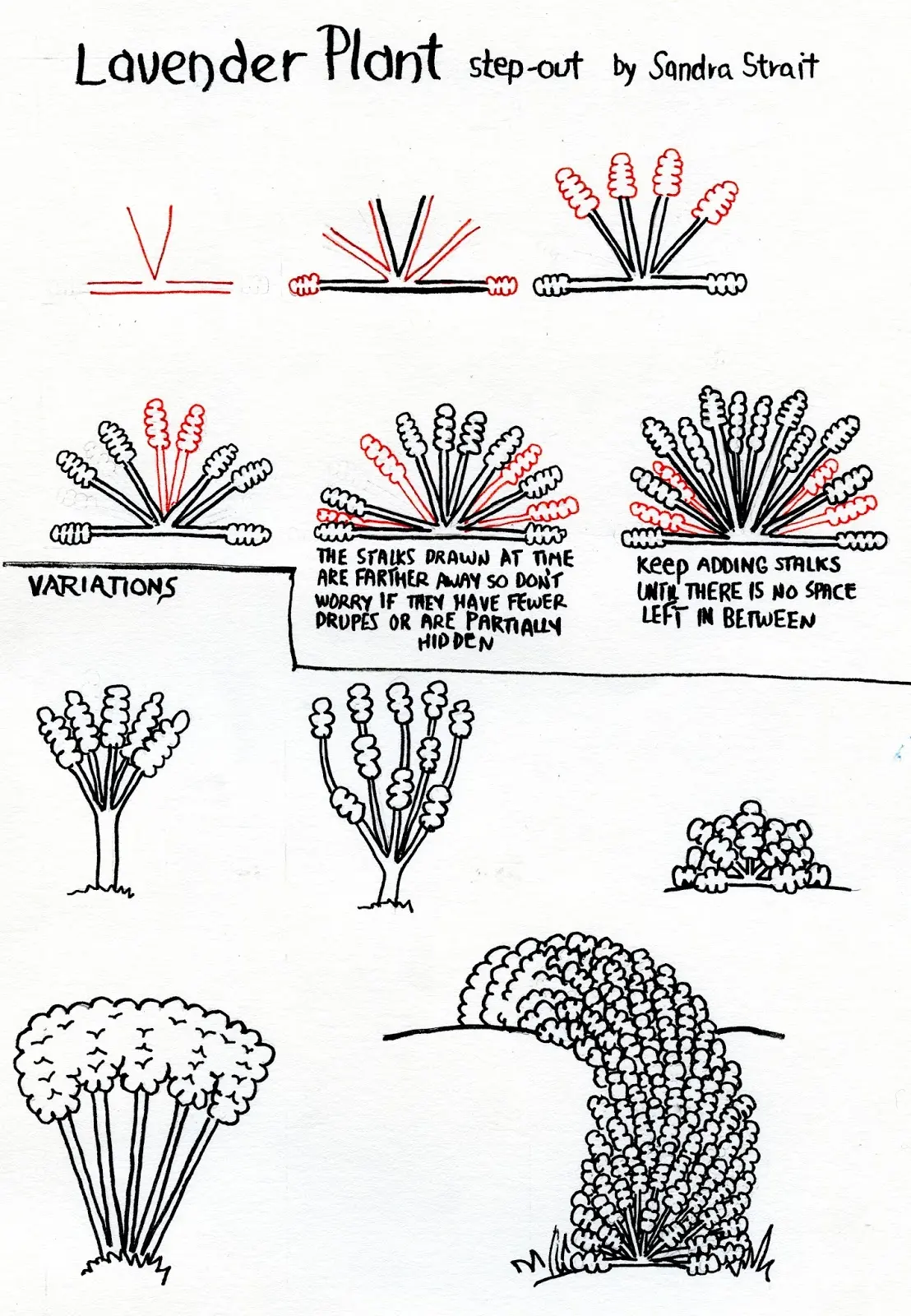
Mastering foliage requires moving away from drawing individual leaves and instead focusing on clusters and textures. A common mistake is attempting to draw every single leaf, which results in a cluttered and stiff appearance. Instead, use loose, rhythmic strokes to suggest the presence of dense vegetation. You can vary your mark-making to represent different plant species, such as jagged ferns or broad, rounded palm leaves.
When rendering the canopy, think in terms of light and shadow rather than specific outlines. Use a darker pencil or ink to define the undersides of leaves where shadows collect, and leave the upper edges lighter to catch the sun. This contrast creates a sense of volume. Remember that jungle plants often grow in chaotic, overlapping patterns, so avoid perfectly symmetrical arrangements, which rarely occur in nature.
How to add depth with light and shadow
Lighting is the primary tool for turning a flat sketch into a vibrant jungle. In a real jungle, the canopy is so thick that light often breaks through in distinct rays known as "god rays" or crepuscular rays. To replicate this, identify where your light source is located and ensure that shadows fall consistently in the opposite direction. Use cross-hatching or stippling to build up the dark, dense areas beneath the canopy.
Consider these tips for effective lighting:
- Use a high-contrast approach for the foreground to make it pop.
- Keep the background values closer to the paper's base tone to push it back.
- Add small, bright highlights on the tips of leaves to simulate sunlight hitting the canopy.
- Use soft, blended shadows for distant trees to emphasize the humid, misty atmosphere of the rainforest.
- Avoid using pure black in the background, as this will flatten the composition and destroy the illusion of distance.
Common mistakes when drawing a jungle
Many beginners struggle with the "clutter trap," where every inch of the page is filled with equal detail. This leads to visual fatigue and makes it difficult for the viewer to know where to look. To avoid this, maintain "negative space" or areas of relative simplicity. Another frequent error is drawing all leaves the same size; in reality, jungle plants vary wildly in scale, from tiny mosses to massive, ancient tree trunks.
Another issue is the lack of verticality. Jungles are defined by their height and the race for sunlight, so emphasize tall, slender tree trunks that stretch from the bottom of the page to the top. If your trees look too short or stubby, the drawing will feel like a garden rather than a wild, untamed forest. Always vary the thickness of your trunks and add vines or moss to break up the straight lines, making them look more organic and weathered.
How to add life to your jungle scene
Once the environment is established, adding subtle life brings the drawing to fruition. You do not need to draw complex animals to make the scene feel alive. Simply adding a few birds in the distance, a coiled vine that mimics a snake, or a butterfly near the foreground can suggest a thriving ecosystem. Focus on the interaction between the flora and the environment, such as vines wrapping tightly around a trunk or roots spreading across the forest floor.
When incorporating these elements, keep them secondary to the environment. The jungle itself should remain the star of the show. Use small, quick gestures to hint at movement, such as a flying insect or a swaying branch. By focusing on the interplay of light, shadow, and the chaotic growth patterns of tropical plants, you will successfully capture the wild essence of a jungle. Practice these techniques consistently, and you will soon develop the ability to create complex, immersive natural landscapes with confidence and ease.
Key facts
- Start by sketching overlapping shapes to create depth, placing larger, dark trees in the foreground and lighter, smaller ones in the back.
- Use a "layering" technique where the background is a pale, cool blue or gray to simulate atmospheric perspective.
- Draw broad, jagged leaves for tropical plants like monsteras or palms to establish the jungle aesthetic immediately.
- Incorporate vines hanging from branches to break up vertical lines and add a sense of wild, untamed movement.
- Vary the line weight by using thicker strokes for objects close to the viewer and thinner, lighter strokes for distant elements.
- Simplify complex foliage by drawing clusters of shapes rather than individual leaves to avoid making the drawing look cluttered.
The bottom line
Drawing a convincing jungle requires mastering the illusion of depth through layering and atmospheric perspective. By focusing on large, overlapping shapes and varying your line weights, you can transform a simple page into a dense, vibrant ecosystem. Remember that less is often more; suggest the complexity of the foliage rather than detailing every leaf to ensure the final composition remains balanced, immersive, and visually engaging.
People also ask
How do I make my jungle drawing look dense?
Focus on overlapping your shapes so that trees and plants appear to sit behind one another. Filling the gaps between large trees with smaller bushes and hanging vines will eliminate empty space and create a thick, claustrophobic atmosphere.
What colors should I use for a jungle scene?
Use a wide range of green tones, mixing in yellows for highlights and deep blues or purples for shadows. Adding small splashes of bright red or orange can represent exotic flowers and help draw the viewer's eye to specific focal points.
How do I draw realistic palm leaves?
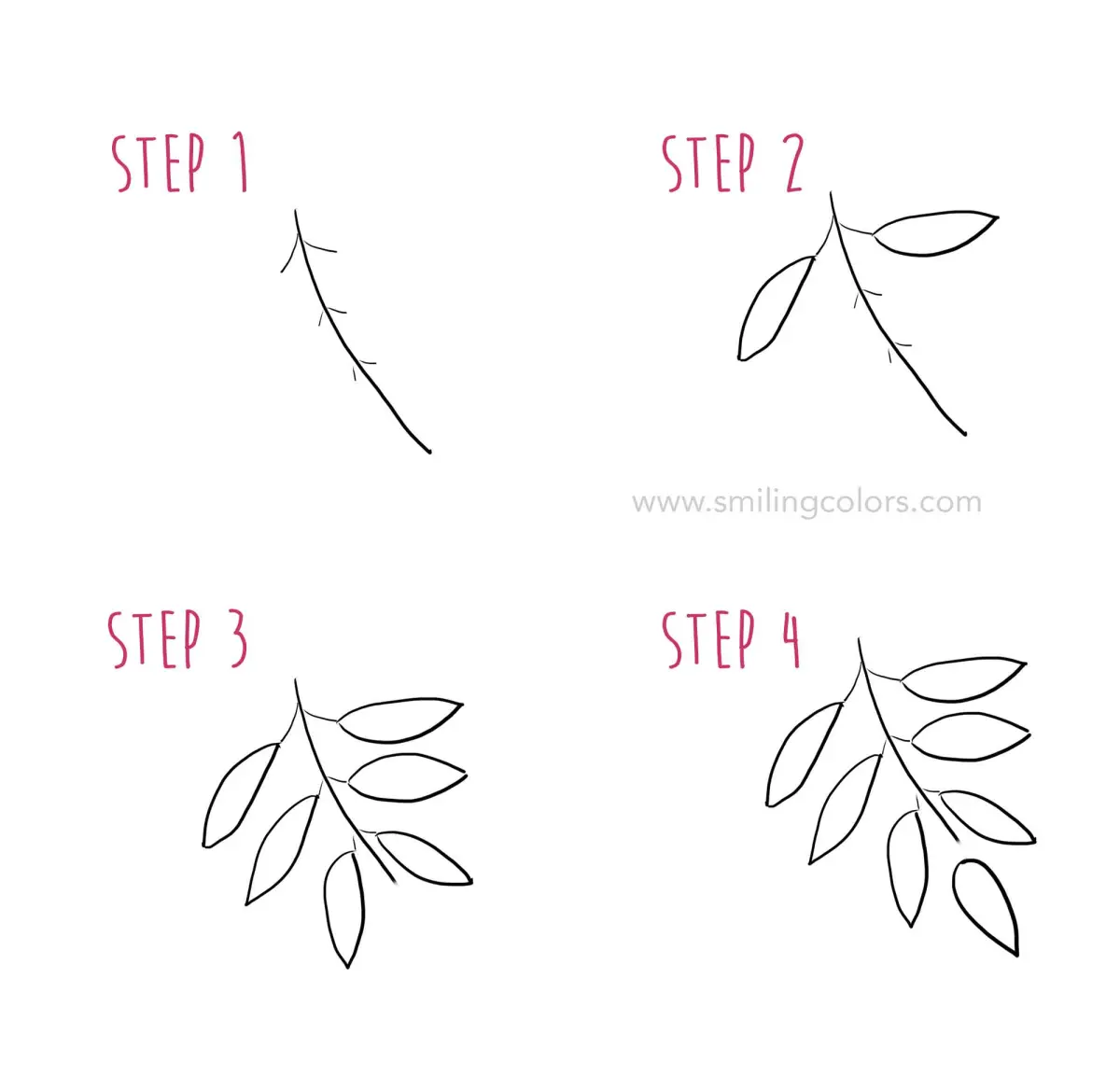
Start with a central spine line and draw thin, elongated teardrop shapes radiating outward from it. Keep the leaves slightly irregular and drooping to mimic the natural weight of real tropical vegetation.
Should I include animals in my jungle drawing?
Adding simple silhouettes of birds or monkeys perched on branches adds life and scale to the environment. Keep these figures small to ensure the focus remains on the lush, overwhelming nature of the jungle landscape.
How do I avoid making the drawing look too flat?
Apply a consistent light source so that all objects cast shadows in the same direction. This creates three-dimensional volume and helps the viewer distinguish between different layers of the forest.
What is the biggest mistake beginners make when drawing jungles?
The most common error is drawing every single leaf with equal detail, which leads to a flat, busy image. Focus your detail on the foreground and keep the background loose and suggestive to maintain a natural sense of scale.
This answer was created with the help of AI research tools and reference sources. Spotted an error? Let us know — we correct mistakes quickly. See our editorial policy.