What is plein air painting?
Short answer
Plein air painting is the practice of creating artwork outdoors, directly observing the subject in natural light. Derived from the French phrase "en plein air," meaning "in the open air," this method emphasizes capturing the fleeting qualities of atmosphere and light. Artists use portable equipment to finish works on-site rather than in studios.
On this page
What is the history of plein air painting?
The practice gained significant momentum during the mid-19th century, particularly with the advent of the Barbizon school in France. Before this era, artists typically sketched outdoors but completed final paintings inside a studio. The invention of the collapsible tin paint tube in 1841 by John Goffe Rand revolutionized the process, allowing painters to transport pigments easily without the risk of drying or spilling.
Impressionists such as Claude Monet, Pierre-Auguste Renoir, and Camille Pissarro championed the technique to capture the changing effects of sunlight. They sought to document the "truth" of a moment, moving away from rigid academic standards. This shift fundamentally changed Western art, as the focus moved toward loose brushwork and vibrant color palettes that reflected the immediate environment. Today, the tradition continues through global competitions and societies dedicated to preserving the technique.
What equipment is needed for plein air painting?
To begin painting outdoors, you need a portable setup that balances weight with functionality. A "pochade box" or a French easel is essential, as these provide a built-in palette, storage for paints, and a canvas holder. You also need a sturdy tripod to keep your setup stable against wind.
- Choose a lightweight, foldable easel or pochade box.
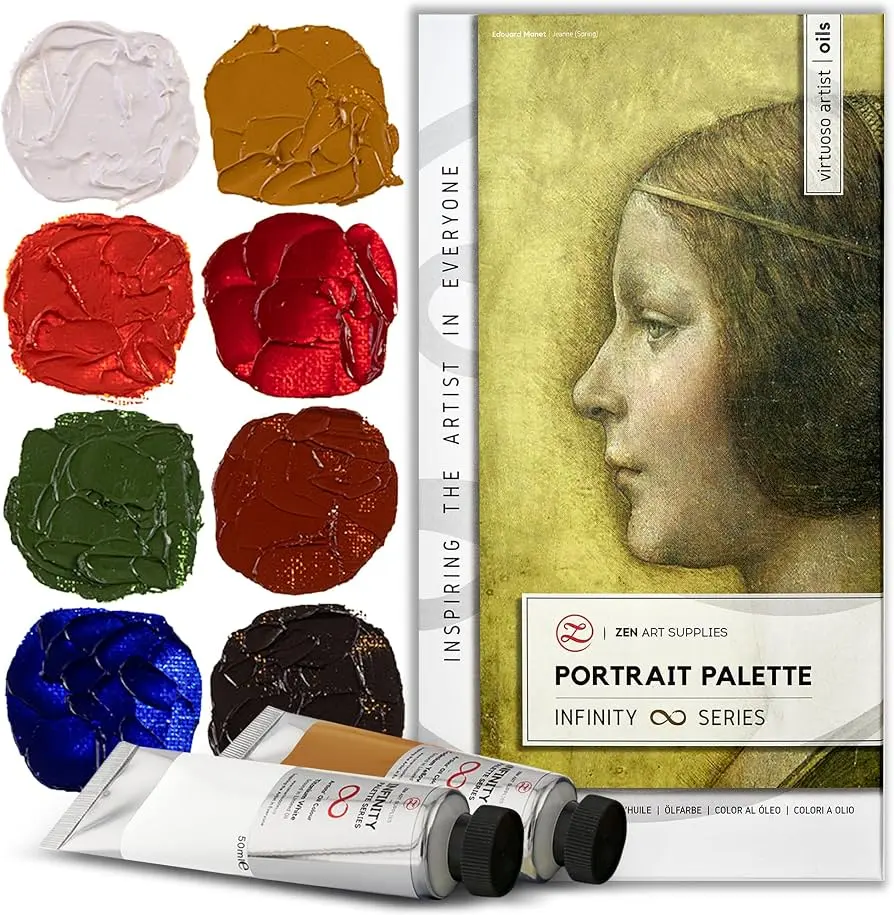
- Pack a limited palette of primary colors to simplify mixing.
- Bring a range of brushes, a palette knife, and a solvent container.
- Include a hat, sunscreen, and bug spray for personal comfort.
- Carry a small sketchbook for planning your composition before applying paint.
Keep your gear minimal to ensure you can hike to remote locations. A heavy pack often discourages artists from venturing further than their own backyard, limiting the variety of subjects available to paint.
How to start a plein air painting?
Successful outdoor painting relies on speed and decisive action because natural light shifts significantly every 20 to 30 minutes. Start by scouting a location and identifying a subject that offers a clear focal point. Avoid overly complex scenes, as the goal is to capture the essence of the landscape rather than every individual leaf or blade of grass.
- Squint at your subject to simplify values and eliminate distracting details.
- Sketch the basic shapes using a thin wash of paint or a charcoal pencil.
- Establish your darkest darks and lightest lights early to anchor the composition.
- Work from large masses to smaller details, keeping brushwork loose.
- Check your color accuracy against the actual landscape frequently.
By focusing on the "big picture" early, you ensure the painting remains cohesive even if the light changes drastically while you work.
Common mistakes when painting outdoors
One of the most frequent errors beginners make is attempting to capture too much detail. Because the sun moves constantly, the shadows will shift across your canvas, making it impossible to render intricate textures accurately. If you spend too much time on fine details, your painting will likely lose its sense of unity and atmosphere.
Another common mistake is failing to account for the intensity of natural light. Colors often look different on a canvas when viewed under the bright, unfiltered sun compared to how they appear in the controlled environment of a studio. You might find that your finished painting looks far too dark or muted once you take it indoors. Always step back from your easel frequently to view your work from a distance, which helps you maintain the correct proportions and color relationships.
Why is plein air painting challenging?
The primary difficulty lies in the unpredictable nature of the environment. Weather conditions, such as sudden wind gusts, rain, or extreme heat, can disrupt your process and damage your supplies. You must be prepared to adapt to these variables, sometimes by working quickly to "chase the light" or by accepting that the painting will be an impression rather than a precise record.
Beyond the elements, the sheer amount of sensory input can be overwhelming. You are not just observing the landscape; you are experiencing it through sound, temperature, and movement. While this creates a deeper connection to the subject, it requires immense focus to translate that experience into a two-dimensional medium. Despite these hurdles, the practice remains one of the most rewarding ways for an artist to develop a keen eye for color harmony and light, ultimately strengthening their skills in every other area of their artistic practice.
Key facts
- The term "plein air" is French for "open air" and refers to the practice of painting outdoors.
- The invention of the collapsible metal paint tube in 1841 by John Goffe Rand revolutionized the movement by making oil paints portable.
- Impressionist masters such as Claude Monet and Pierre-Auguste Renoir were primary proponents of this style to capture fleeting natural light.
- A portable easel, known as a French box easel, is the standard equipment for plein air artists because it includes a built-in palette and storage.
- Successful plein air painting requires working quickly, as the sun’s position changes the shadows and colors of a scene every 20 to 30 minutes.
- Beginners should avoid over-complicating compositions; focus on capturing the "big shapes" of light and shadow before adding fine details.
The bottom line
Plein air painting is a rewarding discipline that connects the artist directly to the environment. By prioritizing speed, observation, and light management, you can capture the authentic atmosphere of a landscape that studio work often misses. While the logistical challenges of painting outdoors are real, the practice sharpens your visual perception and ultimately elevates your ability to render the natural world with genuine, vibrant clarity.
People also ask
What is the best time of day for plein air painting?
Early morning and late afternoon, often called the "golden hours," provide the most dramatic light and long, soft shadows. Midday sun creates harsh, flat lighting that can make it difficult to define forms and achieve depth in a painting.
How do I keep my paint from drying out while working outside?
Use a stay-wet palette or keep your paints in airtight containers when not actively applying them to the canvas. In hot weather, misting your palette with a fine water spray can help maintain the consistency of acrylics or water-soluble oils.
What are the essential supplies for a beginner?
A lightweight folding easel, a limited palette of primary colors, a few brushes, a canvas board, and a hat are sufficient. Keeping your kit minimal ensures you can hike to remote locations without being weighed down by excessive gear.
How do I handle changing weather conditions?
Use a sturdy umbrella that attaches to your easel to shield both your canvas and yourself from direct sunlight or light rain. If the weather becomes extreme, take a reference photo and finish the work in a studio setting.
Should I use a limited color palette?
Yes, using a limited palette of three or four colors helps maintain color harmony and prevents the muddy results often caused by over-mixing. It also simplifies the decision-making process, allowing you to focus on values and composition.
What is the biggest mistake beginners make?
Most beginners spend too much time on small details while the light is shifting rapidly. It is better to establish the overall color and value structure quickly so that the painting remains cohesive even if the lighting changes.
This answer was created with the help of AI research tools and reference sources. Spotted an error? Let us know — we correct mistakes quickly. See our editorial policy.