What is a baby duck called?
Short answer
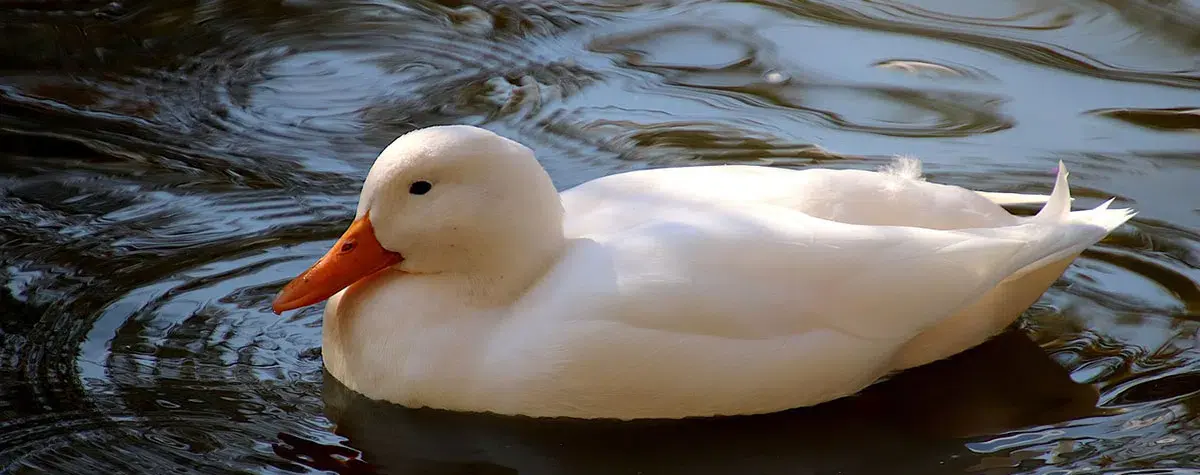
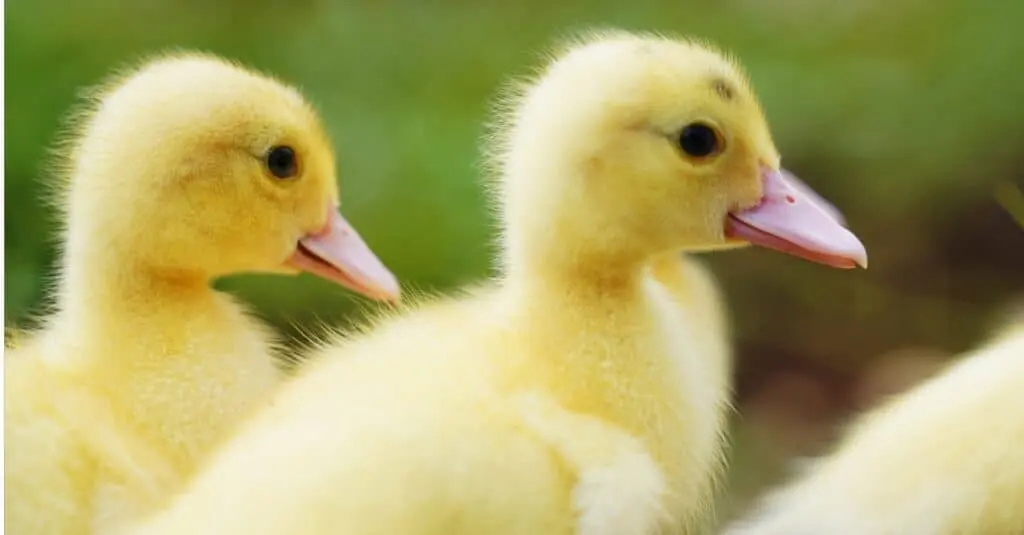
A baby duck is called a duckling. Once they hatch, these young birds are covered in soft, downy feathers and are immediately capable of walking, swimming, and feeding themselves. While they remain under their mother's protection for several weeks, they are biologically independent from the moment they emerge from their shells.
On this page
How do ducklings develop after hatching?
Ducklings are precocial birds, meaning they are born in an advanced state of development compared to many other avian species. Within hours of hatching, they are mobile and ready to follow their mother to water sources to begin foraging. Their initial downy coat is not waterproof, so they rely on a special oil gland located near the base of their tail, which they learn to groom to coat their feathers. This process is essential for maintaining body temperature and buoyancy while swimming in cold water.
As they grow, ducklings undergo a significant transformation in their physical appearance and capabilities. They typically remain with their mother for 50 to 70 days, depending on the specific breed and environmental conditions. During this time, they learn vital survival skills, such as identifying food sources and recognizing potential predators. By the time they reach their juvenile stage, they have replaced their soft down with waterproof adult feathers, allowing them to fly and live independently.
What do ducklings eat in the wild?
Ducklings are omnivorous and opportunistic feeders that consume a wide variety of materials found in their aquatic habitats. Their diet shifts as they mature, but they generally focus on high-protein sources during their first few weeks of life to support rapid growth. They use their bills to sift through mud and water, filtering out nutrients while discarding debris.
- Insects and larvae, including mosquitoes and dragonflies
- Small crustaceans and aquatic snails
- Duckweed, algae, and various pond grasses
- Seeds and fallen grains near the water's edge
Providing a balanced diet is crucial for their development, as they require specific vitamins to strengthen their bones and feathers. In a natural setting, the mother duck guides them to the most nutrient-dense areas of a pond or marsh. If you are observing them in a park, it is important to understand that human-provided food, such as bread, lacks the necessary nutrition and can lead to serious health issues like "angel wing," a permanent deformity.
How to care for rescued ducklings?
If you encounter a duckling that appears orphaned or injured, it is important to assess the situation carefully before intervening. Often, the mother is nearby, even if she is hidden by vegetation. If you confirm the bird is in distress, you must act quickly to provide warmth and safety. Place the duckling in a ventilated box lined with a soft cloth and keep it in a quiet, dark environment to reduce stress.
- Create a safe enclosure with a heat source, such as a lamp, kept at one end so the duckling can move away if it gets too hot.
- Provide a shallow dish of water that is deep enough for drinking but not deep enough for the bird to accidentally drown.
- Offer appropriate food, such as non-medicated chick starter crumbles, which are formulated for young poultry.
- Contact a licensed wildlife rehabilitator immediately, as they have the expertise to raise the bird until it can be released back into the wild.
Why do ducklings follow their mother?
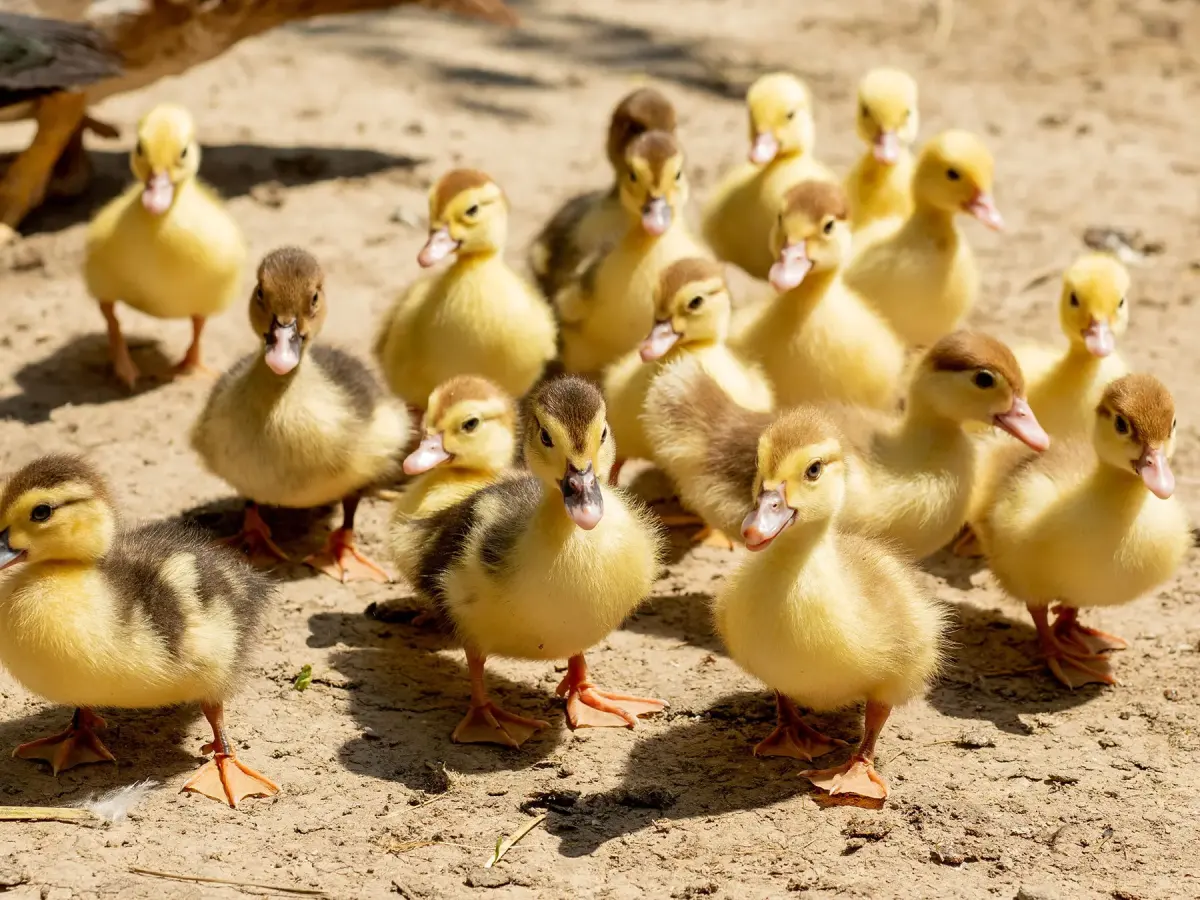
The behavior of following the mother is known as imprinting, a critical psychological process that occurs shortly after hatching. During a brief "sensitive period," a duckling will form a strong social attachment to the first moving object it perceives. In nature, this is almost always the mother duck, ensuring the young stay close to a protective figure who knows the location of food and shelter. This innate drive is so powerful that ducklings will follow almost anything that moves, including humans or other animals, if their mother is absent.
This bond provides more than just guidance; it offers security against predators. The mother duck constantly communicates with her brood through soft calls, helping the ducklings stay together in a group. If a predator approaches, the mother may perform a distraction display to draw attention away from her young. Understanding this instinct is vital for anyone interacting with waterfowl, as disrupting this bond can leave the ducklings vulnerable and unable to learn the necessary survival behaviors required for adulthood.
Common mistakes when feeding ducks?
One of the most frequent errors made by the public is feeding bread or crackers to ducks. While these items may seem harmless, they are essentially "junk food" for waterfowl. Bread provides little nutritional value and fills the ducklings' stomachs, preventing them from eating the natural, nutrient-rich foods they require to grow healthy feathers and strong bones. Over time, this can lead to malnutrition and physical deformities that prevent them from flying or surviving in the wild.
- Avoid feeding bread, popcorn, chips, or salty snacks to any waterfowl.
- Do not throw food directly into the water, as it promotes algae growth and attracts pests.
- Refrain from feeding ducks in areas where they are encouraged to cross busy roads.
- Always dispose of any uneaten food to prevent attracting predators like rats or foxes to the nesting area.
By choosing healthy alternatives like cracked corn, oats, or peas, you can support their health without causing long-term harm. Observing these birds from a respectful distance is the best way to enjoy their presence while ensuring they remain wild and capable of thriving in their natural environment.
Key facts
- A baby duck is officially called a duckling.
- Ducklings are precocial, meaning they are covered in down and can walk and swim shortly after hatching.
- They rely on an egg tooth, a small, sharp bump on their bill, to break through the shell during birth.
- A group of ducklings is commonly referred to as a brood.
- Ducklings imprint on the first moving object they see, which is typically their mother, to learn survival behaviors.
- Avoid feeding ducklings bread, as it lacks essential nutrients and can lead to health issues like "angel wing" deformity.
The bottom line
A duckling is the proper term for a young duck, a creature that is remarkably independent from the moment it hatches. By providing a safe environment, proper nutritional feed, and access to shallow water, you can help these birds thrive. Always avoid feeding them bread and ensure they have a warm, dry space to grow until their waterproof feathers develop and they can regulate their body temperature.
People also ask
How long does it take for a duck egg to hatch?
Most duck eggs require an incubation period of approximately 28 days. Muscovy ducks are an exception, often taking between 33 and 35 days to hatch.
Do ducklings need to be kept with their mother?
Yes, ducklings require their mother for warmth, protection, and guidance on finding food. Without a mother, they need a heat lamp and specialized care to survive the first few weeks.
What is the best diet for a growing duckling?
Ducklings should be fed a balanced diet of commercial waterfowl starter crumbles or pellets. These are specifically formulated to provide the necessary protein and niacin for healthy bone development.
Can ducklings swim immediately after hatching?
While they are capable of swimming, ducklings should not be left in deep water unsupervised. They lack the waterproof oils produced by adult feathers and can become waterlogged and exhausted quickly.
How can you tell if a duckling is a male or female?
It is very difficult to determine the sex of a duckling by sight alone. Breeders often use vent sexing or wait until the duck reaches maturity to observe physical differences like voice or plumage.
What is the most common mistake when raising ducklings?
The most common mistake is providing water that is too deep for them to safely navigate or failing to provide a source of niacin. Niacin deficiency can lead to severe leg deformities and mobility issues in young ducks.
This answer was created with the help of AI research tools and reference sources. Spotted an error? Let us know — we correct mistakes quickly. See our editorial policy.