What is Lisbon known for?
Short answer
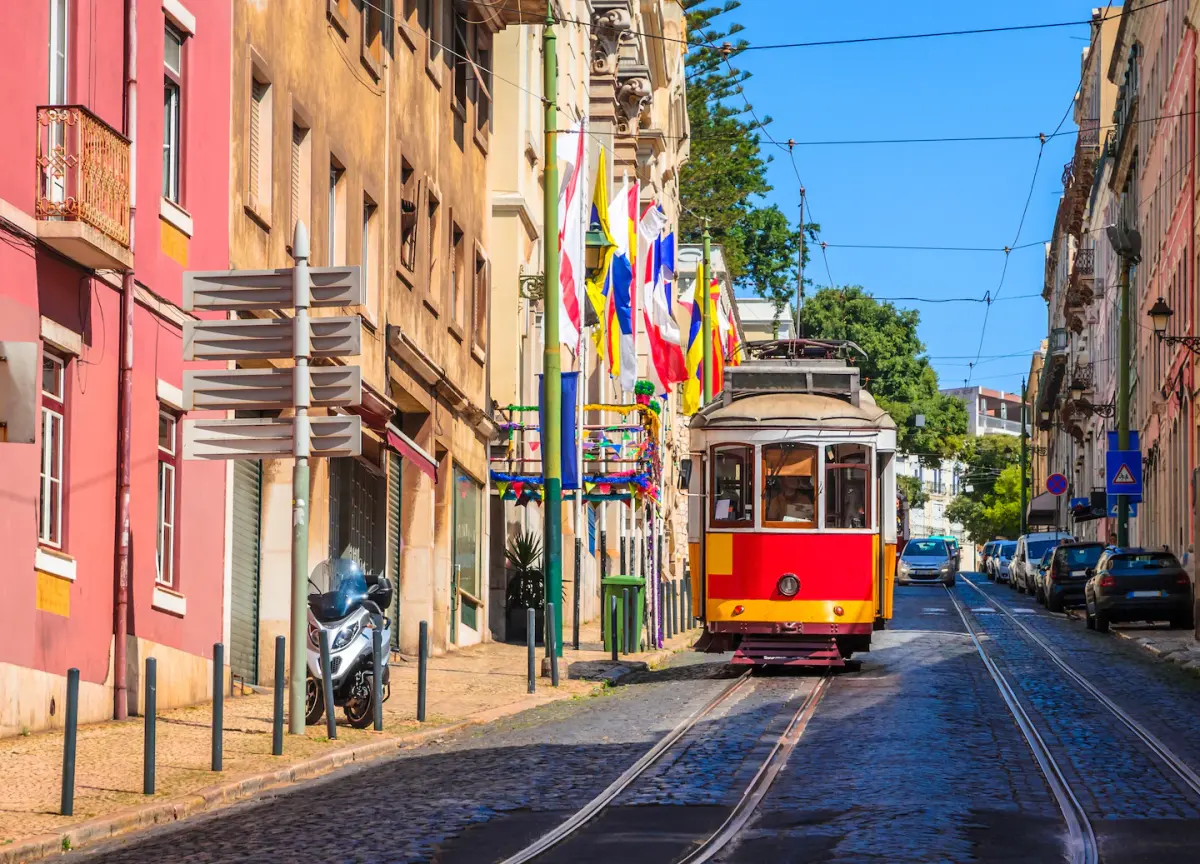
Lisbon is world-renowned for its iconic yellow trams, historic Fado music, and stunning hilltop views across the Tagus River. As Europe’s second-oldest capital, it blends centuries-old architecture with a vibrant modern culture. Visitors flock to its tiled facades, steep cobblestone streets, and exceptional culinary scene featuring fresh seafood and pastéis de nata.
On this page
What are the must-see sights in Lisbon
Lisbon is defined by its seven hills, which offer breathtaking vistas known as miradouros. The Alfama district is the city's oldest neighborhood, characterized by a maze of narrow alleys and medieval architecture that survived the devastating 1755 earthquake. Visitors often start at the Castelo de São Jorge, a Moorish fortification that provides a panoramic view of the red-tiled roofs and the river below.
Beyond the historic core, the Belém district serves as a monument to Portugal’s Age of Discovery. This area houses the Jerónimos Monastery and the Belém Tower, both UNESCO World Heritage sites. These structures showcase the intricate Manueline architectural style, which incorporates maritime motifs. To experience the city effectively, consider these primary landmarks:
- Castelo de São Jorge for historical context.
- Belém Tower for iconic maritime architecture.
- Praça do Comércio for the city’s grandest waterfront square.
- Santa Justa Lift for a unique iron-wrought vertical commute.
How to use public transport like a local
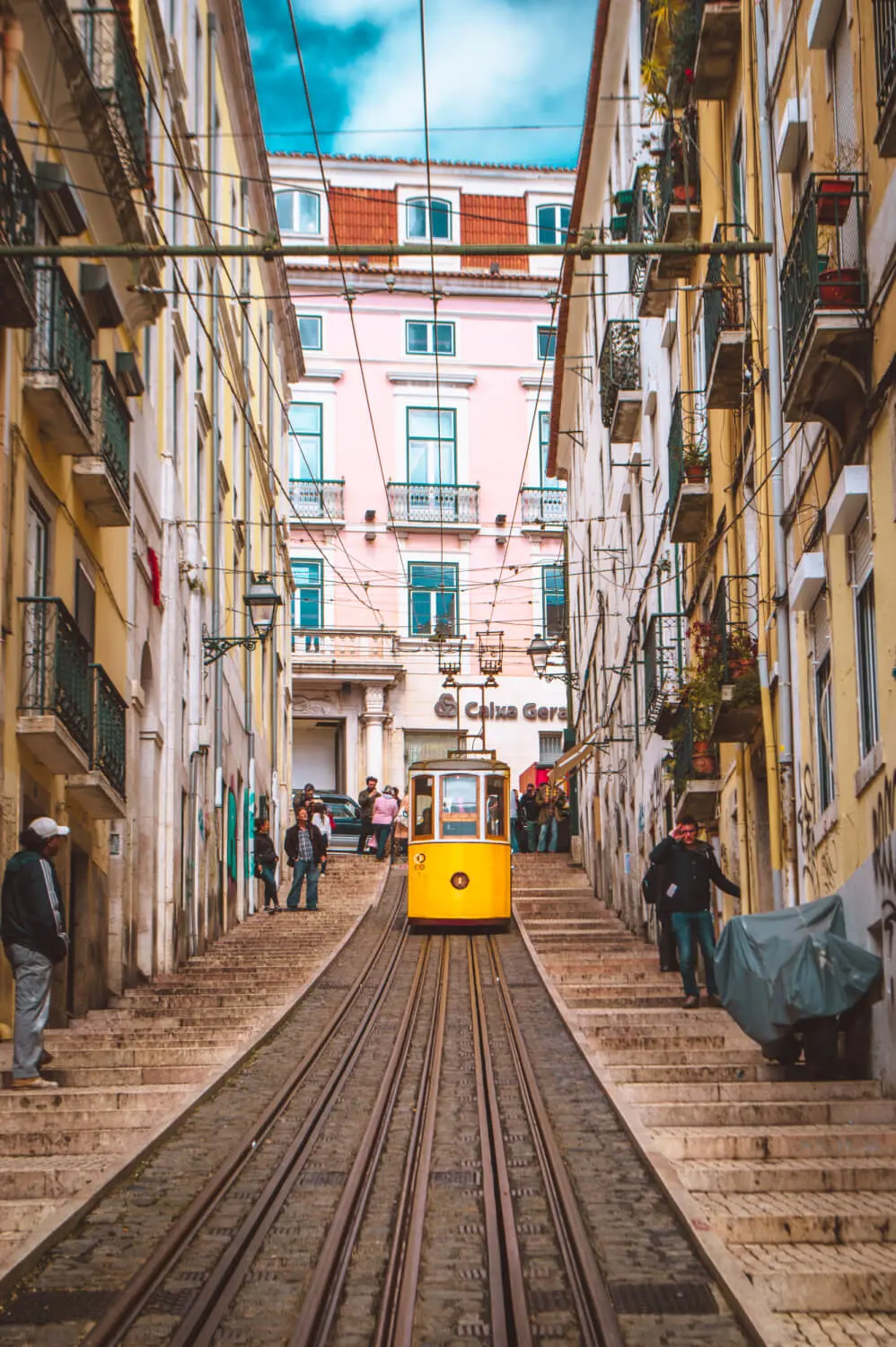
Navigating Lisbon requires understanding its unique transit network, which includes funiculars, elevators, and the famous Remodelado trams. The iconic Tram 28 is the most popular route, winding through the city's steepest and most scenic streets. Because this line is heavily used by tourists, it often becomes crowded, leading to long wait times and potential issues with pickpockets who target distracted passengers.
For a more efficient experience, utilize the city’s metro system or the modern tram lines. Purchasing a Viva Viagem card is the most practical step for travelers, as it allows for "zapping" credit onto the card for discounted fares across all modes of transport. Follow these steps to navigate smoothly:
- Purchase a Viva Viagem card at any metro station kiosk.
- Load the card with a "zapping" balance rather than a daily pass.
- Validate your card upon entering every bus, tram, or train.
- Avoid using cash for tickets on board, as it is significantly more expensive.
Why Fado music is essential to Lisbon
Fado is the soul of Lisbon, a melancholic musical genre that originated in the city’s working-class districts during the early 19th century. It is characterized by soulful vocals accompanied by the Portuguese guitar, a twelve-string instrument with a distinct, metallic sound. The lyrics typically focus on "saudade," a profound sense of longing, loss, and nostalgia that is central to Portuguese identity.
To experience authentic Fado, avoid the large, commercialized dinner shows in tourist hubs. Instead, seek out small, family-run taverns in the Mouraria or Alfama neighborhoods. These intimate settings prioritize the music over the meal. When attending a performance, observe the local etiquette: remain completely silent while the singer is performing. The room often goes dark, and the atmosphere becomes reverent, as the performance is meant to be a raw, emotional connection between the artist and the audience.

Best foods to try in Lisbon
Portuguese cuisine in Lisbon relies heavily on the Atlantic Ocean and the country’s rich agricultural heritage. Bacalhau, or salted cod, is the national obsession, with locals claiming there are over 365 ways to prepare it. You will find it in croquettes, baked with potatoes, or shredded in scrambled eggs. Another staple is the grilled sardine, especially popular during the Festas de Lisboa in June when the city streets fill with the scent of charcoal grills.
The undisputed king of Lisbon’s sweets is the pastel de nata. This egg custard tart features a flaky, buttery crust and a caramelized top, best served warm with a dusting of cinnamon. While many bakeries sell them, the original recipe comes from the Pastéis de Belém bakery, which has been operating since 1837. When ordering, always ask for a "café" to accompany your tart, which is a short, strong espresso that balances the sweetness of the pastry perfectly.
Common mistakes when visiting Lisbon
The most frequent mistake visitors make is underestimating the physical demand of walking the city. Lisbon’s hills are paved with "calçada portuguesa," a type of limestone mosaic that becomes incredibly slippery when wet or worn smooth by foot traffic. Wearing flat, rubber-soled shoes with good grip is essential for safety. Avoid high heels or flimsy sandals, as the steep inclines and uneven surfaces can lead to ankle injuries or exhaustion within hours.
Another common error is failing to plan for the city's microclimates. Even on sunny days, the breeze coming off the Tagus River can be chilly, especially in the evenings. Always carry a light jacket or a layer, regardless of the season. Additionally, be wary of "tourist traps" near the main squares that offer fixed-price menus; these often provide lower-quality food at inflated costs. By venturing just two or three streets away from the main thoroughfares, you will find authentic, affordable dining options favored by locals.
Key facts
- Lisbon is the oldest city in Western Europe, predating London, Paris, and Rome by centuries.
- The city is famous for its iconic yellow Remodelado trams, specifically the number 28, which navigates the steepest, narrowest streets.
- Pastel de nata, a custard tart dusted with cinnamon, originated at the Pastéis de Belém bakery in 1837.
- The city is built on seven hills, offering numerous "miradouros" or viewpoints that provide panoramic vistas of the Tagus River.
- Fado is the city’s soul-stirring musical genre, characterized by mournful tunes and lyrics often about the sea or the hardships of life.
- Wear comfortable, non-slip shoes because the city’s historic center is paved with "calçada portuguesa," a slippery limestone mosaic that becomes hazardous when wet.
The bottom line
Lisbon is a captivating blend of ancient heritage and vibrant modern culture, defined by its seven hills, historic yellow trams, and soulful Fado music. From the world-famous custard tarts of Belém to the intricate limestone mosaics lining its streets, the city rewards those who explore on foot. It remains an essential European destination, offering a unique, affordable, and deeply atmospheric experience for every type of traveler.
People also ask
Is Lisbon an expensive city to visit?
Lisbon is generally considered one of the most affordable capital cities in Western Europe. While prices for accommodation have risen due to tourism, food, wine, and public transportation remain significantly cheaper than in cities like Paris or London.
What is the best time of year to visit Lisbon?
The best time to visit is during the shoulder seasons of spring (March to May) or autumn (September to October). During these months, the weather is mild and pleasant, and you avoid the intense summer heat and the peak crowds of July and August.
Do I need a car to explore the city?
You should avoid renting a car for travel within the city center, as parking is extremely difficult and streets are narrow and steep. Lisbon has an excellent public transport network including metro, trams, and funiculars that are far more practical for navigating the urban landscape.
What is the significance of the Belém Tower?
The Belém Tower is a UNESCO World Heritage site built in the early 16th century to defend the city and serve as a ceremonial gateway. It is a prime example of the Manueline architectural style, reflecting Portugal's Age of Discovery.
Are there beaches near the city?
Yes, the coastal towns of Cascais and Estoril are easily accessible by a 40-minute train ride from Cais do Sodré station. These areas offer beautiful sandy beaches and a refreshing escape from the city’s urban environment.
Is English widely spoken in Lisbon?
English is very widely spoken in Lisbon, especially in tourist areas, hotels, and restaurants. Most locals working in the service industry are fluent, making it a very accessible destination for international travelers.
This answer was created with the help of AI research tools and reference sources. Spotted an error? Let us know — we correct mistakes quickly. See our editorial policy.