What is London known for?
Short answer
London is a global capital renowned for its deep historical significance, iconic architectural landmarks, and diverse cultural influence. As a major financial and political hub, it seamlessly blends centuries-old traditions, such as the monarchy, with a modern, fast-paced urban lifestyle, world-class museums, extensive parklands, and a vibrant, multicultural culinary and arts scene.
On this page
What are the most famous landmarks in London?
London is defined by its historic skyline, which features structures dating back nearly a thousand years. The Tower of London, founded by William the Conqueror in 1066, remains the city’s most significant historic site, serving as a palace, fortress, and prison. Nearby, the Tower Bridge offers a quintessential view of the River Thames, often mistaken by tourists for the older London Bridge.
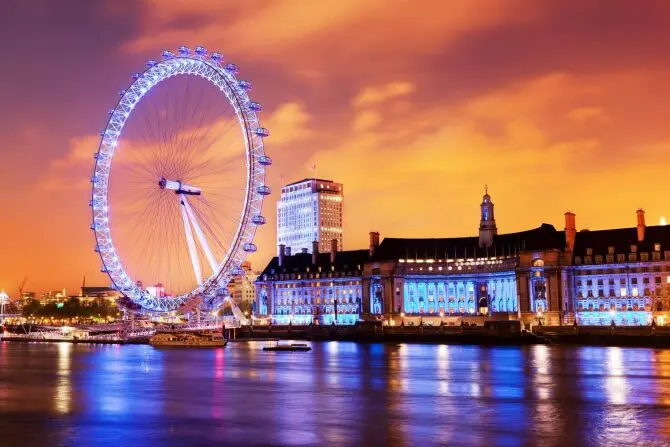
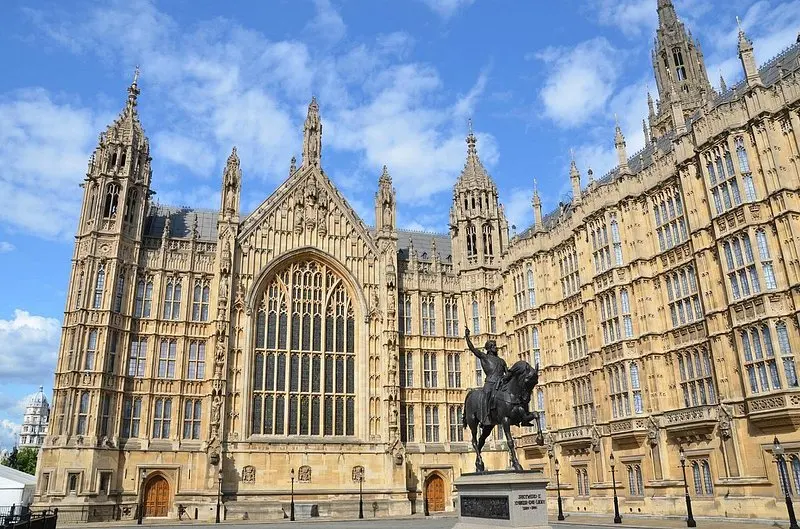
The city also hosts major political and religious landmarks that serve as symbols of British identity. The Palace of Westminster, home to the Houses of Parliament, is famous for the Elizabeth Tower, which houses the bell known as Big Ben. Across the river, the London Eye provides a modern perspective on these historic sites. To experience these landmarks efficiently, consider the following:
- Visit the Tower of London early in the morning to beat the largest crowds.
- Walk the South Bank of the Thames for the best pedestrian views of the skyline.
- Book tickets for the London Eye or the Shard in advance to avoid long queues.
How to navigate London public transport?
Navigating London is straightforward due to its extensive public transportation network, primarily centered on the London Underground, colloquially known as "the Tube." Opened in 1863, it is the oldest underground railway system in the world. The network consists of 11 lines, each color-coded for ease of use, connecting the city center to the outer suburbs.
For visitors, the most efficient way to pay for travel is using a contactless bank card or a mobile device with digital wallet capabilities. You simply tap in at the start of your journey and tap out at the end, with the system automatically calculating the cheapest fare. If you prefer a physical ticket, you can purchase an Oyster card at any station. Follow these steps for a smooth transit experience:
- Check the Transport for London (TfL) website or app for live service updates.
- Stand on the right side of escalators to allow commuters to pass on the left.
- Keep your payment card or device ready at the gates to prevent congestion.
Best museums and cultural sites for beginners?
London is home to an unparalleled collection of museums, many of which are free to enter. The British Museum houses a vast collection of world antiquities, including the Rosetta Stone and the Elgin Marbles. Meanwhile, the Natural History Museum and the Victoria and Albert Museum, located in South Kensington, offer world-class displays on science and design respectively.
For those interested in the arts, the Tate Modern and the National Gallery are essential stops. The National Gallery, situated in Trafalgar Square, holds over 2,300 paintings dating from the mid-13th century to 1900. When visiting these institutions, it is helpful to remember that they are often massive; attempting to see everything in one day is impossible. Focus on specific galleries or collections that interest you most to ensure a meaningful experience. Many museums also offer guided tours or audio guides that provide context to the extensive exhibits.
Why is London famous for its parks?
Despite its dense urban layout, London is remarkably green, with over 40 percent of the city consisting of public parks, gardens, and woodlands. The Royal Parks, which were once the private hunting grounds of the monarchy, are now open to the public and serve as the city's "green lungs." Hyde Park, the largest of these, is famous for its Serpentine Lake and the Speakers' Corner, a traditional site for public debate.
Regent’s Park provides a more manicured experience, housing the London Zoo and the Open Air Theatre, while Richmond Park offers a wilder landscape where herds of red and fallow deer roam freely. These spaces are vital for the city’s quality of life, offering residents and tourists alike a reprieve from the noise of traffic and construction. Whether you are looking for a picnic spot, a running trail, or a quiet place to read, London’s parks offer diverse environments that change beautifully with the seasons.
Common mistakes when visiting London?
One of the most frequent errors visitors make is underestimating the sheer size of the city. London is sprawling, and trying to visit attractions in vastly different areas—such as Greenwich and Notting Hill—on the same day will result in hours spent on transit. It is much more effective to group your activities by neighborhood. Another common oversight is failing to book popular attractions in advance, which can lead to disappointment during peak tourist seasons.
Additionally, many visitors forget that London is a city of distinct villages, each with its own character. Do not limit yourself to the tourist-heavy West End; exploring areas like Shoreditch, Hampstead, or Brixton will provide a more authentic look at the city’s contemporary culture. Avoid these common pitfalls to improve your trip:
- Assuming all museums are open late; most close by 5:30 or 6:00 PM.
- Relying solely on taxis, which are expensive and often slower than the Tube.
- Forgetting to pack an umbrella, as the city’s weather is notoriously unpredictable and can change rapidly throughout the day.
Key facts
- London serves as the capital of the United Kingdom and houses the official residence of the British monarch at Buckingham Palace.
- The city is home to four UNESCO World Heritage sites: the Tower of London, Maritime Greenwich, the Royal Botanic Gardens (Kew), and the Palace of Westminster.
- The London Underground, known as "the Tube," is the world's oldest subterranean railway, having opened its first section in 1863.
- To use public transport efficiently, purchase an Oyster card or use contactless payment, as cash is no longer accepted on London buses.
- Avoid standing on the left side of escalators in Underground stations; the left is for walking, while the right is for standing.
- Many major museums, including the British Museum and the Natural History Museum, offer free general admission to the public.
The bottom line
London is a global hub defined by its profound historical significance and vibrant modern culture. Whether exploring the ancient walls of the Tower of London or navigating the bustling West End theater district, visitors encounter a seamless blend of tradition and innovation. By utilizing the extensive public transport network and prioritizing free cultural attractions, travelers can experience the immense diversity and architectural grandeur of this historic capital.
People also ask
What is the best time of year to visit London?
Late spring and early autumn offer the mildest weather for walking tours. Summer is popular but often crowded, while winter provides festive lights and fewer tourists despite the colder temperatures.
Do I need to tip at restaurants in London?
A service charge of 12.5 percent is often added to the bill automatically in restaurants. If this is included, no additional tip is expected or required.
Is London an expensive city to visit?
London is generally considered high-cost, particularly regarding accommodation and dining. You can manage costs by utilizing free museums, walking between landmarks, and eating at street food markets.
What is the most iconic landmark to see first?
Big Ben and the Houses of Parliament are the most recognizable symbols of the city. They are located centrally and provide an excellent starting point for exploring the Westminster area.
How do I get from Heathrow Airport to central London?
The Elizabeth Line and the Piccadilly line offer direct rail connections to the city center. The Heathrow Express is the fastest option, though it is more expensive than standard underground services.
Can I walk across Tower Bridge?
Yes, Tower Bridge is free to walk across and offers excellent views of the River Thames. Be aware that the bridge occasionally lifts for large vessels, which may cause temporary pedestrian delays.
This answer was created with the help of AI research tools and reference sources. Spotted an error? Let us know — we correct mistakes quickly. See our editorial policy.