What is Amsterdam known for?
Short answer
Amsterdam is globally renowned for its historic 17th-century canal ring, a UNESCO World Heritage site, and its vibrant cultural landscape. The city is famous for world-class museums like the Rijksmuseum, its extensive cycling infrastructure, and a liberal social atmosphere. It serves as a major European hub for commerce, tourism, and artistic innovation.
On this page
Why is Amsterdam famous for canals?
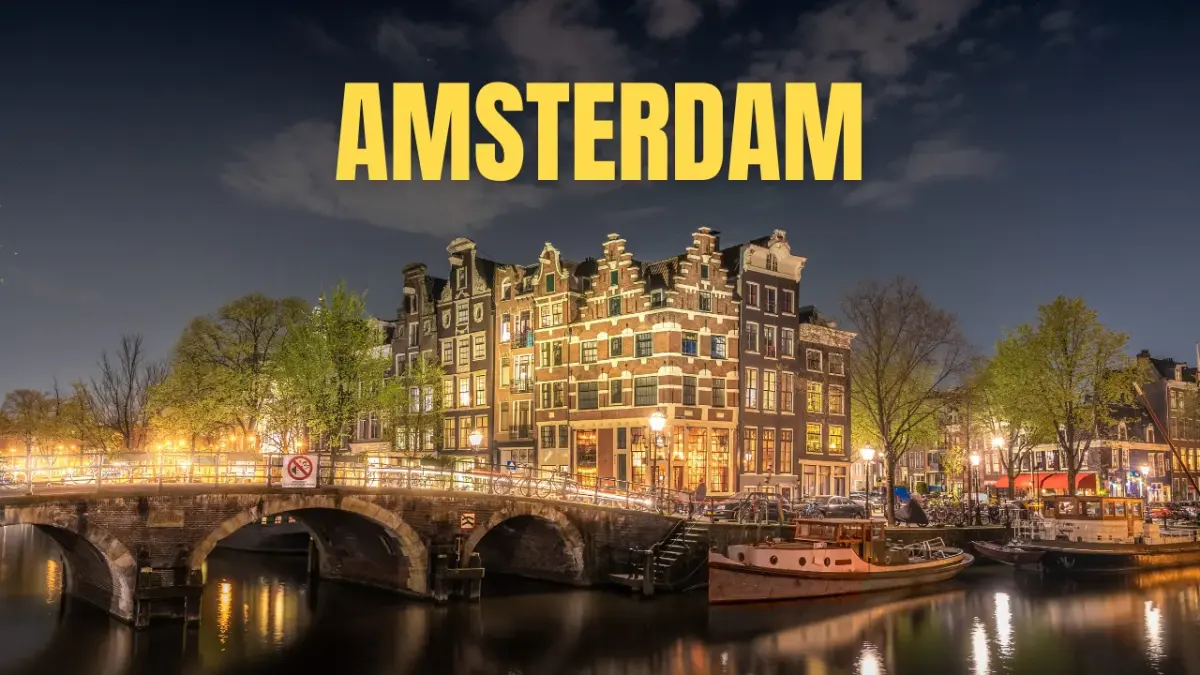
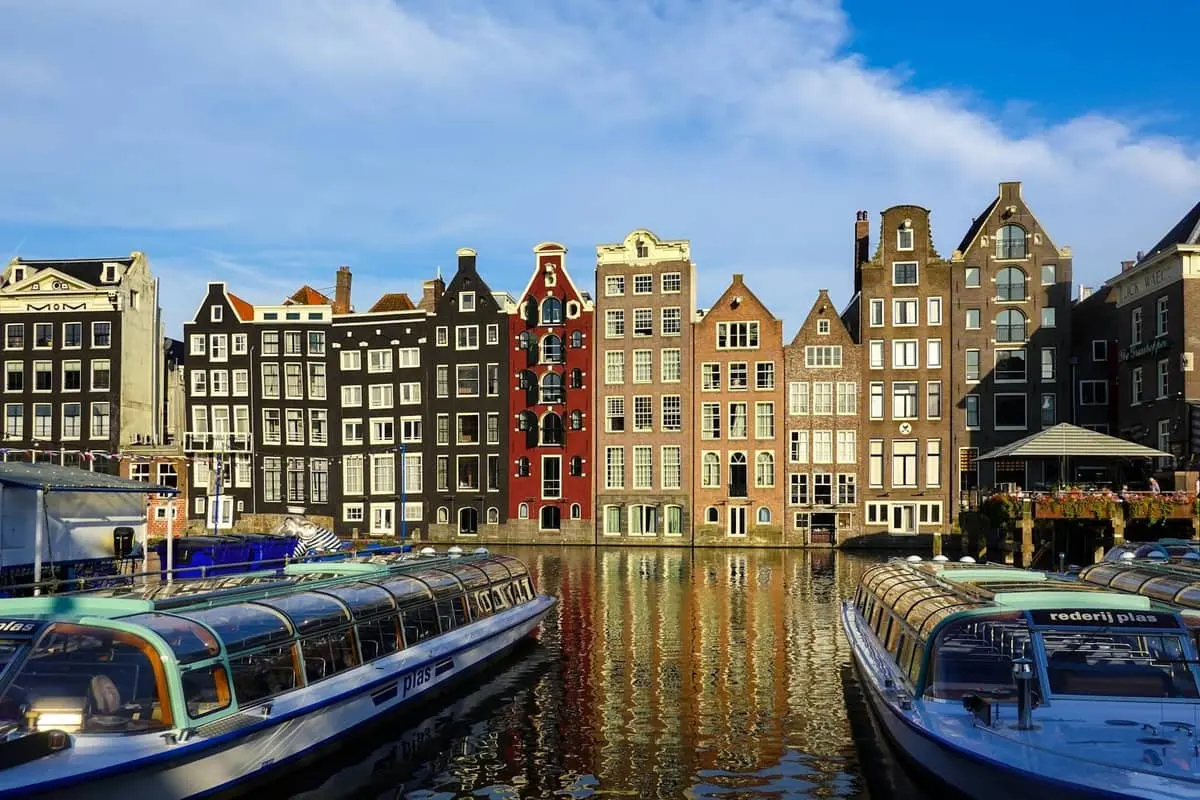
The city’s iconic canal ring, known as the Grachtengordel, was constructed during the Dutch Golden Age in the 17th century. This network of concentric waterways was designed to facilitate trade, transport goods, and manage water levels in the low-lying land. Today, these canals define the city's urban layout and provide a picturesque backdrop for the historic gabled houses that line the banks.
Visitors often prioritize canal cruises to view the architecture from the water, which offers a unique perspective on the city’s development. The area is protected as a UNESCO World Heritage site, ensuring the preservation of the historic center. Beyond aesthetics, the canals are integral to the city's identity, hosting events like the annual King’s Day celebrations and the Amsterdam Light Festival.
- Prinsengracht: Known for its beautiful houses and the Anne Frank House.
- Keizersgracht: Named after Emperor Maximilian I, featuring grand mansions.
- Herengracht: Historically the most prestigious address in the city.
How to explore Amsterdam by bicycle?
Cycling is the primary mode of transportation in Amsterdam, with more bicycles than residents. The city features over 400 kilometers of dedicated bike paths, making it one of the most cycle-friendly urban environments in the world. Navigating the city on two wheels allows travelers to experience the local lifestyle while moving efficiently between neighborhoods.
When renting a bike, prioritize safety and follow local etiquette to avoid accidents. Always lock your bicycle to a fixed object using two separate locks, as theft is common. Be aware of tram tracks, which can be slippery and dangerous for thin tires, and always yield to trams, which have the right of way.
- Rent a sturdy city bike with reliable hand or pedal brakes.
- Observe traffic signals and never ride on sidewalks or pedestrian-only zones.
- Use hand signals to indicate turns to prevent collisions with other cyclists.
- Park only in designated bicycle racks to avoid having your bike removed by authorities.
Best museums to visit in Amsterdam?
Amsterdam is home to an extraordinary concentration of art and history, centered largely around the Museumplein. The Rijksmuseum serves as the national museum, housing masterpieces by Rembrandt and Vermeer. Nearby, the Van Gogh Museum holds the world’s largest collection of works by the famous post-impressionist painter, attracting millions of visitors annually.
For those interested in 20th-century history, the Anne Frank House provides a poignant look at the life of the Jewish diarist during the Nazi occupation. It is essential to book tickets for these major institutions weeks or even months in advance, as they frequently sell out. Smaller, specialized museums like the Rembrandt House Museum or the Museum of the Canals offer deeper insights into specific facets of Dutch heritage.
- Rijksmuseum: Famous for "The Night Watch" and Dutch Golden Age art.
- Van Gogh Museum: Dedicated to the life and works of Vincent van Gogh.
- Anne Frank House: The secret annex where Anne Frank wrote her diary.
- Stedelijk Museum: Focuses on modern and contemporary art and design.
Common mistakes when visiting Amsterdam?
Many tourists underestimate the city's geography and the importance of booking ahead. A frequent error is assuming that all attractions can be visited on a whim; popular sites require pre-booked time slots. Additionally, visitors often walk in bike lanes, which creates significant friction with local commuters who rely on these paths for their daily travel.
Another common pitfall involves the city's nightlife and "coffee shop" culture. While cannabis is tolerated under strict regulations, smoking or consuming it in public spaces is generally discouraged and can be seen as disrespectful. Furthermore, avoid purchasing tickets from unofficial street vendors, as these are often scams. Always carry a valid form of identification, as you may be asked to present it when entering certain venues or purchasing age-restricted items.
- Walking in the red-painted bike lanes.
- Trying to pay with cash at venues that only accept cards.
- Underestimating the time needed to travel between neighborhoods.
- Ignoring the local custom of keeping noise levels down in residential canal areas.
What is the best time to visit Amsterdam?
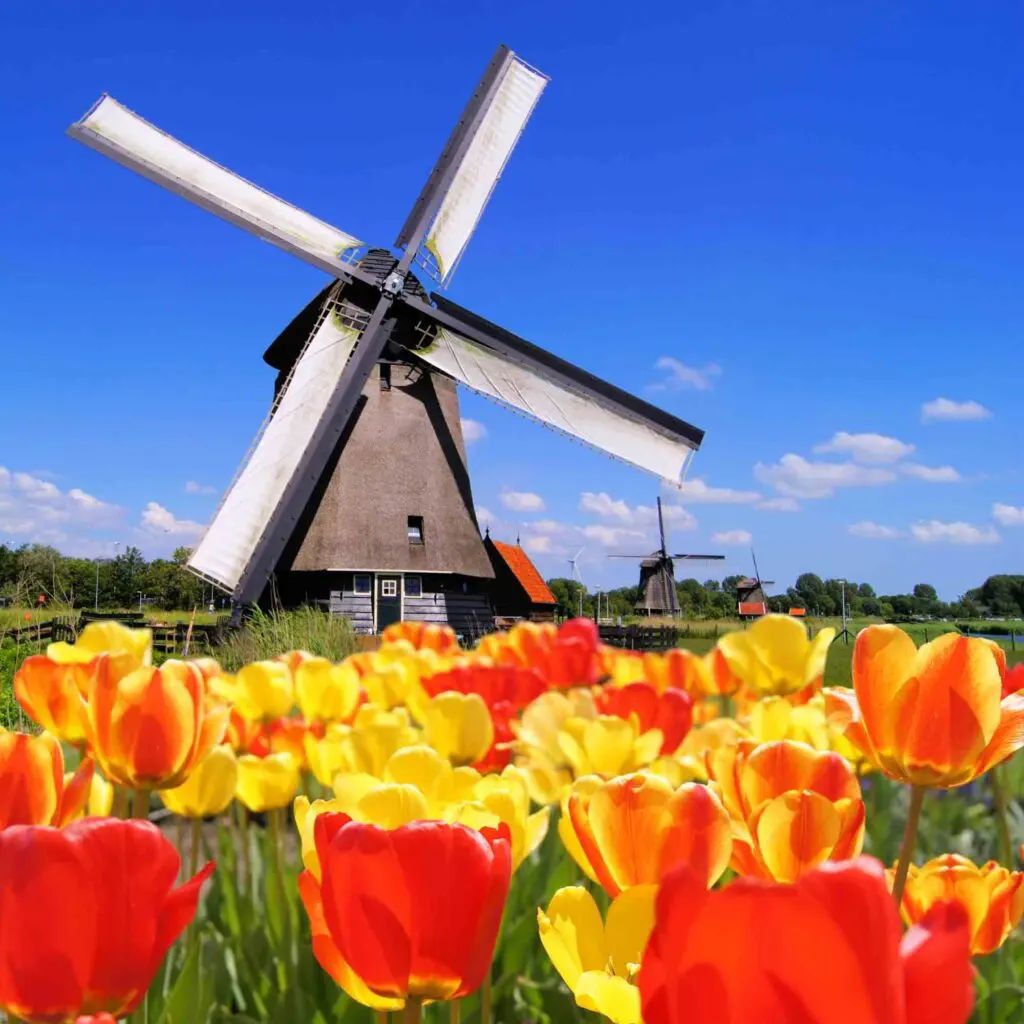
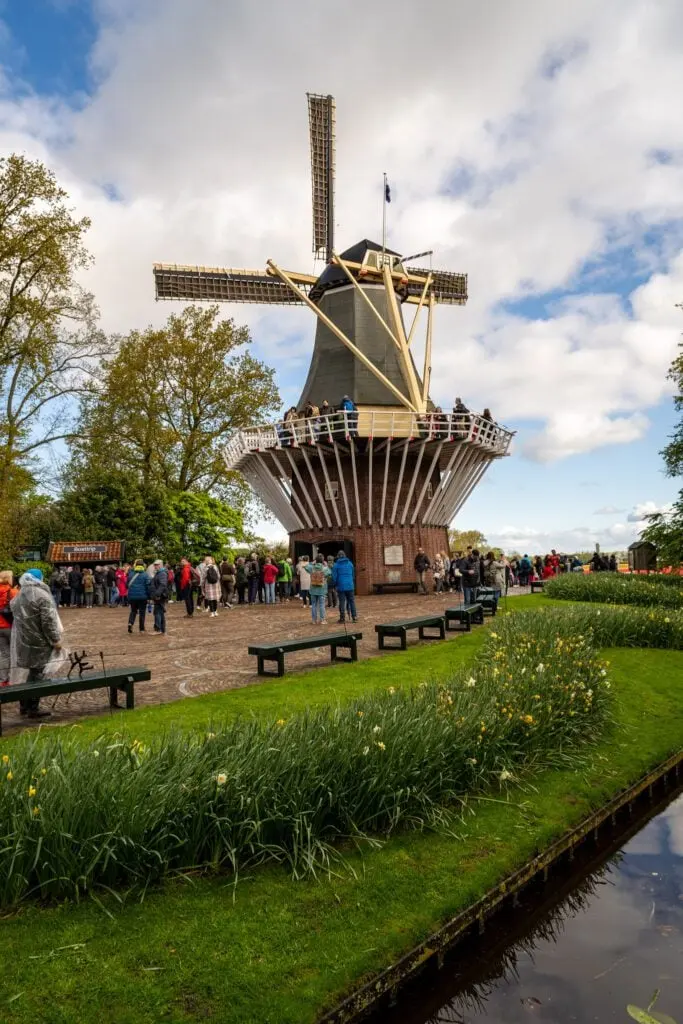
The ideal time to visit depends on your tolerance for crowds and your interest in seasonal events. Spring, particularly April and May, is highly popular due to the blooming of tulips in the nearby countryside and the vibrant King’s Day festivities on April 27. During this time, the city is lively, though accommodation prices peak and streets become quite congested.
Autumn offers a more relaxed atmosphere with fewer tourists and beautiful foliage along the canals. Winter can be cold and damp, but the city becomes magical during the holiday season with festive lights and ice skating rinks. Regardless of the season, check the local weather forecasts, as the maritime climate can lead to sudden rain showers even on otherwise clear days. Bringing a high-quality raincoat is a practical necessity for any traveler, as umbrellas are often ineffective against the strong winds that frequently blow through the narrow streets.
Key facts
- Amsterdam features over 100 kilometers of canals, which were designated a UNESCO World Heritage site in 2010.
- The city is home to more than 800,000 bicycles, outnumbering the human population of approximately 821,000 residents.
- The Rijksmuseum houses the world's most significant collection of Dutch Golden Age masterpieces, including Rembrandt’s "The Night Watch."
- The Anne Frank House attracts over one million visitors annually, serving as a poignant historical site from World War II.
- Amsterdam’s historic center contains over 7,000 protected monuments, many dating back to the 17th-century canal belt expansion.
- When cycling, always lock your bike to a fixed object and never ride on the sidewalks, as this is illegal and dangerous.
The bottom line
Amsterdam is a unique urban landscape defined by its historic canal ring, world-class art museums, and a deeply ingrained cycling culture. Beyond its famous landmarks, the city offers a sophisticated blend of 17th-century architecture and modern, progressive living. By utilizing public transit, respecting local cycling rules, and exploring beyond the tourist hubs, visitors can experience the authentic, vibrant atmosphere of this iconic Dutch capital.
People also ask
Is it easy to get around Amsterdam without a car?
Yes, Amsterdam is one of the most walkable and cycle-friendly cities in the world. The extensive tram network and frequent trains make private vehicles unnecessary and often more difficult to manage due to limited parking.
What is the best time of year to visit Amsterdam?
Many travelers prefer late spring, specifically mid-April, to see the iconic tulip blooms in nearby fields. However, visiting in the shoulder seasons of May or September offers pleasant weather and smaller crowds than the peak summer months.
Do I need to carry cash in Amsterdam?
Most businesses in Amsterdam are now cashless, preferring debit or credit cards for all transactions. It is highly recommended to carry a contactless card or use mobile payment services to ensure you can pay for public transport and retail goods.
Is the city safe for tourists?
Amsterdam is generally very safe, but tourists should remain vigilant against pickpockets in crowded areas like Central Station or the Red Light District. Always keep your belongings secure and be wary of anyone acting suspiciously in high-traffic zones.
Are there any cultural customs I should know?
The Dutch value direct communication and punctuality. While English is widely spoken, learning a few basic phrases like "dank u wel" (thank you) is considered polite and appreciated by locals.
Can I drink the tap water in Amsterdam?
Yes, the tap water in Amsterdam is among the highest quality in the world and is perfectly safe to drink. Carrying a reusable water bottle is a practical way to save money and reduce plastic waste during your travels.
This answer was created with the help of AI research tools and reference sources. Spotted an error? Let us know — we correct mistakes quickly. See our editorial policy.