What is Tofino known for?
Short answer
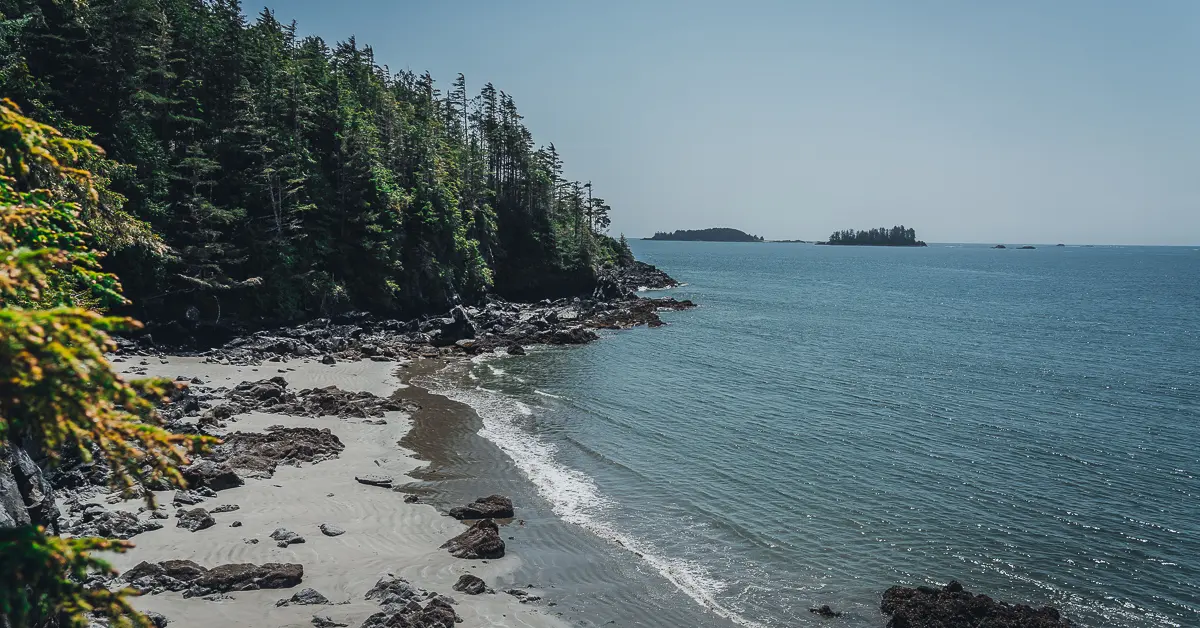
Tofino is a renowned coastal destination on Vancouver Island, British Columbia, celebrated for its rugged Pacific shoreline, world-class surfing, and old-growth rainforests. It serves as a gateway to the Pacific Rim National Park Reserve and is a premier location for whale watching, storm watching, and experiencing Canada’s unique temperate maritime wilderness.
On this page
Why is Tofino famous for surfing?
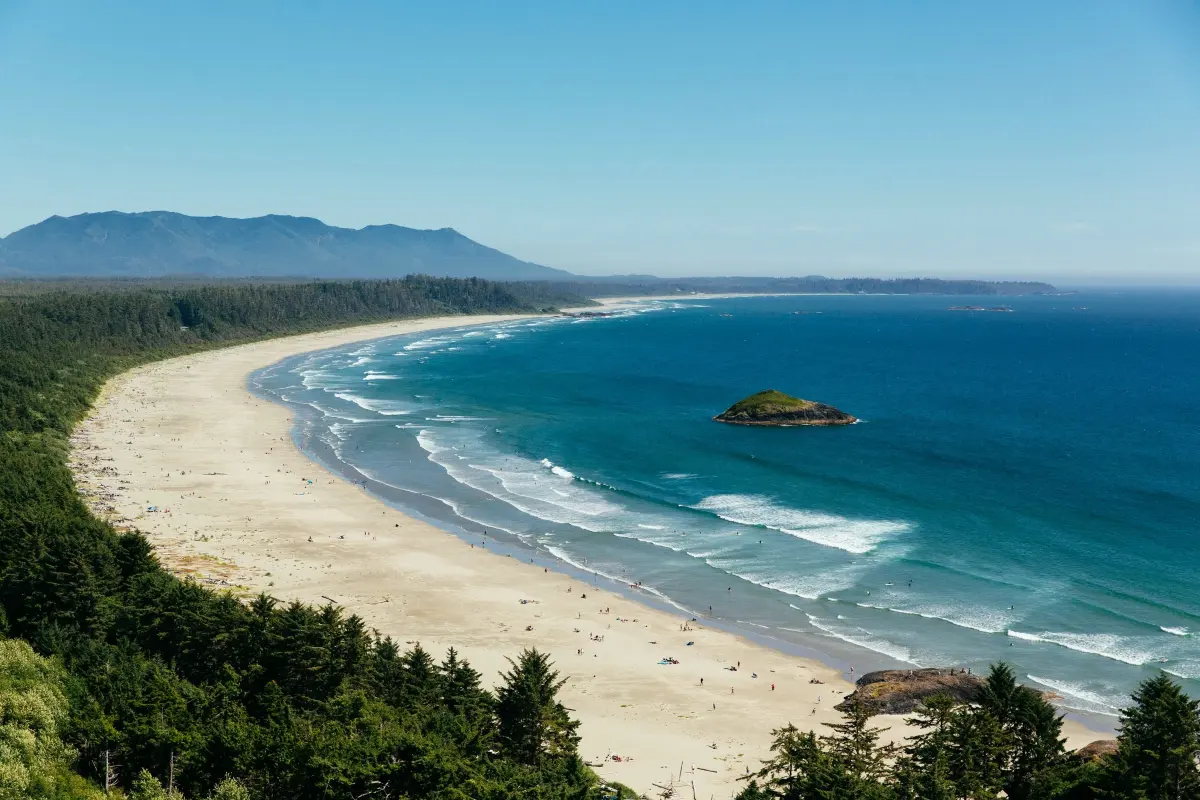
Tofino is widely recognized as the surf capital of Canada, offering consistent swells that cater to all skill levels. The region features miles of expansive, sandy beaches such as Long Beach, Chesterman Beach, and Cox Bay, which are exposed to the open Pacific Ocean. These geographical features generate reliable waves throughout the year, making it a unique cold-water surfing destination that remains active even during the winter months.
The surfing culture here is deeply ingrained in the local lifestyle, supported by numerous surf shops and professional schools. Beginners often head to the gentler breaks at Chesterman Beach, while experienced surfers seek the more challenging, high-energy waves at Cox Bay. The water temperature typically ranges from 7 to 14 degrees Celsius, necessitating the use of high-quality wetsuits.
- Use a 4/3mm or 5/4mm wetsuit with booties and a hood to stay warm.
- Check the local surf reports and tide charts daily for safety.
- Respect local surf etiquette by yielding to those already on the wave.
Best time of year to visit Tofino
Choosing when to visit depends heavily on your primary interest, as the town offers distinct experiences across seasons. Summer, spanning from June to August, provides the warmest weather and is ideal for beachcombing, hiking, and kayaking. However, this period is also the busiest, with peak tourist traffic and higher accommodation costs. Many visitors prefer the shoulder seasons of May and September for a balance of decent weather and fewer crowds.
Winter in Tofino is famous for "storm watching," a unique tourism phenomenon driven by the intense Pacific storms that hit the coast between November and March. During these months, visitors gather in oceanfront lodges to witness massive waves crashing against the rugged shoreline. While the weather is wet and windy, the dramatic scenery offers a powerful connection to nature that is entirely different from the calm summer months.
- Book accommodation at least six months in advance for summer travel.
- Pack high-quality waterproof rain gear regardless of the season.
- Prepare for limited daylight hours if visiting during the winter storm season.
How to see whales in Tofino
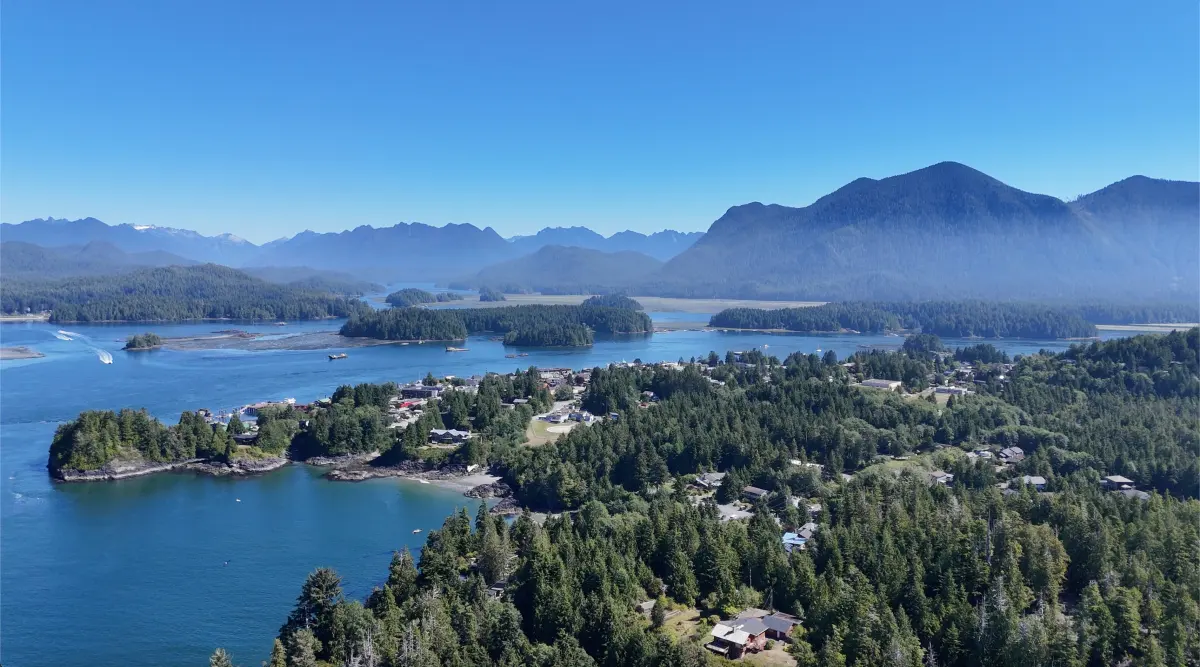
Tofino is one of the premier locations in North America for marine wildlife viewing, particularly for gray whales, humpbacks, and orcas. The migration of gray whales, which passes through the area between March and October, is a major draw for nature enthusiasts. Local operators offer guided boat tours that navigate the protected waters of Clayoquot Sound, providing high success rates for spotting these massive mammals in their natural habitat.
Beyond whales, the region is teeming with other wildlife, including sea otters, bald eagles, and black bears. Bear watching tours are particularly popular during low tide, when black bears emerge from the forest to forage for crabs and other crustaceans along the shoreline. Visitors should always choose reputable tour operators that adhere to strict wildlife viewing guidelines to ensure the safety of the animals and the integrity of their environment.
Common mistakes when visiting Tofino
One of the most frequent errors travelers make is underestimating the distance and travel time required to reach Tofino. Located on the west coast of Vancouver Island, the town is accessed via Highway 4, a winding road through mountainous terrain that can be prone to delays, especially during construction or peak summer traffic. Relying on GPS estimates without accounting for potential road closures or slow-moving vehicles often leads to significant travel stress.
Another common mistake is failing to respect the power of the Pacific Ocean. Rip currents are common along the beaches, and the water temperature can induce cold-water shock even in summer. Visitors often underestimate the speed at which the tide comes in, which can trap hikers in remote coves. Always check the tide tables before heading out for a beach walk and never turn your back on the ocean when exploring rocky outcrops.
Where to find old-growth rainforests
The temperate rainforests surrounding Tofino are among the most biodiverse ecosystems in the world, characterized by massive western red cedars, Sitka spruces, and lush ferns. The Pacific Rim National Park Reserve protects significant portions of this landscape, offering well-maintained trails like the Rainforest Trail. These boardwalk paths allow visitors to immerse themselves in the forest canopy without damaging the delicate mossy floor or disturbing the root systems of ancient trees.
Exploring these forests provides a quiet contrast to the activity of the beaches. The dense canopy creates a unique microclimate that remains cool and damp, supporting a wide array of birdlife and smaller mammals. When hiking, it is essential to stay on marked trails to protect the fragile environment and avoid getting lost in the dense, often impenetrable wilderness that defines the Clayoquot Sound region. Always carry a map and be aware of your surroundings, as the forest can look uniform in every direction.
Key facts
- Tofino is located on the west coast of Vancouver Island, British Columbia, within the traditional territory of the Tla-o-qui-aht First Nations.
- It is widely recognized as the "Surf Capital of Canada," with beaches like Long Beach and Chesterman Beach offering consistent breaks for all skill levels.
- The town serves as a primary gateway to the Pacific Rim National Park Reserve, which spans over 500 square kilometers of coastal rainforest and marine environments.
- Storm watching is a premier winter activity, as the region experiences intense Pacific weather systems from November through February.
- Visitors can embark on boat tours to view black bears foraging along the shoreline or take whale-watching excursions to spot gray, humpback, and orca whales.
- When visiting, always check tide charts before walking to remote areas like Wild Pacific Trail or local islands to avoid becoming stranded by rising water.
The bottom line
Tofino is a premier Canadian destination defined by its rugged coastal beauty and vibrant outdoor culture. Whether you are seeking world-class surfing, serene rainforest hikes, or the dramatic power of winter storms, the region offers a unique connection to the Pacific wilderness. By respecting local wildlife, preparing for unpredictable weather, and planning your transit in advance, you can fully enjoy this exceptional Vancouver Island sanctuary.
People also ask
What is the best time of year to visit Tofino?
Summer offers the warmest weather and best conditions for surfing and wildlife viewing, while winter is ideal for storm watching and enjoying a quieter atmosphere. Spring and fall provide a balance, often featuring mild temperatures and fewer crowds.
Do I need a vehicle to get around Tofino?
While the town center is walkable, a vehicle is highly recommended to reach the various beaches and trailheads located along the Pacific Rim Highway. Public shuttles operate during peak summer months, but they may not cover all remote locations.
Is it safe to surf in Tofino if I am a beginner?
Yes, Tofino has several surf schools that provide lessons, wetsuits, and soft-top boards suitable for novices. Beginners should stick to designated areas like Cox Bay or Chesterman Beach and always listen to local instructors regarding current water conditions.
Are there bears in the area?
Yes, black bears are common in the surrounding rainforest and along the coast. Maintain a safe distance, never feed wildlife, and store food securely in vehicles or bear-proof containers to avoid attracting animals.
What should I pack for a trip to Tofino?
Pack high-quality rain gear, waterproof footwear, and layers, as the weather can change rapidly regardless of the season. Even in summer, coastal breezes make the evenings cool, so a warm sweater or light jacket is essential.
Can I see whales from the shore?
While whale sightings are possible from the beach, booking a guided boat tour significantly increases your chances of seeing whales up close. Tours typically run from March through October, coinciding with the gray whale migration.
This answer was created with the help of AI research tools and reference sources. Spotted an error? Let us know — we correct mistakes quickly. See our editorial policy.