What is ultraviolet light?
Short answer
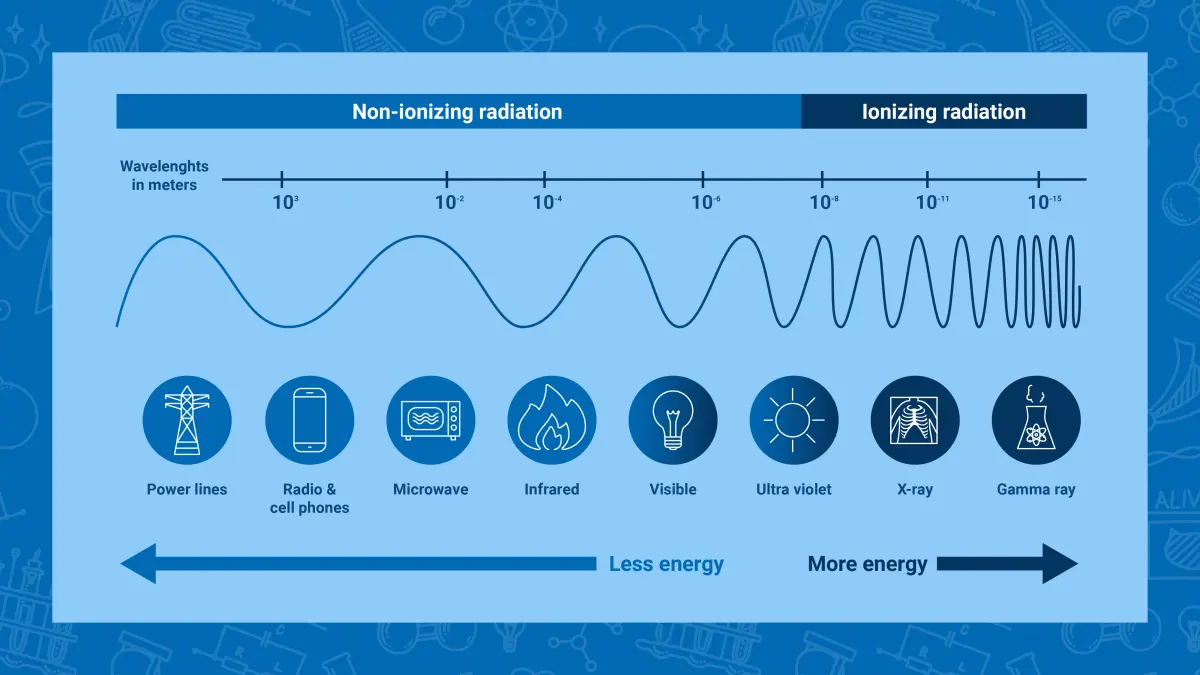
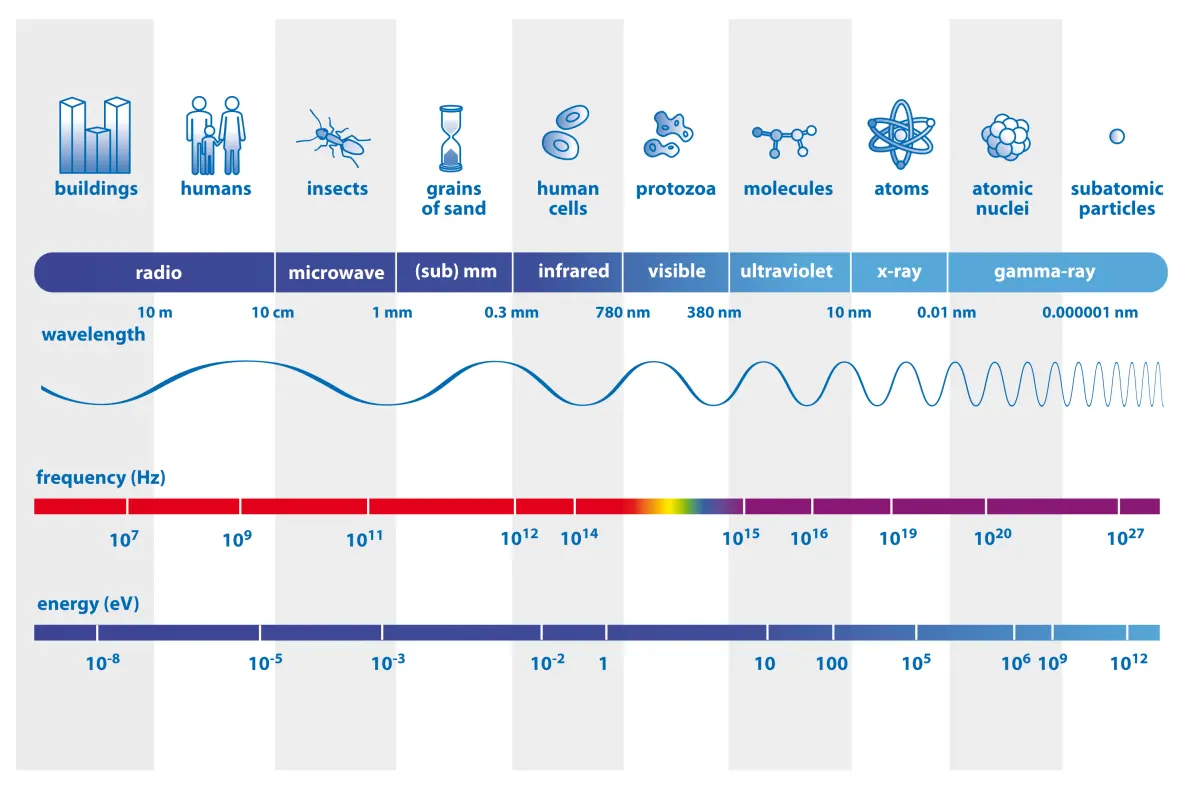
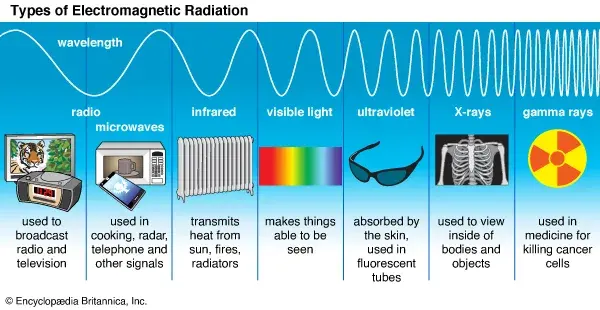
Ultraviolet (UV) light is a form of electromagnetic radiation with wavelengths shorter than visible light but longer than X-rays. Occupying the range between 10 and 400 nanometers, it is invisible to the human eye. While essential for vitamin D production, excessive exposure can damage biological tissues and cause skin cancer.
On this page
What is ultraviolet light exactly?
Ultraviolet light is a segment of the electromagnetic spectrum located between visible light and X-rays. German physicist Johann Wilhelm Ritter discovered this invisible radiation in 1801 after observing that silver chloride darkened faster when exposed to light just beyond the violet end of the visible spectrum. Because its wavelength is shorter than that of violet light, it was named "ultraviolet," meaning "beyond violet."
The UV spectrum is categorized into three primary bands based on wavelength: UVA, UVB, and UVC. UVA rays have the longest wavelengths, ranging from 315 to 400 nanometers, and penetrate deep into the skin. UVB rays, measuring 280 to 315 nanometers, are primarily responsible for sunburns and DNA damage. UVC rays, which are between 100 and 280 nanometers, are the most energetic but are almost entirely absorbed by the Earth's ozone layer.
How does ultraviolet light affect the body?
Human exposure to UV radiation triggers complex biological responses, both beneficial and harmful. When UVB rays strike the skin, they interact with a precursor molecule to synthesize vitamin D3, which is critical for bone health and immune function. However, UV radiation also functions as a mutagen, meaning it can alter the chemical structure of DNA within skin cells.
If the body fails to repair these genetic mutations, the cells may begin to divide uncontrollably, leading to skin cancer. Furthermore, UV exposure accelerates the aging process by breaking down collagen and elastin fibers, resulting in wrinkles and leathery skin. The eyes are also vulnerable; prolonged exposure can lead to cataracts or photokeratitis, a painful condition often described as a sunburn of the cornea.
How to protect yourself from UV rays?
Effective protection requires a combination of physical barriers and chemical filters to mitigate the risks associated with solar radiation. Dermatologists recommend a daily regimen to minimize cumulative damage, especially during peak sunlight hours.
- Apply a broad-spectrum sunscreen with an SPF of 30 or higher at least 15 minutes before going outside.
- Wear tightly woven clothing, long sleeves, and wide-brimmed hats to physically block UV rays from reaching your skin.
- Utilize UV-blocking sunglasses that are labeled to provide 100% protection against both UVA and UVB radiation.
- Seek shade during midday hours, typically between 10:00 AM and 4:00 PM, when the sun's rays are most intense.
- Reapply sunscreen every two hours, or more frequently if you are swimming or sweating heavily.
Common mistakes when using sunscreen?
Many people believe that sunscreen is only necessary on sunny days at the beach, which is a dangerous misconception. UV radiation can penetrate clouds, fog, and haze, meaning you can still suffer skin damage on overcast days. Furthermore, people often fail to use enough product to achieve the protection level stated on the bottle.
- Applying too little sunscreen: Most people use only 25% to 50% of the recommended amount, which significantly lowers the effective SPF.
- Neglecting "hidden" areas: Areas like the ears, the back of the neck, the tops of the feet, and the scalp are frequently overlooked.
- Relying on expired products: Chemical ingredients in sunscreen degrade over time, making them less effective at filtering radiation.
- Forgetting lip protection: The skin on the lips is thin and highly susceptible to UV-induced damage and cold sores.
Why use ultraviolet light for disinfection?
Beyond the sun, humans harness UV light for practical applications, particularly in sterilization and water purification. UVC light is highly effective at destroying the genetic material of bacteria, viruses, and molds by disrupting their DNA base pairs. This process, known as germicidal irradiation, is widely used in hospitals, laboratories, and water treatment plants to ensure a sterile environment.
When using UVC lamps for disinfection, safety is paramount because the light is hazardous to human skin and eyes. Never look directly at a UVC source or expose skin to the light, as it causes severe burns and potential long-term damage. Always ensure that the area is clear of people, pets, and plants before activating germicidal equipment. By understanding the precise wavelengths and intensity required, professionals can safely utilize this powerful tool to neutralize pathogens without the need for harsh chemical disinfectants.
Key facts
- Ultraviolet (UV) light is electromagnetic radiation with wavelengths shorter than visible light but longer than X-rays, typically ranging from 10 to 400 nanometers.
- The Sun is the primary natural source of UV radiation, which is categorized into three bands: UVA, UVB, and UVC.
- While UVC is almost entirely absorbed by the Earth's atmosphere, UVA and UVB reach the surface and can cause skin damage and eye strain.
- UV radiation is essential for the human body to produce Vitamin D, but excessive exposure significantly increases the risk of skin cancer and cataracts.
- To protect yourself, always apply broad-spectrum sunscreen with an SPF of at least 30 and wear sunglasses that block 99-100% of UV rays.
- A common mistake is assuming you are safe from UV damage on cloudy days; up to 80% of UV rays can penetrate through clouds and mist.
The bottom line
Ultraviolet light is a powerful form of electromagnetic radiation that plays a vital role in natural processes like Vitamin D synthesis while posing significant health risks to humans. By understanding the differences between UVA and UVB rays and practicing consistent sun protection, you can safely enjoy the outdoors. Always prioritize high-quality sunscreen and protective eyewear to mitigate the cumulative damage caused by invisible UV exposure.
People also ask
Can UV light be used to disinfect surfaces?
Yes, UVC light is frequently used in germicidal lamps to destroy the DNA of bacteria and viruses. However, it is dangerous to human skin and eyes, so it should never be used on people or pets.
How does a black light work?
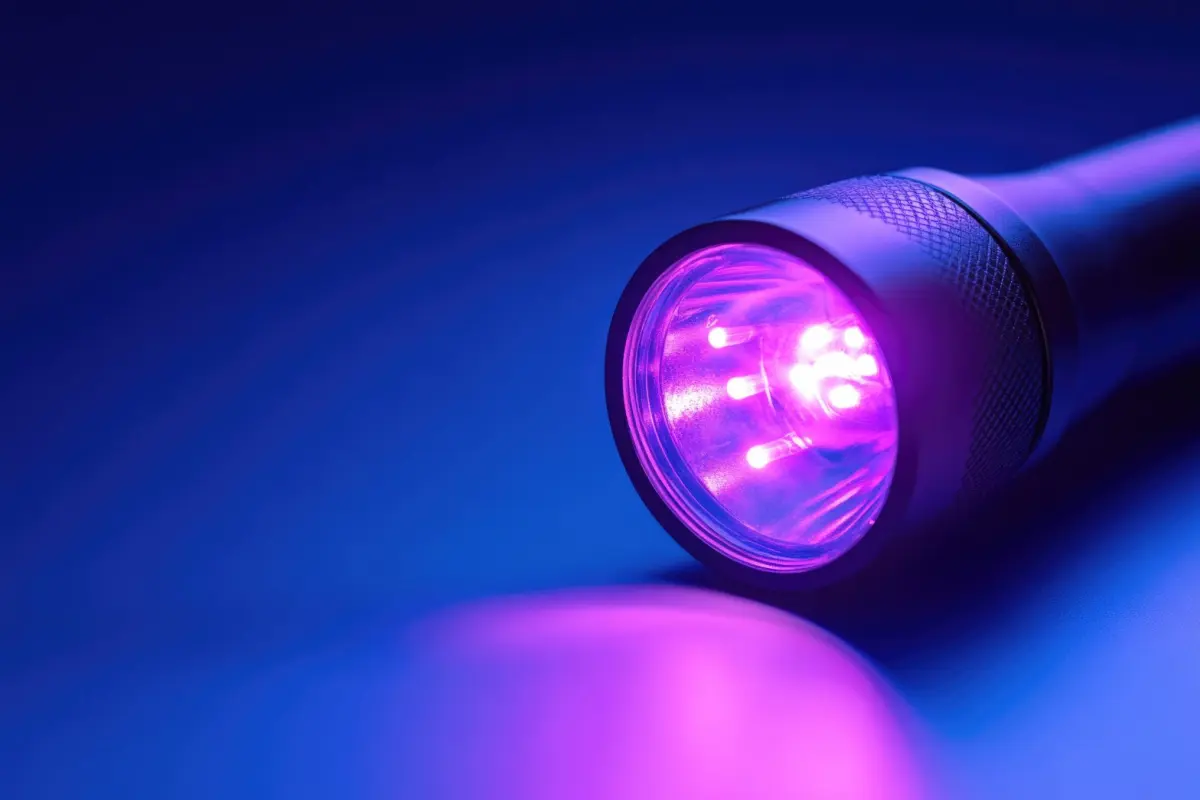
A black light emits mostly long-wave UVA radiation and very little visible light. It causes fluorescent materials, such as certain dyes or minerals, to glow by absorbing the UV energy and re-emitting it as visible light.
Does window glass block all UV rays?
Standard window glass effectively blocks most UVB rays, which cause sunburns, but it allows a significant portion of UVA rays to pass through. If you spend long hours near a window, you may still be exposed to UVA-related skin aging.
What is the UV Index?
The UV Index is an international standard measurement of the strength of sunburn-producing UV radiation at a particular place and time. It helps the public plan outdoor activities to avoid peak radiation hours, typically between 10 a.m. and 4 p.m.
Do tanning beds provide a safe way to get a tan?
No, tanning beds primarily emit UVA radiation, which penetrates deep into the skin and causes premature aging and DNA damage. Medical experts universally advise against their use due to the high risk of melanoma.
Why do some plants and insects see UV light?
Many flowers have evolved patterns visible only in the UV spectrum to guide pollinators like bees toward nectar. Similarly, some birds and insects use UV vision to track prey or navigate the environment more effectively.
This answer was created with the help of AI research tools and reference sources. Spotted an error? Let us know — we correct mistakes quickly. See our editorial policy.