Where do ladybugs live?
Short answer
Ladybugs live in diverse habitats across the globe, primarily residing in gardens, forests, fields, and agricultural areas. They thrive in environments abundant with aphids and other small insects, which serve as their primary food source. During winter, they often seek shelter in protected crevices, leaf litter, or man-made structures to hibernate.
On this page
Where do ladybugs live in nature?
Ladybugs, members of the Coccinellidae family, have successfully colonized almost every terrestrial habitat on Earth. They are most commonly found in temperate climates, though they also inhabit tropical regions and high-altitude mountain ranges. Their distribution is closely tied to the presence of vegetation, as they rely on plants to harbor the aphids, scale insects, and mites that constitute their diet. You will frequently encounter them on leaves, stems, and flowers where prey populations are densest.
Beyond simple foliage, ladybugs utilize various microhabitats to complete their life cycles. During the active growing season, they prefer areas with diverse plant life, such as meadows, orchards, and urban gardens. These environments provide the necessary humidity and protection from predators. When searching for them in the wild, look for these specific indicators:
- Dense clusters of aphids on rose bushes or milkweed.
- Sun-drenched patches of vegetation near water sources.
- Decaying logs or thick bark that offer refuge during the heat of the day.
- Tall grasses that provide cover for larvae.
How do ladybugs survive the winter?
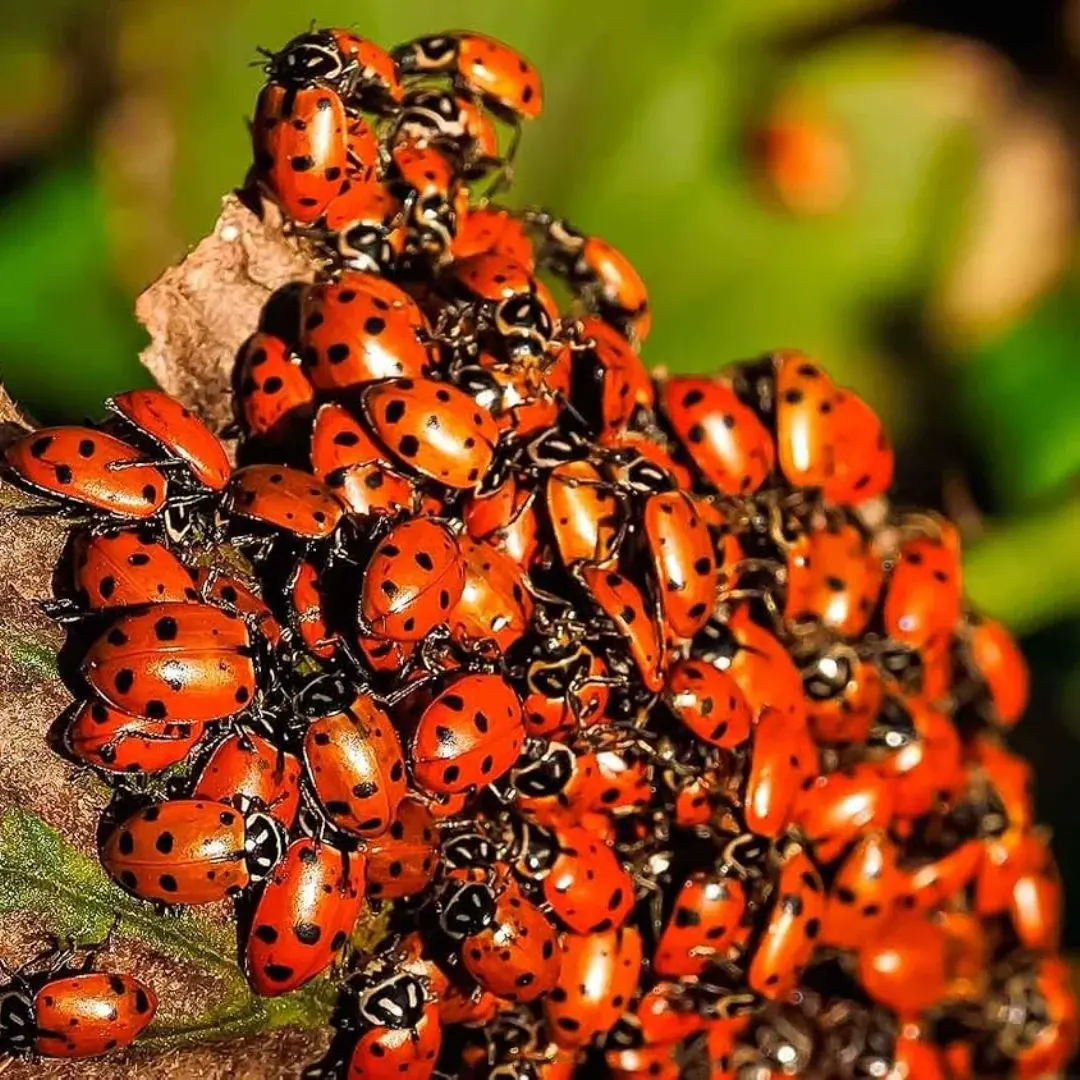
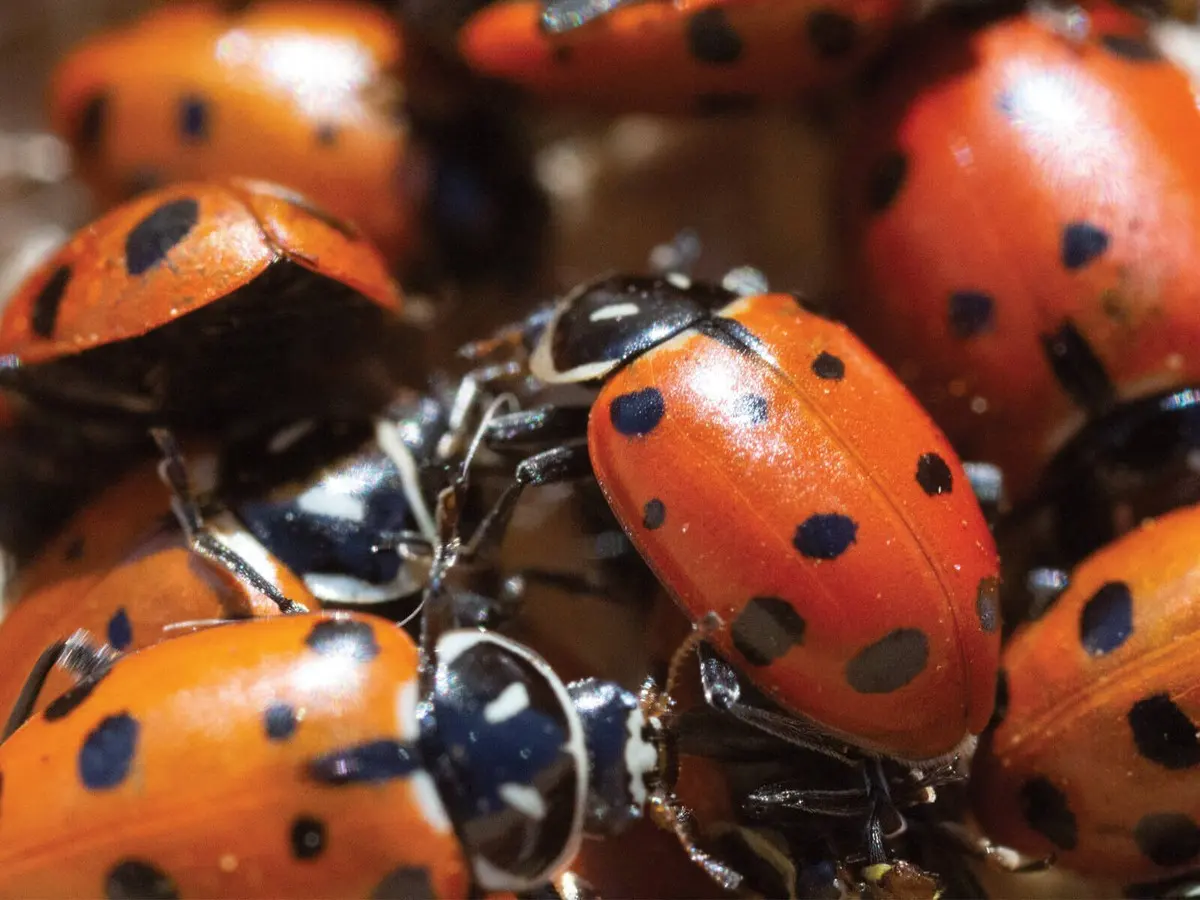
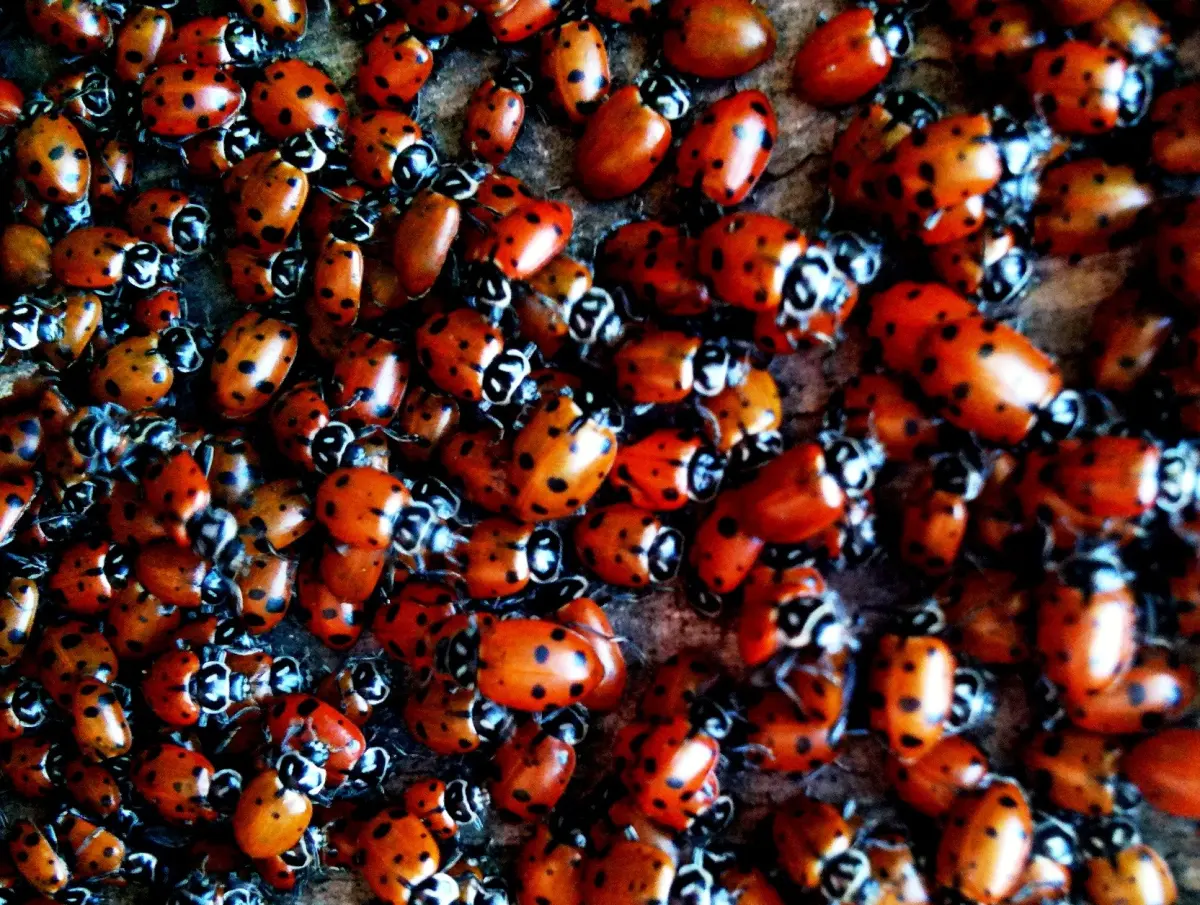
As temperatures drop in the autumn, ladybugs undergo a process called diapause, a state of suspended development similar to hibernation. They often congregate in large groups, sometimes numbering in the thousands, to conserve body heat and moisture. These aggregations occur in protected, dry locations that shield them from freezing temperatures and harsh winds. Common overwintering sites include:
- Beneath thick layers of leaf litter or forest floor debris.
- Inside the crevices of tree bark or hollowed-out logs.
- Under large rocks or within deep soil cracks.
- Within the wall voids or attics of human structures.
Because they are cold-blooded, ladybugs must find locations that remain relatively stable throughout the winter months. They do not feed during this period, relying instead on stored fat reserves accumulated during the late summer and early autumn. If you find a cluster of ladybugs in your home during winter, it is best to gently relocate them to a sheltered outdoor area, such as a garden shed or a pile of brush, where they can continue their natural dormancy without the drying effects of indoor heating.
How to attract ladybugs to your garden
Creating a ladybug-friendly environment is an excellent way to manage garden pests naturally. To attract these beneficial insects, you must provide a consistent food source and a hospitable living space. Avoid the use of broad-spectrum insecticides, as these chemicals are often lethal to ladybugs and eliminate their prey. Instead, focus on planting a variety of native flowers that provide pollen and nectar, which ladybugs consume when prey is scarce.
Effective plants for attracting ladybugs include:
- Dill, fennel, and cilantro, which offer small, accessible flowers.
- Yarrow and tansy, known for their ability to support predatory insects.
- Calendula and coreopsis, which add color while providing essential nutrients.
- Alyssum, which creates a low-growing mat that protects larvae.
In addition to plant selection, consider leaving a small portion of your garden "messy." A pile of twigs, a patch of undisturbed mulch, or a few flat stones can provide the essential shelter ladybugs need to hide from predators. By providing these simple resources, you ensure that ladybugs remain in your garden throughout the growing season to keep aphid populations in check.
Common mistakes when keeping ladybugs
Many people make the mistake of purchasing ladybugs to release in their gardens without understanding their natural behavior. A common error is releasing them during the heat of the day, which often causes the insects to fly away immediately in search of better habitats. To increase the chances of them staying, always release ladybugs at dusk or dawn when temperatures are cooler and the insects are less active. This allows them time to settle into the foliage and locate food before they feel the urge to disperse.
Another frequent mistake is failing to provide water. While ladybugs get most of their moisture from their prey, they benefit from a reliable water source during dry spells. Avoid using deep birdbaths where they might drown; instead, provide a shallow dish filled with pebbles and a small amount of water. This creates a safe "landing pad" where they can drink without the risk of falling in. Finally, do not expect ladybugs to remain in an area that has been recently treated with systemic pesticides, as the residual toxins will either kill them or drive them away.
Why do ladybugs enter houses?
It is a common misconception that ladybugs enter homes to feed or nest. In reality, they are simply seeking a warm, dry place to survive the winter. This behavior is most common with the multicolored Asian lady beetle, an invasive species that is attracted to the light-colored surfaces of buildings. They often congregate on the south or west sides of homes, where the sun provides the most warmth, before crawling into cracks around windows, doors, and siding.
Once inside, they are generally harmless, though they can become a nuisance due to their sheer numbers. They do not eat wood, fabric, or food, and they do not reproduce indoors. If you find them in your home, the most effective way to manage them is to seal entry points such as gaps in screens or cracks in the foundation. Using a vacuum to gently remove them is often more effective than using chemical sprays, which can stain surfaces and are unnecessary for a pest that is only looking for a temporary place to sleep.
Key facts
- Ladybugs live on almost every continent except Antarctica, thriving in forests, grasslands, gardens, and urban parks.
- They require a habitat with abundant aphids, their primary food source, to survive and reproduce.
- During winter, ladybugs enter a state of dormancy called diapause, often clustering in leaf litter or under tree bark.
- Many species migrate to higher elevations or warmer microclimates to escape freezing temperatures.
- To attract ladybugs to your garden, plant nectar-rich flowers like dill, fennel, yarrow, and marigolds.
- Avoid using chemical pesticides, as these kill the beneficial insects along with the garden pests they consume.
The bottom line
Ladybugs are highly adaptable insects found globally in diverse environments ranging from wild forests to residential gardens. Their survival depends on access to aphid populations and sheltered areas for winter hibernation. By planting native flowers and avoiding chemical pesticides, you can provide a welcoming habitat for these beneficial beetles, which serve as essential natural predators that help maintain a healthy balance in your local ecosystem.
People also ask
Do ladybugs live in houses during the winter?
Yes, many species, particularly the invasive multicolored Asian lady beetle, seek shelter in wall voids, attics, or window frames to hibernate. They are drawn to the warmth and light reflecting off building surfaces during autumn.
How long do ladybugs live in the wild?
Most ladybug species live for about one year, progressing through four life stages: egg, larva, pupa, and adult. Some individuals may live longer depending on food availability and environmental conditions.
What do ladybugs eat besides aphids?
While aphids are their preferred meal, ladybugs also consume scale insects, mealybugs, and mites. Some species supplement their diet with pollen, nectar, or even mildew when prey is scarce.
Are ladybugs harmful to my indoor plants?
Generally, ladybugs are harmless to plants and act as natural pest control by eating aphids. However, if they enter your home in large numbers, they can be a nuisance and may stain surfaces with a yellowish, foul-smelling secretion.
Do ladybugs stay in the same place all year?
Many ladybugs are migratory and will travel significant distances to find suitable overwintering sites. They often return to the same general geographic area year after year to hibernate in large groups.
How can I tell if a ladybug is healthy?
A healthy ladybug is active, has vibrant coloration, and possesses intact wings and legs. If you find one that is sluggish or discolored, it may be nearing the end of its life cycle or suffering from environmental stress.
This answer was created with the help of AI research tools and reference sources. Spotted an error? Let us know — we correct mistakes quickly. See our editorial policy.