How long do slugs live?
Short answer
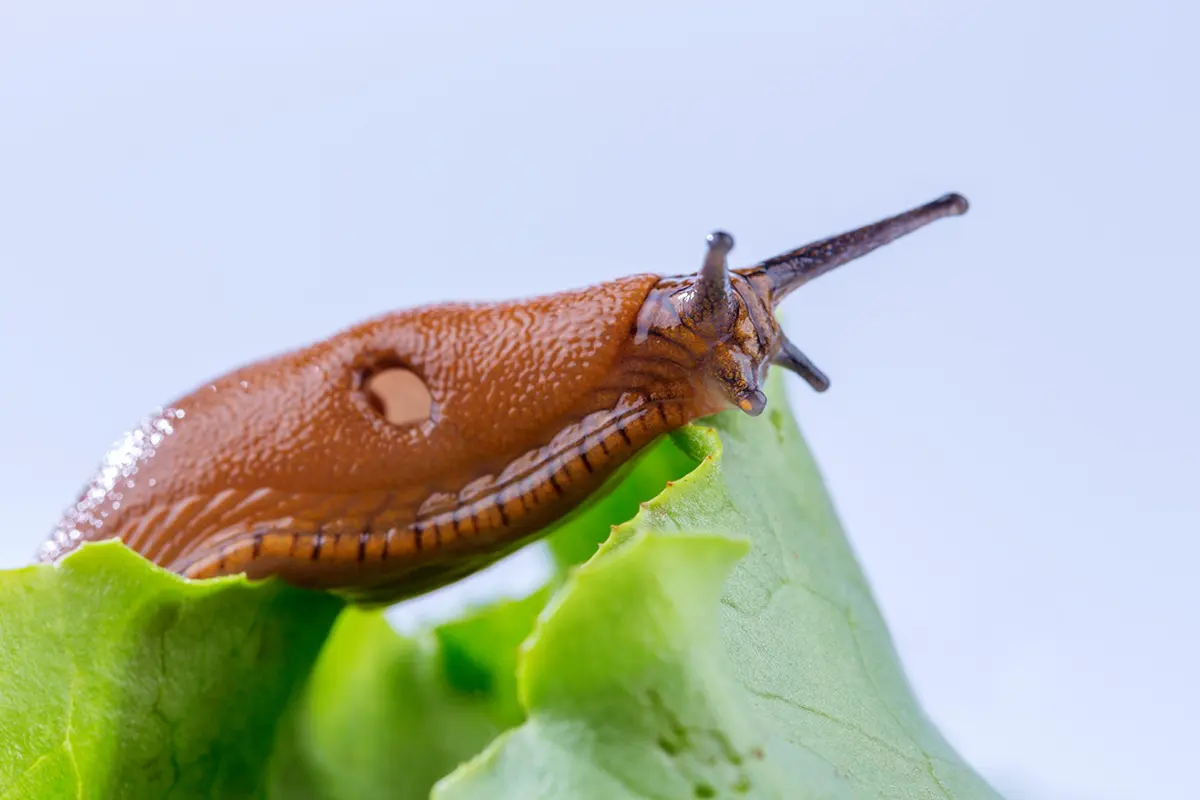
Most garden slugs live for about one to two years, though some species can survive for up to three years under ideal conditions. Their lifespan is heavily influenced by environmental factors such as moisture, temperature, and food availability. Many die during their first winter, while others complete their life cycle after reproducing.
On this page
How long do slugs live in the wild?
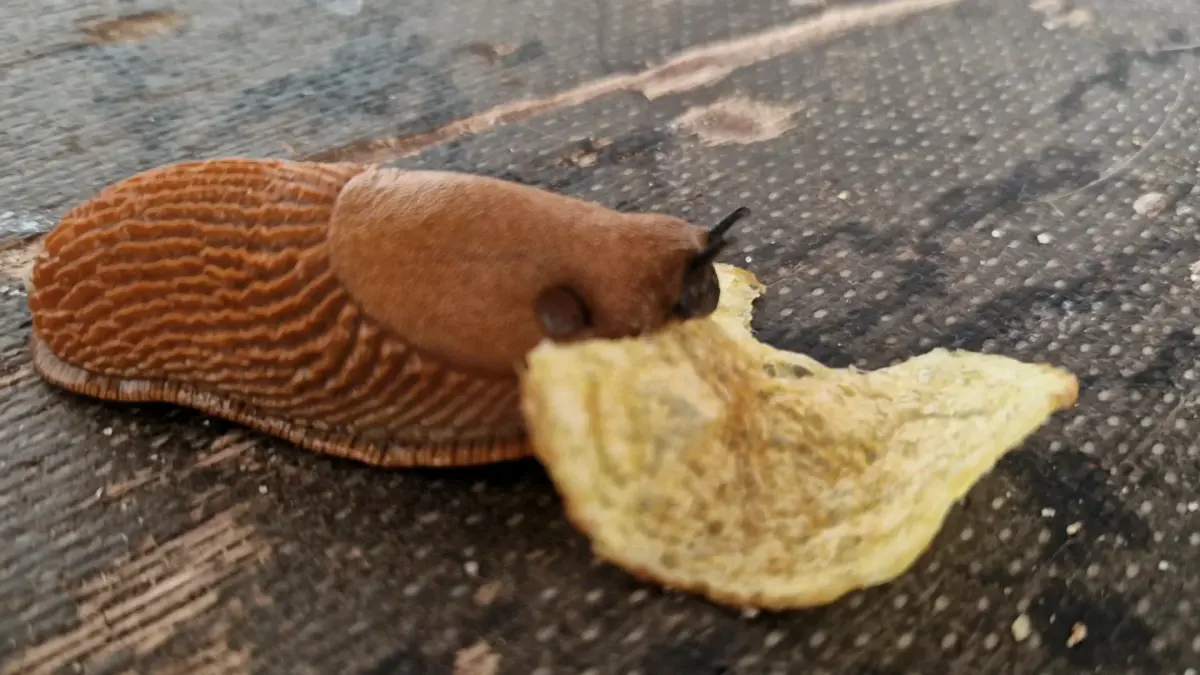
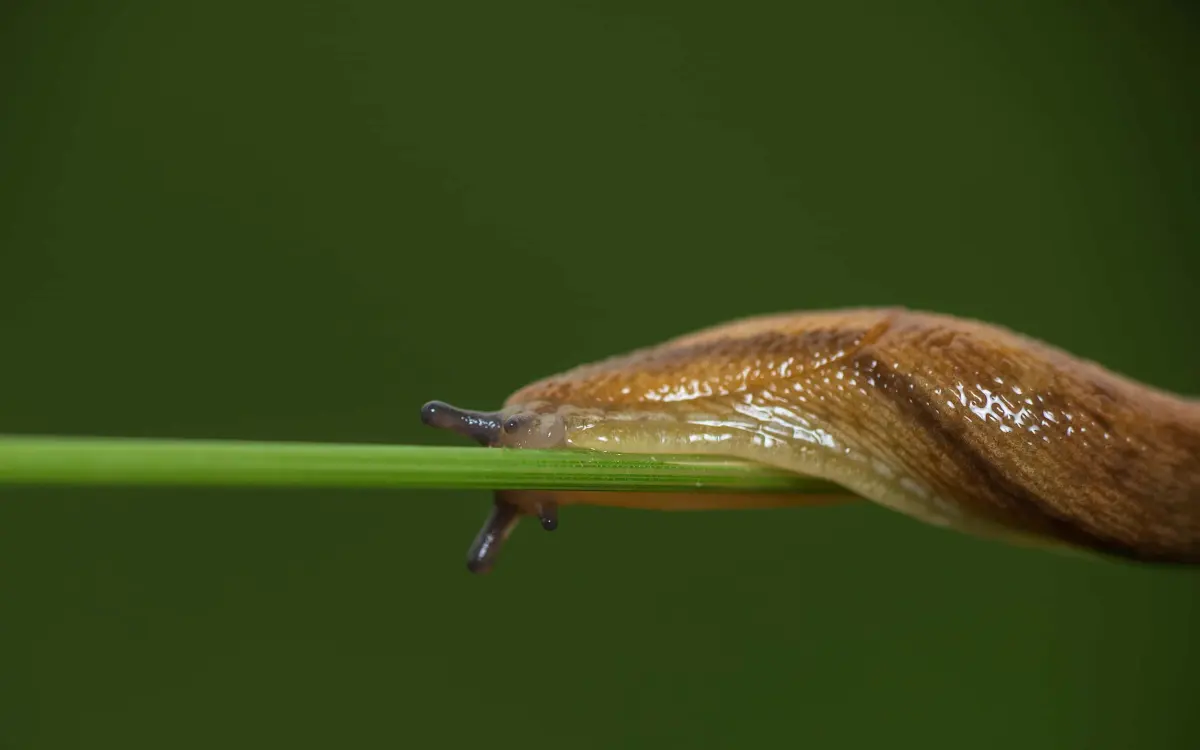
In natural environments, a slug's lifespan is primarily dictated by the climate and the presence of predators. Most common garden slugs, such as the grey field slug (Deroceras reticulatum), typically complete their life cycle within 12 months. These creatures are highly sensitive to desiccation, meaning they require constant moisture to survive. During harsh winters or prolonged droughts, many individuals perish before reaching their full potential lifespan.
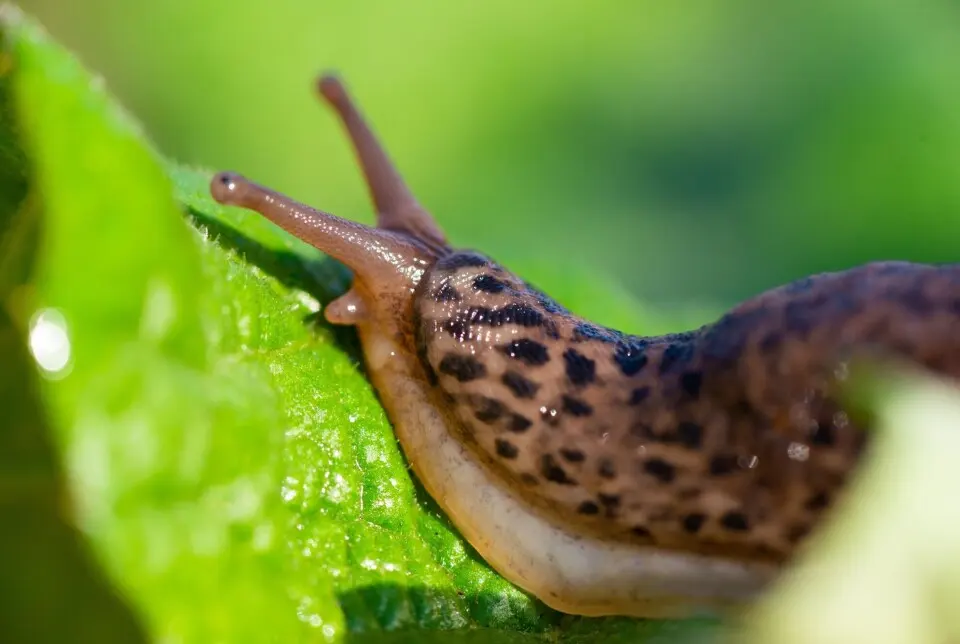
However, larger species like the leopard slug (Limax maximus) can live for two to three years. These slugs often seek out stable microclimates, such as deep leaf litter, compost heaps, or crevices in stone walls, to protect themselves from extreme temperatures. Their survival rate is significantly higher when they can successfully hibernate or aestivate during unfavorable seasons. The following factors often limit their longevity in the wild:
- Predation by birds, hedgehogs, frogs, and ground beetles.
- Parasitic infections, particularly from nematodes.
- Sudden shifts in soil pH or chemical contamination.
- Lack of consistent food sources during dry summer months.
How do slugs complete their life cycle?
The life cycle of a slug begins with the laying of eggs, which are usually deposited in moist soil or under organic debris. Depending on the species and ambient temperature, these eggs hatch within two to four weeks. Once hatched, the juveniles, or "sluglets," are essentially miniature versions of adults and begin feeding immediately on decaying plant matter or tender seedlings.
Growth rates are highly variable and depend on the quality of the diet and the ambient humidity levels. Most slugs are hermaphrodites, possessing both male and female reproductive organs, which allows any two individuals to mate and produce offspring. This biological efficiency ensures that populations can rebound quickly even after significant environmental stressors. The typical stages of development include:
- Egg deposition in clusters of 20 to 100 eggs.
- Hatching into juvenile slugs that grow rapidly during the spring.
- Sexual maturation as the slug reaches its full adult size.
- Mating and egg-laying, which often signals the end of the adult's life.
Why do slugs die in gardens?
Gardeners often inadvertently shorten the lifespan of slugs through various land management practices. Slugs are nocturnal creatures that rely on high humidity to move across surfaces without losing body water. When gardeners remove mulch, clear away weeds, or improve soil drainage, they reduce the number of damp hiding spots available to these mollusks. Without these refuges, slugs are exposed to direct sunlight and dry air, which can prove fatal within hours.
Furthermore, the introduction of chemical baits and physical barriers creates an environment where slugs struggle to survive. While slugs are essential decomposers that help recycle nutrients into the soil, their presence is often viewed as a nuisance due to their appetite for garden vegetables. Common mistakes that lead to an increase in local slug populations include:
- Leaving piles of damp wood or debris near vulnerable plants.
- Using overhead irrigation in the evening, which provides the perfect moisture levels for nocturnal activity.
- Failing to encourage natural predators like toads and predatory beetles in the garden ecosystem.
How to manage slug populations effectively?
Managing slugs requires a multifaceted approach that focuses on habitat modification rather than relying solely on lethal measures. The most effective strategy is to create a garden that is less hospitable to slugs while simultaneously supporting their natural enemies. For instance, placing coarse materials like crushed eggshells or wood ash around seedlings can deter slugs, though these methods are often less effective during heavy rain.
If you are struggling with heavy infestations, consider these practical steps to reduce their numbers without harsh chemicals:
- Hand-pick slugs in the early morning or late evening using a flashlight.
- Install copper tape around the rims of pots to provide a mild electric shock to the slugs.
- Set up beer traps by burying containers flush with the soil surface to lure and drown them.
- Encourage biodiversity by planting native flowers that attract ground beetles and centipedes.
- Water your garden in the morning so that the soil surface dries out by the time slugs become active at night.
Common mistakes when trying to control slugs?
A frequent error is the overuse of iron phosphate pellets, which, while safer than older metaldehyde baits, can still impact non-target organisms if applied incorrectly. Many gardeners scatter these pellets across the entire soil surface, which is unnecessary and wasteful. Instead, focus on targeted application around specific, high-value plants to minimize environmental impact. Another mistake is assuming that all slugs are pests; many species are actually beneficial scavengers that feed primarily on decaying matter rather than living crops.
Additionally, many people fail to recognize that slugs are most active during damp, overcast weather. Trying to control them during a dry spell is largely ineffective because the slugs remain deep underground, protected from both the elements and your interventions. To succeed, you must understand that total eradication is impossible and often counterproductive. Instead, aim for "integrated pest management," which focuses on keeping slug numbers at a level where they cause minimal damage to your garden while allowing the local ecosystem to remain balanced and healthy.
Key facts
- Most common garden slugs live between one and two years in the wild.
- Slugs are hermaphrodites, meaning each individual possesses both male and female reproductive organs.
- A single slug can lay up to 500 eggs in its lifetime, typically deposited in moist soil or under debris.
- Slugs are most active during damp, cool weather and often enter a state of dormancy during extreme heat or drought.
- To prevent slug damage in gardens, water plants in the morning so the soil surface is dry by evening.
- Avoid using salt to kill slugs, as it can damage plant health and degrade soil quality over time.
The bottom line
While most garden slugs live for one to two years, their rapid reproduction rates often make them seem more abundant than they truly are. By understanding their preference for moisture and their role as decomposers, you can better manage their presence in your garden. Focus on creating dry environments and physical barriers rather than relying on harsh chemicals to keep your plants safe and healthy.
People also ask
Do slugs hibernate during the winter?
Slugs do not hibernate in the traditional sense, but they do enter a period of reduced activity called aestivation or dormancy. They seek shelter deep in the soil or under logs to protect themselves from freezing temperatures until conditions improve.
What is the primary diet of a garden slug?
Slugs are primarily detritivores, meaning they feed on decaying plant matter, fungi, and bacteria. However, they also consume fresh seedlings, leaves, and fruits, which makes them a significant nuisance for home gardeners.
How can I tell if slugs are in my garden?
The most obvious sign of a slug infestation is the presence of slimy, silvery mucus trails left on leaves or soil. You may also notice irregular, jagged holes in the foliage of your plants, particularly on tender, low-growing vegetables.
Are slugs harmful to humans or pets?
While slugs are not aggressive, they can carry parasites like lungworm, which can be dangerous if ingested by dogs or cats. Always wash garden vegetables thoroughly before consumption and discourage pets from eating slugs or snails.
Why do slugs need to stay moist?
Slugs lack a protective shell and rely on their mucus coating to prevent dehydration and facilitate movement. If their skin dries out completely, they cannot survive, which is why they are rarely seen active during the heat of the day.
Can copper tape actually stop slugs?
Copper tape creates a small electrical charge when a slug touches it, which acts as a deterrent for many species. For this method to work, ensure the tape forms a complete, unbroken circle around the base of the plant pot.
This answer was created with the help of AI research tools and reference sources. Spotted an error? Let us know — we correct mistakes quickly. See our editorial policy.