When was Vancouver founded?
Short answer
Vancouver was incorporated as a city on April 6, 1886. While the area had been inhabited by Indigenous peoples for thousands of years and European settlers arrived in the mid-19th century, the official municipal founding occurred following the arrival of the Canadian Pacific Railway and the devastating Great Vancouver Fire.
On this page
When was Vancouver founded?
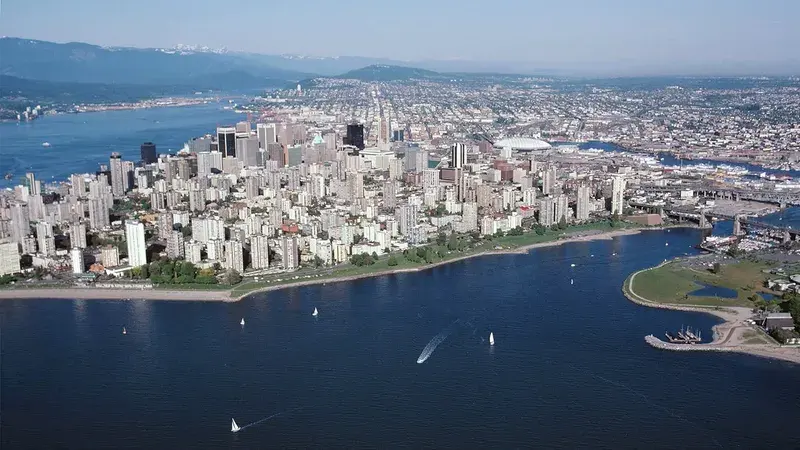
The official incorporation of Vancouver occurred on April 6, 1886, marking its transition from a small logging settlement known as Granville to a formal city. This date is significant because it coincided with the expansion of the Canadian Pacific Railway, which sought a western terminus for its transcontinental line. By choosing the natural deep-water harbor of Burrard Inlet, the railway company ensured the city would become a vital hub for international trade.
Before this formal designation, the region was home to the Musqueam, Squamish, and Tsleil-Waututh nations, who managed the lands and waters for millennia. European interest grew during the 1858 Fraser Canyon Gold Rush, leading to the establishment of early industry. However, the 1886 incorporation provided the legal framework necessary for the city to organize its first government and establish infrastructure, effectively setting the stage for its rapid growth into the modern metropolis seen today.
How did Vancouver get its name?
Vancouver was named after George Vancouver, a British Royal Navy captain who explored and charted the Burrard Inlet region in 1792. The name was chosen by William Van Horne, the president of the Canadian Pacific Railway, who believed that a name associated with a famous explorer would carry international prestige. This decision was finalized shortly before the city’s incorporation, replacing the previous name of Granville.
The naming process was highly strategic, as the railway company wanted to ensure the new city was synonymous with the global maritime trade routes Captain Vancouver had mapped. The name change was not universally popular among the local settlers at the time, many of whom had grown accustomed to the Granville moniker. Despite this initial resistance, the name stuck, and it has since become synonymous with the city's identity as a gateway to the Pacific Ocean.
What happened during the Great Vancouver Fire?
Just months after its incorporation in 1886, the fledgling city was nearly destroyed by the Great Vancouver Fire. On June 13, 1886, a land-clearing fire set by settlers spiraled out of control due to high winds, sweeping through the entire city in less than an hour. The disaster decimated almost every building in the settlement, leaving only a few structures standing near the waterfront.
The aftermath of the fire served as a turning point for the city’s development and urban planning. Residents immediately began rebuilding, but this time with a focus on fire safety and more permanent construction materials. The recovery efforts were swift, bolstered by the arrival of the first transcontinental train just weeks later. Key recovery milestones included:
- The establishment of a professional fire department to prevent future catastrophes.
- The implementation of stricter building codes and land-use regulations.
- The rapid reconstruction of the downtown core using brick and stone instead of wood.
Why is Vancouver a major port city?
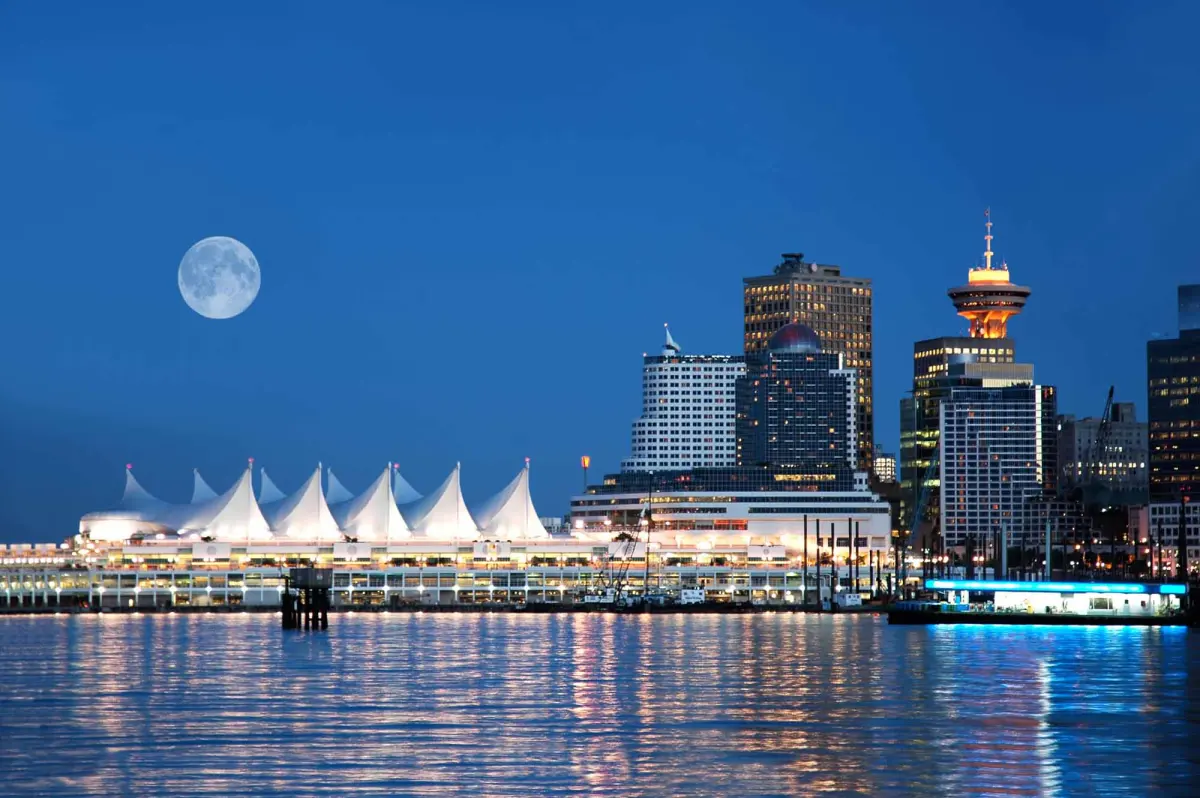
Vancouver’s status as a major port city is primarily due to its geography and its role as the western terminus of the Canadian Pacific Railway. The natural, ice-free deep-water harbor of Burrard Inlet provides an ideal environment for large cargo vessels to dock, regardless of the season. This physical advantage allowed the city to bypass the logistical challenges faced by other North American ports that experienced winter freezing.
The synergy between rail and sea transport created a powerful economic engine that attracted global shipping companies. Today, the Port of Vancouver is the largest in Canada, handling a vast array of goods including grain, coal, and containerized consumer products. To understand how the port operates, consider these primary functions:
- Receiving transcontinental rail shipments from across North America for export.
- Managing the import of goods from Asia to be distributed via rail and truck.
- Providing cruise ship facilities that support a massive tourism industry.
Common mistakes when researching Vancouver history
A common mistake when researching the city's history is assuming that the 1886 incorporation date marks the beginning of human activity in the region. Many researchers overlook the rich, thousands-year-old history of the Coast Salish peoples, who maintained complex societies and trade networks long before European contact. Failing to acknowledge this history results in an incomplete understanding of the area's social and cultural foundations.
Another frequent error is confusing the city of Vancouver with Vancouver Island. While both are named after the same explorer, they are distinct geographical entities located on opposite sides of the Strait of Georgia. The city of Vancouver is located on the mainland, while the provincial capital, Victoria, is situated on Vancouver Island. When studying regional history, always verify the specific location to avoid conflating the development of the mainland city with the island’s colonial history. By focusing on primary documentation and recognizing the difference between municipal incorporation and settlement, you can build a more accurate timeline of the city's evolution.
Key facts
- Vancouver was officially incorporated as a city on April 6, 1886.
- The settlement was originally named Granville before being renamed Vancouver in 1886.
- It was named after British naval captain George Vancouver, who explored the area in 1792.
- The Great Vancouver Fire destroyed almost the entire city just two months after its incorporation on June 13, 1886.
- The Canadian Pacific Railway terminus was a primary driver for the city's rapid early growth.
- Avoid confusing the city of Vancouver with Vancouver Island; they are distinct geographical locations separated by the Strait of Georgia.
The bottom line
Vancouver’s history as an incorporated city began on April 6, 1886, following its renaming from Granville. Despite a devastating fire just months later, the city leveraged its position as a railway terminus to become a global trade center. Today, it stands as a vibrant coastal metropolis, distinct from Vancouver Island, reflecting a rich blend of Indigenous heritage and rapid industrial development throughout its formative years.
People also ask
Why was the city renamed from Granville to Vancouver?
The name was changed to honor George Vancouver and to align the city's identity with the transcontinental railway terminus. The Canadian Pacific Railway officials believed the name Vancouver held more international recognition and prestige for trade purposes.
How did the 1886 fire impact the city's development?
The fire leveled the city in less than 30 minutes, leaving only a few buildings standing. This disaster forced the city to rebuild with better infrastructure and stricter fire safety regulations, effectively shaping the modern layout of the downtown core.
Who inhabited the area before the city was incorporated?
The region has been home to the Musqueam, Squamish, and Tsleil-Waututh First Nations for thousands of years. These Indigenous peoples maintained complex societies and resource management systems long before European settlers established the city.
Is Vancouver the capital of British Columbia?
No, Victoria is the capital city of British Columbia. Vancouver is the largest city in the province, but it serves as a major economic and cultural hub rather than the seat of government.
What was the primary industry during Vancouver's early years?
The lumber industry was the foundational economic pillar of early Vancouver. The Hastings Mill, established in 1867, provided the initial impetus for settlement and industrial activity in the area.
How can I distinguish between the city and Vancouver Island?
Vancouver is located on the mainland of British Columbia, while Vancouver Island is a large island to the west. You must take a ferry or a flight to travel between the two, as they are not connected by road.
This answer was created with the help of AI research tools and reference sources. Spotted an error? Let us know — we correct mistakes quickly. See our editorial policy.