What was the Industrial Revolution?
Short answer
The Industrial Revolution was a period of global transition from hand-production methods to machine-based manufacturing. Beginning in Great Britain during the mid-18th century, it introduced steam power, factory systems, and mass production. This shift fundamentally transformed human society, urbanization, and the global economy, marking the start of the modern industrialized era.
On this page
When did the Industrial Revolution start?
The Industrial Revolution began in Britain around 1760 and lasted until approximately 1840. It did not occur overnight but rather emerged from a convergence of agricultural improvements, colonial trade, and scientific curiosity. Britain possessed the necessary ingredients for this shift: abundant coal and iron deposits, a stable political environment, and a growing population that provided both labor and consumer demand.
While it started in Britain, the movement eventually spread to Western Europe and North America by the early 19th century. Historians often divide this period into two distinct phases. The first phase focused on textiles, iron, and steam power. The second phase, often called the Second Industrial Revolution, began in the mid-19th century and introduced steel, electricity, and the internal combustion engine. This timeline represents a permanent departure from the agrarian societies that had defined human civilization for thousands of years.
Why did the Industrial Revolution happen?
Several key factors acted as catalysts for this massive economic transformation. The Agricultural Revolution, which preceded it, increased food production through better crop rotation and selective breeding. This allowed fewer farmers to feed more people, freeing up a significant portion of the population to move into cities and work in the emerging factory sector.
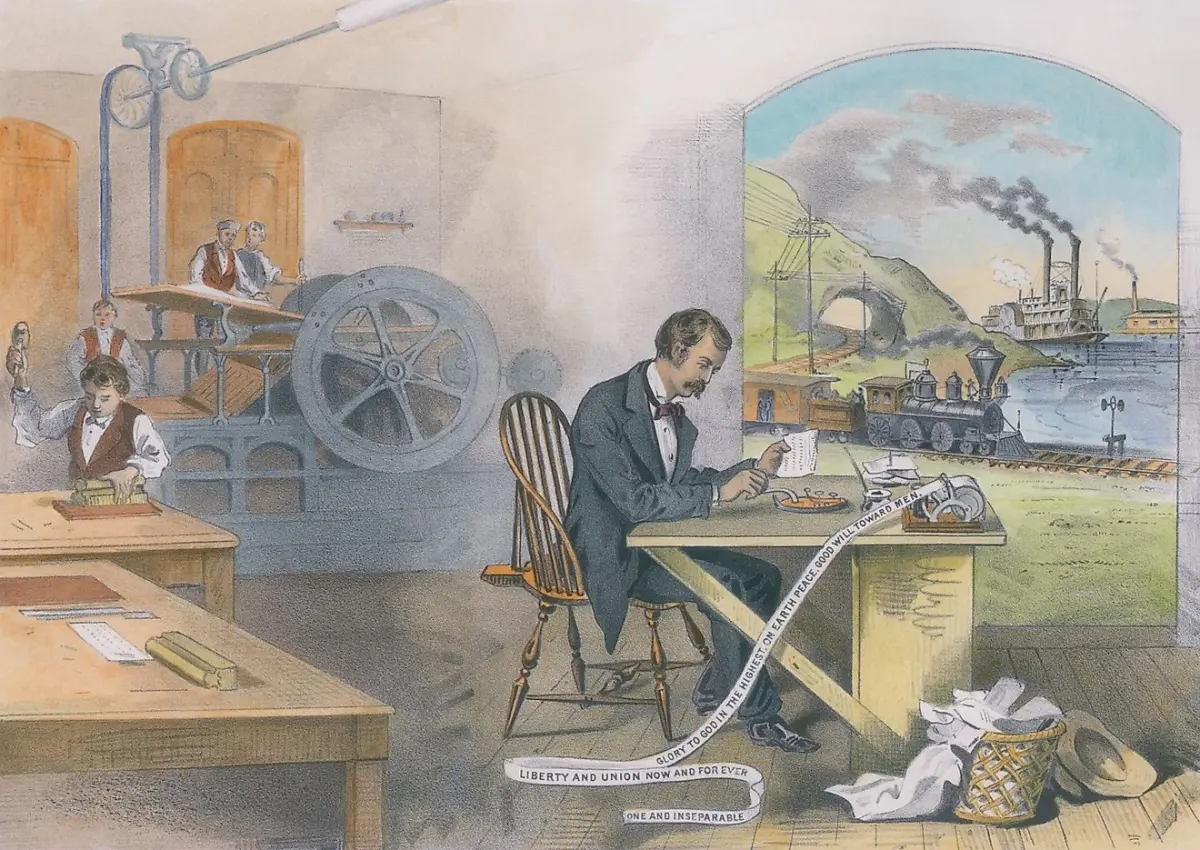
Technological innovation served as the primary engine for this change. Inventors sought ways to increase efficiency and lower the costs of production. Key advancements included:
- The Spinning Jenny, which automated the process of spinning thread.
- The Watt Steam Engine, which provided a reliable, portable power source.
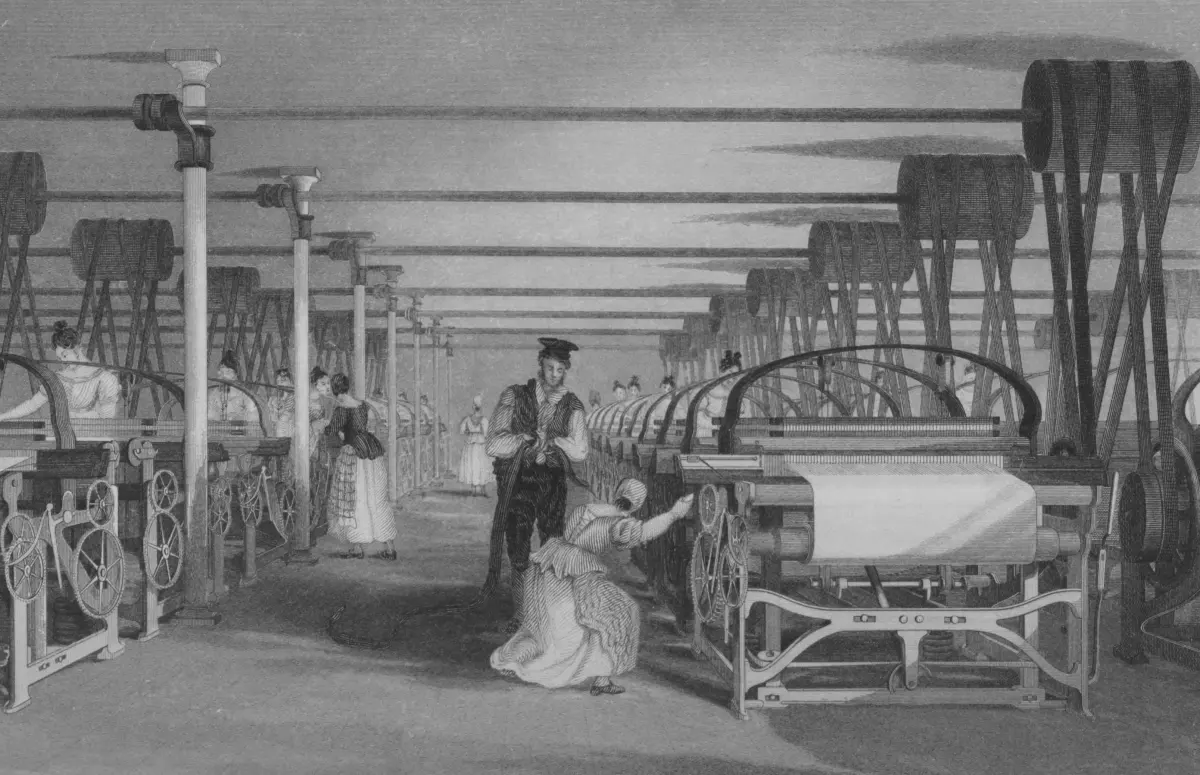
- The Power Loom, which revolutionized the speed of textile manufacturing.
- The Puddling Process, which allowed for the mass production of high-quality iron.
These inventions created a feedback loop. As machines made production faster, the demand for raw materials like cotton and coal grew, prompting further innovation in transport and mining.
How did the Industrial Revolution change society?
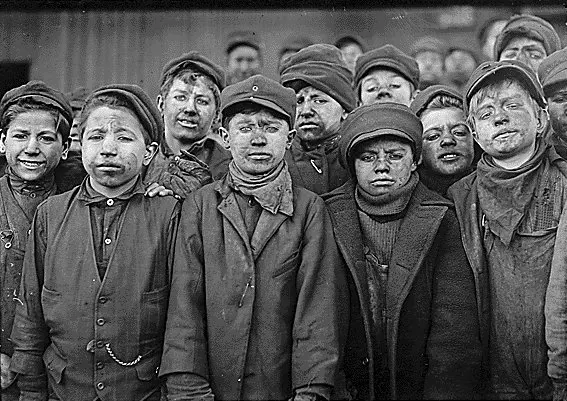
The shift from rural life to urban factory work profoundly altered the structure of human existence. Cities grew at unprecedented rates, leading to rapid urbanization that often outpaced infrastructure development. Families moved from small cottages to crowded tenement housing, and the nature of work changed from seasonal, task-oriented labor to rigid, clock-regulated shifts.
This era also redefined social classes. A new middle class of factory owners, bankers, and merchants emerged, challenging the traditional dominance of the landed aristocracy. Simultaneously, the working class faced harsh conditions, including long hours, dangerous machinery, and child labor. These struggles eventually led to the rise of labor unions and legislative reforms. The following societal shifts were most significant:
- Increased life expectancy due to better food supply and eventual medical advancements.
- The rise of a consumer culture where goods became affordable to common people.
- Expanded access to education as industrial jobs required basic literacy and technical skills.
- The development of modern infrastructure like canals and railroads.
Common mistakes when studying the Industrial Revolution
A frequent error is assuming that the Industrial Revolution was a singular, uniform event that affected all regions simultaneously. In reality, industrialization was highly localized and uneven. Some regions embraced steam power early, while others relied on water power or continued traditional methods for decades after the initial innovations appeared.
Another common mistake is viewing the period solely through the lens of economic growth while ignoring the environmental and human costs. While the revolution created immense wealth, it also resulted in severe pollution, deforestation, and the exploitation of labor. Experts advise that you should:
- Avoid treating the "factory system" as a single, static model; it evolved significantly over time.
- Recognize that the transition period involved immense social friction, not just technological progress.
- Distinguish between the "First" and "Second" revolutions, as the technologies and industries involved were fundamentally different.
- Consider the global context, including how colonial resources fueled the growth of European industrial centers.
How to research the Industrial Revolution effectively
To gain a practical understanding of this era, you should focus on primary sources and regional case studies rather than broad generalizations. Start by looking at contemporary accounts from factory workers, government reports on child labor, and the patent records of famous inventors. These documents provide a grounded perspective on the daily reality of the era.
When conducting your research, follow these steps to ensure accuracy:
- Select a specific industry, such as coal mining or textile production, to track technological changes.
- Compare the industrialization of Britain with a different country, such as the United States or Japan, to see how local conditions influenced development.
- Examine the impact of transportation, specifically the railroad, on the speed of industrial growth.
- Analyze the legislative responses, such as the Factory Acts, to understand how governments attempted to regulate the new industrial economy.
By focusing on these specific areas, you can avoid the common trap of oversimplification and develop a nuanced understanding of how industrialization reshaped the modern world.
Key facts
- The Industrial Revolution began in Great Britain around 1760 and spread globally over the next century.
- James Watt’s refinement of the steam engine in 1776 provided the reliable power source needed to drive factory machinery.
- The transition from hand production methods to machines fundamentally shifted economies from agrarian systems to industrial manufacturing.
- The textile industry was the first to undergo mechanization, utilizing inventions like the spinning jenny and the power loom.
- Rapid urbanization occurred as millions of people moved from rural farms to growing industrial cities to find employment.
- When studying this era, avoid the mistake of viewing it as a single event; it was a complex, multi-generational process of technological and social change.
The bottom line
The Industrial Revolution transformed human society by replacing manual labor with machine-based manufacturing. Driven by steam power and technological innovation, it sparked unprecedented economic growth, urbanization, and global connectivity. While it significantly improved the standard of living through mass production, it also created enduring social challenges and environmental impacts. Understanding this era is essential for grasping the foundations of our modern, technology-driven global economy today.
People also ask
What was the primary fuel source during the Industrial Revolution?
Coal was the essential fuel source that powered steam engines, locomotives, and blast furnaces. Its abundance in Britain allowed for the mass production of iron and steel, which were necessary for building modern infrastructure.
How did the Industrial Revolution change daily life for the average worker?
Workers transitioned from seasonal, task-oriented farm labor to rigid, clock-regulated factory shifts. While this led to increased production of affordable consumer goods, it also introduced dangerous working conditions and crowded, unsanitary living environments in cities.
What role did the steam engine play in transportation?
Steam power revolutionized transport by enabling the development of locomotives and steamships. These inventions drastically reduced the time and cost required to move raw materials and finished goods across long distances.
Did the Industrial Revolution happen everywhere at the same time?
No, industrialization was a staggered process that began in Britain and moved to Western Europe and the United States in the early 19th century. Other regions, such as Russia and Japan, did not experience significant industrial growth until the late 1800s.
What were the long-term environmental consequences of this period?
The reliance on fossil fuels initiated large-scale carbon emissions and industrial pollution. This period marked the beginning of human-driven environmental changes, including the degradation of air and water quality in urban centers.
How did the revolution affect global trade?
Industrialization fostered a global economy by creating a massive demand for raw materials like cotton, rubber, and minerals. This led to increased international trade networks but also accelerated colonial expansion as nations sought to secure these resources.
This answer was created with the help of AI research tools and reference sources. Spotted an error? Let us know — we correct mistakes quickly. See our editorial policy.