What is Jean-Honoré Fragonard known for?
Short answer
Jean-Honoré Fragonard was a prominent French Rococo painter celebrated for his fluid brushwork, hedonistic subject matter, and masterful use of light. Active during the mid-to-late 18th century, he is most famous for works like The Swing, which epitomize the playful, aristocratic indulgence of the Ancien Régime before the French Revolution.
On this page
What defined Fragonard’s artistic style?
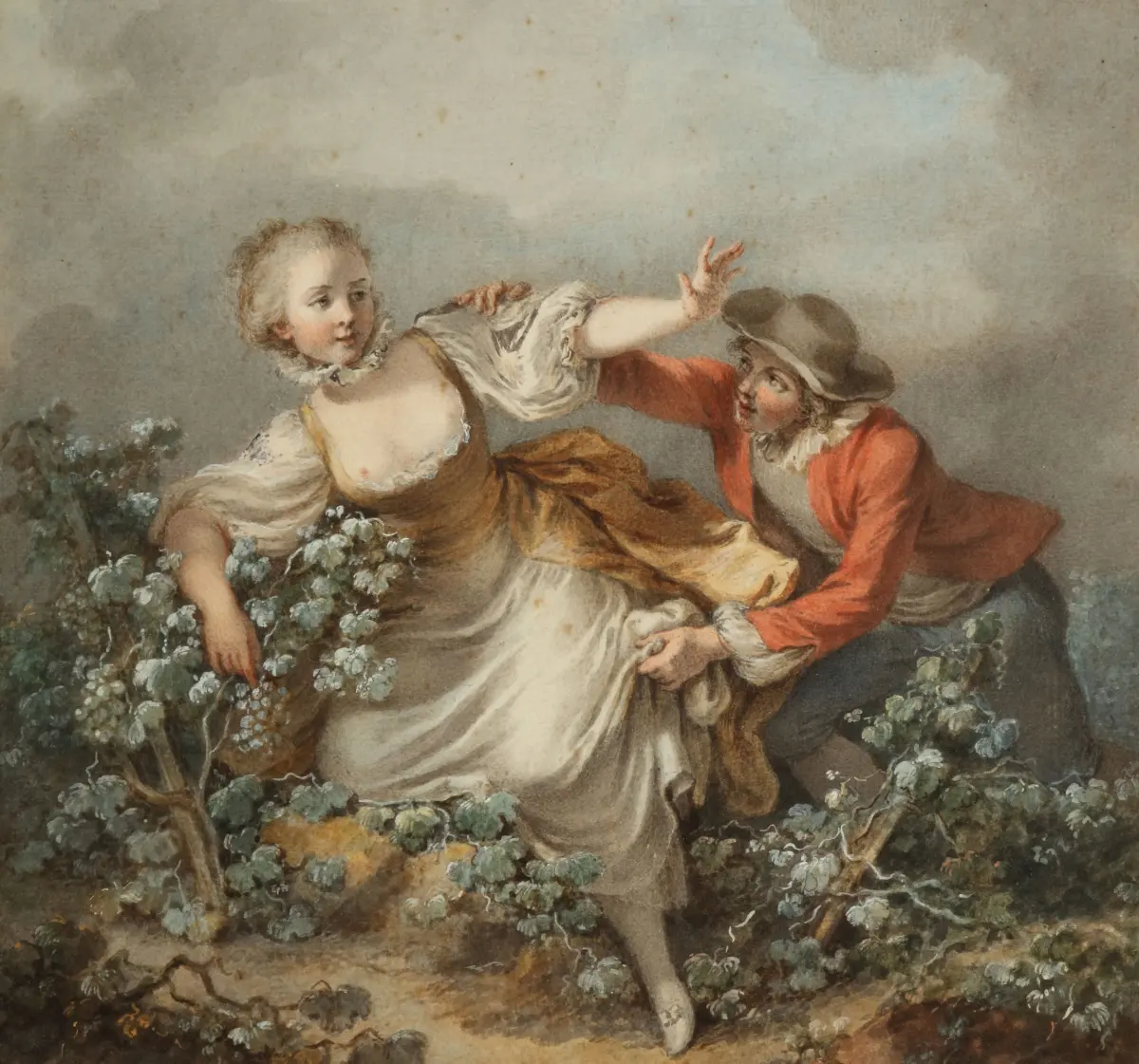
Fragonard’s style is the quintessential expression of the Rococo period, characterized by soft color palettes, asymmetrical compositions, and a sense of lighthearted movement. Unlike the rigid, moralizing Neoclassical art that would eventually supersede his work, Fragonard focused on themes of love, leisure, and youthful innocence. He was a student of François Boucher, from whom he inherited a preference for sensuous forms and decorative elegance.
His technique was remarkably rapid and spontaneous, often described as "virtuoso" for its bravura brushwork. He frequently used a palette of pastel pinks, blues, and creams, applying paint with a loose, energetic touch that made his canvases appear vibrant and alive. This approach allowed him to capture fleeting moments of emotion or physical action with a grace that few of his contemporaries could replicate. His work remains a primary reference point for understanding the aesthetic priorities of the French elite during the 1700s.
Why is The Swing his most famous painting?
The Swing, painted around 1767, serves as the ultimate icon of Rococo art. It depicts a young woman on a swing being pushed by an elderly bishop, while her secret lover hides in the bushes below to catch a glimpse of her undergarments. The painting is celebrated for its technical brilliance, particularly in the way Fragonard rendered the lush, overgrown garden and the shimmering silk of the woman’s dress.
Beyond its technical skill, the painting is famous for its suggestive narrative and playful subversion of social norms. It captures the spirit of the French aristocracy’s pursuit of pleasure and romantic intrigue. The composition is carefully balanced by the arc of the swing and the surrounding foliage, drawing the viewer’s eye through a scene of calculated spontaneity. Its enduring popularity stems from its ability to balance lighthearted eroticism with sophisticated artistic composition.
How to appreciate Rococo art in museums
To truly understand Fragonard’s contribution, one must look beyond the surface of his paintings to the context of the era. Rococo art was intended to decorate the intimate, private spaces of the wealthy, rather than the grand, public halls of the church or state. When viewing his works in a museum, consider the following steps to gain a deeper appreciation:
- Observe the brushwork from a distance to see the overall composition, then move closer to examine the individual, rapid strokes.
- Look for the "hidden" narratives in his genre scenes, such as the subtle glances between characters or the placement of symbolic objects like flowers or letters.
- Compare his light usage with the darker, more dramatic shadows found in the Baroque style that preceded his work.
- Note the influence of the theater, as many of his paintings utilize stage-like settings to frame the central action.
Common mistakes when analyzing Fragonard’s work
A frequent error is assuming that Fragonard’s lighthearted subjects imply a lack of serious artistic intent. While his scenes often appear frivolous, they were the result of rigorous academic training and a deep knowledge of Old Master techniques. Dismissing his work as merely "decorative" ignores the immense skill required to achieve such effortless-looking compositions. Another mistake is viewing his work through modern moral lenses, which can obscure the specific social and cultural values of 18th-century France.
It is also a mistake to assume that Fragonard only painted lighthearted subjects. In his later years, he produced more somber works, including family portraits and religious scenes, which demonstrate a different, more introspective side of his talent. By focusing exclusively on his famous erotic or playful paintings, one misses the breadth of his career. Understanding the full scope of his output, including his drawings and etchings, provides a much more accurate picture of his artistic evolution and his response to the changing political climate in France.
What was his legacy after the French Revolution?
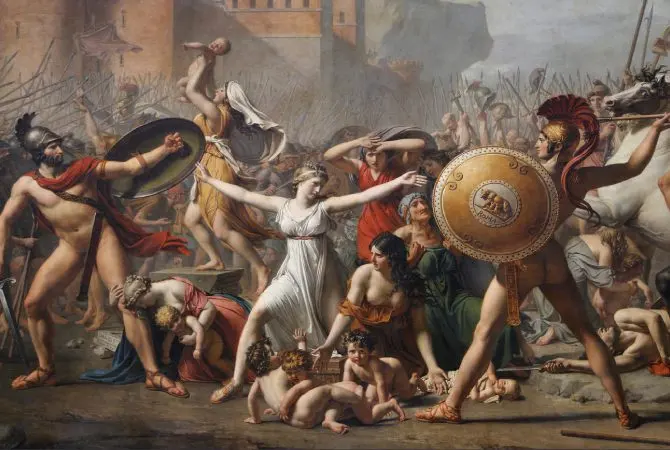
Fragonard’s career suffered significantly as the French Revolution approached and the tastes of the public shifted toward the stern, patriotic values of Neoclassicism. As the aristocracy lost its power, the demand for the playful, indulgent art that Fragonard specialized in vanished. He spent his final years in relative obscurity, struggling to adapt to the new artistic order that favored the structured, heroic style of artists like Jacques-Louis David.
Despite his decline in popularity during his lifetime, his reputation was revived in the 19th century by art historians and collectors who recognized his technical mastery. Today, he is studied not just as a painter of the aristocracy, but as a transitional figure who bridged the gap between the decorative traditions of the past and the more expressive, personal styles that would emerge in later centuries. His ability to capture the fleeting nature of human emotion ensures his place as one of the most significant painters in the history of Western art.
Key facts
- Jean-Honoré Fragonard (1732–1806) was a prolific French painter and printmaker of the Rococo movement.
- He is best known for his hedonistic and playful scenes, most notably The Swing (c. 1767).
- His technique is characterized by rapid, fluid brushstrokes and a vibrant, light-filled color palette.
- He studied under the masters François Boucher and Jean-Baptiste-Siméon Chardin.
- His career declined during the French Revolution as tastes shifted toward the rigid structure of Neoclassicism.
- When viewing his work, look for the "fête galante" style, which depicts the aristocracy in idealized outdoor settings.
The bottom line
Jean-Honoré Fragonard remains the definitive master of the French Rococo style, celebrated for his ability to capture fleeting moments of joy and erotic tension. His work serves as a visual record of the pre-revolutionary French aristocracy’s pursuit of pleasure. By mastering fluid, spontaneous brushwork, he created an enduring legacy of light and movement that continues to define the artistic spirit of the 18th-century Enlightenment era.
People also ask
Why did Fragonard’s popularity decline toward the end of his life?
His emphasis on lightness and pleasure fell out of favor as the French Revolution approached. The public began to prefer the moralizing, austere themes of the Neoclassical movement led by Jacques-Louis David.
What is the significance of the painting The Swing?
This work is considered the quintessential example of Rococo art. It captures a moment of flirtatious intrigue, featuring a young woman kicking off her shoe while her lover watches from the bushes.
Did Fragonard paint anything other than romantic scenes?
Yes, he produced religious, historical, and landscape paintings throughout his career. However, his reputation remains most firmly tied to his lighthearted genre scenes of courtly love.
How can I distinguish a Fragonard painting from his contemporaries?
Look for his signature "virtuoso" brushwork, which appears energetic and spontaneous. Unlike the precise finishes of the Neoclassical era, his work feels loose, atmospheric, and highly expressive.
Where are most of Fragonard's works housed today?
Many of his masterpieces are held in major institutions like the Louvre in Paris and the Wallace Collection in London. Several large decorative panels are also located at the Frick Collection in New York.
What was the primary subject matter of the Rococo movement?
Rococo art focused on themes of romance, playfulness, and aristocratic leisure. It favored pastel colors, asymmetrical designs, and intricate, decorative details meant to delight the viewer.
This answer was created with the help of AI research tools and reference sources. Spotted an error? Let us know — we correct mistakes quickly. See our editorial policy.