What is the avant-garde?
Short answer
The avant-garde refers to artists, writers, and thinkers who push the boundaries of established cultural norms through experimental, radical, or non-traditional methods. Emerging in the 19th century, these movements prioritize innovation over convention, often challenging the status quo to provoke social change or redefine the fundamental purpose of artistic expression itself.
On this page
What is the history of the avant-garde?
The term originates from the French military, meaning "advance guard" or the vanguard of an army. In the 1820s, thinkers like Henri de Saint-Simon began applying it to artists, arguing that they should lead social progress through their creative output. By the late 19th century, the term became associated with movements that rejected the rigid standards of the French Academy and commercial art markets.
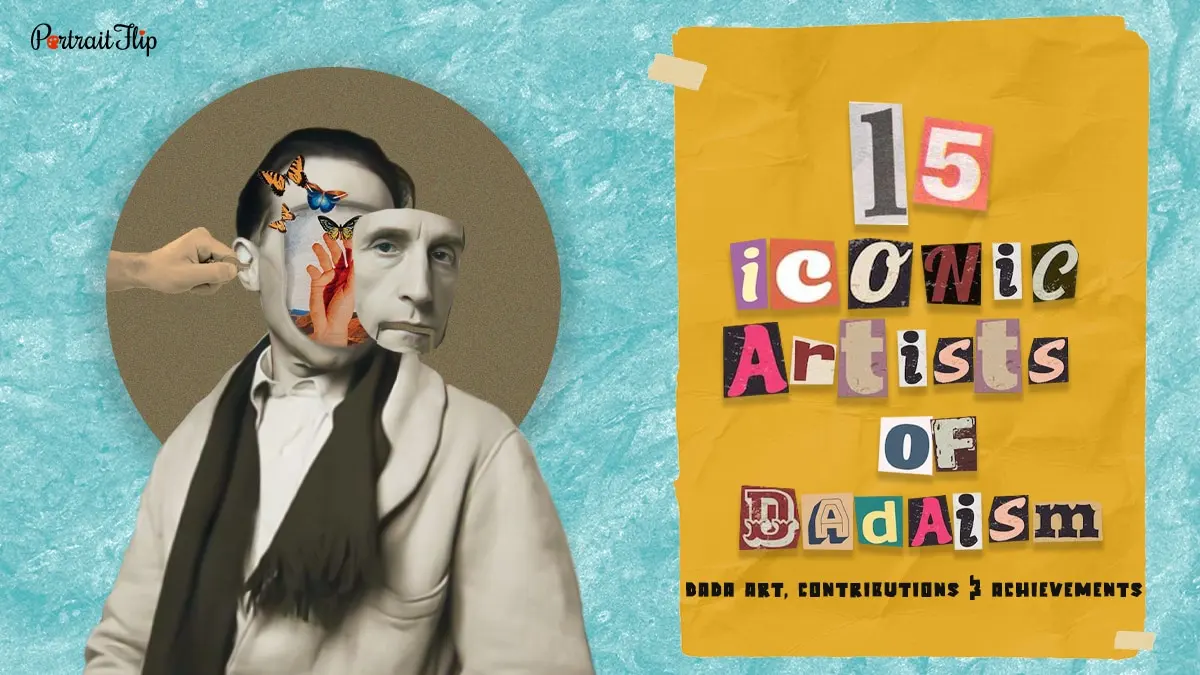
The concept reached its peak intensity during the early 20th century. Major movements such as Dadaism, Surrealism, and Futurism sought to dismantle existing social and aesthetic structures following the trauma of World War I. These groups believed that traditional art had failed to prevent global catastrophe and that a radical break from the past was necessary to build a new, authentic culture.
How do avant-garde movements influence modern culture?
Avant-garde movements act as a laboratory for cultural evolution. By experimenting with form, medium, and subject matter, these artists introduce concepts that eventually permeate mainstream media, design, and advertising. For instance, the fragmented perspectives of Cubism and the dreamlike imagery of Surrealism fundamentally altered how filmmakers and graphic designers approach visual storytelling today.
The influence of these movements is evident in several key areas of contemporary life:
- Fashion: Designers frequently borrow deconstructive techniques from avant-garde theater to create runway pieces that challenge gender norms and silhouettes.
- Music: Experimental soundscapes and non-linear compositions developed by avant-garde composers have become staples in modern electronic music and film scoring.
- Advertising: The use of shock value, irony, and abstract symbolism in modern marketing campaigns traces its roots directly to the Dadaist rejection of traditional logic.
Which movements define the avant-garde?
Defining the avant-garde requires looking at specific historical ruptures. While the term is broad, several key movements are universally recognized for their commitment to radical experimentation. These groups often published manifestos to clearly outline their rejection of the past and their vision for a new future.
The most significant movements include:
- Futurism: Focused on speed, technology, and the violence of the industrial age.
- Dadaism: An anti-art movement that used absurdity and nonsense to protest the horrors of war.
- Surrealism: Aimed to unlock the unconscious mind through dream imagery and irrational juxtapositions.
- Constructivism: Emphasized art as a tool for social engineering and utilitarian design.
- Fluxus: A 1960s movement that blurred the lines between music, performance, and everyday life.
How to appreciate avant-garde art?
Engaging with avant-garde work requires a shift in perspective. Instead of asking if a piece is "beautiful" or "skillful" by traditional standards, focus on the artist's intent and the cultural context of the work. Ask yourself what social or aesthetic rule the artist is trying to break and why that rule might be restrictive.
To better understand these challenging works, try the following approach:
- Research the manifesto: Most avant-garde groups wrote manifestos explaining their goals; reading these provides essential context.
- Analyze the medium: Consider why the artist chose a specific, unusual material or format to convey their message.
- Observe the reaction: Note how the work makes you feel, as avant-garde art is designed to provoke an emotional or intellectual response rather than passive consumption.
Common mistakes when interpreting the avant-garde
A frequent error is dismissing avant-garde art as "meaningless" or "low effort" simply because it lacks traditional technical polish. Many artists deliberately chose to ignore conventional skills to emphasize the conceptual weight of their work. Assuming that art must follow representational rules limits your ability to engage with the creative intent behind the piece.
Another common mistake is viewing these movements in isolation. Avant-garde art is almost always a reaction to the political or social climate of its time. If you ignore the historical backdrop—such as the rise of fascism, the industrial revolution, or the aftermath of global conflict—you will likely miss the core message. Always look for the tension between the work and the society that produced it to gain a complete understanding of its purpose.
Key facts
- The term "avant-garde" is French for "advance guard" or "vanguard," originally referring to the scouts of an army.
- In art, it describes movements that push boundaries, reject traditional aesthetics, and challenge the status quo of their time.
- The concept gained prominence in the 19th century with figures like Gustave Courbet, who sought to break from academic painting standards.
- Major avant-garde movements include Dadaism, Surrealism, Futurism, and Constructivism, each seeking to redefine the purpose of art.
- To engage with avant-garde work, prioritize the artist’s intent and the historical context over traditional ideas of technical skill or beauty.
- A common mistake is dismissing avant-garde art as "not real art" simply because it lacks realism or conventional harmony.
The bottom line
The avant-garde represents the cutting edge of cultural innovation, where artists deliberately break from tradition to challenge societal norms. By prioritizing radical ideas over conventional beauty, these movements force us to rethink the role of art in our lives. Engaging with the avant-garde requires an open mind and a willingness to embrace discomfort, ultimately rewarding the viewer with a deeper understanding of human creativity and expression.
People also ask
Is avant-garde art always abstract?
No, avant-garde art is defined by its radical approach to ideas rather than its visual style. While many movements like Cubism used abstraction, others like Dada used found objects or performance to challenge social norms.
Why is avant-garde art often considered difficult to understand?
It is frequently designed to provoke, confuse, or disrupt the viewer's expectations rather than provide a comfortable aesthetic experience. The difficulty is intentional, forcing the audience to question their own assumptions about culture and society.
Did the avant-garde end after World War II?
While the term is most closely linked to the early 20th century, the spirit of the avant-garde continues in contemporary experimental art. Movements like Fluxus or Minimalism carried these radical traditions into the late 20th century.
Can avant-garde art be commercial?
Historically, avant-garde movements were often anti-commercial and sought to exist outside of mainstream galleries. However, many avant-garde styles have been absorbed into mainstream design and advertising over time.
What is the difference between modernism and the avant-garde?
Modernism is a broad cultural movement focused on new forms of expression, while the avant-garde is a specific subset focused on social and political disruption. The avant-garde is often seen as the most radical edge of modernism.
How can I start appreciating avant-garde works?
Start by researching the political or social climate during the time the piece was created. Understanding the status quo the artist was fighting against provides the necessary context to appreciate their specific act of rebellion.
This answer was created with the help of AI research tools and reference sources. Spotted an error? Let us know — we correct mistakes quickly. See our editorial policy.