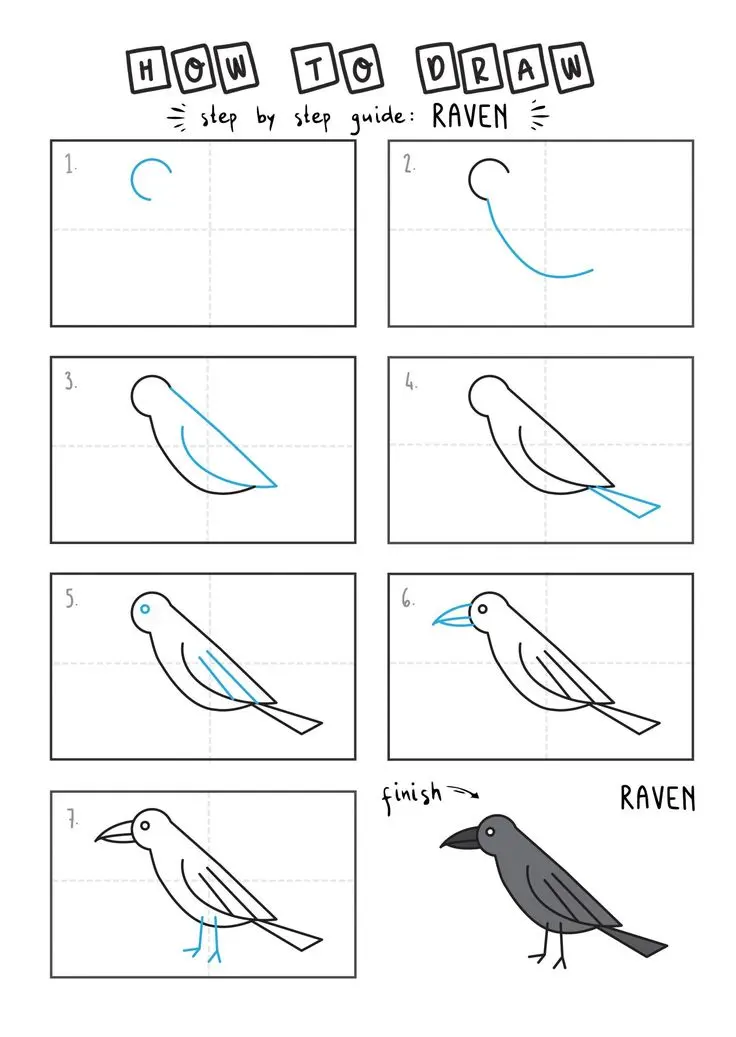
Where do ravens live?
Short answer
Common ravens inhabit a vast range across the Northern Hemisphere, spanning North America, Europe, Asia, and North Africa. They thrive in diverse environments, including arctic tundra, high mountain ranges, dense forests, coastal cliffs, and arid deserts. These highly adaptable birds also frequently inhabit suburban areas and rural landscapes near human settlements.
On this page
Where do ravens live in the wild?
The common raven (Corvus corax) possesses one of the largest natural distributions of any bird species in the world. Their range encompasses nearly all of North America, stretching from the frozen reaches of the Arctic Circle down to the deserts of the southwestern United States and the mountains of Central America. In the Old World, they are found throughout Europe, across the vast expanse of Russia, and deep into the Himalayas and North Africa.
Their success in such varied climates is due to their extreme behavioral flexibility. Unlike many birds that require specific nesting materials or prey, ravens are generalists. They inhabit high-altitude alpine zones where few other birds survive, as well as temperate rainforests and open plains. Their ability to regulate body temperature and forage for a wide variety of food sources allows them to maintain stable populations in these disparate biomes.
How to identify raven habitats
When searching for ravens in the wild, look for areas that provide both high vantage points and access to open foraging grounds. Ravens are territorial and prefer landscapes where they can survey their surroundings for potential food or intruders. They are frequently spotted in the following types of terrain:
- Rocky cliffs and mountain crags, which provide safe, elevated nesting sites.
- Coastal shorelines, where they scavenge for marine life washed up by the tide.
- Mature forest edges that allow for easy flight paths between dense trees and open meadows.
- Arid desert scrublands where they utilize cacti or rocky outcrops for shelter.
These birds are rarely found in the middle of dense, unbroken canopy forests, as they require open space to maneuver. If you are exploring, focus your attention on the transition zones between two different types of environments, known as ecotones, where food diversity is typically highest.
Why do ravens live near humans?
Ravens have increasingly moved into human-dominated landscapes because these areas provide reliable, year-round food sources. Urban and suburban environments offer access to landfills, agricultural waste, and human refuse, which act as a buffer against seasonal food shortages. By nesting on man-made structures like cell towers, bridges, and buildings, ravens gain protection from ground predators while maintaining a perfect view of the surrounding activity.
This proximity to humans has led to a complex relationship. While some view them as pests due to their scavenging habits, others appreciate their intelligence and presence. However, this habitat choice comes with risks, including exposure to toxins and vehicle collisions. Despite these dangers, the raven’s cognitive ability to solve problems and recognize individual humans allows them to navigate the complexities of urban life far more effectively than most other avian species.
Common mistakes when looking for ravens
Many birdwatchers confuse ravens with their smaller relative, the American crow. To avoid misidentification, pay close attention to the bird's size and behavior in its habitat. A common mistake is assuming that any large black bird seen in an urban park is a raven, when it is more likely a crow. You should look for these specific indicators:
- Size: Ravens are significantly larger, often comparable to a red-tailed hawk.
- Flight pattern: Ravens perform acrobatic maneuvers and soaring, whereas crows typically flap more steadily.
- Call: Ravens produce a deep, guttural croak rather than the familiar "caw" of a crow.
- Tail shape: In flight, a raven’s tail appears wedge-shaped, while a crow’s tail is fan-shaped.
Another error is searching for ravens in the wrong season. While they are non-migratory and stay in their territories year-round, they are much quieter and more secretive during the nesting season in late winter and early spring.
What is the best way to spot a raven?
To successfully observe ravens, you should prioritize visiting locations during the early morning hours when they are most active. Because they are intelligent and wary, keep a respectful distance to avoid disrupting their natural behavior. Using binoculars is essential, as ravens are cautious and will often fly away if they detect a human presence within 50 to 100 feet.
If you are in a remote area, look for "raven sign" such as large, bulky stick nests built on cliff ledges or high in coniferous trees. You can also listen for their distinct vocalizations, which include a wide repertoire of clicks, knocks, and whistles. By understanding that ravens are highly observant creatures, you can position yourself in a concealed spot and wait patiently. They are naturally curious and may even approach if they perceive you as a non-threatening part of the landscape, allowing for a rewarding observation of their complex social interactions.
Key facts
- The common raven (Corvus corax) has the largest range of any member of the crow family, spanning most of the Northern Hemisphere.
- These birds are highly adaptable, living in diverse environments ranging from Arctic tundra and high mountain peaks to deserts and coastal cliffs.
- Ravens are increasingly common in urban and suburban areas, where they scavenge for food near human settlements and landfills.
- They typically build large, sturdy nests made of sticks in high, inaccessible locations such as cliff ledges, tall trees, or electrical transmission towers.
- Although they are widely distributed, they generally avoid dense, unbroken tropical rainforests and vast, featureless grasslands.
- To attract ravens to your property, avoid using pesticides and provide water sources, but be aware they are opportunistic and may deter smaller songbirds.
The bottom line
The common raven is one of the most successful avian species due to its extraordinary habitat flexibility and intelligence. By occupying niches from frozen Arctic islands to arid desert basins, these birds demonstrate a unique ability to thrive alongside humans and in remote wilderness alike. Whether nesting on a skyscraper or a remote cliff, ravens remain masters of their environment, utilizing diverse landscapes to ensure their survival.
People also ask
Do ravens migrate during the winter?
Most raven populations are non-migratory and remain in their established territories year-round. They are well-adapted to cold climates and rely on their intelligence to locate food sources even in harsh winter conditions.
How large is a typical raven's territory?
A breeding pair of ravens may defend a territory ranging from 0.5 to 10 square miles depending on food availability. They are highly territorial and will aggressively chase away other ravens and potential predators.
Can ravens live in the desert?
Yes, ravens are remarkably successful in arid environments like the Mojave Desert. They have physiological adaptations that allow them to conserve water and survive extreme heat by panting and seeking shade.
Do ravens live in groups?
While breeding pairs are solitary, non-breeding juveniles often congregate in large communal roosts. These groups can contain dozens or even hundreds of birds, which helps them share information about food locations.
Are ravens found in cities?
Ravens have successfully adapted to urban life by utilizing human infrastructure for nesting and scavenging from human waste. They are frequently seen in cities across the American West and Europe, often perched on rooftops or communication towers.
How can I tell if a bird is a raven or a crow?
Ravens are significantly larger than crows, roughly the size of a red-tailed hawk. You can also identify them by their wedge-shaped tails in flight and their deep, croaking vocalizations compared to the crow's higher-pitched caw.
This answer was created with the help of AI research tools and reference sources. Spotted an error? Let us know — we correct mistakes quickly. See our editorial policy.