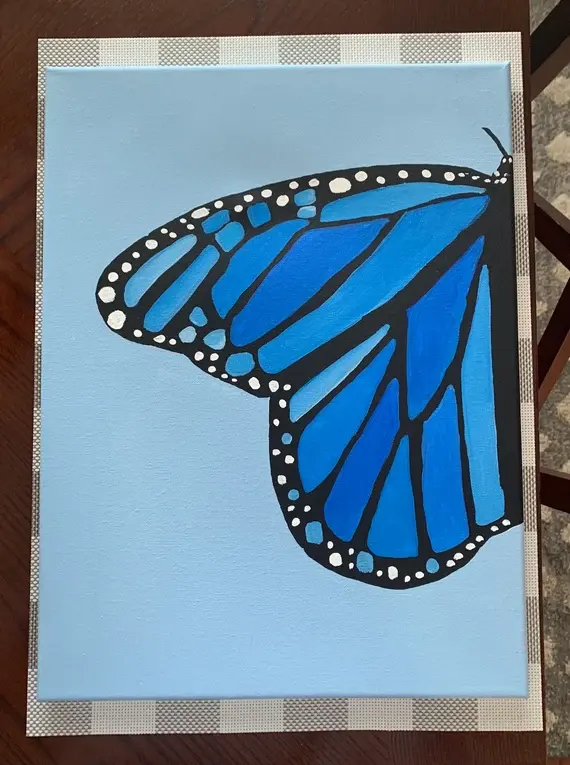
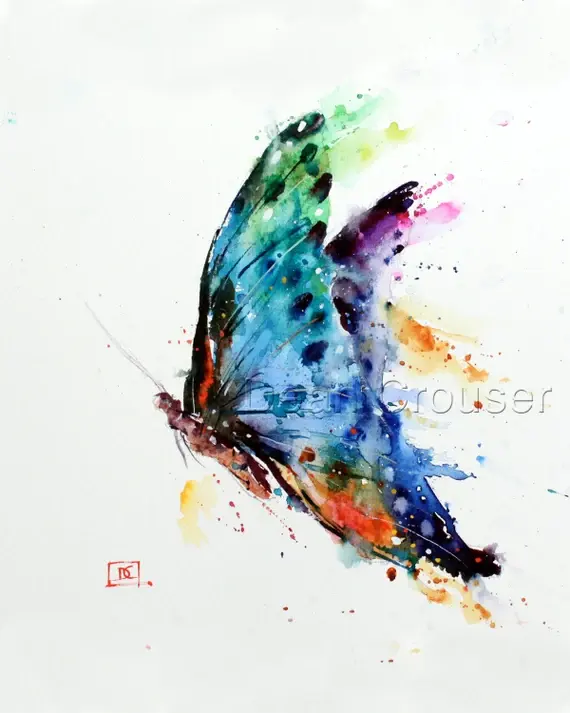
What does a butterfly symbolize in art?
Short answer
The butterfly is a near-universal symbol of transformation, the soul, and the fleeting nature of life. In art, its metamorphosis from a crawling caterpillar to a winged creature represents spiritual rebirth, resurrection, and the human transition from earthly existence to a higher, ethereal state of being across diverse global cultures.
On this page
What does the butterfly symbolize in art history?
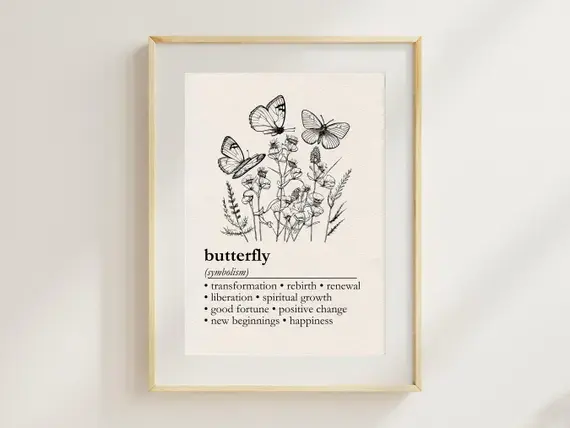
The butterfly serves as a profound metaphor for the human experience, primarily centered on the concept of metamorphosis. Because the insect undergoes a radical physical change within a chrysalis, artists have historically utilized it to represent the soul's journey. This imagery suggests that the physical body is merely a temporary vessel, while the spirit is capable of transcending its limitations through spiritual growth or enlightenment.
In classical antiquity, the Greek word for butterfly, psyche, is identical to the word for "soul." Ancient funerary art frequently depicts the butterfly escaping the mouth of a deceased person, symbolizing the departure of the soul to the afterlife. This tradition persisted into the Renaissance and beyond, where artists integrated butterflies into portraits and religious scenes to signify hope, divine grace, and the promise of resurrection following the death of the physical form.
How to identify butterfly symbolism in paintings
When viewing historical art, identifying a butterfly requires looking for specific placement and context. Artists often positioned these insects near figures associated with martyrdom or transition to emphasize the spiritual weight of the narrative. If you are analyzing a painting, consider these common symbolic associations:
- Resurrection: Often found in depictions of Christ or saints to denote life after death.
- Vanity: Included in memento mori still-life paintings to represent the brevity of human beauty.
- Purity: Sometimes used in depictions of the Virgin Mary to signify the soul's innocence.
- Transformation: Placed near children or figures undergoing significant life changes.
By observing where the artist placed the butterfly, you can determine if it refers to the soul’s ascension or the fragile, transient nature of physical beauty. Pay attention to whether the butterfly is shown in flight or at rest, as this often indicates whether the subject is currently in transition or has achieved a state of final peace.
Why do artists use butterflies in memento mori?
The memento mori genre, popular during the 17th-century Dutch Golden Age, relies heavily on symbols of decay and fleeting time. Artists included butterflies alongside rotting fruit, skulls, and extinguished candles to remind viewers of the inevitability of death. The butterfly acts as a contrast to these morbid elements, representing the ephemeral beauty of life that vanishes as quickly as a summer insect.
This juxtaposition creates a complex narrative about the human condition. While the skull reminds the viewer that death is certain, the butterfly suggests that life is a beautiful, albeit brief, phenomenon. This dual meaning encourages the viewer to appreciate the present moment while acknowledging the ultimate transition that awaits everyone. It transforms a dark reflection on mortality into a more nuanced meditation on the preciousness of existence and the potential for spiritual continuity.
Common mistakes when interpreting butterfly art
One frequent error is assuming that a butterfly always carries a positive, uplifting meaning. While it often represents the soul, its presence in certain contexts can be cautionary. For instance, in some secular works, a butterfly might simply represent the "fickleness" of human desire or the tendency for people to be distracted by superficial beauty rather than focusing on moral substance.
- Avoid assuming every butterfly is a religious symbol; check if the work is secular or mythological.
- Do not ignore the surrounding objects, as they provide the necessary context for the symbol.
- Be cautious of modern interpretations that may not align with the historical intent of the artist.
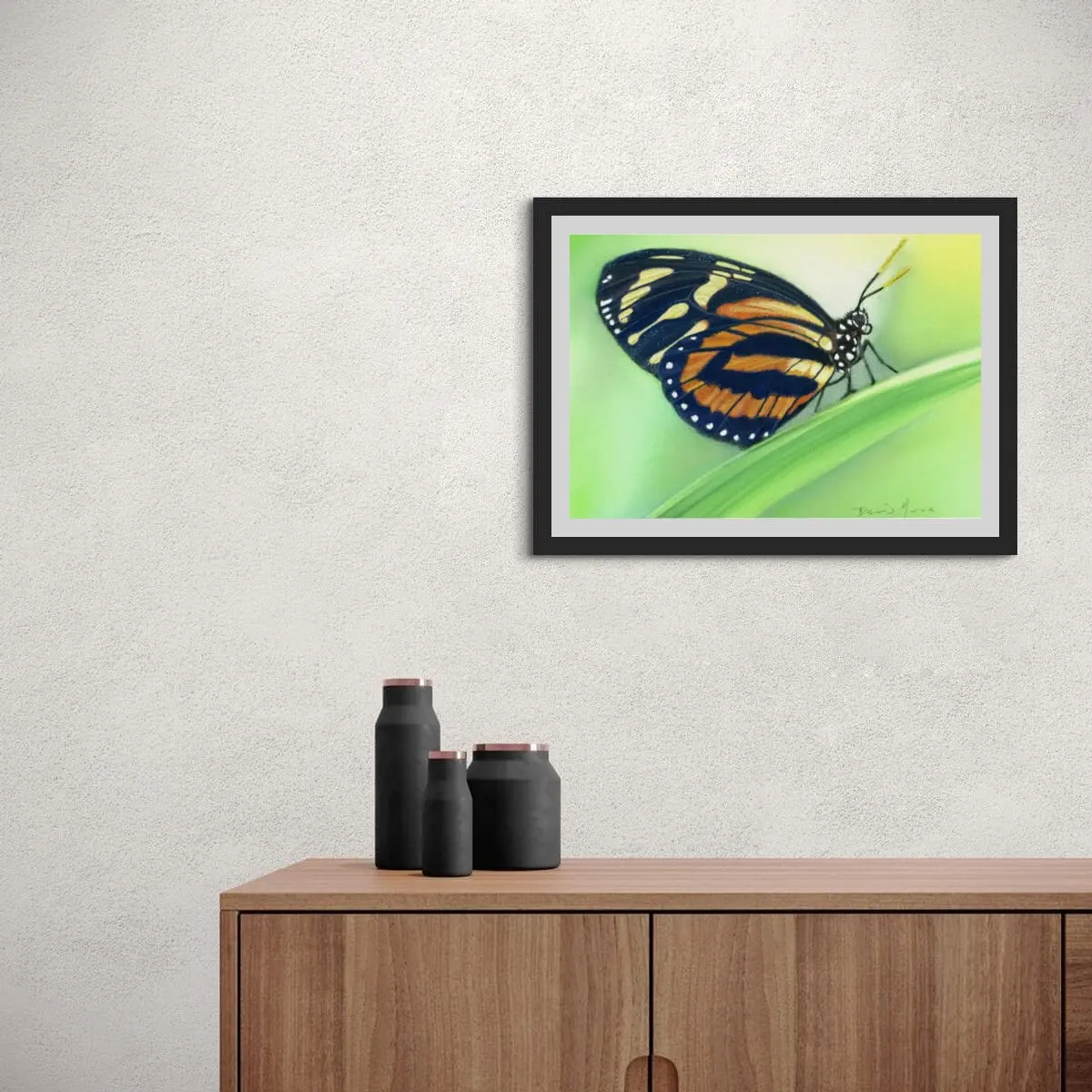
- Consider the specific species depicted, as some butterflies were historically associated with specific virtues or vices.
By avoiding these assumptions, you can gain a more accurate understanding of the artist's original message. Always look for the interaction between the butterfly and the primary subject to clarify whether it serves as a sign of hope or a warning about vanity.
How to appreciate butterfly motifs in modern art
Modern artists continue to use the butterfly to explore themes of identity, migration, and environmental fragility. Unlike historical works that focused almost exclusively on the soul, contemporary art often uses the butterfly as a political or ecological symbol. You might see butterflies used to represent the resilience of marginalized groups or the urgent need to protect biodiversity in a changing world.
To better appreciate these works, consider the following approach:
- Research the artist’s background to see if the butterfly relates to their personal heritage or cultural identity.
- Observe the medium; a fragile paper butterfly carries a different weight than a permanent bronze sculpture.
- Reflect on the scale; a massive, oversized butterfly can symbolize the overwhelming nature of change.
- Ask how the butterfly interacts with the environment of the gallery or the installation space itself.
By engaging with these works through a lens of both historical tradition and modern context, you can fully grasp the enduring power of this symbol. The butterfly remains one of the most versatile tools in the artist’s repertoire, bridging the gap between the ancient soul and the contemporary world.
Key facts
- In Greek mythology, the word psyche translates to both "butterfly" and "soul," establishing the insect as a primary symbol of the human spirit.
- During the Renaissance, artists often painted butterflies alongside the Christ child to represent the promise of resurrection and the afterlife.
- In vanitas still-life paintings of the 17th century, butterflies are placed near decaying fruit to contrast the brevity of life with the beauty of nature.
- Japanese art frequently uses the butterfly to symbolize the transition of a young woman into adulthood, often depicted in pairs to represent marital bliss.
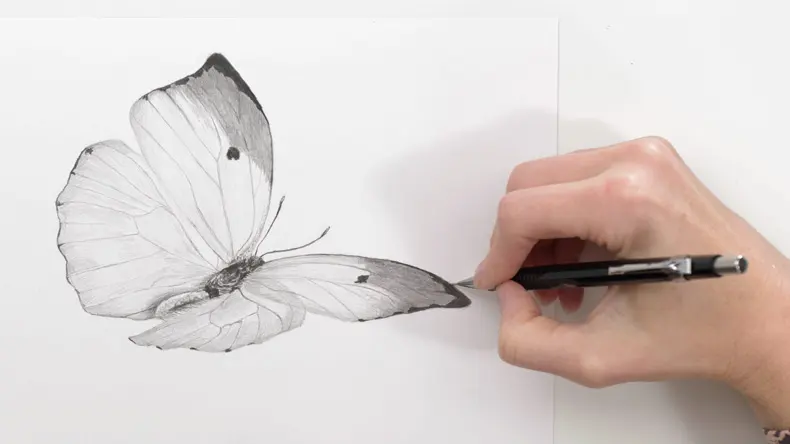
- When sketching butterflies for symbolic art, focus on bilateral symmetry, as this precision is essential for conveying the insect's natural perfection.
- Avoid using butterflies in art to represent longevity, as their short life cycle is universally understood to signify transience rather than endurance.
The bottom line
The butterfly remains one of art’s most versatile symbols, bridging the gap between physical beauty and metaphysical truth. Whether representing the soul’s liberation, the fragility of human existence, or the cyclical nature of transformation, it provides a powerful visual shorthand. By understanding these historical associations, artists can effectively use the butterfly to add layers of meaning and emotional resonance to their creative projects and compositions.
People also ask
Why are butterflies often paired with skulls in art?
This combination serves as a memento mori, a reminder that death is inevitable. The butterfly represents the fleeting nature of the soul, while the skull emphasizes the physical decay of the body.
Does the color of a butterfly change its meaning in a painting?
Yes, colors often carry specific cultural weight. White butterflies frequently symbolize purity or the presence of a departed loved one, while blue butterflies are often associated with luck or mystery.
How can I use a butterfly to symbolize transformation in my own work?
You can depict the butterfly alongside its chrysalis or caterpillar form to show a narrative of growth. This visual progression effectively communicates the concept of personal evolution or spiritual rebirth.
Are butterflies always positive symbols in art?
Not always, as their association with fragility can sometimes imply weakness or lack of substance. In some dark romantic literature and art, they represent the dangerous allure of ephemeral beauty.
Why do artists often depict butterflies as damaged or torn?
A damaged wing is a deliberate choice to highlight the vulnerability of life. It suggests that even the most beautiful existence is subject to the harshness of the environment and the passage of time.
How do I avoid making a butterfly symbol look like a generic decoration?
To ensure the butterfly carries symbolic weight, integrate it into the focal point of your composition. Avoid scattering them randomly across a canvas, as this diminishes their narrative power and makes them appear purely ornamental.
This answer was created with the help of AI research tools and reference sources. Spotted an error? Let us know — we correct mistakes quickly. See our editorial policy.