What colors go with purple?
Short answer
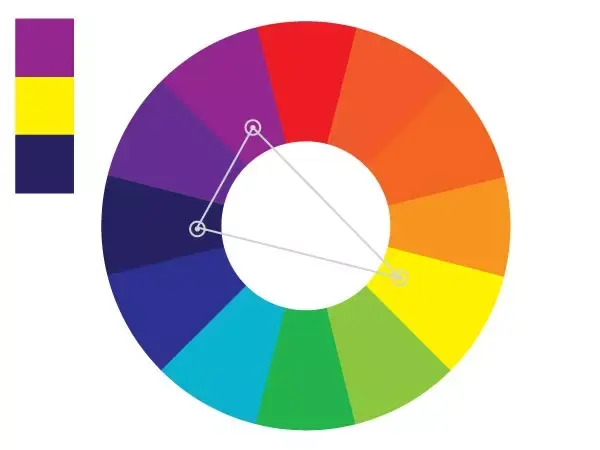
Purple pairs beautifully with neutrals like white, gray, and beige for a sophisticated look. For higher contrast, pair it with its complementary color, yellow, or shades of gold. Analogous colors like blue and pink also create harmonious palettes. The best choice depends on the specific shade of purple and your desired mood.
On this page
How to choose the right shade of purple
Purple is a complex color that spans from light, airy lavenders to deep, regal eggplants. Before selecting a secondary color, identify the undertones of your purple. Cool-toned purples, such as periwinkle or violet, lean toward blue, while warm-toned purples, like plum or magenta, contain more red. Understanding these undertones is the fundamental step in creating a balanced color scheme.
To determine the best pairing, consider the intensity of the color. Dark, saturated purples often require lighter or metallic accents to prevent the space or outfit from feeling too heavy. Conversely, pale purples benefit from being grounded by darker, richer tones. Use the following guide to help categorize your shade:
- Light purples: Pair with soft grays, whites, or muted greens.
- Mid-tone purples: Work well with mustard yellow, teal, or soft pinks.
- Deep purples: Complement perfectly with gold, cream, charcoal, or navy.
Best color combinations for interior design
In home decor, purple is often used as an accent to add luxury and depth. When designing a room, the 60-30-10 rule is a helpful framework: 60 percent of the room is a dominant color, 30 percent is a secondary color, and 10 percent is an accent. Purple can serve as the secondary color when paired with neutral walls, or as the bold accent against a monochromatic background.
For a classic and elegant living space, consider these reliable combinations:
- Purple and metallic gold: This pairing creates an immediate sense of opulence and high-end style.
- Purple and sage green: This is a natural, organic combination inspired by floral gardens.
- Purple and crisp white: This provides a clean, modern aesthetic that prevents the purple from overwhelming the room.
- Purple and charcoal: This creates a moody, sophisticated atmosphere ideal for bedrooms or formal dining areas.
How to style purple in fashion
Styling purple in clothing requires an understanding of color theory to ensure the outfit remains cohesive. If you are new to wearing purple, start with accessories like scarves, handbags, or shoes. These smaller items allow you to experiment with bold shades like royal purple or orchid without committing to a full garment. Once comfortable, you can integrate larger pieces like blazers or trousers.
When building an outfit, consider the contrast level you wish to achieve. A monochromatic approach—wearing different shades of purple together—is a bold fashion statement that is currently very popular. Alternatively, for a more traditional look, pair a purple top with neutral bottoms such as beige trousers or black denim. Avoid wearing too many bright, clashing patterns alongside purple, as the color itself is already a significant focal point that can easily become visually chaotic if over-accessorized.
Why color temperature matters in design
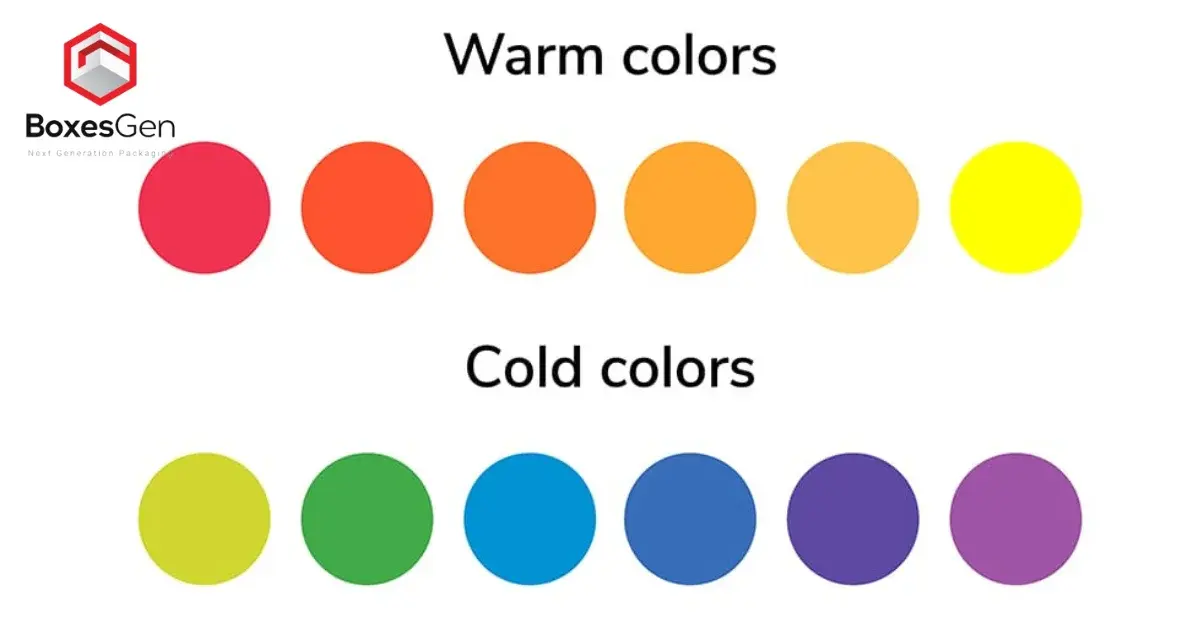
The concept of color temperature is essential when working with purple because it dictates how the human eye perceives the space. Cool purples, which sit closer to blue on the color wheel, can make a room feel larger and more serene. Warm purples, which lean toward red, bring a sense of intimacy and energy to an environment. Mixing temperatures can sometimes create tension, but it can also be used intentionally to create a vibrant, eclectic look.
If you are unsure where to start, follow these steps to test your color palette:
- Collect physical swatches of your purple and potential secondary colors.
- Place them together in the lighting where they will actually be used.
- Observe how the colors interact at different times of the day, as natural light significantly alters the appearance of purple.
- Remove any color that makes the purple appear muddy or dull under specific lighting conditions.
Common mistakes when pairing colors with purple
One of the most frequent errors is using too many bright colors alongside a vibrant purple. Because purple is a secondary color created by mixing red and blue, it is already quite powerful. Adding other intense colors like bright orange or neon green can create a jarring effect that is hard for the eye to process. Stick to one or two primary accent colors to maintain visual harmony.
Another common mistake is ignoring the finish of the materials. A matte purple fabric will interact differently with a shiny metallic gold than a glossy purple surface would. Always consider the texture of your materials, as texture can soften or intensify the way two colors interact. Furthermore, avoid using too many shades of purple in one space; aim for a maximum of two or three distinct tones to keep the look intentional rather than accidental. By keeping the background neutral, you ensure that your chosen purple remains the star of the composition.
Key facts
- Complementary colors, which sit opposite purple on the color wheel, are shades of yellow and gold.
- Analogous color schemes use neighbors like blue and red to create a harmonious, softer visual transition.
- Neutral tones such as gray, white, and cream prevent purple from overwhelming a space or outfit.
- Metallic accents like silver or champagne add a sophisticated, high-contrast finish to deep violet hues.
- Using different shades of the same color, known as monochromatic layering, adds depth without clashing.
- Avoid pairing purple with too many bright, saturated colors at once, as this often creates a chaotic, unrefined appearance.
The bottom line
Choosing colors to pair with purple depends on the intensity of the hue and the desired mood. By utilizing the color wheel, you can achieve balance through complementary yellows or harmonious analogous blues and reds. Incorporating neutrals like white, gray, or metallic accents remains the safest way to ensure a polished result. Focus on contrast and undertone to create a sophisticated, intentional, and visually appealing color palette.
People also ask
Does purple go with green?
Yes, purple and green are secondary colors that create a bold, high-energy contrast. For a balanced look, pair deep plum with olive or sage green to soften the intensity.
Is purple a warm or cool color?
Purple can be either warm or cool depending on its undertones. Red-leaning purples like magenta are considered warm, while blue-leaning purples like indigo are considered cool.
What color goes best with light purple?
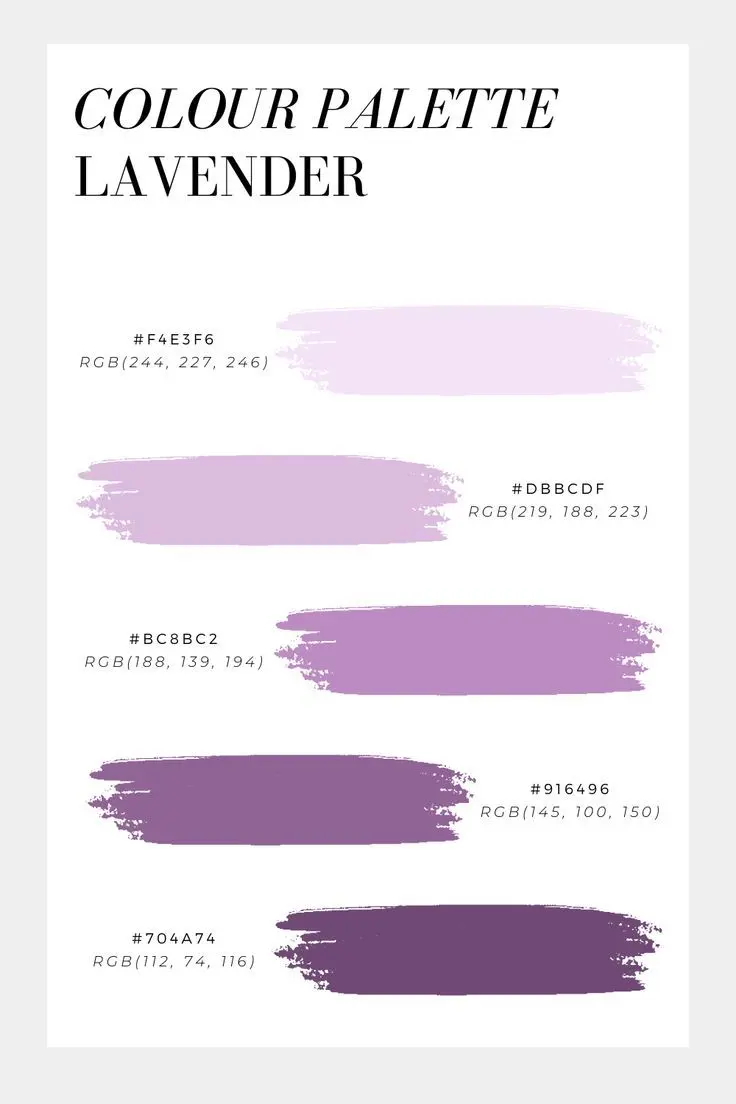
Light purple, such as lavender or lilac, pairs exceptionally well with soft neutrals like white, light gray, or beige. For a bolder look, combine it with mint green or pale yellow.
Can you wear purple with black?
Pairing purple with black is a classic choice that adds drama and elegance. This combination works best when the purple is vibrant or jewel-toned to ensure it stands out against the dark backdrop.
What colors should I avoid with purple?
It is generally best to avoid pairing purple with neon orange or bright red, as these can create visual vibration that strains the eyes. Focus on one primary color direction to maintain a cohesive aesthetic.
How do I choose the right shade of purple?
Consider the mood you want to achieve; deep, dark purples evoke luxury and mystery, while pastel purples feel calm and airy. Test swatches in your specific lighting to see how the color behaves throughout the day.
This answer was created with the help of AI research tools and reference sources. Spotted an error? Let us know — we correct mistakes quickly. See our editorial policy.