What are the best drawing books for beginners?
Short answer
The best drawing books for beginners provide foundational techniques rather than just copying styles. Highly recommended titles include Drawing on the Right Side of the Brain by Betty Edwards, Keys to Drawing by Bert Dodson, and Figure Drawing for All It's Worth by Andrew Loomis. These resources emphasize observation, perspective, and structural anatomy.
On this page
Best drawing books for beginners
Selecting the right instructional book is crucial for establishing a solid artistic foundation. Beginners should prioritize texts that teach "how to see" rather than those that simply demonstrate how to draw specific subjects. Betty Edwards’ Drawing on the Right Side of the Brain (1979) remains a gold standard, focusing on shifting cognitive perception to capture shapes and light accurately. Bert Dodson’s Keys to Drawing (1990) is equally essential, offering practical exercises that translate visual information onto paper through specific techniques like "sighting" and "negative space."
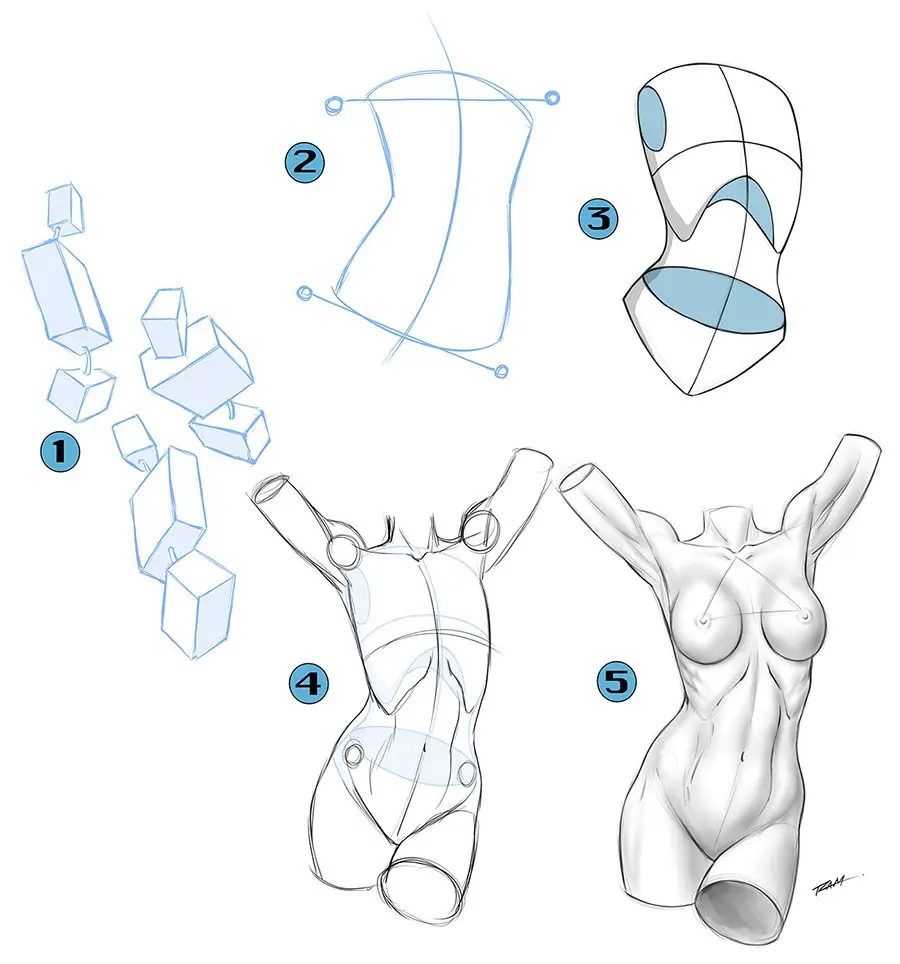
For those interested in the human form, Andrew Loomis’ Figure Drawing for All It's Worth (1943) provides a timeless framework for understanding anatomy and proportion. While these books are decades old, their principles remain the bedrock of modern art education. Beginners should look for these core qualities in any instructional manual:
- Emphasis on geometric construction over surface detail.
- Clear explanations of light, shadow, and value.
- Progressive exercises that build upon previous skills.
- Focus on observational drawing from life rather than photos.
How long does it take to learn to draw
Mastering the fundamentals of drawing is a gradual process that varies significantly based on individual dedication and practice frequency. Most experts suggest that a beginner can achieve a functional level of proficiency within six months of consistent, daily practice. This involves moving from basic mark-making to understanding complex perspective and shading. Rather than focusing on a specific timeline, students should aim for a "deliberate practice" model, where each session has a clear goal, such as improving line quality or understanding elliptical shapes.
Progress is rarely linear, and many students experience plateaus where their skills seem to stagnate. To maintain momentum, consider these milestones for your first year:
- Months 1-3: Developing hand-eye coordination and basic shape construction.
- Months 4-6: Mastering light, shadow, and the fundamentals of perspective.
- Months 7-12: Applying these skills to complex subjects like anatomy or landscapes.
Consistency is far more valuable than intensity; drawing for 30 minutes every day is significantly more effective than a single five-hour session once a week.
Common mistakes when learning to draw
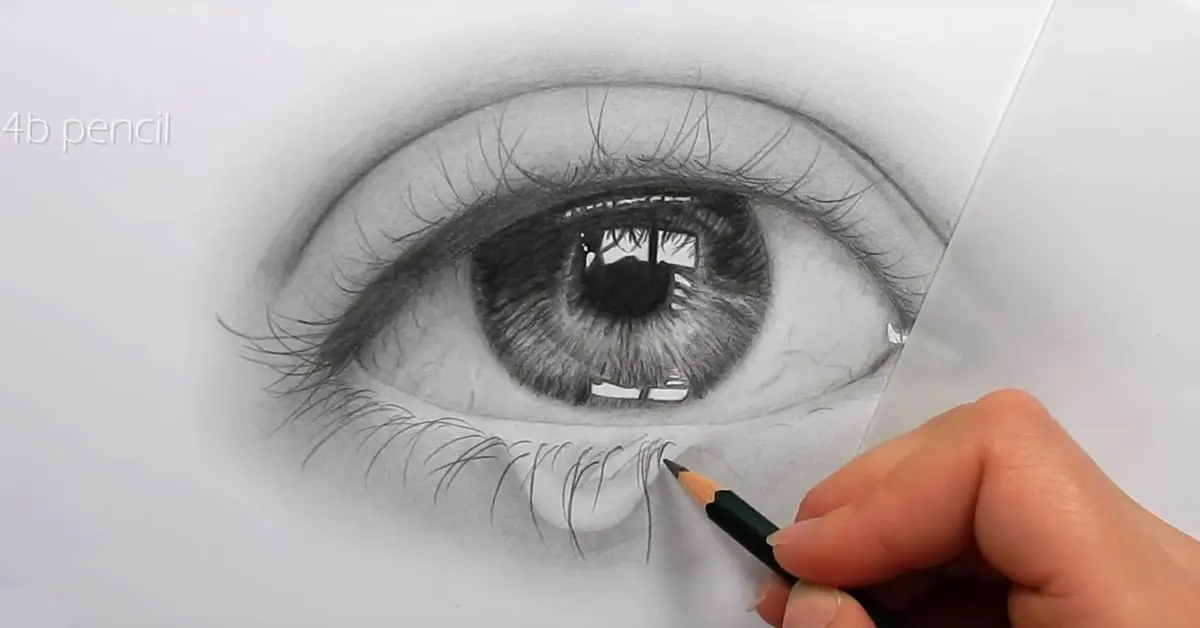
One of the most frequent errors beginners make is "symbol drawing," where the artist draws what they think an object looks like rather than what they actually see. For example, when drawing an eye, a beginner might draw a generic almond shape with a circle inside, ignoring the subtle curves of the eyelid or the way light hits the cornea. Another common pitfall is the premature use of heavy outlines. Beginners often outline everything they see, which creates a flat, cartoonish effect. Instead, focus on edges where two planes meet or where light changes value.
To avoid these common pitfalls, keep these guidelines in mind during your practice sessions:
- Avoid smudging your shading with your fingers, as this creates muddy, uneven tones.
- Do not rush the construction phase; if the underlying structure is wrong, no amount of shading will fix the drawing.
- Stop comparing your early work to the finished portfolios of professional artists.
- Remember that every line you draw is a learning opportunity, not necessarily a final masterpiece.
How to use drawing books effectively
Simply reading a book on drawing will not improve your skills; you must actively engage with the exercises provided. Many beginners make the mistake of reading a chapter and moving on, but the true value lies in the repetition of the suggested tasks. When a book suggests drawing an object from three different angles, do it five times instead. Keep a dedicated sketchbook for these exercises to track your progress over time. This creates a visual history of your growth, which is essential for maintaining motivation when you feel discouraged.
When working through a manual, try to follow these steps to maximize your retention:
- Read the theory section thoroughly to understand the "why" behind the technique.
- Perform the suggested exercise exactly as described without taking shortcuts.
- Repeat the exercise using a different subject matter to ensure you understand the concept, not just the specific example.
- Review your work against the book's examples to identify where your execution differs from the intended outcome.
Why drawing from life is better
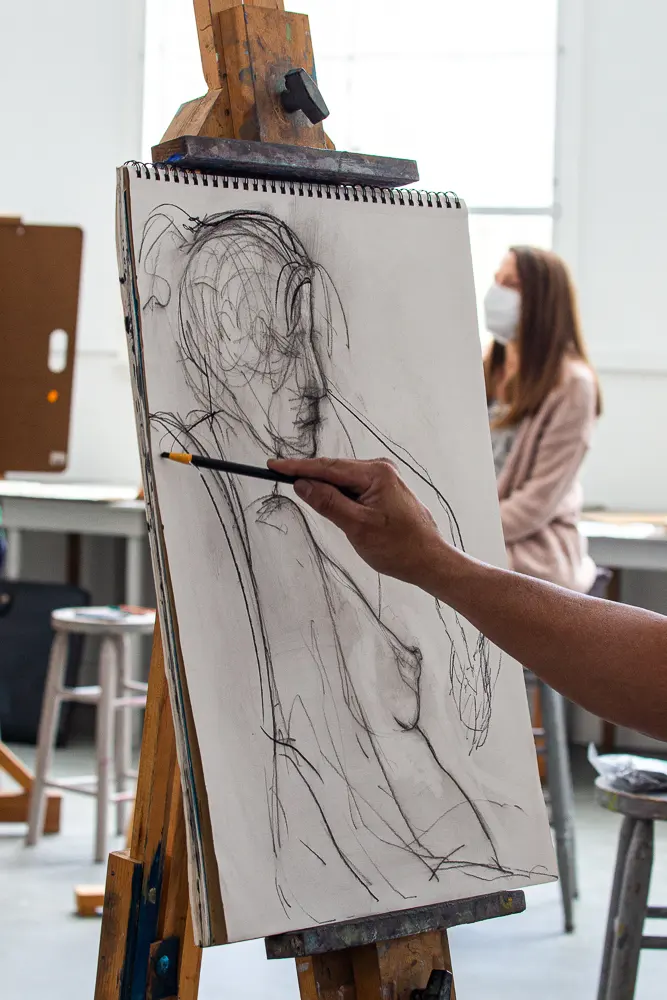
While drawing books often use diagrams and illustrations, the ultimate goal of any beginner should be drawing from life. Books provide the rules and the logic, but the physical world provides the infinite complexity necessary to sharpen your observation skills. When you draw a physical object, you must contend with changing light sources, depth, and spatial relationships that a two-dimensional photograph or illustration cannot replicate. This "translation" of three-dimensional space onto a two-dimensional surface is the core challenge of drawing.
When you transition from book exercises to real-world objects, start with simple, stationary items like fruit, coffee mugs, or geometric blocks. These objects have clear forms and predictable shadows. As you gain confidence, move toward more complex subjects like drapery or furniture. By combining the structured lessons from your books with the unpredictable nature of real-life subjects, you will develop a versatile and robust artistic skill set that will serve you well for the rest of your life.
Key facts
- Betty Edwards’ Drawing on the Right Side of the Brain (1979) remains the gold standard for teaching artists to shift from symbolic to observational drawing.
- Andrew Loomis’ Fun with a Pencil (1939) provides the foundational geometric approach to constructing human heads and figures.
- Practice consistency is more important than talent; drawing for 15 minutes daily yields faster progress than a three-hour session once a week.
- Beginners should prioritize learning "contour drawing," which involves tracing the edges of objects to improve hand-eye coordination.
- Using a 2B or HB graphite pencil is ideal for beginners because these leads offer a versatile balance of darkness and erasability.
- Avoid "smudging" your work with your fingers, as the oils from your skin can damage the paper and create muddy textures.
The bottom line
The journey to becoming an artist begins with mastering observation rather than just technique. By utilizing foundational texts like those by Edwards or Loomis, beginners can dismantle the mental barriers that hinder accurate representation. Focus on daily practice, prioritize drawing from life, and avoid the trap of symbolic drawing. With patience and a basic set of tools, you will steadily build the skills necessary for artistic expression.
People also ask
Should I learn to draw with charcoal or graphite first?
Graphite is recommended for beginners because it is cleaner, easier to control, and allows for precise detail. Charcoal is better suited for loose, expressive shading once you have mastered basic form and perspective.
How long does it take to learn how to draw?
Learning to draw is a lifelong process, but most beginners see significant improvement in observational accuracy within three to six months of daily practice. Consistency is the primary factor in how quickly you develop technical skill.
Do I need expensive art supplies to start?
You only need a standard HB pencil, a white vinyl eraser, and a sketchbook with decent-quality paper. High-end professional materials are unnecessary until you have developed a personal style and understand your specific medium preferences.
Is it better to draw from life or from photographs?
Drawing from life is superior for beginners because it helps you understand depth, lighting, and spatial relationships. Photographs are flattened, which can make it harder to learn how to translate three-dimensional objects onto a two-dimensional page.
What is the most common mistake beginners make?
The most frequent error is "symbol drawing," where the artist draws what they think an object looks like rather than what they actually see. Focusing on negative space and individual lines helps overcome this mental shortcut.
Should I trace images to learn how to draw?
Tracing can help you understand the proportions of complex shapes, but it should be used sparingly. Relying on it too heavily prevents you from developing the necessary hand-eye coordination required for freehand sketching.
This answer was created with the help of AI research tools and reference sources. Spotted an error? Let us know — we correct mistakes quickly. See our editorial policy.