What are good YouTube channels to learn drawing?
Short answer
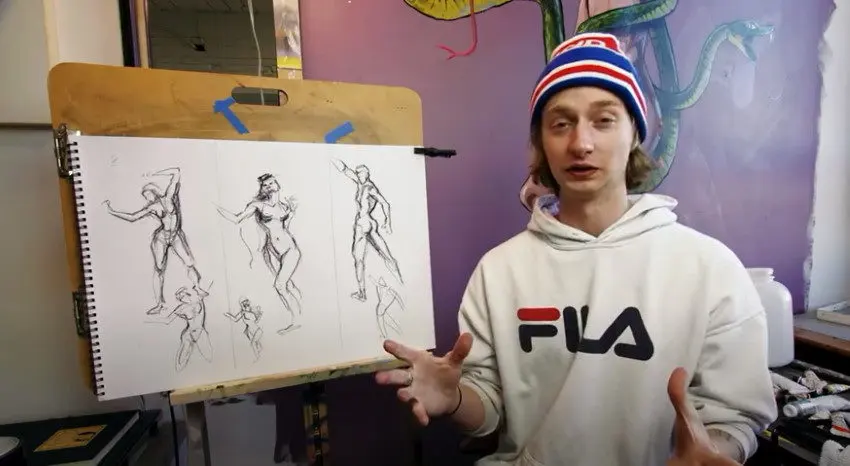
YouTube offers excellent, free resources for artists of all levels. Proko provides comprehensive anatomical and fundamental training, while Drawabox offers a structured, disciplined curriculum. For character design and illustration, channels like Marc Brunet and Jazza offer practical, industry-focused advice. These creators help beginners build foundational skills effectively through clear, professional instruction.
On this page
Best YouTube channels for beginners
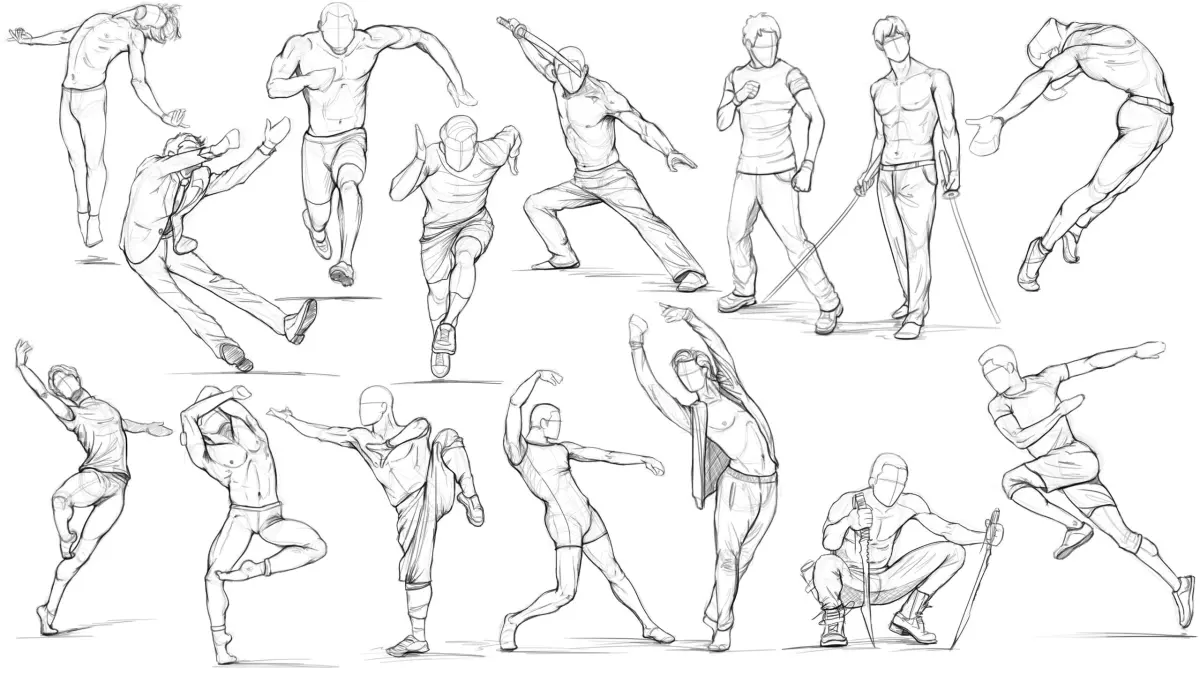
Learning to draw requires a balance between technical skill and creative expression. For those just starting, Proko is widely considered the gold standard for understanding human anatomy and figure drawing. Stan Prokopenko breaks down complex subjects into digestible lessons that emphasize the underlying structure of the body. Another essential resource is Drawabox, which focuses on the "art of drawing" through rigorous, exercise-based lessons that prioritize spatial reasoning and line control over quick stylistic tricks.
If you prefer a more casual approach, Jazza offers a vast library of tutorials covering everything from basic shading to character design. His content is particularly helpful for those who feel intimidated by formal art school methods. Many beginners benefit from rotating between these channels to find a teaching style that resonates with their personal learning pace.
- Proko: Best for anatomy and foundational figure drawing.
- Drawabox: Best for technical discipline and perspective.
- Jazza: Best for character design and creative experimentation.
- Marc Brunet: Best for digital painting and professional industry tips.
How to structure a drawing practice
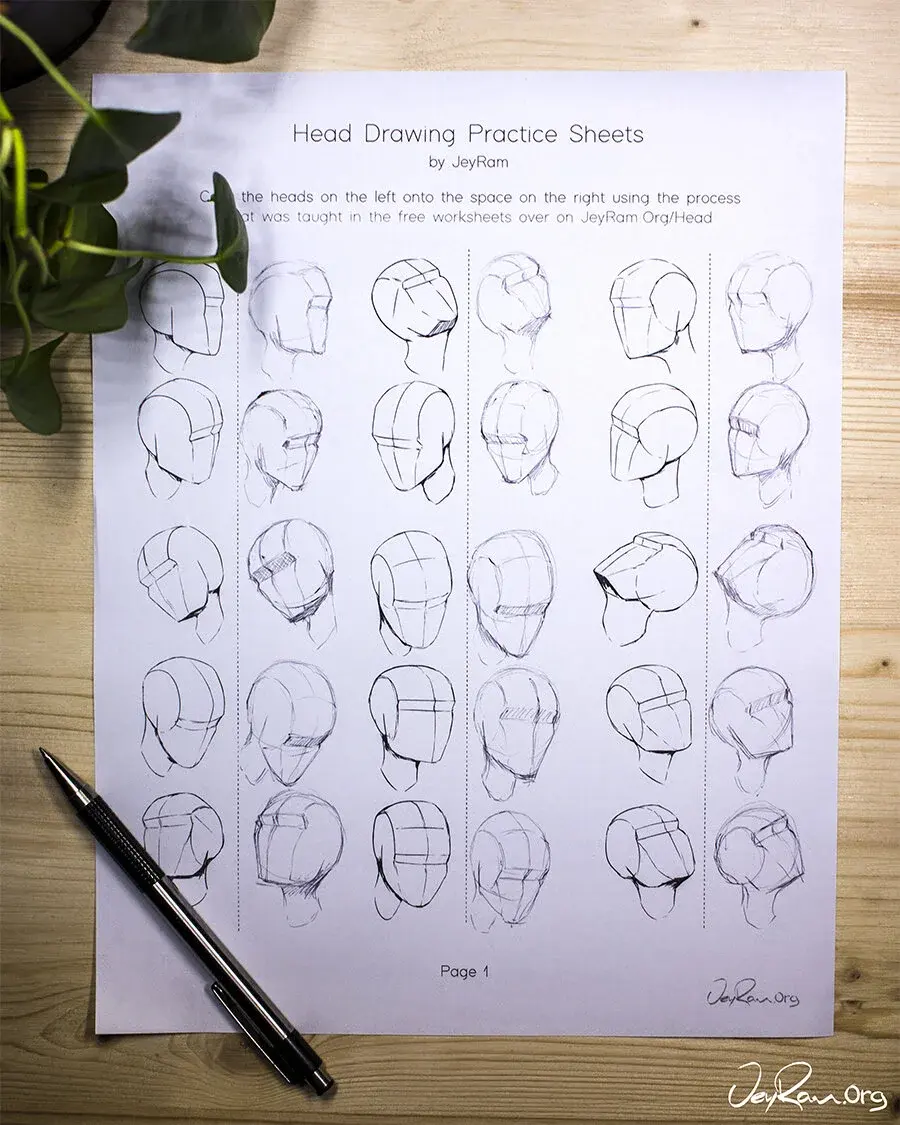
Consistency is the most important factor in improving artistic ability. Rather than drawing for five hours once a week, aim for thirty minutes of focused practice every day. Start your sessions with warm-ups, such as drawing ellipses, circles, or simple cubes in perspective. This builds the muscle memory required for more complex illustrations later.
Follow a structured routine to ensure you are not just doodling, but actively learning. Divide your time between studying theory and applying it to your own projects. If you spend one hour studying anatomy, spend the next hour trying to apply those shapes to a reference photo. This cycle of input and output is essential for long-term growth.
- Spend 10 minutes on warm-up sketches and line exercises.
- Dedicate 30 minutes to a specific study, such as hand anatomy or lighting.
- Use the final 20 minutes to apply these concepts to a creative drawing.
Common mistakes when learning to draw
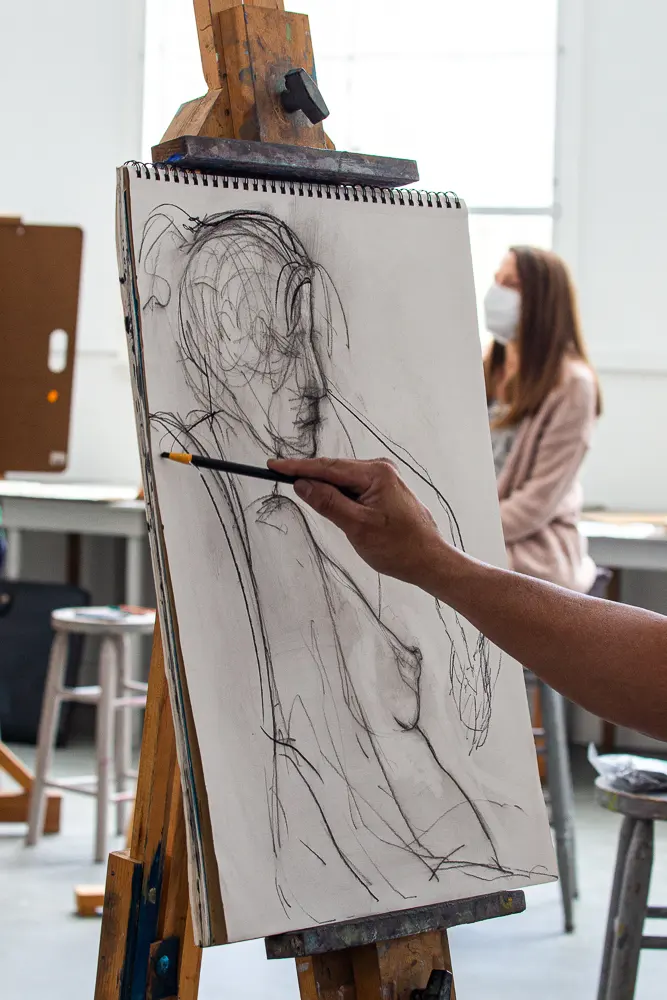
One of the most frequent errors beginners make is focusing too heavily on details before establishing the underlying structure. It is tempting to spend hours shading an eye or a nose, but if the proportions of the head are incorrect, the final drawing will look off. Always start with light, gestural lines to map out the composition before committing to darker, permanent marks.
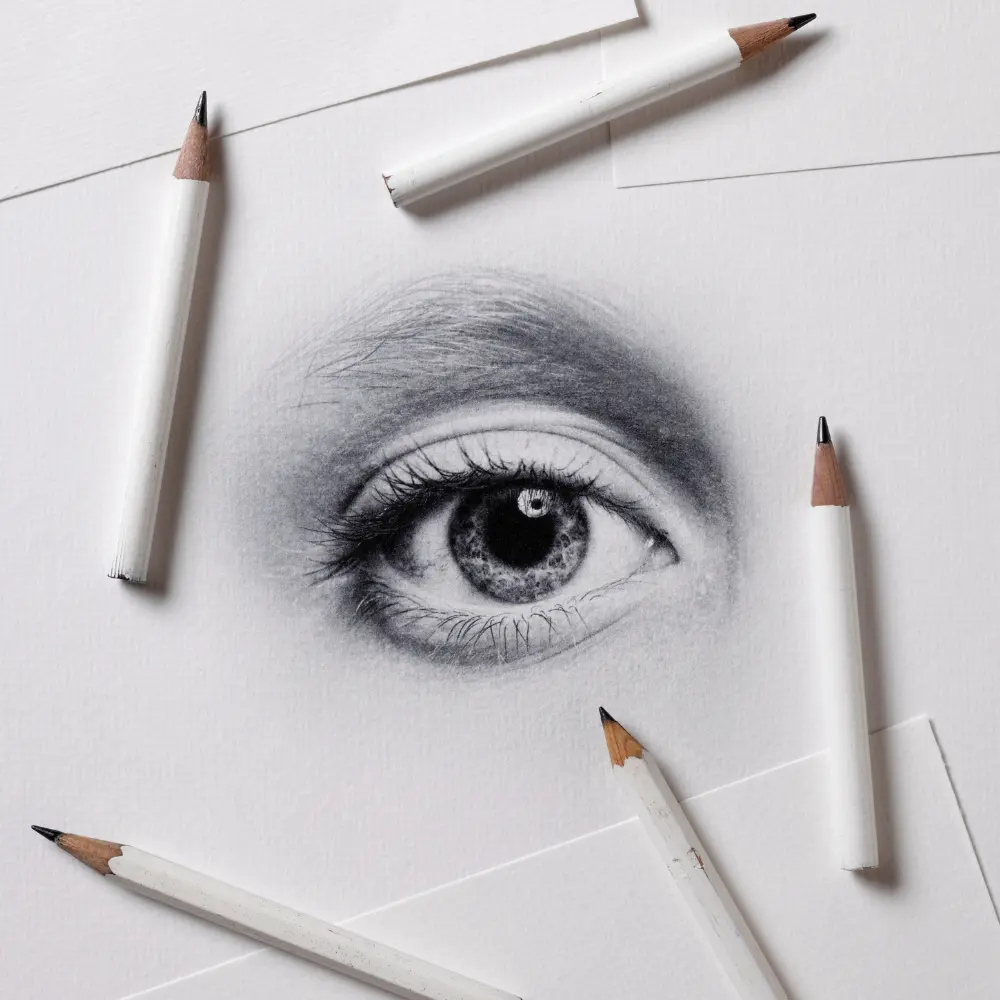
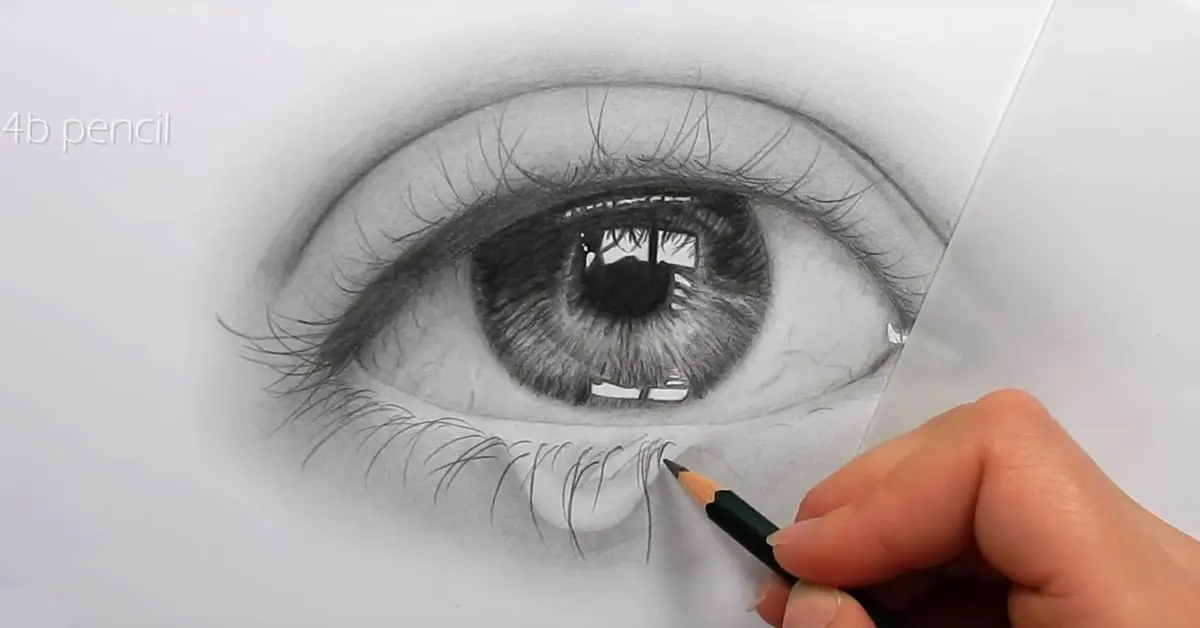
Another common pitfall is the reliance on "symbol drawing," where you draw what you think an object looks like rather than what is actually in front of you. For example, many novices draw eyes as almond-shaped symbols rather than observing the subtle curves of the eyelids and the depth of the socket. Always use reference images to break objects down into basic geometric shapes like spheres, cylinders, and cubes.
- Ignoring the importance of negative space.
- Pressing too hard with the pencil early on.
- Neglecting to practice perspective and spatial depth.
- Avoiding difficult subjects like hands or feet.

How long does it take to get good
The timeline for artistic proficiency varies significantly depending on the amount of deliberate practice invested. You can expect to see noticeable improvements in your line quality and observation skills within three to six months of consistent daily practice. Mastering complex subjects like human anatomy or realistic portraiture typically takes years of dedicated study, often spanning several thousand hours of active work.
Do not be discouraged by the "plateau" effect, where it feels like your skills have stopped improving. This is a normal part of the learning process where your brain is consolidating information. Keep tracking your progress by saving your old drawings; looking back at work from six months ago is the most effective way to see how far you have actually come. Remember that art is a marathon, not a sprint, and every hour spent practicing contributes to your overall development.
Why drawing from reference is essential
Drawing from imagination is a goal for many, but it is nearly impossible to do well without a deep library of visual references. When you draw from life or photographs, you are training your brain to interpret light, shadow, and form accurately. Once you have internalized these rules through repeated observation, you can eventually manipulate them to create original work from your mind.
Start by using high-quality reference photos or drawing objects directly from your room. Pay close attention to how light hits a surface and where shadows fall. This practice, known as "observational drawing," is the foundation upon which all professional artists build their careers. By constantly feeding your brain new visual data, you expand your ability to construct complex scenes and characters that feel grounded in reality. Even professional concept artists use references daily to ensure their work remains accurate and believable.
Key facts
- Proko provides professional-level anatomical studies and figure drawing tutorials suitable for all skill levels.
- Drawabox emphasizes fundamental construction and spatial reasoning through a structured, rigorous curriculum.
- Marc Brunet offers industry-standard advice on digital painting, character design, and professional artistic workflows.
- Jazza creates engaging, project-based content that helps beginners overcome the fear of starting a blank page.
- Sinix Design focuses on "style-agnostic" painting techniques, prioritizing color theory and brushwork over rigid rules.
- Practice daily for at least 15 minutes to build muscle memory and improve hand-eye coordination significantly.
The bottom line
Learning to draw effectively requires a commitment to fundamental principles like perspective, anatomy, and light. By utilizing high-quality educational channels such as Proko or Drawabox, you can build a strong foundation through structured exercises. Focus on consistency, prioritize structural accuracy over intricate details, and remain patient with your progress. With deliberate practice and the right resources, you will steadily develop the technical skills necessary for artistic mastery.
People also ask
Should I start with digital or traditional drawing?
Traditional drawing with pencil and paper is recommended for beginners to understand line weight and pressure without technical distractions. Once you master basic shapes, transitioning to digital tools becomes much easier.
How long does it take to become a proficient artist?
Proficiency depends on consistent practice rather than innate talent. Most students notice significant improvements in their technical accuracy after six months of daily, deliberate study.
Is it necessary to learn anatomy to draw well?
Understanding basic anatomy is essential for drawing convincing human figures. You do not need to be a medical expert, but knowing bone structure and muscle groups prevents common proportion errors.
What is the most common mistake beginners make?
Many beginners focus on drawing fine details before establishing the overall structure and proportions. Always start with simple geometric shapes to ensure the foundation is correct before adding shading.
Can I learn to draw if I have no natural talent?
Drawing is a learned skill based on observation and repetition. Anyone can achieve high levels of competence by studying perspective, light, and form systematically.
How do I choose the right YouTube channel for my goals?
Identify whether you want to learn technical fundamentals, character design, or creative illustration. Choose channels that align with your specific interests to maintain motivation throughout your learning journey.
This answer was created with the help of AI research tools and reference sources. Spotted an error? Let us know — we correct mistakes quickly. See our editorial policy.